
 EN
EN
Achieving seamless esthetic results with multilayer zirconia blocks requires precise glaze selection and application technique. The challenge lies in understanding how multilayer zirconia blocks interact with surface glazes, especially when you need to match existing tooth color or blend multiple restoration units. This guide explains the critical factors that influence successful glaze matching with multilayer zirconia blocks and provides actionable methods to ensure consistent, beautiful outcomes in your dental laboratory or clinical practice.
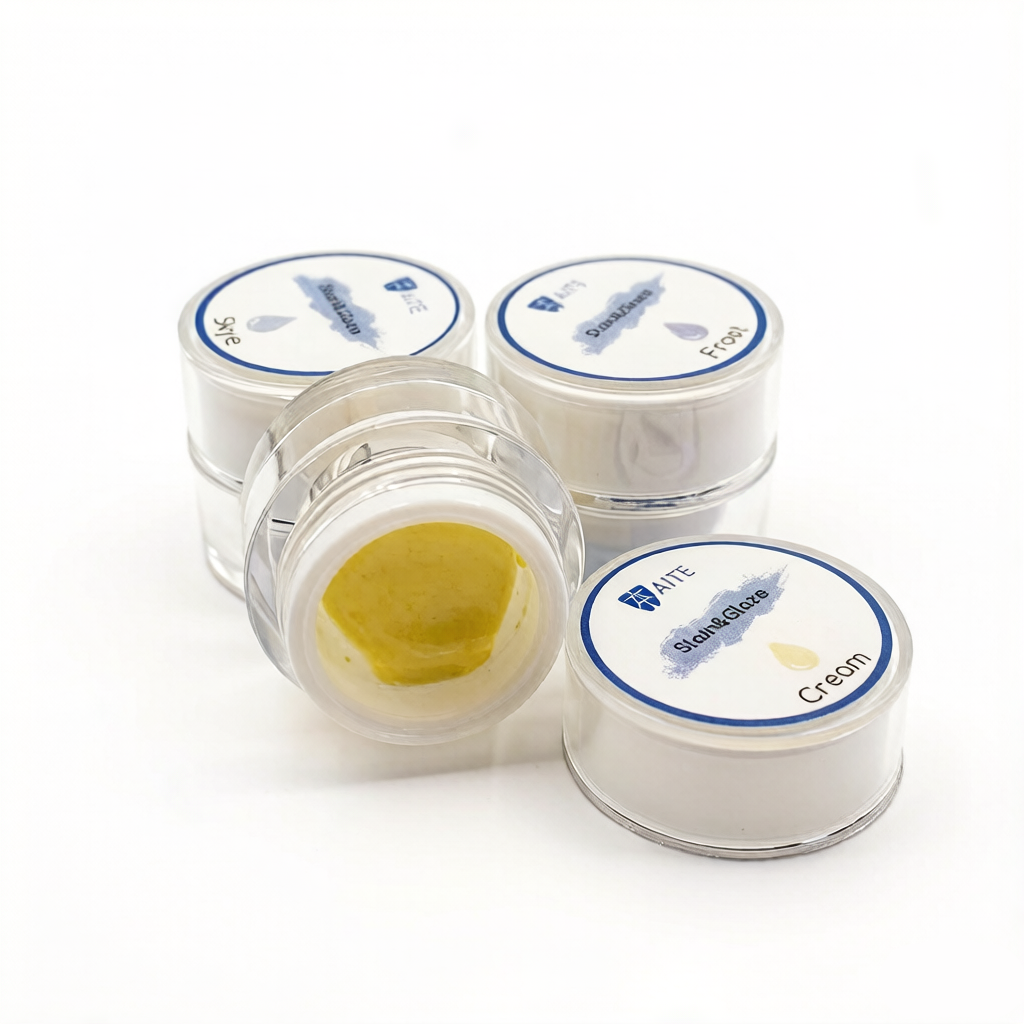
Multilayer zirconia blocks come pre-shaded with a gradient structure designed to mimic natural tooth anatomy, but the final color and translucency depend significantly on glaze application. Understanding the relationship between multilayer zirconia blocks and glaze chemistry allows you to refine shade, correct minor color discrepancies, and enhance the overall esthetic integration of restorations into the patient's dentition.
Understanding Multilayer Zirconia Block Structure
The Gradient Design of Multilayer Zirconia Blocks
Multilayer zirconia blocks feature a sophisticated internal color gradient that transitions from a darker cervical shade to a lighter incisal zone. This engineered structure mimics the natural color distribution found in healthy teeth and reduces the need for extensive characterization. When you apply glaze to multilayer zirconia blocks, the surface coating interacts with this underlying gradient, either enhancing or potentially masking the designed color progression if applied too thickly or with incompatible shade selection.
The density and crystal structure of multilayer zirconia blocks also influence how light reflects through the glaze layer. Higher translucency in the incisal third of multilayer zirconia blocks allows light to penetrate deeper, whereas the more opaque cervical region provides the necessary opacity for a natural appearance. Recognizing this anatomical variation is essential before selecting and applying glaze to multilayer zirconia blocks.
Why Surface Glaze Matters for Multilayer Zirconia Blocks
While multilayer zirconia blocks are already colored, surface glaze serves multiple functions beyond simple aesthetic enhancement. Glaze creates a smooth, nonporous surface that resists staining, improves biocompatibility, and seals microscopic surface irregularities created during milling. For multilayer zirconia blocks, the right glaze formulation can harmonize shade variation, add subtle characterization without overwhelming the underlying gradient, and provide the final luster that distinguishes a laboratory restoration from a natural tooth.
Color Matching Methodology for Multilayer Zirconia Blocks
Pre-Glaze Shade Assessment
Before applying any glaze to multilayer zirconia blocks, conduct a thorough visual assessment using the unglazed milled restoration. Place the milled multilayer zirconia blocks against the target tooth under consistent lighting (ideally D65 daylight or clinical halogen lamps) and compare the cervical, body, and incisal shades. Document whether the multilayer zirconia blocks restoration appears too light, too dark, too yellow, or too gray relative to the target. This baseline evaluation determines which glaze shade will best complement the multilayer zirconia blocks and whether additional characterization is needed.
Photograph the unglazed multilayer zirconia blocks restoration alongside the natural tooth reference under controlled conditions. This visual record helps you track shade progression and supports communication with the clinical team if shade refinement is needed after final delivery of the multilayer zirconia blocks restoration.
Glaze Selection and Application Strategy
Selecting the correct glaze for multilayer zirconia blocks involves matching the glaze shade to the desired final result while accounting for how glaze affects translucency and brightness. Lighter glaze colors tend to brighten multilayer zirconia blocks restorations and reduce perceived saturation, while darker, more saturated glazes can add depth and warmth. Apply glaze to multilayer zirconia blocks in thin, even layers rather than thick single coats; thin application preserves the underlying gradient structure of the multilayer zirconia blocks while thicker glazes can muddy the natural color progression.
For multilayer zirconia blocks restorations that require shade correction, use layering techniques: apply a base glaze layer that addresses major shade discrepancies, then add characterization glaze in targeted areas (such as grooves or contact regions) to enhance anatomy without altering the overall color balance of the multilayer zirconia blocks.
Technical Execution and Refinement
Surface Preparation and Glaze Application
Proper surface preparation ensures that glaze bonds securely to multilayer zirconia blocks and achieves the desired final appearance. Clean the milled multilayer zirconia blocks restoration thoroughly to remove all milling debris and dust; any residue can create uneven glaze coverage and compromise the final shade match. Use a fine prophy brush with distilled water or a specialized zirconia cleaning solution to prepare the multilayer zirconia blocks surface, then allow it to dry completely before glaze application.
Apply glaze to multilayer zirconia blocks using a fine brush or spray technique, depending on the specific glaze formulation and your laboratory protocol. Brush application allows precise control, particularly useful when you need to apply different glaze shades to different regions of the multilayer zirconia blocks restoration. Ensure even distribution across the entire visible surface of the multilayer zirconia blocks, paying attention to line angles and interproximal areas where glaze thickness variations can create visible shade inconsistencies.
Firing and Quality Verification
Fire the glazed multilayer zirconia blocks restoration according to the glaze manufacturer's specifications, typically at temperatures between 900 and 1000 degrees Celsius. The firing process fuses the glaze to the multilayer zirconia blocks surface and develops the final color and gloss. After firing, evaluate the multilayer zirconia blocks restoration under the same lighting conditions used during initial shade assessment, comparing it directly to the natural tooth target once more.
If the fired multilayer zirconia blocks restoration shows acceptable shade match within clinical tolerances, the restoration is ready for delivery. If shade refinement is needed, additional characterization glaze can be applied and fired again to multilayer zirconia blocks. This iterative refinement process, while requiring additional time, ensures that the final multilayer zirconia blocks restoration meets esthetic standards and client expectations.
FAQ
What is the ideal thickness of glaze applied to multilayer zirconia blocks?
Glaze thickness on multilayer zirconia blocks should typically be 0.1 to 0.3 millimeters. This thin layer preserves the underlying gradient structure and natural color of the multilayer zirconia blocks while providing adequate surface sealing and gloss. Thicker glaze applications on multilayer zirconia blocks can obscure the internal shade gradient and result in an opaque, artificial appearance that fails to match the translucency of natural teeth.
Can I apply multiple glaze colors to a single multilayer zirconia blocks restoration?
Yes, layering different glaze shades on multilayer zirconia blocks is an advanced technique that allows targeted characterization and shade refinement. Apply a base glaze to multilayer zirconia blocks first, fire it, then add accent glazes in specific regions such as grooves, the gingival third, or incisal edges. This approach to multilayer zirconia blocks glazing maintains color harmony while adding natural-looking anatomy and depth to the restoration.
How do I know if my glaze matches well with the multilayer zirconia blocks restoration?
Evaluate the glazed multilayer zirconia blocks restoration under D65 daylight or clinical lighting alongside the natural tooth target. The multilayer zirconia blocks restoration should match the target tooth in hue, chroma, and value within one shade guide step. The surface luster should be smooth and glossy, similar to natural enamel. If the multilayer zirconia blocks restoration appears too bright, too dull, too yellow, or too gray, plan characterization refinement and re-fire to optimize the final result.