
 EN
EN
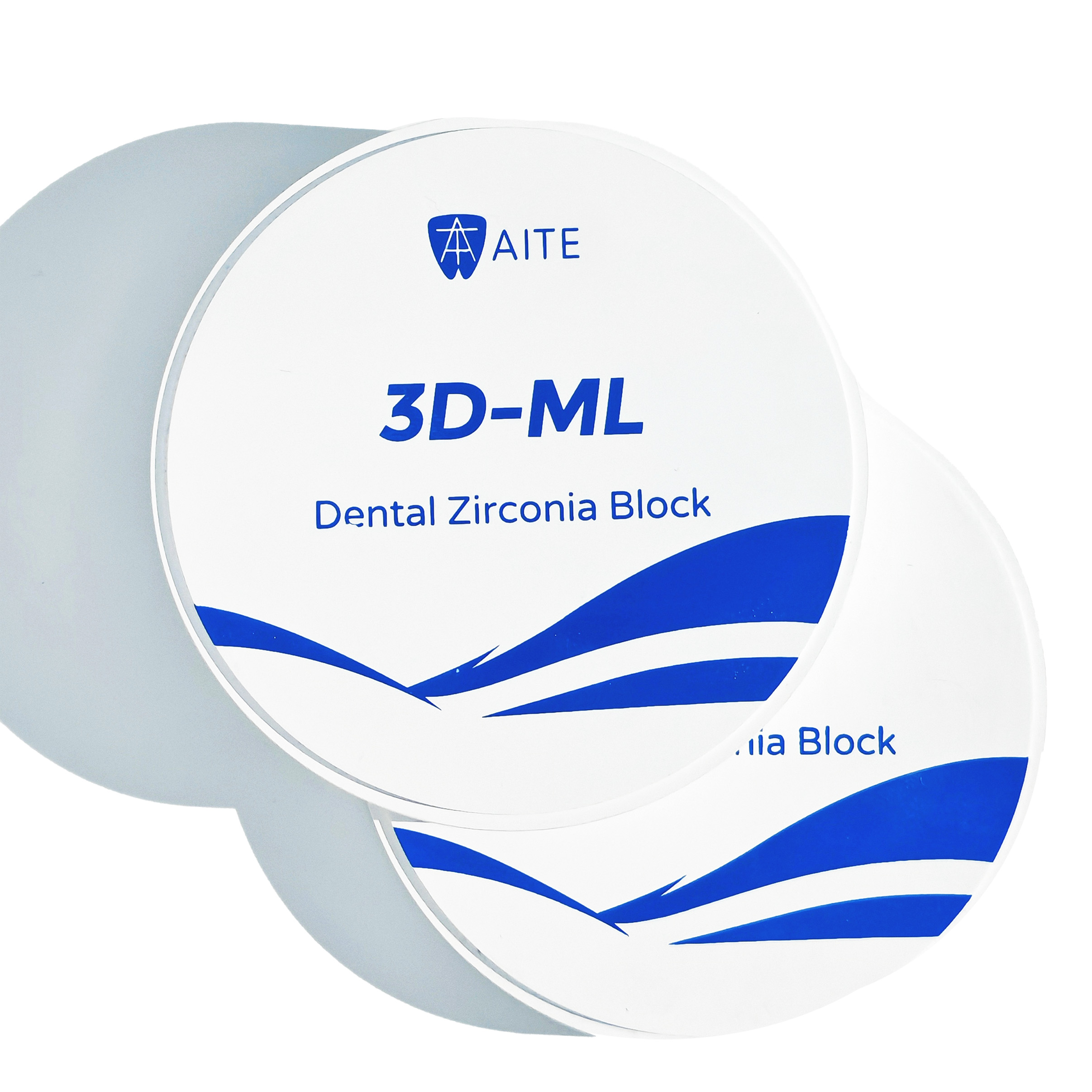
Shade verification represents one of the most critical steps in achieving predictable esthetic outcomes with multilayer zirconia blocks. The layered composition of modern multilayer zirconia blocks introduces unique shade characteristics that differ significantly from traditional monolithic restorations. Dental professionals must understand the specific techniques for evaluating multilayer zirconia blocks to ensure the final restoration matches the patient's natural dentition and meets esthetic expectations. This comprehensive guide explores the systematic approach to checking shade in multilayer zirconia blocks, addressing the technical considerations that distinguish this process from conventional shade verification methods.
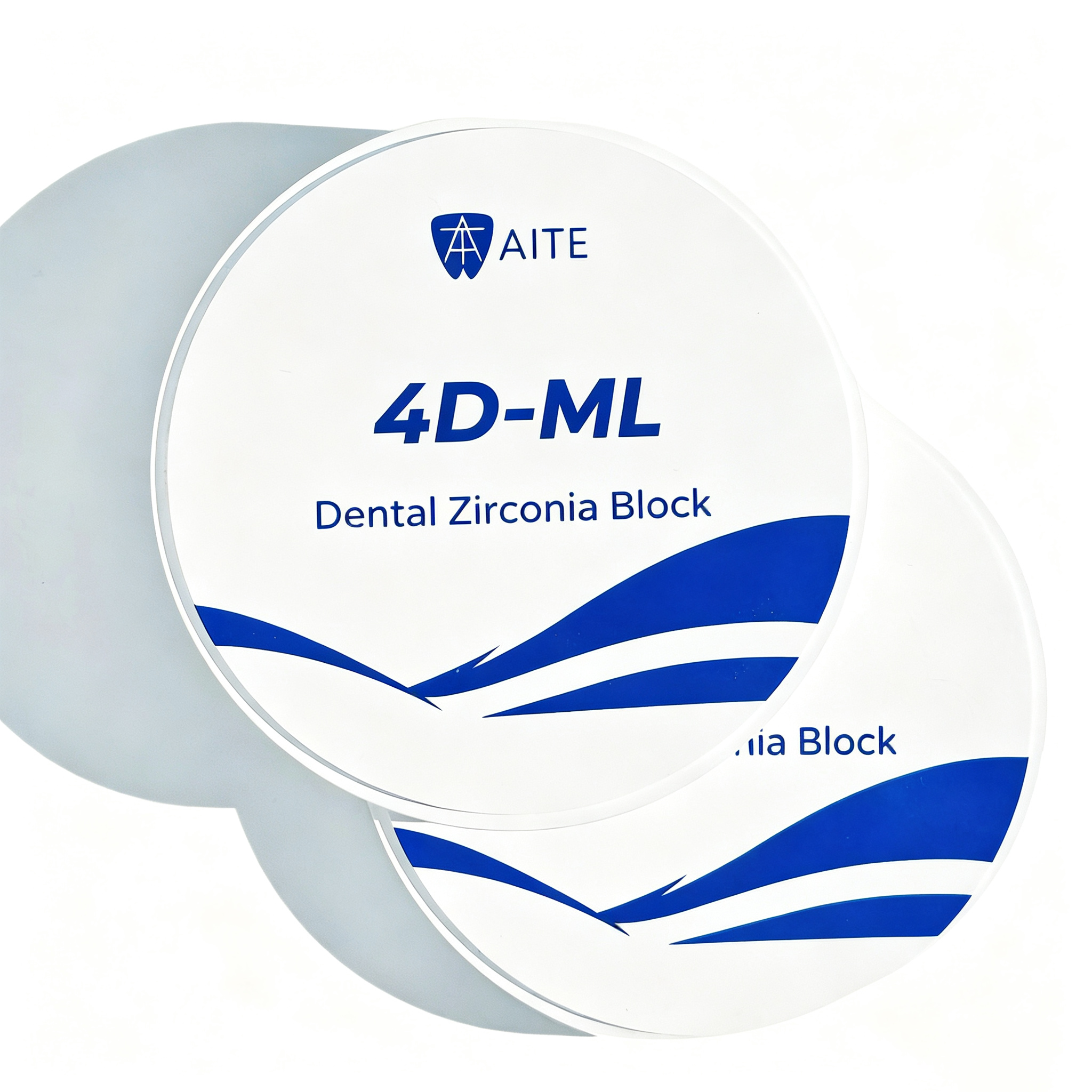
The multilayered architecture of these restorative materials creates optical properties that require specialized assessment protocols. Unlike monolithic solutions, multilayer zirconia blocks feature distinct core and surface layers with varying translucency and chroma values. Understanding how to evaluate these layers systematically ensures clinicians can predict the final shade outcome before milling and sintering. This document provides practical, evidence-based methodologies for shade assessment that directly address the complexities inherent in multilayer zirconia blocks.
Understanding the Layered Structure of Multilayer Zirconia Blocks
Core and Surface Layer Characteristics
Multilayer zirconia blocks are engineered with distinct compositional gradients that influence their final appearance. The core layer in multilayer zirconia blocks typically exhibits higher opacity and stronger chroma to mask underlying tooth structure and provide support. The surface layer of multilayer zirconia blocks is formulated with increased translucency to mimic natural enamel characteristics and allow more natural light transmission. These design parameters in multilayer zirconia blocks make traditional single-layer shade evaluation ineffective for accurate color prediction.
Optical Properties Affecting Shade Perception
The optical behavior of multilayer zirconia blocks varies based on material composition, layer thickness, and sintering parameters. Multilayer zirconia blocks containing higher yttria stabilization in the surface layer show increased translucency compared to conventional zirconia. Light scattering within multilayer zirconia blocks differs from monolithic materials due to the compositional interface between layers. When evaluating multilayer zirconia blocks, clinicians must account for these refractive properties, as they substantially affect how the restoration appears in the mouth compared to unsintered samples.
Systematic Shade Checking Protocol for Multilayer Zirconia Blocks
Pre-Milling Assessment Techniques
Begin shade verification with multilayer zirconia blocks by examining unsintered block samples under standardized lighting conditions. Position unsintered multilayer zirconia blocks samples adjacent to natural tooth structure under daylight-balanced illumination at approximately 5500 Kelvin. The baseline color of multilayer zirconia blocks in unsintered form appears lighter and less vibrant than the final sintered restoration. Photographers and clinicians should record visual documentation of multilayer zirconia blocks before milling to establish a reference baseline for comparison. Many practitioners maintain organized samples of multilayer zirconia blocks across the available shade range for immediate chairside reference.
Digital Shade Matching with Multilayer Zirconia Blocks
Digital spectrophotometry offers objective data for evaluating multilayer zirconia blocks shade compatibility with natural teeth. Calibrated spectrophotometers measure the L*, a*, and b* values of both the target tooth and available multilayer zirconia blocks samples. This quantitative approach reduces subjective interpretation errors when assessing multilayer zirconia blocks. Position the spectrophotometer probe perpendicular to the tooth surface and to representative multilayer zirconia blocks samples for consistent readings. Digital records of multilayer zirconia blocks shade data facilitate communication with the laboratory and support shade selection documentation for clinical records.
Visual Shade Guide Reference Systems
Specialized shade guide systems designed for multilayer zirconia blocks provide clinical reference standards that account for layered composition effects. These guides display both unsintered and sintered samples of multilayer zirconia blocks to illustrate the color shift occurring during the firing process. Arrange guide samples of multilayer zirconia blocks alongside the patient's teeth under identical lighting to minimize subjective interpretation. The use of standardized multilayer zirconia blocks shade guides improves communication accuracy between clinical and laboratory environments. Selection from established multilayer zirconia blocks shade systems typically results in more predictable esthetic outcomes than subjective color matching alone.
Adjusting for Sintering Color Shift in Multilayer Zirconia Blocks
Predicting Post-Sintering Appearance
Multilayer zirconia blocks undergo significant color transformation during the high-temperature sintering process required for material consolidation. Unsintered multilayer zirconia blocks typically appear lighter and less saturated than the final sintered restoration. Understanding the magnitude and direction of color shift in multilayer zirconia blocks allows clinicians to select appropriate shade values that compensate for this transformation. Laboratory technicians should communicate the expected color shift for the specific multilayer zirconia blocks formulation being used. Charts documenting the sintering color shift for different multilayer zirconia blocks products help practitioners make informed shade selections before milling.
Clinical Verification After Sintering
Upon receipt of the sintered multilayer zirconia blocks restoration from the laboratory, conduct a thorough shade evaluation before delivery to the patient. Place the sintered multilayer zirconia blocks restoration on the prepared tooth under the same lighting conditions used during shade selection. Evaluate the overall match of multilayer zirconia blocks in combination with any required luting cement, as resin adhesives can modify final appearance. Compare the multilayer zirconia blocks restoration across multiple incisal, middle, and cervical zones to ensure uniform shade compatibility. Document any significant discrepancies between the anticipated and actual multilayer zirconia blocks shade appearance for future refinement of the selection process.
FAQ
What makes shade checking for multilayer zirconia blocks different from monolithic materials?
Multilayer zirconia blocks possess distinct optical layers with different translucency and chroma values, unlike single-layer monolithic materials. The core layer in multilayer zirconia blocks is more opaque, while the surface layer exhibits increased translucency to mimic natural enamel. This layered design means that visual and digital shade assessment must account for how light interacts with multiple material interfaces within multilayer zirconia blocks. Traditional monolithic shade guides cannot accurately predict the appearance of multilayer zirconia blocks because the optical behavior differs fundamentally due to compositional gradients.
How much does the color change when multilayer zirconia blocks are sintered?
Multilayer zirconia blocks typically shift toward slightly darker and more saturated colors during sintering, though the exact magnitude depends on the specific material formulation and firing parameters. Unsintered multilayer zirconia blocks samples usually appear noticeably lighter and less vibrant compared to their sintered counterparts. The degree of color shift in multilayer zirconia blocks can range from subtle to significant, which is why laboratory communication regarding expected transformation is essential. Consulting manufacturer data and maintaining shade records of previously completed multilayer zirconia blocks cases helps clinicians anticipate and compensate for sintering-related color changes.
Which tools are most effective for shade verification of multilayer zirconia blocks?
Digital spectrophotometry provides objective measurements for multilayer zirconia blocks shade assessment and is considered the gold standard for quantitative color matching. Shade guide systems specifically designed for multilayer zirconia blocks that display both sintered and unsintered samples offer practical clinical reference standards. Standardized lighting at 5500 Kelvin is essential when evaluating multilayer zirconia blocks under any shade verification method. Combining multiple assessment approaches—digital measurement, specialized shade guides, and visual comparison of multilayer zirconia blocks samples—yields the most reliable shade selection and the highest probability of patient satisfaction with the final restoration.