
 EN
EN
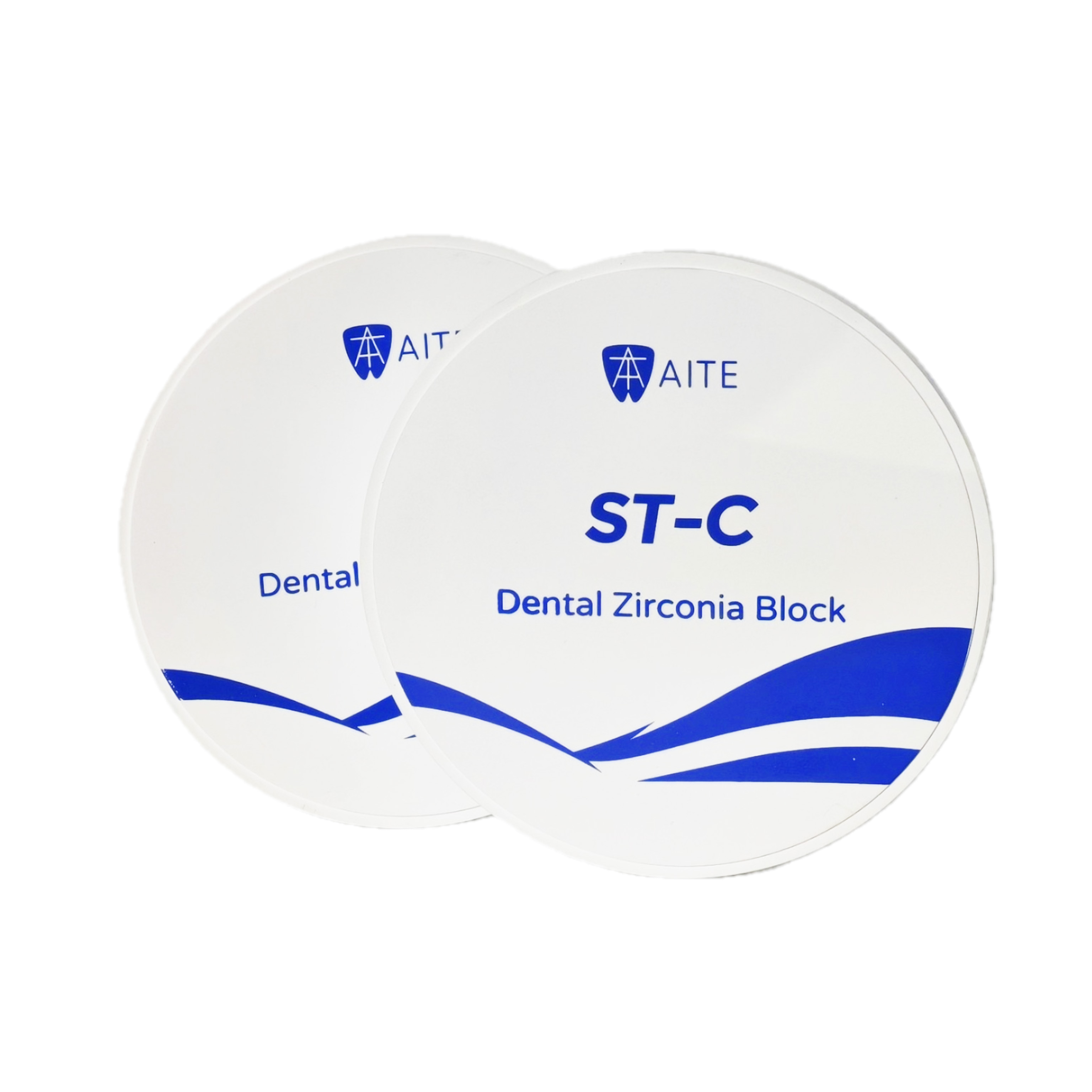
The choice of material for dental crown restorations directly influences clinical success, patient satisfaction, and long-term durability. Dental zirconia blocks have emerged as the preferred material for modern crown fabrication, establishing themselves as the industry standard across dental practices and laboratories worldwide. Understanding why dental zirconia blocks command this dominant position requires examining their unique combination of mechanical strength, aesthetic capability, and biocompatibility. This shift toward dental zirconia blocks reflects decades of clinical research, technological advancement, and the evolution of digital dentistry into an evidence-based discipline.
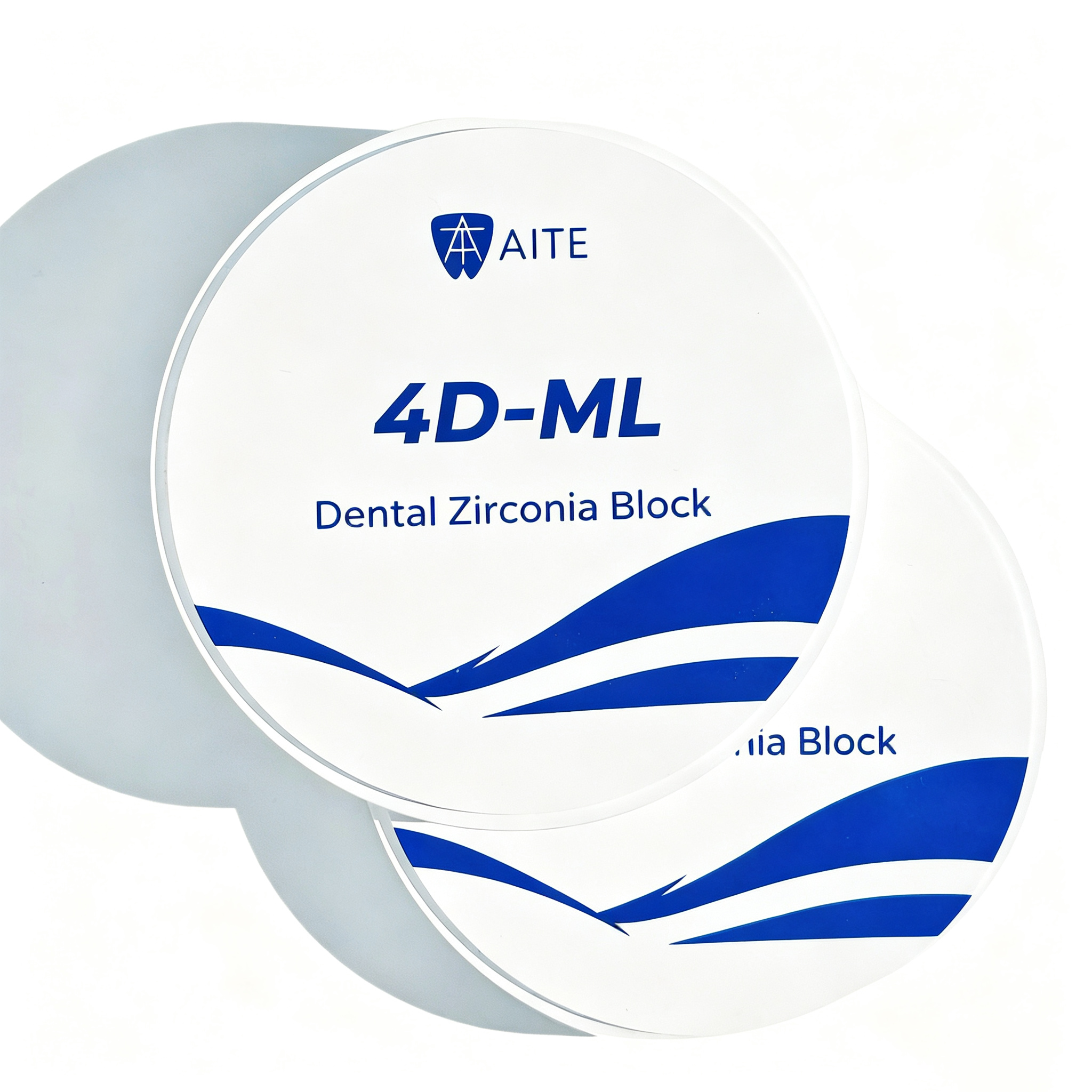
When clinicians evaluate materials for crown restorations, they must balance strength with aesthetics, biocompatibility with manufacturing ease, and cost-effectiveness with clinical longevity. Dental zirconia blocks deliver superior performance across all these criteria, which explains their rapid adoption in CAD/CAM workflows and their continued preference in both chairside and laboratory settings. The consistent predictability of dental zirconia blocks has transformed crown fabrication from a labor-intensive craft into a precision-engineered process that delivers predictable, high-quality results.
Superior Mechanical Properties and Durability
Exceptional Strength and Fracture Resistance
Dental zirconia blocks exhibit exceptional flexural strength that significantly exceeds traditional ceramic materials and even matches or surpasses precious metal alloys in many clinical applications. The crystalline structure of dental zirconia blocks provides inherent fracture resistance, enabling restorations to withstand the extreme biting forces generated in posterior regions. When posterior crowns fail, the failure is often gradual wear rather than catastrophic fracture, a characteristic that dental zirconia blocks handle with remarkable reliability. This mechanical superiority means that dental zirconia blocks rarely chip, crack, or delaminate during normal use, providing patients with restorations that maintain structural integrity for decades.
Resistance to Wear and Environmental Degradation
The dense, non-porous crystal structure of dental zirconia blocks creates a barrier against oral fluids, acidic environments, and bacterial contamination that might compromise other materials. Unlike porous ceramics or materials susceptible to moisture absorption, dental zirconia blocks remain dimensionally stable in the oral environment, preventing marginal gaps and secondary decay. The resistance to wear exhibited by dental zirconia blocks means that occlusal surfaces maintain their original contour and contact patterns, reducing the risk of functional problems or parafunctional damage over time. This environmental stability is particularly important in cases involving patients with aggressive grinding habits or acidic dietary exposure, where dental zirconia blocks provide the reliability needed for long-term success.
Aesthetic Excellence and Natural Appearance
Advanced Translucency and Color Matching
Modern dental zirconia blocks have evolved beyond the opaque appearance of earlier generations, with contemporary formulations offering graded translucency that mirrors natural tooth structure. Dental zirconia blocks now come in multiple translucency levels, allowing clinicians to select the material grade that best matches adjacent teeth and underlying abutment conditions. The ability to achieve highly aesthetic results with dental zirconia blocks has eliminated the previous limitation of appearing artificial or overly opaque, particularly in the anterior aesthetic zone. Tinted dental zirconia blocks enable shade matching to natural teeth within clinically acceptable tolerances, often eliminating the need for multiple layers or complex staining protocols that traditional materials required.
Monolithic Design and Reduced Chipping
Dental zirconia blocks can be milled as monolithic restorations without sacrificing aesthetics, eliminating the traditional veneering layer that often chips or delaminates from the underlying core. This monolithic approach to dental zirconia blocks reduces the technical complexity of crown fabrication while simultaneously improving clinical longevity by removing the most common failure point in layered restorations. The seamless nature of monolithic dental zirconia blocks restorations means no interface where moisture can penetrate or adhesive failure can initiate degradation. Patients and clinicians alike appreciate the aesthetic predictability and durability that monolithic dental zirconia blocks provide, making this design philosophy the standard approach in contemporary digital crown manufacturing.
Biocompatibility and Clinical Safety
Biological Inertness and Tissue Tolerance
Dental zirconia blocks are chemically inert within the oral environment, meaning they do not leach ions, trigger allergic reactions, or provoke inflammatory responses that might compromise gingival health or pulpal vitality. The biological safety profile of dental zirconia blocks has been extensively documented in peer-reviewed literature, confirming that they are among the most biocompatible restorative materials available to dentistry. Unlike metals that can corrode or materials that can release undesirable compounds, dental zirconia blocks maintain their compositional stability indefinitely, protecting both the tooth and surrounding tissues. This inert nature of dental zirconia blocks makes them an ideal choice for patients with metal sensitivities, allergies, or systemic conditions that contraindicate certain conventional materials.
Marginal Adaptation and Secondary Decay Prevention
The precision milling capabilities available with dental zirconia blocks enable margins to be fabricated with micron-level accuracy, creating tight margins that resist bacterial infiltration and secondary decay. Digital mill technology can achieve marginal gaps well below 100 microns, which represents a significant improvement over hand-fabricated traditional crowns that often exceeded 200 microns or more. The relationship between marginal fit and crown longevity is well established, and the superior marginal adaptation inherent to dental zirconia blocks directly contributes to extended restoration life. When margins remain sealed and tight, the risk of secondary caries at the crown-tooth interface diminishes substantially, protecting the underlying tooth preparation and preventing the common cause of crown replacement.
Clinical Workflow Integration and Efficiency
CAD/CAM Manufacturing Precision
Dental zirconia blocks are optimized for digital milling systems, allowing chairside and laboratory fabrication with unprecedented precision and consistency. The homogeneous structure of dental zirconia blocks ensures predictable milling behavior, eliminating the variability associated with hand-fabrication or layered construction techniques. Digital design software enables dentists and technicians to optimize occlusal contacts, embrasure forms, and emergence profiles before milling, resulting in restorations that require minimal adjustment or refinement. This digital integration transforms dental zirconia blocks from a passive material into an active participant in comprehensive digital treatment planning and execution workflows.
Reduced Chairside Adjustment Time
The precision of milled dental zirconia blocks restorations means they typically seat on tooth preparations with minimal gaps or high spots, reducing the time required for chairside adjustment and fitting. The hardness of dental zirconia blocks necessitates specialized burs for adjustment, but the frequency of adjustment required is substantially lower than with traditional materials. This efficiency benefit translates into shorter appointment times, reduced stress on both patient and clinician, and faster delivery of the final restoration. When dental zirconia blocks crowns do require minor adjustments, the digital design parameters allow for refinement and optimization that might not be possible with traditionally fabricated restorations.
Long-Term Clinical Evidence and Success Rates
Documented Survival and Success Data
Clinical studies spanning more than a decade demonstrate that dental zirconia blocks restorations consistently achieve survival rates exceeding ninety-five percent at five-year follow-up and eighty to ninety percent at ten-year follow-up. These impressive clinical outcomes exceed survival rates documented for traditional porcelain-fused-to-metal crowns and approach or match those of precious metal restorations in demanding posterior applications. The evidence base supporting dental zirconia blocks has grown progressively stronger, with larger patient populations and longer observation periods consistently confirming the initial promise of this material class. Clinicians can confidently inform patients that dental zirconia blocks represent a material choice backed by substantial clinical evidence and proven long-term success.
Cost-Benefit Analysis Over Time
Although dental zirconia blocks may carry slightly higher initial material costs compared to some alternative materials, the superior longevity and reduced complication rates deliver exceptional long-term cost-benefit. Patients who receive dental zirconia blocks crowns experience fewer repairs, replacements, and complications compared to those receiving traditional materials, reducing total cost of care over a ten to twenty year period. The predictability of dental zirconia blocks allows clinicians to quote longer restoration longevity with confidence, enhancing perceived value and patient satisfaction. When patients understand that dental zirconia blocks will likely remain functional throughout their lifetime, the initial material cost becomes a wise investment rather than an expense.
Industry Evolution and Standardization
Digital Dentistry Integration
The rise of CAD/CAM technology and digital workflows has fundamentally aligned with the strengths of dental zirconia blocks, making this material the natural choice for modern practices embracing digital transformation. Dental zirconia blocks are manufactured to consistent specifications by industrial-grade milling equipment, ensuring batch-to-batch uniformity and reproducibility that hand-crafted materials cannot guarantee. Digital design platforms have been optimized around dental zirconia blocks capabilities, creating feedback loops where software improvements enhance material utilization and vice versa. This symbiotic relationship between digital technology and dental zirconia blocks has accelerated their adoption and reinforced their status as the material of choice for technology-forward practices.
Regulatory Recognition and Material Standards
Dental zirconia blocks meet rigorous international standards and regulatory requirements established by organizations including ISO, FDA, and regional dental material classification systems. The standardization of dental zirconia blocks formulations, manufacturing processes, and performance specifications has eliminated uncertainty and variability that plagued earlier proprietary materials. Regulatory approval and clinical acceptance of dental zirconia blocks provides confidence to both practitioners and patients that they are choosing a material with proven safety and efficacy. As new formulations and enhanced versions of dental zirconia blocks continue to be introduced, they undergo the same rigorous evaluation and approval processes, ensuring ongoing quality and safety improvements.
FAQ
What makes dental zirconia blocks more durable than porcelain for crowns?
Dental zirconia blocks possess significantly higher flexural strength and fracture toughness than traditional porcelain due to their crystalline structure and the transformation toughening mechanisms that zirconia exhibits. While porcelain is brittle and prone to chipping, especially on veneer layers, dental zirconia blocks can be fabricated as monolithic restorations that resist fracture under extreme biting forces. The superior wear resistance of dental zirconia blocks also means occlusal surfaces maintain their original contours longer, preventing the functional problems that sometimes develop when porcelain surfaces become worn or faceted.
Can dental zirconia blocks provide aesthetic results comparable to tooth-colored materials?
Modern dental zirconia blocks have evolved to offer multiple translucency grades and tinted options that achieve highly aesthetic results without sacrificing strength. Advanced formulations of dental zirconia blocks can closely match natural tooth color and translucency characteristics, eliminating the artificial appearance of earlier opaque zirconia restorations. Monolithic dental zirconia blocks crowns can achieve aesthetic excellence while maintaining the mechanical reliability that traditional veneered restorations could not provide, making them suitable for anterior aesthetic applications.
How long can patients expect dental zirconia blocks crowns to last?
Clinical data demonstrates that dental zirconia blocks crowns consistently survive for ten years or longer in the vast majority of cases, with many restorations remaining functional for fifteen to twenty years or more. Unlike materials that show progressive degradation or increased complication rates over time, dental zirconia blocks maintain their mechanical and aesthetic properties throughout their service life. When properly fabricated, placed, and maintained through appropriate oral hygiene and preventive care, dental zirconia blocks crowns represent a lifetime restoration option that patients can reasonably expect to preserve indefinitely.