
 EN
EN
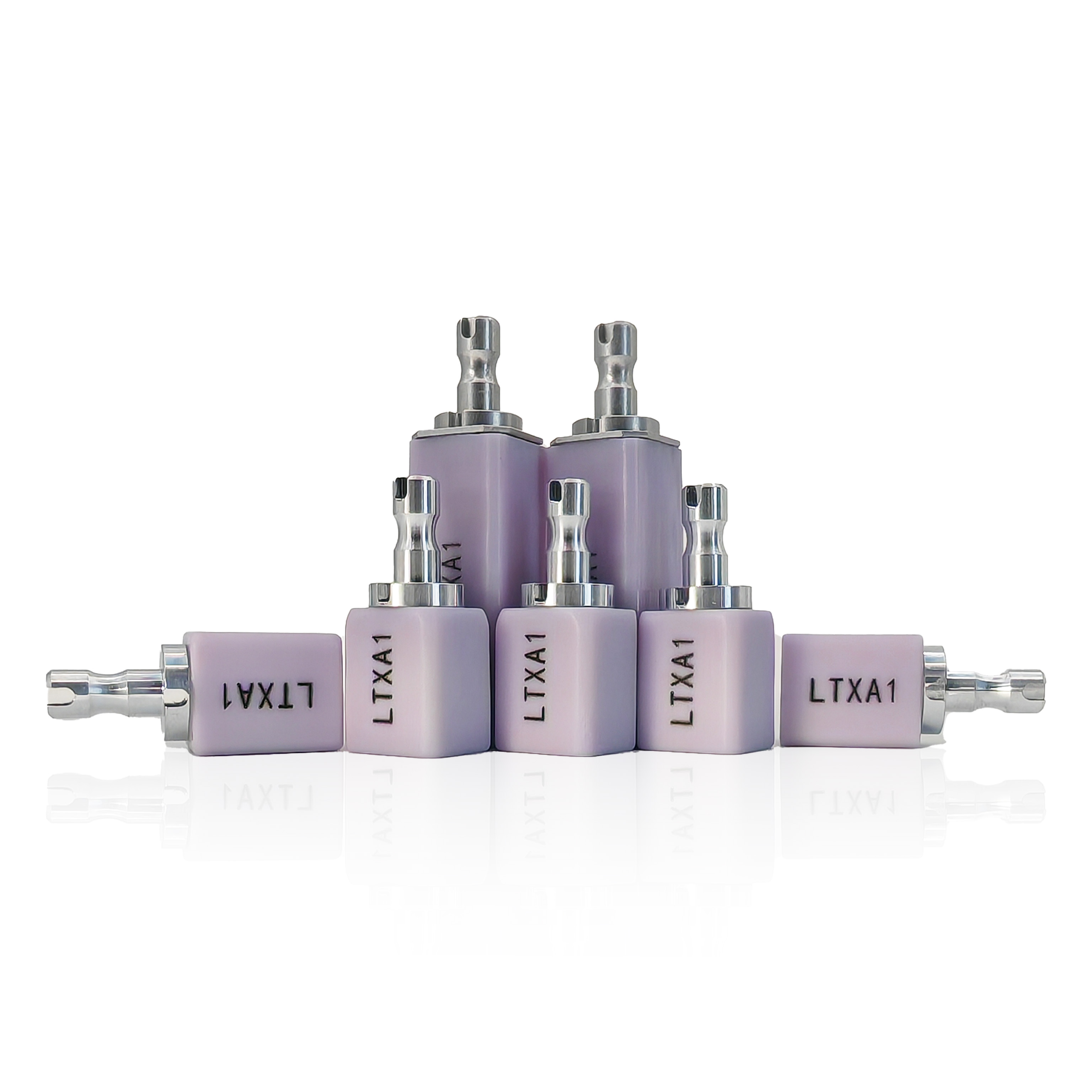
Optimizing dental glass ceramic firing is essential for achieving restorations that combine exceptional strength with superior esthetic outcomes. The firing process directly determines the microstructure, translucency, and mechanical properties of your final restoration. Understanding the key parameters that influence dental glass ceramic performance allows clinicians and laboratory technicians to produce consistent, high-quality restorations that meet patient expectations and clinical demands.
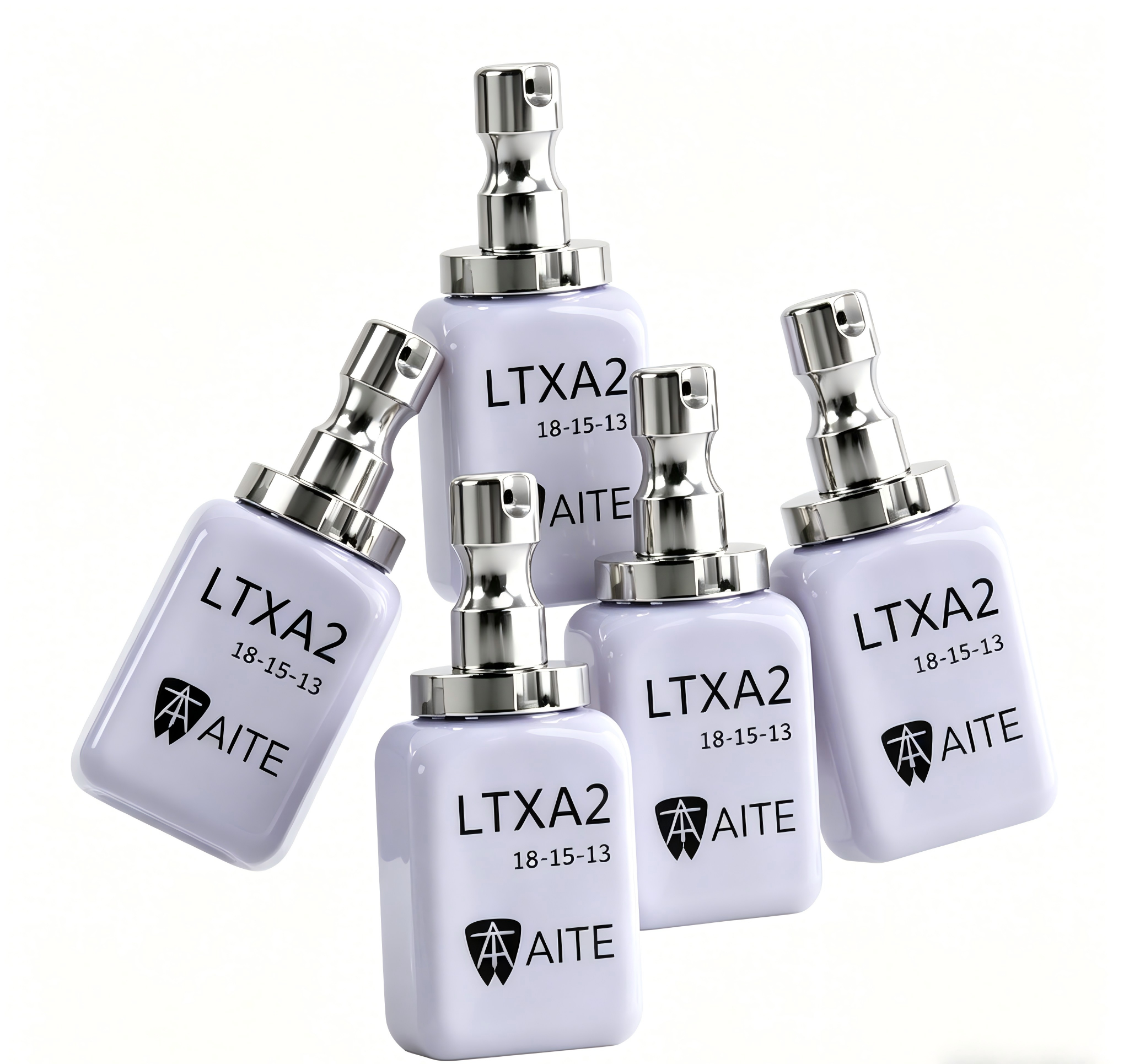
The dental glass ceramic material represents a significant advancement in restorative dentistry, offering the ideal balance between durability and appearance. To maximize the benefits of dental glass ceramic, precise control over firing parameters is critical. This guide explores the fundamental principles, practical techniques, and optimization strategies that ensure your dental glass ceramic restorations achieve optimal properties every time.
Understanding Dental Glass Ceramic Firing Fundamentals
The Role of Temperature in Dental Glass Ceramic Processing
Temperature control is the cornerstone of successful dental glass ceramic firing. Each dental glass ceramic material has a specific firing temperature range designed by the manufacturer to achieve optimal crystallization. Operating within this range ensures that the glass matrix properly transforms into a crystalline phase, creating the desired strength and esthetic properties. Temperature fluctuations outside the recommended range can result in incomplete crystallization, leading to weak restorations, or over-firing, which may cause discoloration or excessive shrinkage.
Modern dental glass ceramic furnaces incorporate sophisticated heating elements and digital temperature monitoring to maintain consistent heat throughout the firing cycle. When you fire dental glass ceramic at the precise temperature specified by the manufacturer, the material undergoes controlled phase transformation that maximizes its crystalline structure. This transformation is what gives dental glass ceramic its characteristic strength while maintaining the translucency required for natural-looking restorations. Understanding this relationship between temperature and material transformation is fundamental to optimizing your firing process.
Heating and Cooling Rates for Optimal Results
The rate at which you heat and cool dental glass ceramic during firing significantly affects the final material properties. Rapid heating can create internal stress and uneven crystallization throughout the restoration, while slow heating ensures uniform temperature distribution and consistent phase development. Similarly, controlled cooling prevents thermal shock that could introduce microcracks or residual stress within the restoration. Most dental glass ceramic manufacturers specify optimal heating and cooling rates in their technical documentation to guide proper furnace programming.
When optimizing dental glass ceramic firing parameters, consider that different thickness sections of your restoration may cool at different rates. Thicker areas cool more slowly than thinner sections, potentially creating internal stress gradients. Professional laboratory technicians program their furnaces to follow gentle cooling curves that accommodate these differences, ensuring uniform stress distribution throughout the dental glass ceramic restoration. This attention to cooling protocol is often the difference between restorations that last years and those that may fail prematurely.
Optimizing Holding Time and Vacuum Application
Determining Optimal Holding Time at Peak Temperature
Holding time—the duration that dental glass ceramic remains at peak firing temperature—directly influences crystallization completeness and esthetic properties. Insufficient holding time leaves the material incompletely crystallized, resulting in weaker restorations with potential translucency issues. Conversely, excessive holding time may cause unwanted grain growth or color shifts in the dental glass ceramic. The optimal holding time for most dental glass ceramic formulations ranges from 60 to 120 seconds at peak temperature, though specific materials may vary slightly.
Laboratory protocols that specify exact holding times for each dental glass ceramic product ensure reproducible results across multiple firings and different furnace models. Recording your holding times and corresponding outcomes helps establish baseline parameters specific to your equipment and techniques. Some advanced dental glass ceramic systems offer variable holding programs that adjust duration based on restoration thickness, automatically optimizing the firing cycle for different clinical situations.
Vacuum Application During Dental Glass Ceramic Firing
Applying controlled vacuum during dental glass ceramic firing removes trapped air bubbles and gases that would otherwise compromise the material's structural integrity and appearance. Vacuum application, typically ranging from 60 to 80 kilopascals, creates a void-free microstructure that enhances both strength and esthetic translucency of the dental glass ceramic. This step is particularly critical when creating restorations with complex geometries or significant thickness variations where air entrapment risk is elevated.
The timing of vacuum application during the dental glass ceramic firing cycle influences its effectiveness. Introducing vacuum too early may result in excessive outgassing that causes surface irregularities, while applying vacuum too late provides insufficient time for complete bubble removal. Most dental glass ceramic furnace protocols specify precise vacuum application timing synchronized with the heating curve to achieve optimal results. Technicians who master this coordination consistently produce superior restorations with enhanced translucency and mechanical properties.
Material-Specific Optimization Strategies
Selecting the Right Dental Glass Ceramic for Your Workflow
Different dental glass ceramic formulations require slightly different firing parameters to achieve optimal properties. Leucite-reinforced dental glass ceramic systems typically require specific temperature profiles that differ from lithium disilicate-based dental glass ceramic materials. Consulting the manufacturer's technical specifications ensures you apply appropriate firing protocols for your chosen dental glass ceramic product. Many modern laboratories use multiple dental glass ceramic systems, requiring careful documentation and organization of firing parameters to prevent cross-application errors.
The dental glass ceramic system you select should align with your furnace capabilities and laboratory workflow. Premium dental glass ceramic materials often incorporate refined firing cycles that produce superior esthetic outcomes, while other systems optimize for faster production timelines. Understanding these material characteristics allows you to optimize dental glass ceramic firing specifically for your application demands, whether prioritizing esthetic perfection or production efficiency.
Surface Preparation and Stacking Considerations
Proper surface preparation before dental glass ceramic firing impacts the final restoration quality significantly. Ensuring uniform powder-to-liquid ratios and complete moisture removal from your dental glass ceramic framework prevents surface irregularities and improves crystallization uniformity. When stacking multiple dental glass ceramic restorations in a single firing cycle, maintain adequate spacing between pieces to ensure uniform heat distribution and gas circulation around each restoration.
Improper stacking can create thermal barriers that prevent uniform dental glass ceramic firing across your batch, resulting in restorations with varying properties and appearance. Professional laboratory practices specify maximum stacking density and positioning protocols that ensure each dental glass ceramic restoration receives consistent thermal exposure. Additionally, using appropriate furnace support materials and placement systems designed specifically for your dental glass ceramic system maintains optimal firing conditions throughout the cycle.
Troubleshooting Common Dental Glass Ceramic Firing Issues
Addressing Discoloration and Opacity Problems
Discoloration during dental glass ceramic firing often results from over-heating, extended holding times, or inadequate vacuum application. Restorations that appear more opaque than expected typically indicate incomplete crystallization due to insufficient peak temperature or holding time. These issues can be resolved by carefully reviewing and adjusting your dental glass ceramic firing parameters in accordance with manufacturer specifications. Maintaining detailed firing logs helps identify patterns that correlate with specific quality issues.
Color shifting in dental glass ceramic restorations may also result from contamination in the furnace chamber or degraded firing elements. Regular furnace maintenance, including cleaning the chamber and inspecting heating elements, prevents contamination-related discoloration. When troubleshooting dental glass ceramic firing problems, systematically evaluate temperature accuracy, heating rate consistency, and vacuum functionality to isolate the root cause and implement appropriate corrections.
Preventing Cracks and Delamination
Residual stress induced during dental glass ceramic firing is the primary cause of post-firing cracks and later clinical delamination. Rapid cooling rates create thermal shock that generates stress patterns within the restoration, particularly at interface boundaries. Implementing controlled, gradual cooling protocols for dental glass ceramic materials prevents these stress-related failures. Similarly, ensuring proper adhesion between different material layers in layered restorations reduces delamination risk during and after the firing process.
Dental glass ceramic restorations with non-uniform thickness are particularly vulnerable to stress-induced cracking. Designing restorations with gradual thickness transitions and avoiding sharp corners minimizes stress concentration points. When firing dental glass ceramic with complex geometry, consider extended holding times at intermediate temperatures to allow gradual stress relief, preventing crack formation in thick sections or at material junctions.
FAQ
What is the ideal temperature for firing dental glass ceramic?
The ideal temperature for firing dental glass ceramic typically ranges from 900 to 1100 degrees Celsius, depending on the specific material formulation and manufacturer specifications. Leucite-reinforced dental glass ceramic systems generally fire at lower temperatures around 900 to 950 degrees Celsius, while lithium disilicate-based dental glass ceramic requires higher temperatures between 920 and 1000 degrees Celsius. Always consult your specific dental glass ceramic product documentation for exact firing temperature recommendations, as deviating from manufacturer specifications can compromise restoration quality and durability.
How long should dental glass ceramic remain at peak firing temperature?
Most dental glass ceramic materials require 60 to 120 seconds at peak firing temperature for complete crystallization. This holding time allows the glass phase to transform into crystalline structures that provide the material's characteristic strength and esthetic properties. Insufficient holding time leaves dental glass ceramic incompletely crystallized, reducing strength and affecting translucency, while excessive time may cause unwanted color changes or grain growth. Your furnace programming should specify exact holding duration based on your particular dental glass ceramic formulation and restoration thickness.
Can I fire multiple dental glass ceramic restorations simultaneously?
Yes, you can fire multiple dental glass ceramic restorations in a single cycle, provided you follow proper stacking and spacing protocols. Maintain adequate distance between restorations to ensure uniform heat circulation and consistent dental glass ceramic firing throughout the batch. Avoid stacking too many pieces or placing them too close together, which restricts heat distribution and creates uneven firing results. Professional laboratory practices specify maximum stacking density for each dental glass ceramic system and furnace model to maintain quality consistency across all restorations in the batch.