
 EN
EN
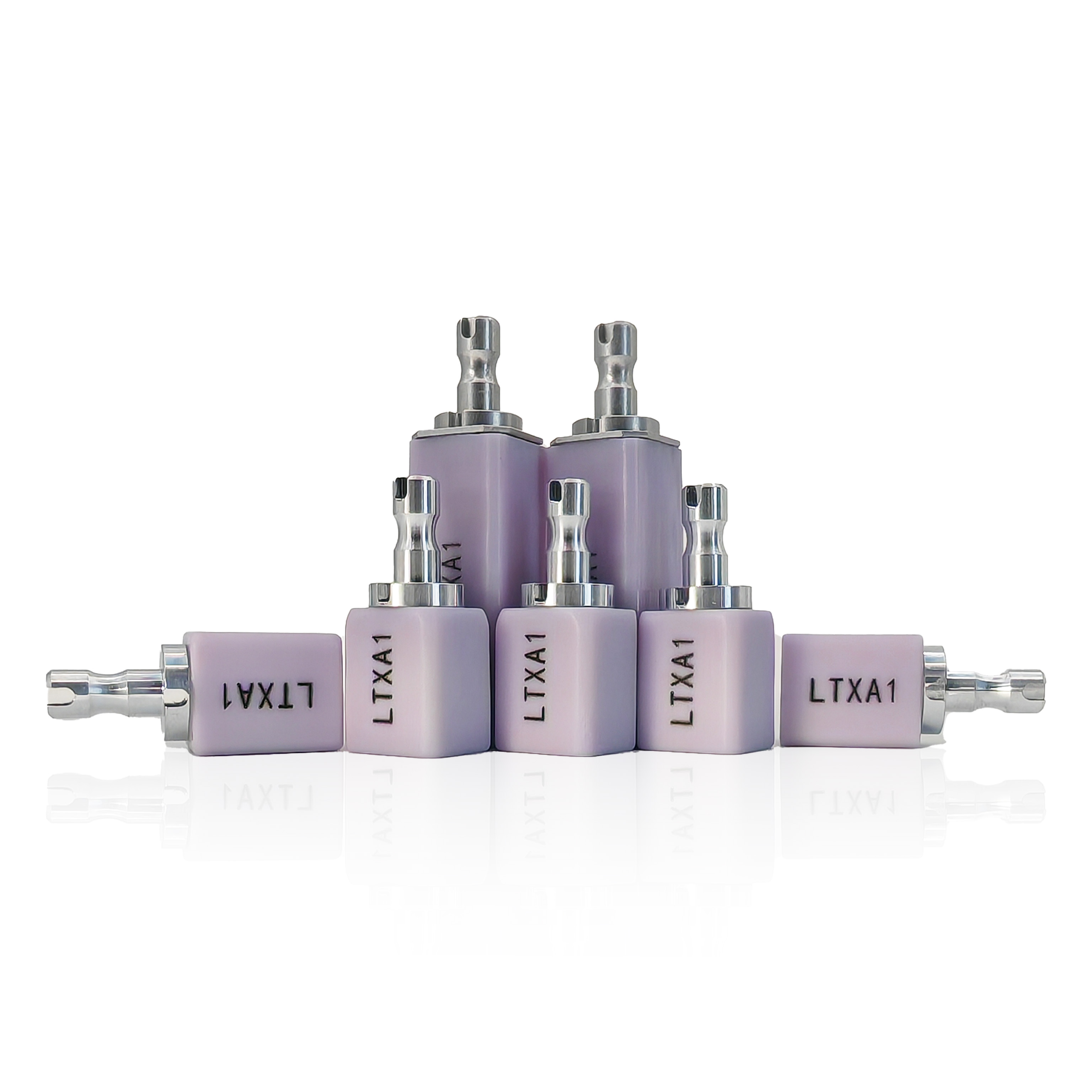
Selecting the right material for thin veneers represents one of the most critical decisions in modern cosmetic dentistry. Dental glass ceramic has emerged as the gold standard for this application, offering a unique combination of mechanical strength, optical properties, and clinical versatility. Practitioners and patients alike benefit from understanding why dental glass ceramic continues to outperform alternative materials in demanding veneer applications.
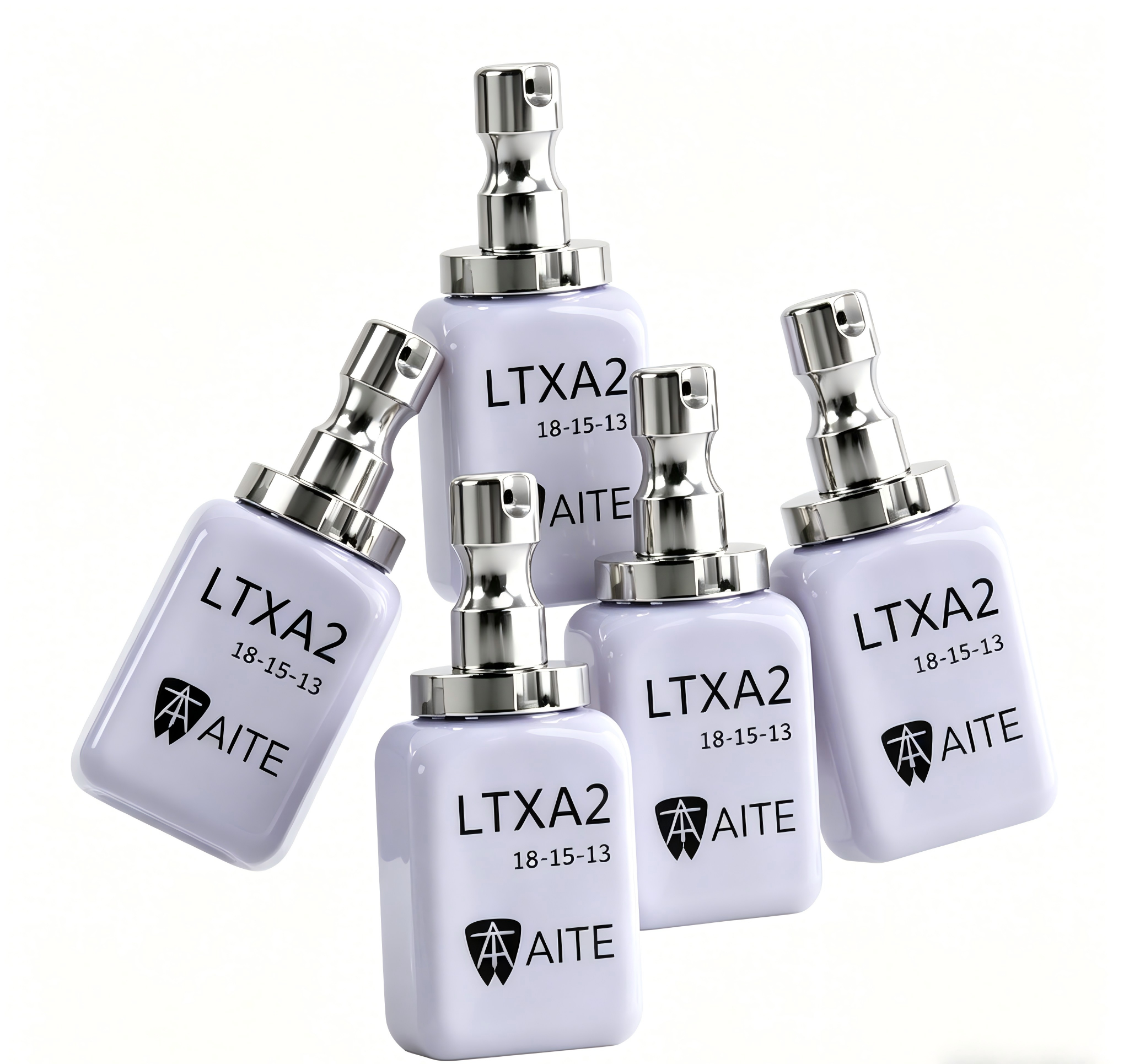
The rise of dental glass ceramic in veneer dentistry reflects years of material science advancement and clinical validation. Unlike traditional all-ceramic or composite options, dental glass ceramic delivers the thin veneer thickness that modern minimally invasive techniques demand. This material bridges the gap between esthetic excellence and structural reliability, making it the preferred choice for contemporary prosthodontic workflows.
Superior Strength-to-Thickness Ratio
Mechanical Properties of Dental Glass Ceramic
Dental glass ceramic possesses exceptional flexural strength despite its thin application profile. The crystalline structure within the glass matrix creates internal reinforcement that resists fracture even at reduced thicknesses. This strength advantage means practitioners can fabricate veneers at 0.5 to 1.0 millimeter thickness without compromising longevity. The microstructure of dental glass ceramic contains oriented crystals that deflect and arrest crack propagation, a mechanism unavailable in traditional feldspathic ceramics.
Clinical Longevity Data
Long-term clinical studies demonstrate that dental glass ceramic veneers maintain functional integrity for 15 to 20 years or longer under normal occlusal stress. This longevity directly results from the material's capacity to withstand thin cross-section fabrication. When compared to composite veneers, which require replacement every 5 to 8 years, or feldspathic ceramics, which demand greater bulk, dental glass ceramic veneers represent superior cost-effectiveness over the patient's lifespan. The reduced need for replacement translates into decreased cumulative treatment time and expense.
Esthetic Excellence and Natural Appearance
Optical Properties and Light Transmission
The translucency and refractive index of dental glass ceramic closely mimic natural tooth structure. This optical similarity eliminates the artificial appearance that sometimes accompanies other veneer materials. Dental glass ceramic allows light to penetrate and scatter through its thickness in a manner identical to enamel, creating a luminous quality that photographs and appears authentic in all viewing conditions. The material's ability to support subtle gradations in shade and translucency enables laboratories to produce restorations that match patient expectations precisely.
Stain Resistance and Color Stability
Unlike composite materials, dental glass ceramic resists discoloration from dietary pigments, smoking, and chemical exposure. The non-porous ceramic structure prevents absorption of chromogenic substances that typically compromise composite esthetics over time. Patients who select dental glass ceramic veneers benefit from stable color throughout the restoration's lifespan, eliminating the gradual darkening or surface discoloration common to other materials. This esthetic stability reinforces patient satisfaction and reduces the need for future esthetic corrections.
Minimally Invasive Preparation and Preservation
Reduced Tooth Structure Removal
The superior strength of dental glass ceramic enables ultra-thin veneer preparations that preserve maximum tooth structure. Because dental glass ceramic achieves its strength through material composition rather than thickness, clinicians can reduce tooth preparation to 0.3 to 0.5 millimeter on the facial surface, compared to 0.7 to 1.0 millimeter required for traditional ceramics. This conservation of natural tooth structure represents a fundamental advantage in minimally invasive dentistry philosophy. Preservation of tooth structure reduces pulpal trauma, maintains tooth vitality, and provides superior long-term prognosis compared to aggressive preparation techniques.
Adhesive Bonding and Clinical Integration
Dental glass ceramic veneers bond reliably to tooth structure using proven adhesive protocols. The ceramic surface etches predictably with hydrofluoric acid, creating microscopic porosity that ensures mechanical interlocking with resin cement. This bonded interface eliminates the microleakage and marginal discoloration associated with inadequately retentive materials. When clinicians apply dental glass ceramic veneers using contemporary adhesive techniques, the restoration becomes functionally integrated with the remaining tooth structure, creating a unified biomechanical unit that responds to stress as natural tooth would.
Biocompatibility and Clinical Safety
Biological Response and Soft Tissue Health
Dental glass ceramic exhibits excellent biocompatibility with oral tissues. The inert ceramic composition does not leach substances that irritate or trigger allergic responses in soft tissues. Gingival margins around dental glass ceramic restorations remain healthy and maintain normal inflammatory response patterns. Laboratory and clinical evidence confirms that properly finished margins of dental glass ceramic produce no adverse tissue reactions, supporting the material's use even in subgingival veneer extensions when clinical conditions justify such placement.
Longevity Without Biological Compromise
Because dental glass ceramic veneers remain stable throughout their service life, they do not degrade or release particles that accumulate in soft tissues. This stability contrasts sharply with composite veneers, which gradually wear, discolor, and shed polymeric particles that can trigger chronic inflammation. The biological stability of dental glass ceramic means that patients enjoy veneer benefits without incurring long-term inflammatory burden. This factor becomes increasingly important in extended treatment scenarios where patients might wear restorations for decades.
Practical Advantages for Clinical Workflow
Margin Definition and Adjustment
Dental glass ceramic enables precise margin definition that resists chipping during delivery and adjustment. The crystalline structure prevents the micro-fracturing that sometimes occurs when practitioners contour feldspathic ceramics. Margins finished on dental glass ceramic retain their definition through delivery and adjustment procedures, ensuring optimal esthetics and biological integration. This margin stability reduces the need for margin refinement or replacement during the early service period of the restoration.
Delivery and Long-Term Maintenance
Clinicians using dental glass ceramic follow standardized delivery protocols that have achieved predictable outcomes across diverse clinical situations. The material's consistent behavior simplifies clinical decision-making and reduces unpredictable complications. Unlike materials requiring special handling or processing considerations, dental glass ceramic integrates seamlessly into conventional prosthodontic laboratories and delivery workflows. This accessibility, combined with its superior performance characteristics, explains why dental glass ceramic has become the material of choice for demanding veneer applications worldwide.
FAQ
What thickness of dental glass ceramic is ideal for veneer applications?
The ideal thickness for dental glass ceramic veneers typically ranges from 0.5 to 1.0 millimeter on the facial surface. This thickness range provides optimal balance between esthetic transmittance and mechanical strength. Practitioners adjust thickness based on clinical factors including remaining tooth structure, preparation geometry, and specific patient esthetic demands. Even at these minimal thicknesses, dental glass ceramic maintains superior longevity compared to thicker restorations fabricated from other materials.
How does dental glass ceramic bonding compare to other veneer materials?
Dental glass ceramic bonds predictably using established adhesive protocols with hydrofluoric acid etching and silane coupling agents. The bond strength achieved with dental glass ceramic typically exceeds that of composite veneers and equals or surpasses traditional ceramic bonds. The bonded interface between dental glass ceramic and tooth structure creates excellent marginal integrity and eliminates microleakage. This superior adhesive performance contributes directly to the longevity advantage dental glass ceramic demonstrates in long-term clinical studies.
Can dental glass ceramic veneers be removed and replaced?
Yes, dental glass ceramic veneers can be removed carefully when replacement becomes necessary, though this process requires precision to avoid damaging underlying tooth structure. The adherent resin cement can be softened using controlled heat or chemical solvents to facilitate veneer separation. Because dental glass ceramic enables minimal tooth preparation, underlying tooth structure generally remains sufficient for fabrication of replacement restorations. The ability to retreat cases reliably supports the clinical decision to preserve tooth structure with ultra-thin veneer preparations.