
 EN
EN
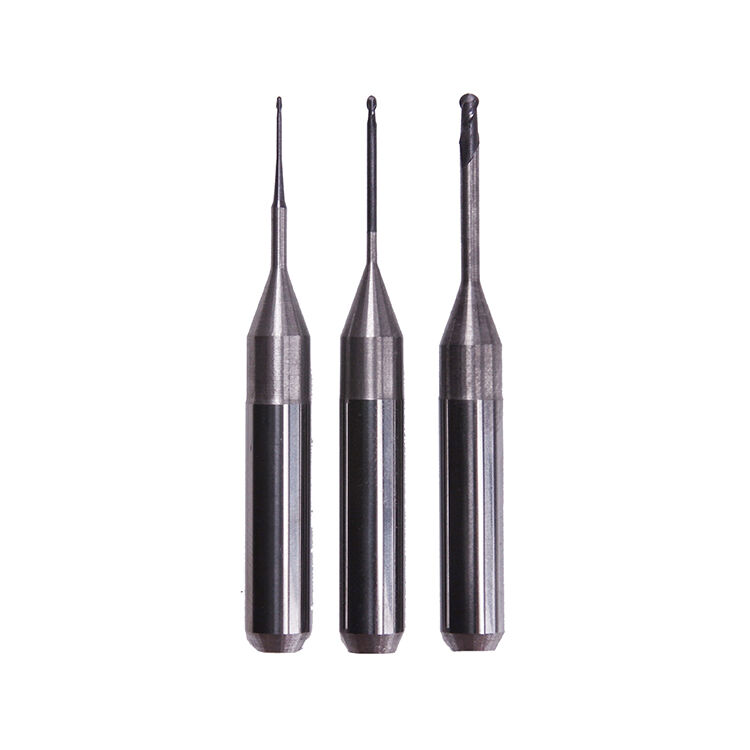
Selecting the right milling burs for dental applications is a critical decision that directly impacts the quality, precision, and efficiency of your dental restoration processes. The choice of milling burs affects everything from the surface finish of crowns and bridges to the overall production time in your dental laboratory. Understanding the key factors that influence milling bur selection ensures optimal machining performance and superior patient outcomes.
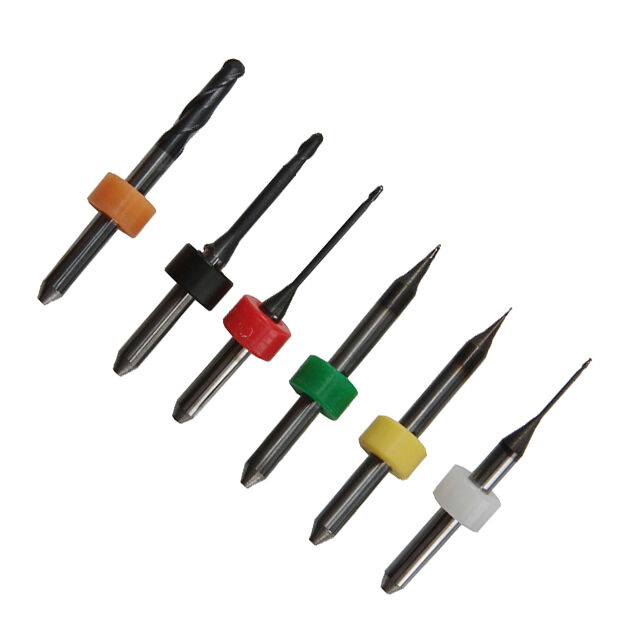
The selection process for milling burs involves evaluating multiple technical parameters including material compatibility, cutting geometry, coating properties, and machining requirements specific to your dental application. Each dental material presents unique challenges that require carefully matched cutting tools to achieve the desired results. Whether you are machining zirconia, titanium, PMMA, or ceramic materials, the proper selection methodology ensures consistent quality and extends tool life while minimizing production costs.
Understanding Material Compatibility in Milling Bur Selection
Ceramic and Zirconia Machining Requirements
When selecting milling burs for ceramic and zirconia dental restorations, the hardness and brittleness of these materials demand specialized cutting tool characteristics. Diamond-coated milling burs typically provide the best performance for these hard ceramic materials due to their superior abrasive properties and heat resistance. The cutting geometry must be designed to minimize chipping and ensure smooth material removal without generating excessive heat that could cause microcracks in the ceramic structure.
Zirconia presents particular challenges due to its extreme hardness and low thermal conductivity. Milling burs designed for zirconia applications feature specific rake angles and relief angles that optimize chip formation while reducing cutting forces. The selection of appropriate milling burs for zirconia requires consideration of the material's phase transformation properties, as excessive heat generation during machining can affect the final mechanical properties of the restoration.
The surface finish achieved with ceramic and zirconia materials heavily depends on the milling bur geometry and coating quality. Fine-grained diamond coatings on milling burs provide superior surface finishes while maintaining dimensional accuracy throughout the machining process. Understanding the relationship between cutting parameters and material properties ensures optimal selection for specific ceramic applications.
Metal Alloy Considerations
Dental metal alloys including titanium, cobalt-chromium, and precious metal alloys require different milling bur characteristics compared to ceramic materials. These materials exhibit higher ductility and different thermal properties that influence cutting tool selection. Carbide milling burs with appropriate coatings typically perform well on metal alloys, providing good tool life and surface finish quality.
Titanium machining presents unique challenges due to its tendency to work harden and its poor thermal conductivity. Milling burs for titanium applications require sharp cutting edges and specific coating materials that resist chemical reaction with the workpiece. The selection process must consider the titanium grade and its specific machining characteristics to ensure optimal performance and tool longevity.
Cobalt-chromium alloys commonly used in dental applications require milling burs with excellent wear resistance and thermal stability. These materials generate significant heat during machining, requiring cutting tools that maintain their cutting edge integrity under high-temperature conditions. The proper selection of milling burs for cobalt-chromium ensures consistent machining performance and predictable tool life.
Cutting Geometry and Performance Characteristics
Flute Configuration and Chip Evacuation
The flute configuration of milling burs significantly impacts their performance in dental machining applications. Two-flute designs provide excellent chip evacuation and are particularly effective for roughing operations where material removal rates are prioritized. The larger chip evacuation space in two-flute milling burs reduces the risk of chip packing and allows for higher feed rates in appropriate applications.
Three and four-flute milling burs offer superior surface finish quality due to increased cutting edge engagement with the workpiece. These configurations are ideal for finishing operations where surface quality is critical. The selection between different flute configurations depends on the specific machining operation, material type, and desired balance between productivity and surface finish quality.
Spiral flute designs in milling burs provide smoother cutting action and reduced vibration compared to straight flute configurations. This characteristic is particularly beneficial when machining thin dental restorations where vibration control is critical for dimensional accuracy. The helix angle of spiral flutes influences both cutting forces and chip formation, requiring careful selection based on material properties and machining requirements.
Cutting Edge Preparation and Coating Selection
Edge preparation techniques for milling burs significantly influence their performance and longevity in dental applications. Sharp cutting edges provide clean material removal and minimize heat generation, while slightly radiused edges offer improved tool life in challenging materials. The optimal edge preparation depends on the specific dental material being machined and the required surface finish quality.
Coating selection for milling burs involves evaluating the specific requirements of each dental application. Diamond coatings excel in ceramic and glass-ceramic materials, providing superior wear resistance and maintaining cutting performance throughout the tool life. PVD coatings including TiAlN and AlCrN offer excellent performance on metal alloys while providing good thermal barrier properties.
Uncoated carbide milling burs may be preferred for certain applications where coating adhesion or chemical compatibility is a concern. The selection between coated and uncoated tools depends on factors including material compatibility, required tool life, and economic considerations. Understanding the benefits and limitations of different coating options ensures optimal milling bur selection for specific dental applications.
Size Selection and Application-Specific Requirements
Diameter and Length Considerations
The diameter selection of milling burs directly influences machining efficiency, surface finish quality, and feature accessibility in dental restorations. Larger diameter milling burs provide increased rigidity and better surface finish in open areas, while smaller diameters enable machining of fine details and tight radii. The selection process must balance productivity requirements with the geometric constraints of the specific dental restoration design.
Length-to-diameter ratios in milling burs affect both cutting performance and tool deflection characteristics. Shorter milling burs offer superior rigidity and dimensional accuracy, particularly important in precision dental applications. However, longer tools may be necessary for deep cavity preparations or complex restoration geometries where access is limited.
The relationship between milling bur diameter and spindle speed capabilities must be considered during selection. Smaller diameter tools can operate at higher surface speeds, potentially improving material removal rates and surface finish quality. Understanding the optimal speed ranges for different milling bur sizes ensures efficient machining while preventing tool breakage or premature wear.
Shank Configuration and Machine Compatibility
Shank design compatibility with specific dental milling machines is a critical factor in milling bur selection. Standard shank configurations include straight shanks, taper shanks, and proprietary designs specific to certain machine manufacturers. Ensuring proper shank fit prevents tool slippage and maintains dimensional accuracy during machining operations.
Runout characteristics of milling burs depend on both the tool manufacturing quality and the machine spindle precision. High-quality milling burs with tight manufacturing tolerances minimize runout and contribute to superior surface finish and dimensional accuracy. The selection process should consider both tool quality and machine capabilities to achieve optimal results.
Balancing requirements become important for larger milling burs operating at high speeds. Properly balanced tools reduce vibration and extend both tool life and spindle bearing life. Understanding the balancing specifications for different milling bur sizes helps ensure smooth operation and consistent machining quality in dental applications.
Economic Factors and Tool Life Optimization
Cost-Performance Analysis
Economic evaluation of milling burs requires consideration of both initial tool cost and total cost of ownership throughout the tool life. Higher-quality milling burs with advanced coatings typically provide longer tool life and consistent performance, potentially reducing overall costs despite higher initial investment. The analysis should include factors such as machining time, rework costs, and production efficiency.
Tool life predictability enables better production planning and cost control in dental manufacturing operations. Milling burs with consistent performance characteristics allow for more accurate scheduling and inventory management. Understanding the expected tool life under specific operating conditions helps optimize replacement intervals and minimize production disruptions.
Volume considerations affect milling bur selection strategies, as high-volume operations may benefit from different tool characteristics compared to low-volume specialty applications. Bulk purchasing of standardized milling bur configurations can provide cost advantages while maintaining inventory efficiency. The selection process should align with production volume requirements and business objectives.
Quality Control and Performance Monitoring
Implementing quality control measures for milling bur performance helps optimize selection decisions and identify improvement opportunities. Regular monitoring of surface finish quality, dimensional accuracy, and tool wear patterns provides valuable feedback for refining selection criteria. This data-driven approach ensures continuous improvement in milling bur selection and application.
Establishing performance benchmarks for different milling bur types enables objective comparison and selection optimization. Metrics such as material removal rate, surface roughness, and tool life provide quantitative measures for evaluating different options. These benchmarks support informed decision-making and help justify investment in higher-performance milling burs when appropriate.
Documentation of milling bur performance across different applications creates valuable knowledge for future selection decisions. Recording tool performance data, operating parameters, and application-specific results builds an institutional knowledge base that improves selection accuracy over time. This systematic approach to performance tracking supports continuous optimization of milling bur selection processes.
FAQ
What factors determine the optimal cutting speed for different milling burs in dental applications?
The optimal cutting speed for milling burs depends on the tool diameter, material being machined, and coating type. Smaller diameter milling burs can operate at higher surface speeds, typically ranging from 15,000 to 40,000 RPM for dental applications. Ceramic materials generally require higher speeds with diamond-coated tools, while metal alloys may perform better at moderate speeds with carbide milling burs. Always consult manufacturer recommendations and adjust based on specific material properties and desired surface finish.
How do I determine when milling burs need replacement in dental manufacturing?
Milling bur replacement indicators include decreased surface finish quality, increased cutting forces, dimensional inaccuracies, and visible wear on cutting edges. Monitor for chipping of ceramic restorations, rough surface textures, or burning marks that indicate tool degradation. Establish replacement schedules based on actual tool life data from your specific applications rather than relying solely on manufacturer estimates, as operating conditions significantly influence tool longevity.
Can the same milling burs be used for both roughing and finishing operations in dental machining?
While some milling burs can handle both roughing and finishing operations, using dedicated tools for each operation typically provides better results. Roughing milling burs feature aggressive geometries for rapid material removal, while finishing tools prioritize surface quality and dimensional accuracy. For optimal results, use coarser milling burs for material removal and finer tools for final surface preparation, adjusting cutting parameters appropriately for each operation.
What safety considerations should be followed when selecting and using milling burs for dental applications?
Safety considerations include ensuring proper tool clamping to prevent ejection, using appropriate personal protective equipment including eye protection and dust masks, and maintaining adequate ventilation systems for dust control. Select milling burs appropriate for your machine's speed and power capabilities to prevent tool breakage. Follow manufacturer guidelines for maximum operating speeds and feed rates, and regularly inspect tools for damage or excessive wear that could lead to failure during operation.
Table of Contents
- Understanding Material Compatibility in Milling Bur Selection
- Cutting Geometry and Performance Characteristics
- Size Selection and Application-Specific Requirements
- Economic Factors and Tool Life Optimization
-
FAQ
- What factors determine the optimal cutting speed for different milling burs in dental applications?
- How do I determine when milling burs need replacement in dental manufacturing?
- Can the same milling burs be used for both roughing and finishing operations in dental machining?
- What safety considerations should be followed when selecting and using milling burs for dental applications?