
 EN
EN
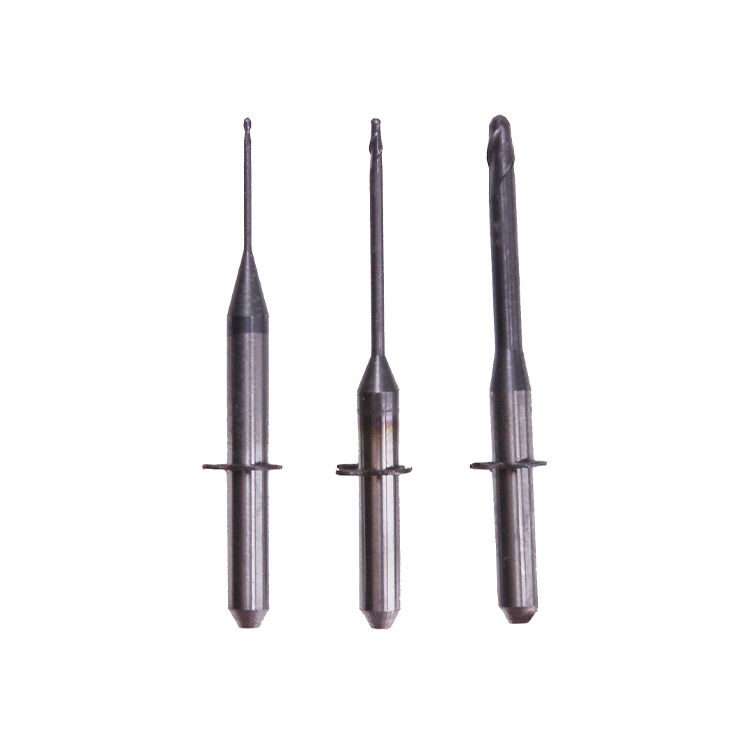
The lifespan of milling burs represents one of the most critical factors affecting operational efficiency and cost control in dental laboratories and manufacturing facilities. Understanding what influences the durability and performance longevity of these precision cutting tools enables practitioners to make informed decisions about material selection, operational parameters, and maintenance protocols that directly impact their bottom line.
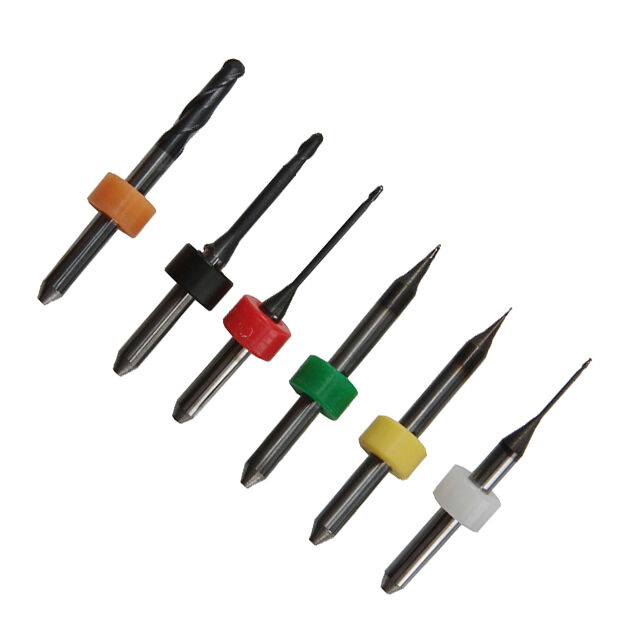
Multiple interconnected factors determine how long milling burs will maintain their cutting effectiveness before requiring replacement. These variables range from material composition and manufacturing quality to operational conditions and maintenance practices. By examining each contributing element systematically, facilities can optimize their milling operations to extend tool life while maintaining consistent output quality.
Material Properties and Manufacturing Quality
Carbide Grade Selection and Tool Geometry
The fundamental lifespan characteristics of milling burs begin with the carbide grade used in their construction. Different tungsten carbide compositions offer varying levels of hardness, toughness, and wear resistance that directly correlate with tool longevity. Fine-grain carbide typically provides superior edge retention and extended cutting life compared to coarser grain structures, particularly when machining hard dental materials like zirconia or titanium alloys.
Tool geometry significantly influences how stress distributes across the cutting edges during operation. Milling burs with optimized rake angles, relief angles, and helix configurations experience more even wear patterns and reduced stress concentrations. The number of flutes also affects lifespan, with fewer flutes generally providing better chip evacuation but potentially reducing surface finish quality over time.
Manufacturing precision directly impacts initial tool quality and subsequent wear characteristics. Milling burs produced with tight tolerances and consistent edge preparation exhibit more predictable wear patterns and longer service life. Surface treatments and coatings applied during manufacturing can substantially extend tool life by reducing friction and providing additional wear resistance.
Coating Technologies and Surface Treatments
Advanced coating systems represent one of the most effective methods for extending the operational lifespan of milling burs. Titanium nitride, titanium aluminum nitride, and diamond-like carbon coatings create protective barriers that reduce wear while maintaining sharp cutting edges. These coatings also provide thermal barriers that help manage heat buildup during high-speed operations.
The adhesion quality between coating layers and the carbide substrate critically affects coating durability. Poor adhesion leads to premature coating failure and accelerated tool wear. High-quality coating processes ensure strong metallurgical bonds that maintain integrity throughout the tool's operational life, providing consistent protection against wear mechanisms.
Coating thickness must be carefully optimized to balance protection with cutting edge sharpness. Excessive coating thickness can dull cutting edges and reduce initial cutting performance, while insufficient thickness fails to provide adequate protection. The optimal coating specification depends on the specific materials being machined and operational parameters.
Operational Parameters and Machining Conditions
Cutting Speed and Feed Rate Optimization
Cutting speed represents one of the most influential factors affecting the lifespan of milling burs. Excessive spindle speeds generate heat that accelerates tool wear through thermal degradation of cutting edges and potential coating breakdown. Conversely, insufficient cutting speeds can cause work hardening in certain materials and lead to premature tool failure through excessive cutting forces.
Feed rates must be balanced with cutting speeds to maintain optimal chip formation and heat management. Too aggressive feed rates increase cutting forces beyond tool design limits, causing chipping and premature failure. Insufficient feed rates can result in rubbing rather than cutting, generating excessive heat and accelerating wear through thermal mechanisms rather than normal abrasive wear.
The relationship between cutting speed, feed rate, and material properties determines the thermal and mechanical stress environment experienced by milling burs. Optimization requires understanding these interactions to establish parameters that maximize material removal rates while minimizing tool stress and extending operational lifespan.
Coolant Systems and Heat Management
Effective coolant delivery systems play a crucial role in extending the lifespan of milling burs by managing cutting zone temperatures and facilitating chip evacuation. Inadequate coolant flow allows heat buildup that softens cutting edges and accelerates wear through thermal mechanisms. Proper coolant selection ensures compatibility with both the workpiece material and tool coatings while providing optimal lubrication and cooling effects.
Coolant pressure and flow direction significantly impact cooling effectiveness and chip removal efficiency. High-pressure coolant delivery helps maintain clean cutting conditions by preventing chip recutting and built-up edge formation. Mist cooling systems can provide adequate thermal management for lighter cuts while reducing coolant consumption and cleanup requirements.
The timing of coolant application affects thermal cycling stress on milling burs. Consistent coolant flow maintains stable temperatures throughout the cutting cycle, while intermittent cooling creates thermal shock conditions that can lead to microcracks and premature tool failure. Continuous coolant application generally provides the longest tool life in production environments.
Workpiece Material Characteristics
Material Hardness and Abrasiveness
The hardness of workpiece materials directly correlates with the wear rate experienced by milling burs during machining operations. Harder materials like zirconia and certain metal alloys generate higher cutting forces that stress tool edges and accelerate mechanical wear. Understanding material hardness properties allows for appropriate tool selection and parameter optimization to maximize tool life.
Abrasiveness varies significantly among dental materials, with some ceramics containing particles that act as abrasive media during cutting. These abrasive constituents increase wear rates through micro-abrasion mechanisms that gradually erode cutting edges. The distribution and size of abrasive particles within the workpiece material influence wear patterns and overall tool lifespan.
Material microstructure affects how milling burs interact with the workpiece during cutting. Homogeneous materials typically produce predictable wear patterns, while materials with varying hardness regions can cause irregular tool loading and accelerated localized wear. Understanding these microstructural characteristics enables better prediction of tool life and optimization of cutting strategies.
Thermal Properties and Heat Generation
The thermal conductivity of workpiece materials significantly influences heat generation and distribution during milling operations. Materials with low thermal conductivity tend to retain heat in the cutting zone, creating higher temperatures that accelerate tool wear. High thermal conductivity materials help dissipate cutting heat more effectively, reducing thermal stress on milling burs.
Specific heat capacity determines how much thermal energy is required to raise material temperature during cutting. Materials requiring significant energy for thermal processing generate more heat during machining, creating challenging conditions for tool longevity. Understanding these thermal characteristics allows for appropriate parameter selection to minimize heat generation.
Thermal expansion coefficients affect dimensional stability during machining and can influence cutting forces as materials expand with temperature increases. Variable thermal expansion can create changing cutting conditions throughout the machining cycle, affecting tool loading and wear patterns on milling burs.
Machine Tool Conditions and Setup Parameters
Spindle Accuracy and Vibration Control
Spindle runout represents one of the most critical machine-related factors affecting the lifespan of milling burs. Excessive runout causes uneven loading across cutting edges, leading to premature wear of individual flutes and reduced overall tool life. High-precision spindles with minimal runout ensure even cutting edge engagement and maximize tool utilization efficiency.
Machine vibration creates dynamic loading conditions that stress milling burs beyond their design parameters. Vibration can originate from various sources including unbalanced spindles, worn bearings, or insufficient machine rigidity. Controlling vibration through proper machine maintenance and setup procedures significantly extends tool life and improves surface finish quality.
Tool holder quality directly impacts the connection between milling burs and the spindle system. Worn or damaged tool holders introduce runout and reduce gripping force, leading to tool movement during cutting operations. High-quality collet systems maintain precise tool positioning and secure clamping throughout the cutting cycle.
Workholding and Fixturing Stability
Workpiece fixturing stability affects cutting forces transmitted to milling burs during machining operations. Inadequate workholding allows workpiece movement that creates variable cutting loads and can cause tool breakage or accelerated wear. Proper fixturing distributes clamping forces evenly while maintaining workpiece accessibility for complete machining operations.
Fixture rigidity influences dynamic response characteristics during cutting operations. Flexible fixturing systems can amplify machine vibrations and create chatter conditions that reduce tool life and surface quality. Rigid fixturing maintains stable cutting conditions that promote even tool wear and extended operational lifespan.
The design of workholding systems must accommodate thermal expansion during extended machining cycles. Fixtures that restrict thermal expansion can create internal stresses that affect cutting conditions and tool loading patterns. Properly designed fixtures allow controlled thermal expansion while maintaining workpiece position accuracy.
Maintenance Practices and Tool Management
Inspection and Monitoring Protocols
Regular inspection of milling burs enables early detection of wear patterns and potential failure modes before they impact production quality or cause catastrophic tool failure. Visual inspection under magnification reveals edge chipping, coating wear, and built-up edge formation that indicate specific wear mechanisms. Systematic documentation of tool condition provides valuable data for optimizing replacement intervals and operational parameters.
Dimensional measurement of critical tool features tracks wear progression and helps establish predictive replacement schedules. Measuring cutting diameter, edge condition, and overall tool geometry provides quantitative data for tool life analysis. This information enables data-driven decisions about tool utilization and replacement timing to maximize productivity while maintaining quality standards.
Monitoring cutting forces and acoustic emissions during machining operations can provide real-time feedback about tool condition and wear progression. Advanced monitoring systems detect subtle changes in cutting conditions that indicate developing tool wear or damage. This technology enables proactive tool management strategies that prevent quality issues and minimize unplanned downtime.
Storage and Handling Procedures
Proper storage conditions protect milling burs from environmental factors that can degrade performance before use. Moisture control prevents corrosion that can affect coating integrity and edge sharpness. Temperature-controlled storage maintains dimensional stability and prevents thermal stress that could cause microcracking in carbide tools.
Handling procedures during tool changes and setup operations significantly impact tool life by preventing damage from impacts or improper installation. Using appropriate tool handling equipment reduces the risk of edge chipping or coating damage during transport and installation. Training operators in proper handling techniques ensures consistent tool installation and reduces premature failure rates.
Tool organization systems facilitate inventory management and ensure first-in-first-out usage patterns that prevent extended storage of unused tools. Proper labeling and tracking systems document tool history and usage patterns to optimize replacement schedules. Organized storage also reduces handling time and the risk of tool damage during retrieval operations.
FAQ
How often should milling burs be replaced in a typical dental laboratory environment?
The replacement frequency for milling burs depends on several factors including material types processed, cutting parameters, and quality requirements. In typical dental laboratory applications processing zirconia and other ceramics, quality milling burs may last between 50-200 machining cycles depending on part complexity and operational conditions. Establishing baseline tool life data through systematic monitoring enables laboratories to develop predictive replacement schedules that balance productivity with quality consistency.
What are the most common signs that indicate milling burs need replacement?
Key indicators of milling bur wear include increased surface roughness on machined parts, dimensional inaccuracy, excessive cutting forces evidenced by spindle load increases, visible edge chipping under magnification, and increased machining times for standard operations. Coating wear becomes apparent through color changes on coated tools, while built-up edge formation creates irregular cutting action and poor surface finishes. Monitoring these indicators enables timely tool replacement before quality issues develop.
Can improper coolant selection significantly reduce milling bur lifespan?
Yes, improper coolant selection can substantially reduce tool life through several mechanisms. Incompatible coolants may chemically attack tool coatings, reducing their protective effectiveness. Insufficient cooling capacity allows excessive heat buildup that accelerates wear through thermal mechanisms. Conversely, some coolants can cause thermal shock when applied inconsistently. The optimal coolant provides adequate cooling, lubrication, and chip evacuation while maintaining compatibility with both tool materials and workpiece substances.
How does cutting speed affect the balance between productivity and tool life?
Cutting speed optimization requires balancing material removal rates against tool wear rates to achieve optimal cost per part produced. Higher cutting speeds increase productivity but typically reduce tool life through increased thermal stress and accelerated wear mechanisms. However, very low cutting speeds can actually reduce tool life through work hardening effects and poor chip formation. The optimal cutting speed depends on specific material properties, tool characteristics, and economic considerations including tool costs versus production throughput requirements.
Table of Contents
- Material Properties and Manufacturing Quality
- Operational Parameters and Machining Conditions
- Workpiece Material Characteristics
- Machine Tool Conditions and Setup Parameters
- Maintenance Practices and Tool Management
-
FAQ
- How often should milling burs be replaced in a typical dental laboratory environment?
- What are the most common signs that indicate milling burs need replacement?
- Can improper coolant selection significantly reduce milling bur lifespan?
- How does cutting speed affect the balance between productivity and tool life?