
 EN
EN
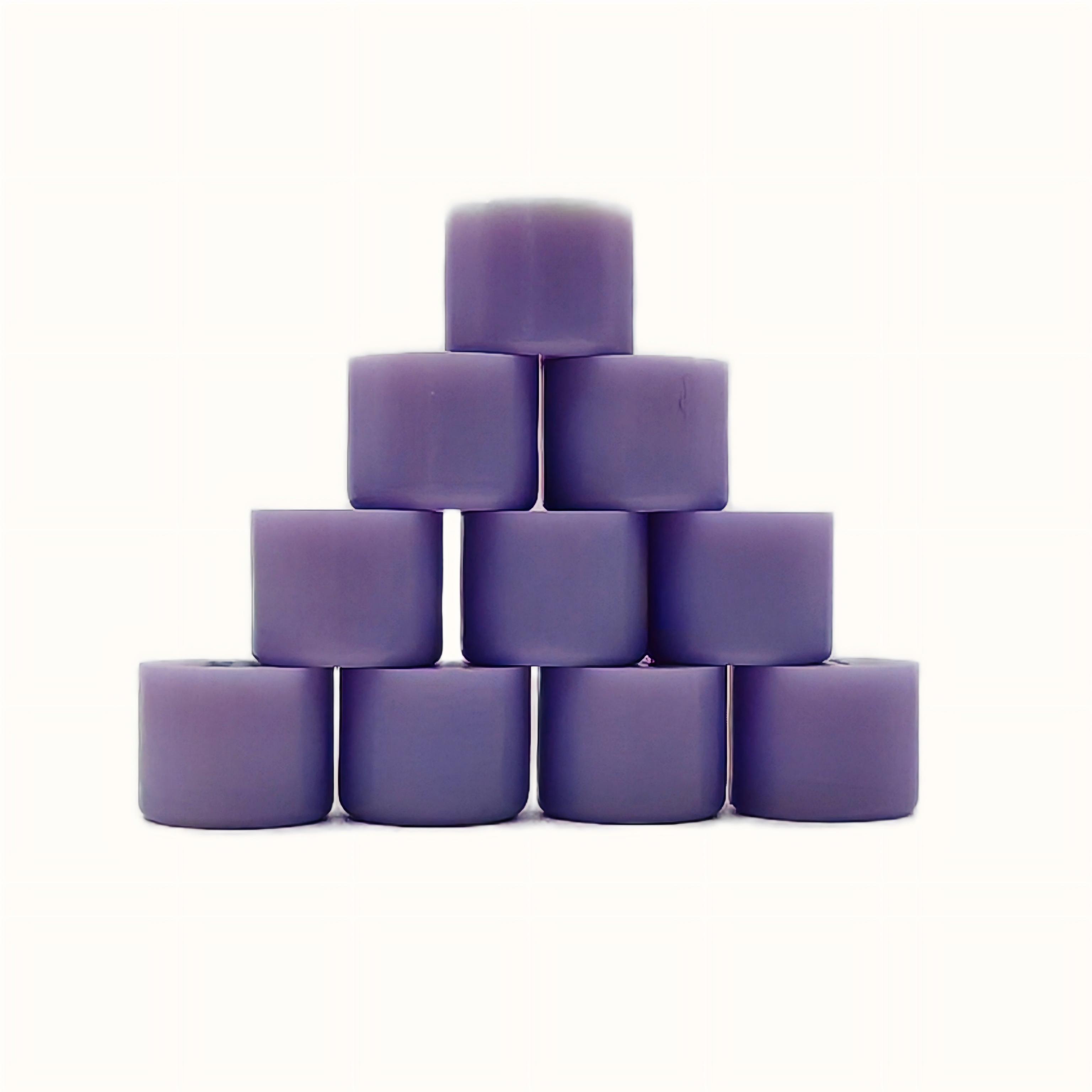
A dental press ingot represents a fundamental component in modern dental laboratory workflows, serving as the raw material foundation for creating high-quality ceramic restorations. These specialized ceramic blocks undergo controlled heating and pressing processes to form precise dental prosthetics that meet both functional and aesthetic requirements in contemporary dentistry.
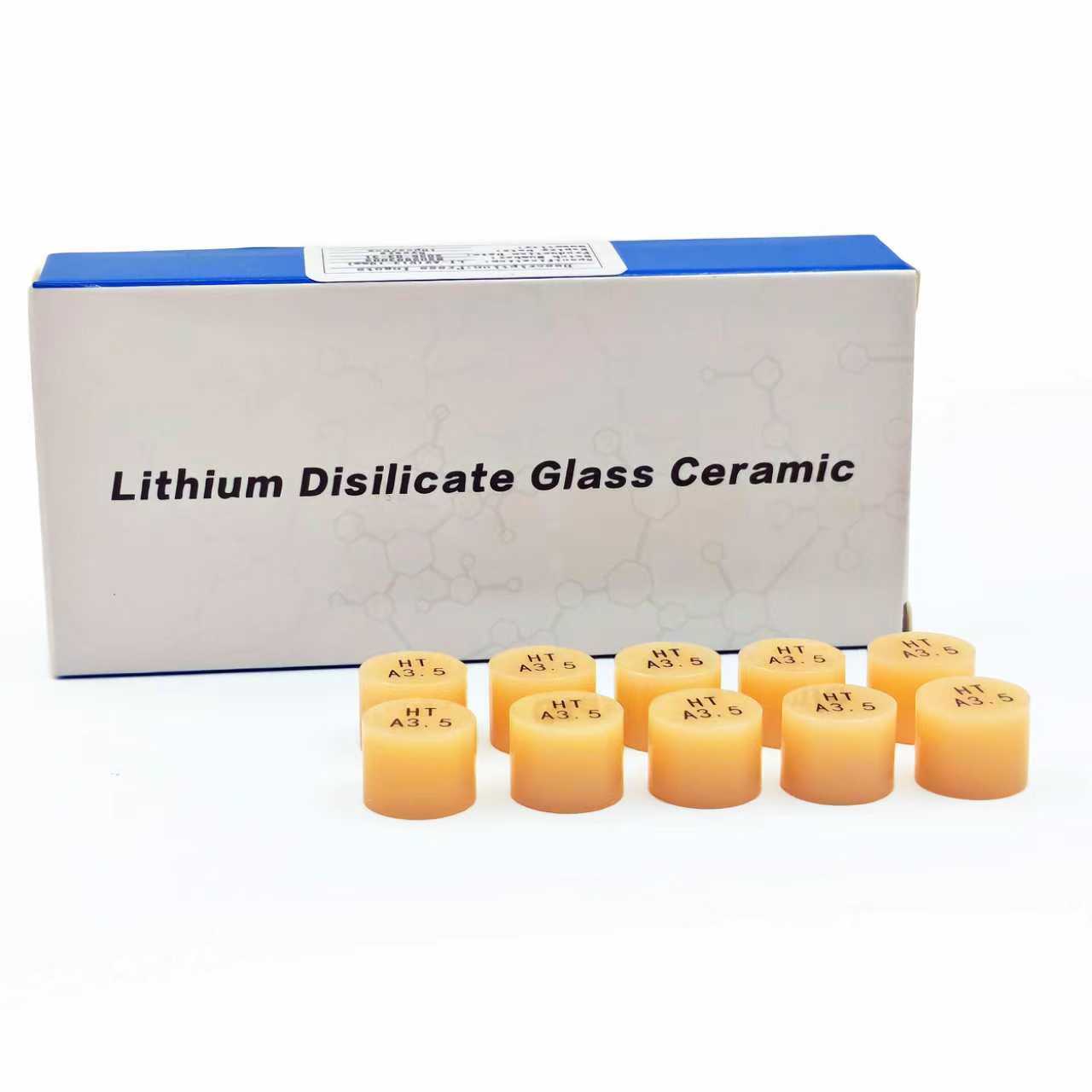
Understanding the specific applications of dental press ingots in laboratory settings requires examining their role across multiple restoration categories, processing techniques, and quality standards. Laboratory technicians rely on these ceramic materials to deliver predictable results while maintaining efficient production workflows that support clinical success and patient satisfaction.
Primary Applications in Crown and Bridge Fabrication
Single Crown Production Processes
The dental press ingot serves as the primary material source for creating individual crowns through heat-press ceramic technology. Laboratory technicians select specific ingot compositions based on the restoration's location, aesthetic requirements, and functional demands within the patient's oral environment.
Each dental press ingot contains carefully formulated ceramic particles that maintain structural integrity during the pressing cycle while achieving optimal translucency and color matching. The ingot's composition directly influences the final crown's mechanical properties, including fracture resistance and wear characteristics essential for long-term clinical performance.
Processing workflows typically involve heating the dental press ingot to specific temperatures ranging from 1050°C to 1180°C, depending on the ceramic system requirements. This controlled heating transforms the ingot material into a malleable state that conforms precisely to the prepared wax pattern or investment mold configuration.
Multi-Unit Bridge Construction Methods
Bridge fabrication utilizing dental press ingots requires careful planning to ensure consistent material properties across multiple connected units. Laboratory technicians must account for thermal expansion coefficients and cooling rates that affect dimensional stability throughout the pressing sequence.
The dental press ingot selection for bridge work often emphasizes strength characteristics over maximum translucency, particularly for posterior applications where masticatory forces exceed those experienced by anterior restorations. Material specifications must support the increased span lengths and connector dimensions typical in bridge designs.
Advanced laboratory protocols incorporate multiple dental press ingot applications within single bridge frameworks, allowing technicians to optimize aesthetic zones while maintaining structural requirements in high-stress areas. This approach maximizes both functional performance and visual integration with surrounding natural dentition.
Veneer and Laminate Production Applications
Anterior Aesthetic Restoration Development
Dental press ingots designed for veneer applications contain specialized formulations that prioritize optical properties while maintaining adequate strength for thin-section restorations. These materials enable laboratory technicians to achieve natural tooth-like translucency and fluorescence characteristics.
The pressing process for veneers requires precise control over ingot heating rates and cooling cycles to prevent internal stress development that could compromise the restoration's longevity. Each dental press ingot undergoes specific thermal processing protocols that optimize material flow while preserving aesthetic properties.
Laboratory workflows incorporate color matching protocols that utilize the dental press ingot's inherent shade characteristics as the foundation for achieving seamless integration with adjacent teeth. Surface texturing and characterization techniques build upon the ingot's base properties to create individualized aesthetic outcomes.
Minimal Preparation Restoration Techniques
Modern dental press ingot formulations support ultra-thin restoration designs that preserve maximum tooth structure while delivering excellent aesthetic results. These applications require ingots with enhanced flexural strength properties that resist fracture under minimal thickness conditions.
Processing techniques for minimal preparation restorations involve modified pressing parameters that account for reduced material thickness and altered stress distribution patterns. The dental press ingot must maintain homogeneous properties throughout the pressing cycle to ensure consistent performance across varying restoration geometries.
Quality control measures for thin-section applications focus on detecting internal defects or inhomogeneities within the dental press ingot that could propagate into restoration failures. Advanced inspection protocols verify material integrity before commitment to final processing stages.
Specialized Restoration Categories and Material Selection
Implant-Supported Prosthetic Applications
Implant restorations utilizing dental press ingots require materials that accommodate the unique biomechanical environment created by osseointegrated titanium fixtures. The ceramic properties must support proper load distribution while maintaining long-term stability under cyclic loading conditions.
Laboratory protocols for implant-supported restorations incorporate specific dental press ingot selections based on restoration design, patient factors, and clinical requirements. Material choices consider factors such as opposing dentition characteristics, parafunctional habits, and maintenance accessibility.
Processing considerations for implant applications include thermal compatibility with titanium components and ceramic materials used in implant abutments. The dental press ingot formulation must support reliable bonding interfaces that maintain integrity throughout the restoration's service life.
Complex Rehabilitation Framework Development
Full-mouth rehabilitation projects utilizing dental press ingots require comprehensive material planning that addresses multiple restoration types within coordinated treatment protocols. Laboratory technicians must ensure consistent aesthetic and functional properties across diverse restoration categories.
Material selection protocols consider the interaction between different dental press ingot formulations used throughout the rehabilitation sequence. Compatibility factors include thermal expansion characteristics, surface properties, and long-term stability under varying oral conditions.
Quality assurance measures for complex rehabilitations involve systematic testing of dental press ingot batches to verify consistent properties throughout the treatment timeline. Material traceability protocols ensure reproducible results across multiple laboratory sessions and technician assignments.
Quality Control and Processing Standards
Material Inspection and Verification Protocols
Laboratory quality systems incorporate comprehensive inspection procedures for dental press ingots that verify material integrity before processing initiation. Visual examination protocols identify surface defects, contamination, or storage-related degradation that could affect restoration quality.
Batch documentation requirements track dental press ingot lot numbers, expiration dates, and storage conditions throughout the laboratory workflow. This traceability system supports quality investigations and ensures consistent material performance across multiple restoration projects.
Testing protocols verify key properties of each dental press ingot batch, including color stability, thermal behavior, and mechanical characteristics that influence final restoration performance. These measures ensure compliance with manufacturer specifications and clinical requirements.
Processing Parameter Optimization Methods
Standardized processing protocols for dental press ingots establish consistent thermal profiles, pressing forces, and cooling sequences that optimize material properties while minimizing processing variability. These parameters require regular calibration and verification procedures.
Equipment maintenance programs ensure reliable dental press ingot processing through systematic inspection and calibration of furnaces, pressing units, and related laboratory equipment. Proper equipment function directly impacts the quality and consistency of ceramic restorations.
Documentation systems record processing parameters for each dental press ingot application, creating reference databases that support troubleshooting efforts and process improvement initiatives. This information enables laboratories to refine techniques and achieve optimal restoration outcomes.
FAQ
What types of restorations can be made using dental press ingots?
Dental press ingots are primarily used to create crowns, bridges, veneers, laminates, and implant-supported restorations. These ceramic materials can be processed into both anterior and posterior restorations, with specific ingot formulations optimized for different clinical applications based on strength requirements and aesthetic demands.
How do laboratories select the appropriate dental press ingot for specific cases?
Laboratory technicians select dental press ingots based on factors including restoration location, aesthetic requirements, functional demands, and patient-specific considerations. The selection process considers material strength properties, translucency levels, color matching requirements, and compatibility with existing restorations or opposing dentition.
What processing equipment is required for working with dental press ingots?
Processing dental press ingots requires specialized furnaces capable of precise temperature control, pressing units that apply consistent force during the forming process, and investment materials suitable for high-temperature applications. Additional equipment includes wax elimination furnaces, cooling chambers, and quality control instruments for verification procedures.
How long do restorations made from dental press ingots typically last?
Restorations fabricated from high-quality dental press ingots typically demonstrate clinical longevity ranging from 10 to 20 years or more, depending on factors such as restoration design, material selection, processing quality, patient oral hygiene, and functional demands. Proper laboratory techniques and appropriate material selection significantly influence restoration durability and long-term success rates.