
 EN
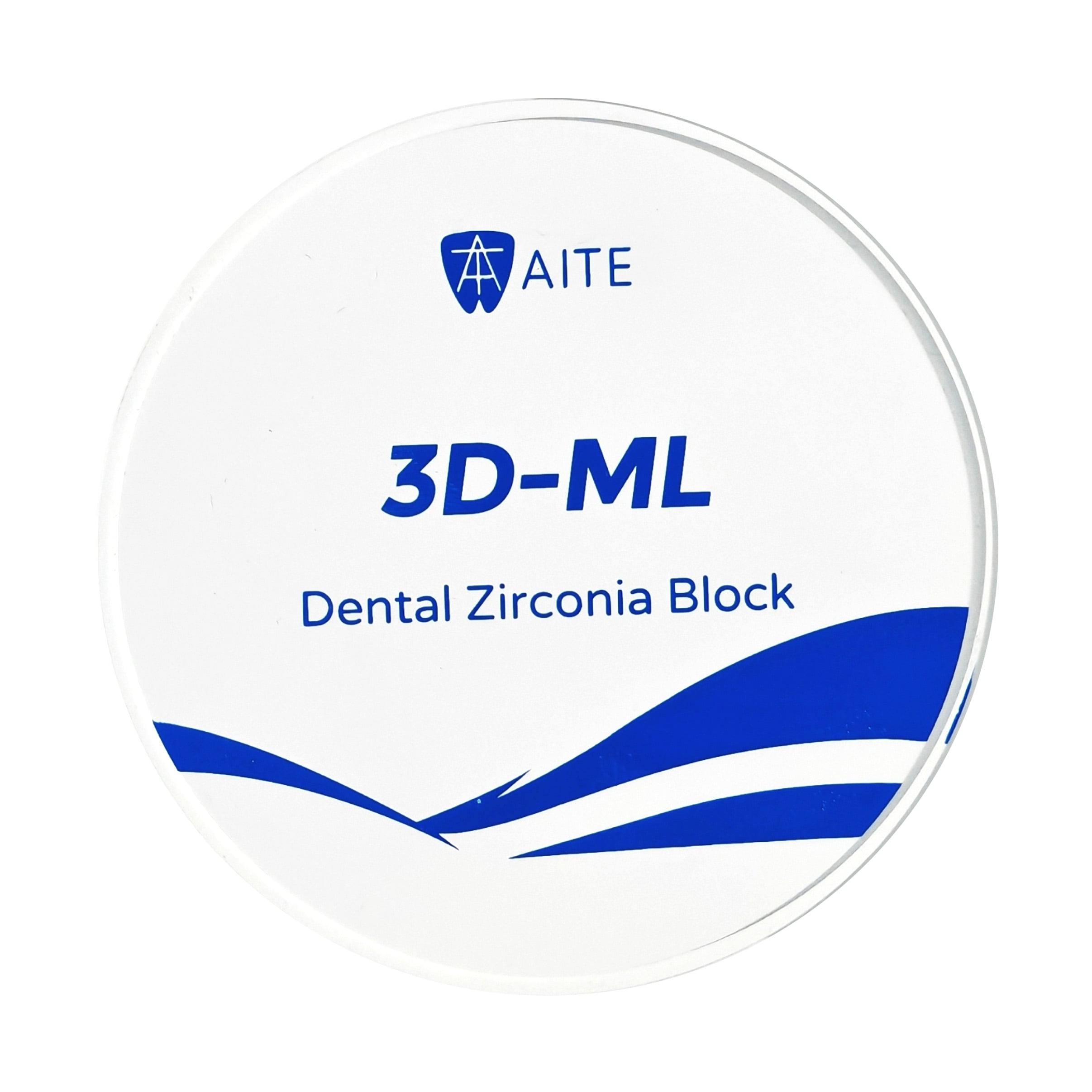
Sourcing high quality dental zirconia is one of the most critical decisions a dental laboratory can make. The material you choose directly impacts the strength, esthetics, and longevity of the final restoration. Whether you are a seasoned lab manager or new to dental zirconia procurement, understanding how to evaluate and source premium dental zirconia will significantly improve your clinical outcomes and operational efficiency. This guide walks you through the essential factors that distinguish exceptional dental zirconia from mediocre alternatives, ensuring your restorations meet the highest standards.
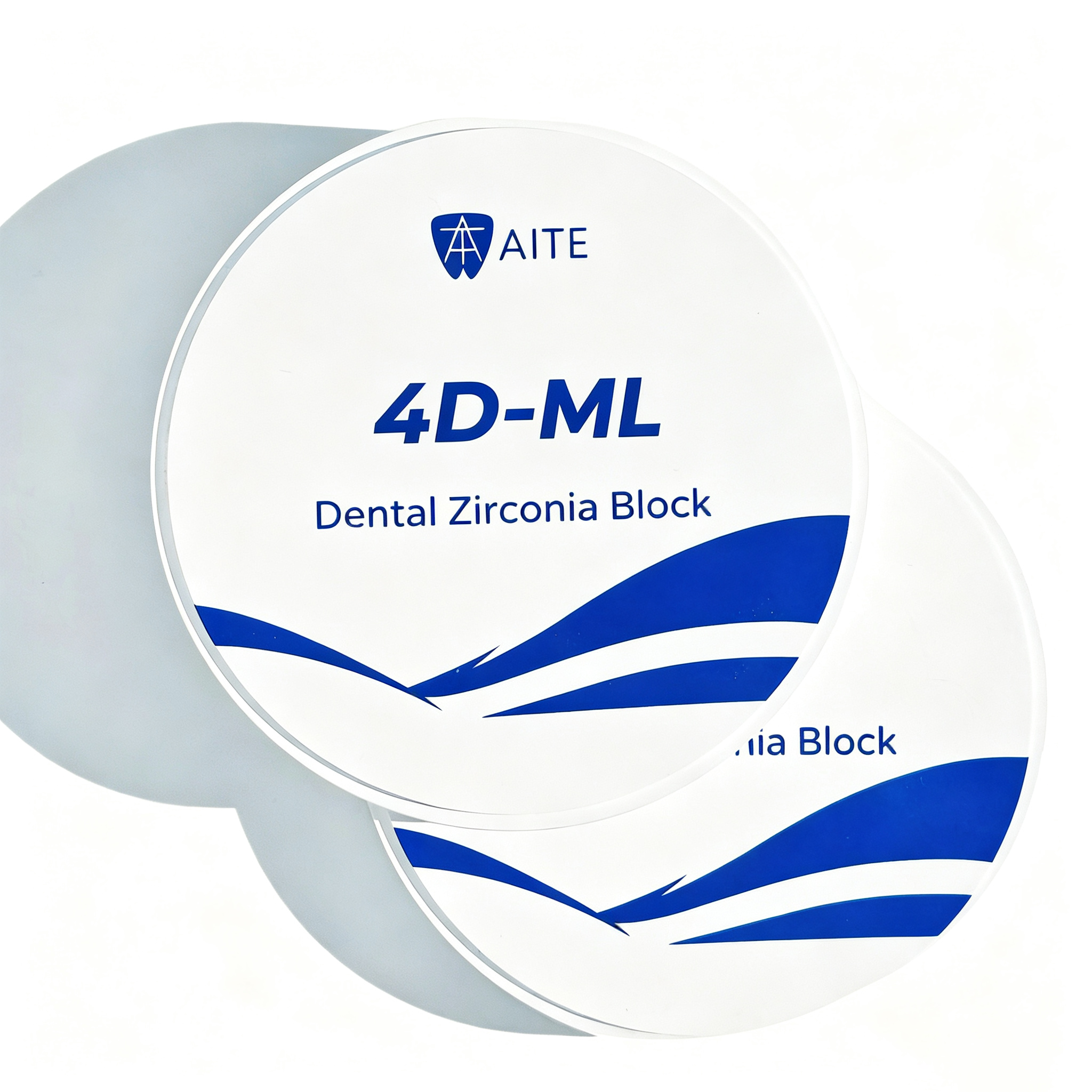
The quality of dental zirconia directly correlates with restoration performance. Premium dental zirconia exhibits superior flexural strength, optimal translucency, and consistent physical properties across batches. When you invest in sourcing high quality dental zirconia, you reduce the risk of chipping, fracturing, or color instability after delivery to patients. Understanding material specifications, manufacturing standards, and supplier credentials allows you to make informed procurement decisions that protect your reputation and reduce costly remakes.
Understanding Dental Zirconia Material Standards
Material Composition and Crystal Structure
High quality dental zirconia is primarily composed of yttria-stabilized zirconia (YSZ), which provides the ideal balance of strength and esthetics. The stabilization process involves adding yttrium oxide to zirconia, which prevents phase transformation and maintains the material's physical properties over time. When sourcing dental zirconia, verify that your suppliers use pharmaceutical-grade yttrium and maintain precise stabilization ratios. The crystal structure of dental zirconia determines its toughness and fracture resistance, making composition verification essential during supplier evaluation. Inferior dental zirconia may contain impurities or inconsistent yttrium distribution, leading to unpredictable performance in clinical use.
Flexural Strength and Mechanical Properties
Premium dental zirconia typically exhibits flexural strength values between 900 and 1200 megapascals, far exceeding the requirements for most dental applications. When you source dental zirconia, request certified test reports showing flexural strength, hardness, and fracture toughness measurements. These mechanical properties directly influence whether your restorations can withstand the masticatory forces in posterior regions. Dental zirconia sourcing requires comparing mechanical specifications across suppliers to identify materials that consistently exceed minimum standards. Lower-grade dental zirconia often shows strength variations batch-to-batch, creating unpredictable clinical results and increasing remake rates in your laboratory.
Evaluating Supplier Credentials and Certification
International Quality Standards and Certifications
Reliable suppliers of dental zirconia maintain ISO certifications, particularly ISO 13823 for dental ceramics and ISO 9001 for quality management systems. When sourcing high quality dental zirconia, prioritize manufacturers who undergo regular third-party audits and publish transparent quality certificates. Dental zirconia producers should maintain detailed documentation of material composition, manufacturing parameters, and batch testing results. Certification demonstrates that the supplier invests in quality control infrastructure and adheres to international dental material standards. Verifying dental zirconia supplier credentials protects your laboratory from counterfeit or substandard materials that could damage your clinical reputation.
Manufacturing Process Transparency
High quality dental zirconia originates from suppliers who maintain transparent manufacturing processes and share technical documentation. When sourcing dental zirconia, ask potential suppliers about their powder production methods, sintering temperatures, and quality control checkpoints. The manufacturing environment should maintain strict contamination controls to prevent material degradation during production. Dental zirconia blocks and discs require precise machining tolerances and consistent surface finishes, which only reputable manufacturers can guarantee. Suppliers who refuse to disclose manufacturing details or process specifications should raise red flags when sourcing dental zirconia for your laboratory.
Practical Sourcing Strategies and Selection Criteria
Testing and Trial Evaluation
Before committing to large orders, source small quantities of dental zirconia from potential suppliers for hands-on testing. Mill samples of dental zirconia blocks to evaluate machinability, surface finish quality, and whether the material exhibits chipping during preparation. Test the sintering characteristics by processing dental zirconia samples through your standard laboratory protocols to observe shrinkage consistency and color stability. When sourcing dental zirconia, prioritize suppliers who offer sample programs without excessive minimum purchase requirements. Trial evaluation of dental zirconia material prevents costly mistakes and ensures the selected supplier's product integrates seamlessly with your existing milling and processing equipment.
Consistency and Batch Variability
When sourcing high quality dental zirconia, consistency across batches is non-negotiable. Request batch testing reports for multiple shipments to verify that dental zirconia properties remain stable over time. Inferior suppliers may exhibit color drift, strength variations, or machinability changes between production runs, causing frustration and remakes. Dental zirconia sourcing should include provisions for comparing multiple batches to establish baseline performance expectations. Leading suppliers of dental zirconia maintain statistical process control systems that document and minimize batch-to-batch variability, ensuring every delivery meets your specifications.
Cost Considerations and Long-Term Value
While pricing influences sourcing decisions, the true cost of dental zirconia extends beyond initial purchase price. Cheaper dental zirconia often leads to higher reject rates, increased milling time, and customer remakes that eliminate any cost savings. When sourcing dental zirconia, calculate total cost of ownership by factoring in material waste, milling efficiency, and remake frequency. Premium dental zirconia reduces machining time due to superior consistency, lowers scrap rates, and improves first-pass success rates. Sourcing high quality dental zirconia from reliable suppliers represents an investment in laboratory productivity and clinical reputation rather than a commodity purchase.
FAQ
What specifications should I verify when sourcing dental zirconia?
When sourcing dental zirconia, verify flexural strength (900-1200 MPa), yttrium stabilization ratio, fracture toughness, grain size distribution, and purity levels. Request certified laboratory test reports and batch documentation from your supplier. Dental zirconia specifications should match your specific application, whether you prioritize esthetics, strength, or translucency. Verify that the dental zirconia meets ISO 13823 standards for dental ceramics. Ask your supplier for shrinkage data during sintering, color consistency information, and technical support availability.
How do I evaluate a new dental zirconia supplier?
Start by verifying ISO certifications and requesting third-party audit reports from potential dental zirconia suppliers. Order sample quantities of dental zirconia to test machinability, sintering behavior, and final restoration quality in your laboratory. Compare the sample dental zirconia against your current material using identical processing parameters and measuring objective performance metrics. Contact the supplier's technical team to assess their responsiveness and expertise regarding dental zirconia properties and applications. Request references from established laboratories already sourcing dental zirconia from this supplier to gather real-world performance feedback.
What causes quality variations in dental zirconia between suppliers?
Quality variations in dental zirconia stem from differences in powder purity, stabilization precision, sintering parameters, and contamination control during manufacturing. Suppliers with outdated equipment or inadequate quality control systems produce dental zirconia with inconsistent mechanical properties and appearance. The dental zirconia raw materials and processing methods directly determine batch consistency and material reliability. Some manufacturers prioritize cost reduction over quality, resulting in dental zirconia with marginal strength values or color instability. Sourcing dental zirconia from facilities with modern equipment, rigorous testing protocols, and transparent documentation ensures consistent performance and eliminates frustrating quality issues.