
 EN
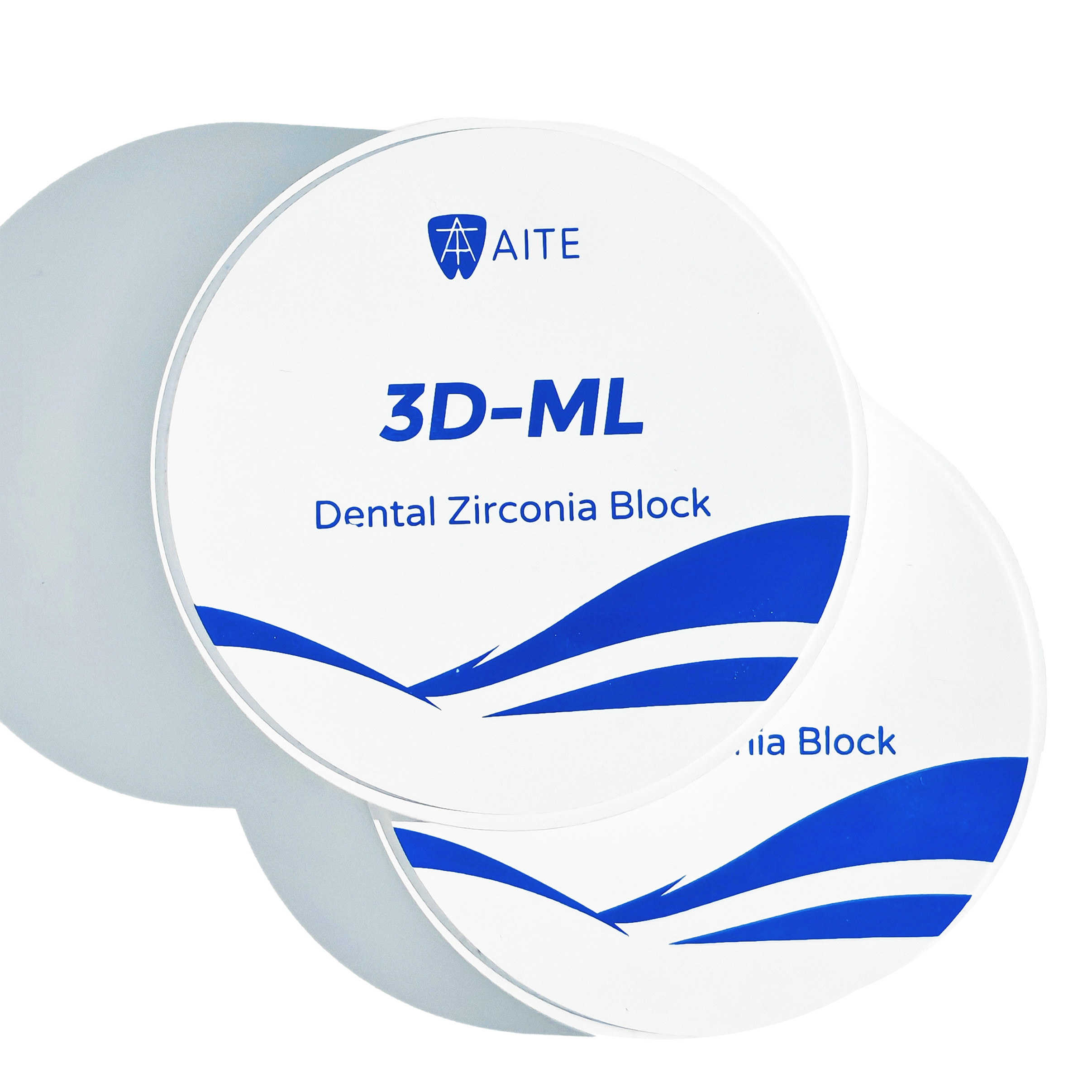
Achieving a smooth glossy surface is a critical objective in dental restoration work, particularly when creating restorations that match natural tooth appearance and durability. The application of glaze paste represents a fundamental technique that transforms the surface quality of dental ceramics and restorations. Understanding how to properly use glaze paste ensures that your finished restorations possess both aesthetic appeal and protective surface characteristics. This comprehensive guide will walk you through the essential steps, material considerations, and professional techniques required to master the art of creating smooth glossy surfaces using glaze paste.
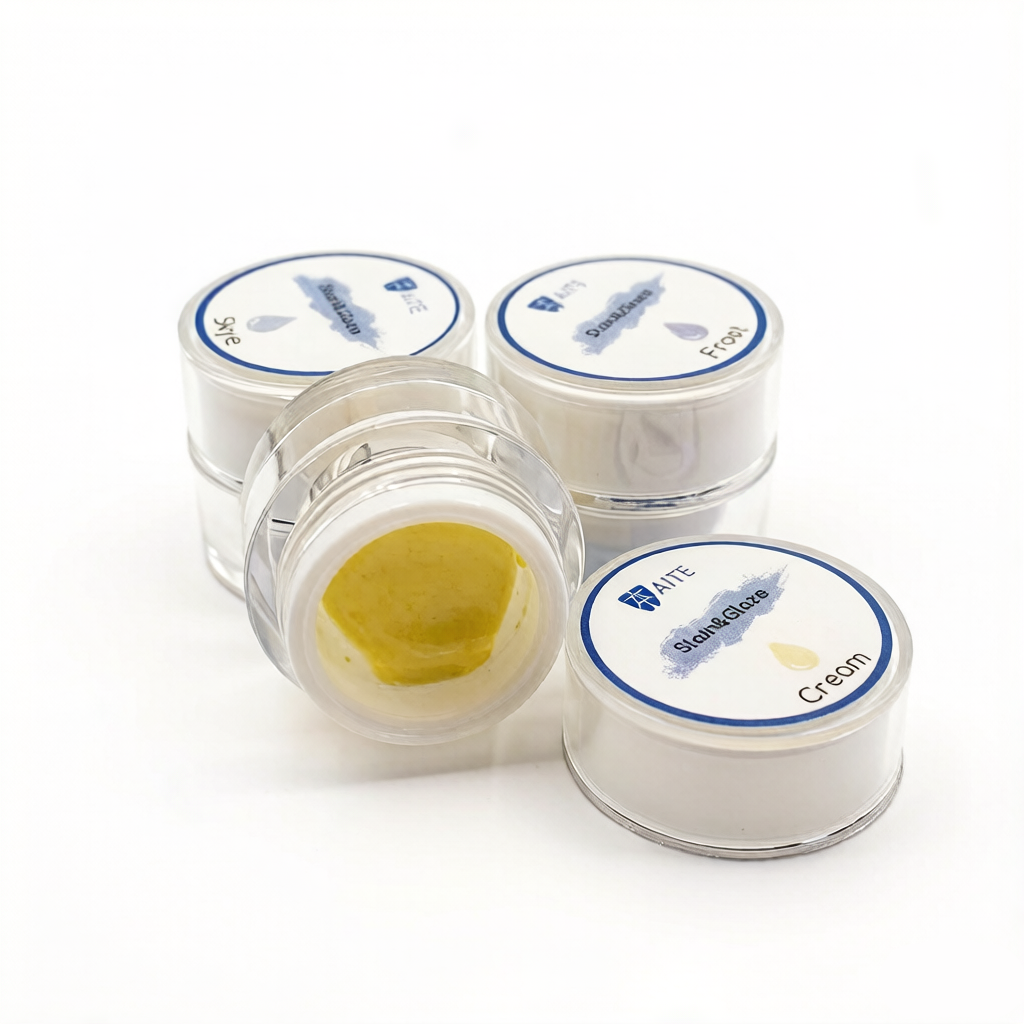
The journey toward mastering glaze paste application begins with recognizing that surface quality directly influences both clinical longevity and patient satisfaction. A properly executed glaze paste application creates a protective layer that resists staining, enhances light reflection, and reduces bacterial colonization on restoration surfaces. The difference between a dull, porous surface and a smooth glossy finish often determines whether a restoration blends seamlessly with natural dentition or becomes visibly noticeable to both clinician and patient.
Understanding Glaze Paste Composition and Selection
Material Chemistry and Surface Properties
Modern glaze paste formulations contain ceramic particles suspended in a proprietary medium that fuses to the underlying restoration surface during heating. The composition of quality glaze paste includes feldspar, silica, and specialized glass components that melt at controlled temperatures to form a vitrified, non-porous layer. Selecting the correct glaze paste for your specific restoration material is essential because different ceramic substrates respond differently to glazing temperatures and techniques. Premium glaze paste products are engineered to match the coefficient of thermal expansion of common restorative materials, preventing adhesion failure or surface cracking during the heating cycle.
Compatibility With Restoration Materials
Your choice of glaze paste must align with the underlying restoration composition, whether your work involves feldspathic ceramics, zirconia frameworks, or composite resins. Different glaze paste varieties are optimized for specific temperature ranges and material substrates. When you select incompatible glaze paste with your restoration material, the glazed surface may bubble, crack, or separate during firing. Consulting the manufacturer's specifications for your chosen glaze paste ensures proper material pairing and predictable clinical outcomes.
Surface Preparation and Application Technique
Pre-Glazing Surface Conditioning
Before applying glaze paste, the restoration surface must be thoroughly cleaned and properly conditioned to ensure optimal adhesion and uniform glaze distribution. Remove all dust, debris, and residual stains using compressed air and appropriate cleaning solutions that match your glaze paste manufacturer's recommendations. The surface preparation phase directly determines whether your glaze paste application will result in smooth, consistent coverage or uneven, blotchy patterns. Many experienced clinicians lightly air-abrade the surface with fine particles to microscopically roughen the substrate, which enhances mechanical interlocking between the restoration and the glaze paste layer.
Optimal Application Method and Coverage
Applying glaze paste requires careful technique to achieve uniform thickness and avoid excess accumulation in interproximal areas or marginal zones. Using a small, pointed brush or applicator, gently distribute the glaze paste across the facial and lingual surfaces with smooth, overlapping strokes. The thickness of applied glaze paste should be minimal yet complete—typically a single, well-blended layer that covers all exposed surfaces without running or pooling. Professional application of glaze paste demands practice and patience; rushing the process or using excessive material will result in a rough, uneven surface rather than the desired smooth glossy finish.
Firing Protocol and Surface Finishing
Temperature Control and Heating Parameters
The firing temperature for glaze paste is precisely calibrated by the manufacturer and must be followed strictly to achieve proper vitrification without degrading the underlying restoration. Most glaze paste products require heating between 750 and 850 degrees Celsius, though specific requirements vary by brand and formulation. Furnace calibration is critical; if actual temperature deviates significantly from the programmed glaze paste firing temperature, the glaze will either remain underfired and porous or overfired and potentially discolored. Many laboratories use dedicated glazing furnaces with precise temperature monitoring to ensure that every glaze paste application achieves consistent, professional results.
Post-Firing Inspection and Refinement
After the glaze paste firing cycle completes and the restoration cools, visual inspection under magnification is necessary to evaluate surface quality. A successful glaze paste application produces a uniformly smooth, highly reflective surface with no bubbles, cracks, or dull spots. Should the glaze paste surface appear uneven or contain minor imperfections, selective polishing with fine diamond burs or glazed surface polishing paste can refine the finish without compromising the protective glaze layer. Some clinicians apply a second, thinner coat of glaze paste and re-fire to achieve superior smoothness, though this adds time and cost to the restoration process.
FAQ
What is the primary advantage of using glaze paste on dental restorations?
Glaze paste creates a non-porous, stain-resistant protective layer that enhances both the aesthetic appearance and clinical longevity of dental restorations. The smooth glossy surface produced by quality glaze paste applications reflects light similarly to natural tooth structure, improving color matching and overall restoration invisibility. Additionally, the sealed surface reduces plaque retention and bacterial colonization, contributing to improved periodontal health around the restoration margin.
Can glaze paste be applied to all types of dental ceramics?
While most high-quality glaze paste products are compatible with feldspathic ceramics, glass ceramics, and hybrid materials, zirconia and certain high-strength ceramics require specialized glaze paste formulations designed specifically for those substrates. Always verify that your selected glaze paste is recommended by the restoration material manufacturer to prevent adhesion problems or surface defects. Some modern zirconia restorations are best finished with dedicated zirconia-specific glaze paste products rather than universal formulations.
How can clinicians troubleshoot uneven or rough glaze paste surfaces?
Uneven or rough glaze paste surfaces typically result from inadequate surface preparation, inconsistent application thickness, or furnace temperature deviation. To troubleshoot, verify that your furnace is accurately calibrated to the glaze paste manufacturer's specifications and that surface conditioning was thorough before application. Minor surface irregularities can often be corrected by selective polishing with fine diamond instruments or by applying a second, thinner coat of glaze paste followed by careful refiring.