
 EN
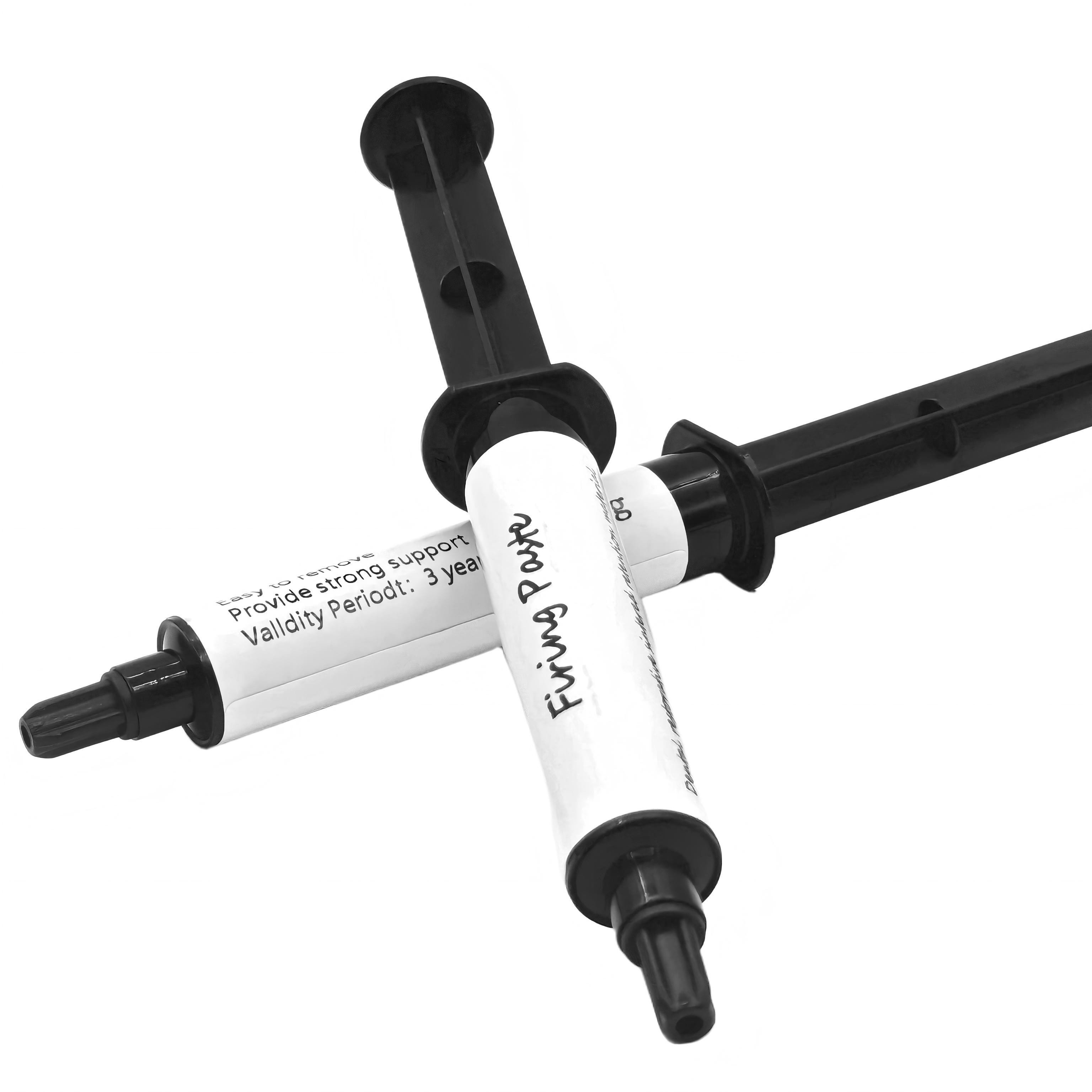
Glaze Paste bubbles represent one of the most common surface defects encountered in dental restoration and ceramic finishing applications. Understanding why these bubbles form is essential for professionals who work with glass-ceramic materials, as bubble formation directly compromises both the aesthetic appeal and functional integrity of the final restoration. When Glaze Paste is applied to glass-ceramic surfaces, trapped air, moisture, or chemical reactions during the curing and heating process can create visible voids that detract from the restoration's appearance and potentially weaken the ceramic bond.
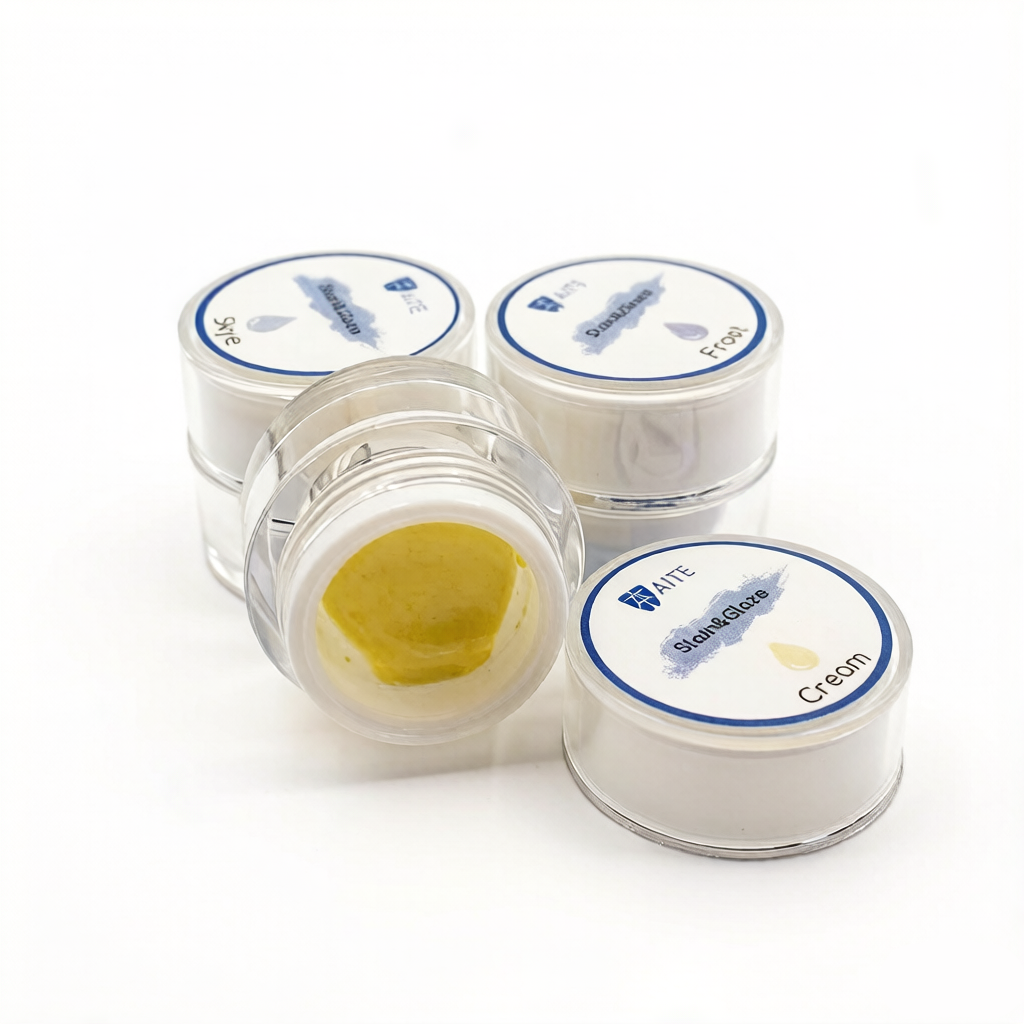
The science behind bubble formation in Glaze Paste applications involves multiple factors working in concert. Moisture content, application technique, surface preparation, and thermal processing all play critical roles in determining whether bubbles will emerge during and after the glazing process. By recognizing these contributing factors and implementing targeted prevention strategies, dental technicians and restoration specialists can significantly reduce bubble defects and achieve consistently superior results on every glass-ceramic restoration project.
Primary Causes of Glaze Paste Bubble Formation
Moisture Entrapment and Evaporation During Heating
One of the most significant causes of Glaze Paste bubbles is trapped moisture within the glaze material or on the glass-ceramic surface before application. When Glaze Paste contains residual water content or when moisture condenses on the ceramic surface during application, this water becomes encapsulated within the glaze layer. During the high-temperature firing process, this trapped moisture attempts to escape as steam, creating pressure that forces its way through the soft glaze matrix. The rapid expansion of steam generates small cavities and bubble formations that become permanently fixed once the glaze cools and hardens, resulting in visible surface defects that are difficult or impossible to correct post-firing.
Improper Application Technique and Air Incorporation
The manner in which Glaze Paste is applied directly influences bubble susceptibility. When Glaze Paste is applied too thickly, brushed with vigorous motions, or mixed too rapidly before application, air becomes incorporated into the glaze material. This entrapped air remains as discrete bubbles throughout the paste layer. During the initial heating phase, these air pockets expand, and if the surface has not yet solidified sufficiently, the bubbles breach the surface, creating visible defects. Additionally, applying Glaze Paste to glass-ceramic surfaces that are not properly prepared or cleaned allows dust particles and contaminants to serve as nucleation sites where bubbles preferentially form and grow throughout the firing cycle.
Surface Preparation and Material Factors Contributing to Glaze Paste Bubbling
Inadequate Glass-Ceramic Surface Cleaning and Preparation
The condition of the glass-ceramic substrate before Glaze Paste application is absolutely critical to preventing bubble formation. If the glass-ceramic surface retains residue from previous processing, polishing compounds, oils from handling, or dust particles, these contaminants create irregularities and weak adhesion points. When Glaze Paste contacts a contaminated surface, it cannot establish a uniform, continuous bond. This poor contact allows air pockets to form beneath the glaze layer. Furthermore, contaminants act as bubble nucleation sites during thermal processing. Proper cleaning with appropriate solvents, followed by careful drying and inspection, ensures that Glaze Paste application occurs on a pristine, moisture-free glass-ceramic surface, dramatically reducing bubble risk.
Composition and Quality of Glaze Paste Materials
Not all Glaze Paste formulations are created equal, and material quality directly affects bubble formation tendency. High-quality Glaze Paste products are formulated with precise particle size distribution, optimal binder chemistry, and controlled moisture content to minimize bubble nucleation. Lower-grade Glaze Paste materials may contain inconsistent particle sizes, excessive moisture, or poorly designed binder systems that trap air more readily. The rheology of the Glaze Paste—its flow characteristics and viscosity—determines how easily air escapes before the material sets. Premium Glaze Paste formulations are engineered to allow trapped air to rise and escape during a brief working window before the material develops sufficient surface tension to lock bubbles permanently within the matrix.
Thermal Processing and Prevention Strategies for Bubble-Free Results
Controlled Firing Schedules and Temperature Ramping
The thermal processing schedule employed when firing Glaze Paste has profound implications for bubble formation and elimination. Rapid heating rates force trapped moisture and air to expand quickly, exceeding the surface escape velocity and causing bubble breakthrough. Controlled, gradual heating allows moisture to evaporate slowly and air to escape through the still-fluid glaze matrix before the material solidifies. Many professionals achieve superior results by implementing a low-temperature hold phase lasting several minutes at approximately 400–600 degrees Celsius, allowing moisture escape before mainstream heating accelerates. Additionally, furnace atmosphere control—ensuring adequate airflow and avoiding oxygen-depleted conditions—promotes complete evaporation of moisture and prevents reduction reactions that generate unwanted gases within the glaze layer.
Best Practices for Bubble-Free Glaze Paste Application
Implementing systematic best practices dramatically improves success with Glaze Paste and minimizes bubble defects. Always store Glaze Paste in sealed containers with desiccant to maintain optimal moisture levels. Mix Glaze Paste gently and only as much as needed for immediate use; avoid aggressive stirring that incorporates air. Apply Glaze Paste in thin, uniform layers using appropriate brushes or application tools, allowing each layer to partially set before adding additional coats if needed. Ensure glass-ceramic surfaces are absolutely dry before application—use compressed air or gentle heat if necessary to eliminate residual moisture. Perform a test firing with sample pieces whenever using new Glaze Paste batches or equipment, allowing refinement of technique before working on final restorations. Between applications, maintain strict cleanliness protocols to prevent dust and debris from settling on prepared surfaces.
Quality Control and Troubleshooting Persistent Bubble Issues
Identifying Bubble Formation Patterns and Root Causes
When bubbles appear consistently in Glaze Paste applications, systematic troubleshooting becomes essential. Surface bubbles that appear only at the periphery of glazed areas often indicate inadequate surface cleaning or preparation issues. Uniformly distributed small bubbles throughout the glaze layer typically point to air incorporation during application or material quality concerns with the Glaze Paste itself. Larger, isolated bubbles forming in specific locations suggest localized moisture on the glass-ceramic surface or contamination at those exact points. By documenting bubble patterns, locations, sizes, and frequencies across multiple restorations, professionals can isolate the specific factor responsible and implement targeted corrections. Maintaining detailed application records—material lot numbers, firing schedules, humidity conditions, and application techniques—creates a troubleshooting database that accelerates problem resolution.
Advanced Quality Assurance and Documentation
Leading dental restoration facilities implement rigorous quality control protocols specifically targeting Glaze Paste bubble prevention. This includes environmental monitoring to track humidity levels in the application area—maintaining relative humidity below 50 percent significantly reduces moisture-related bubble formation. Temperature conditioning of Glaze Paste materials to match room temperature before use prevents condensation when cooler paste contacts warmer glass-ceramic surfaces. Periodic verification of furnace temperature accuracy and heating rate consistency ensures that thermal processing remains optimized for bubble elimination. Some advanced practices include brief ultrasonic treatment of Glaze Paste to dislodge trapped air before application, or specialized degassing procedures in controlled environments. Regular inspection of finished restorations under magnification documents success rates and identifies emerging patterns requiring intervention.
FAQ
What causes Glaze Paste bubbles to form on glass-ceramic surfaces?
Glaze Paste bubbles form due to trapped moisture that evaporates during heating, air incorporated during application or mixing, surface contamination that creates bubble nucleation sites, and inadequate thermal processing. Moisture is the most common culprit—when water becomes trapped in or beneath the Glaze Paste layer, it converts to steam during firing, creating pressure that breaks through the softening glaze surface. Air incorporation from vigorous stirring or improper application technique similarly expands during heating, forming visible defects. Contaminated glass-ceramic surfaces prevent uniform Glaze Paste contact, allowing air pockets to develop beneath the layer.
How can I prevent Glaze Paste bubbles during application and firing?
Prevention requires a multi-faceted approach beginning with meticulous surface preparation. Clean glass-ceramic surfaces thoroughly with appropriate solvents, dry them completely, and verify they remain moisture-free immediately before Glaze Paste application. Mix Glaze Paste gently to avoid air incorporation, apply it in thin uniform layers, and store it properly with desiccant protection to maintain correct moisture content. Implement controlled, gradual firing schedules with low-temperature hold phases at 400–600 degrees Celsius to allow moisture escape. Monitor furnace atmosphere for adequate airflow, maintain humidity below 50 percent in your application environment, and use test pieces to verify your complete process before glazing final restorations.
Can Glaze Paste bubbles be repaired or removed after firing?
Once Glaze Paste has cured and cooled, bubbles become permanent defects that cannot be safely removed without compromising the restoration. Attempting to sand or polish away surface bubbles risks damaging the underlying glass-ceramic structure and creating larger defects. Instead, the restoration typically requires complete re-glazing or in severe cases, complete re-fabrication of the ceramic component. This reality underscores the critical importance of prevention through proper Glaze Paste application technique, surface preparation, material storage, and thermal processing. Investing time in process optimization and quality control during application yields far superior results compared to attempting remediation after the Glaze Paste has already fired and solidified.