
 EN
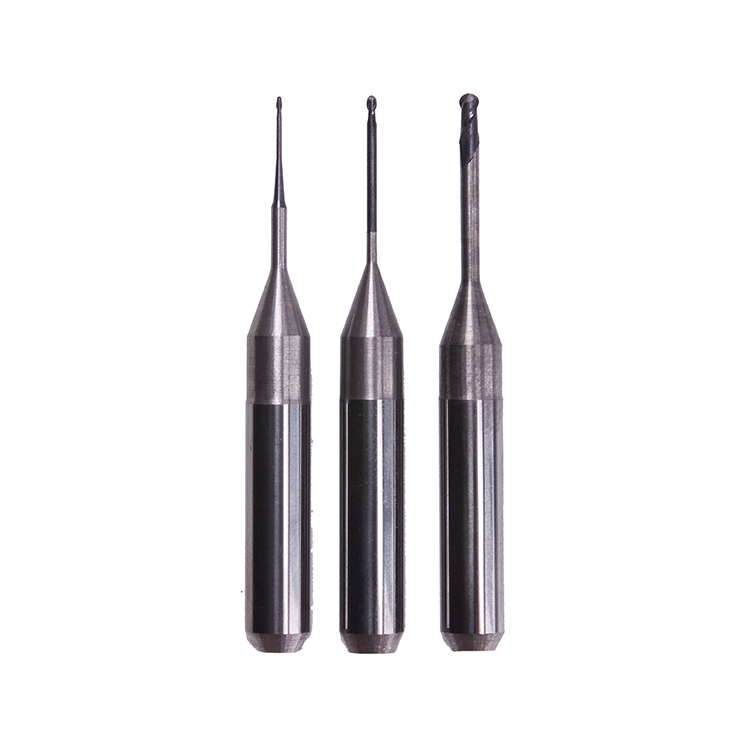
Applying the right amount of glaze paste to lithium disilicate veneers is a critical step that directly influences both the aesthetic outcome and the clinical longevity of your restorations. Many dental professionals struggle to determine the precise dosage that delivers optimal surface characteristics without waste or compromised results. Understanding the science behind glaze paste application ensures that your veneer cases achieve that signature high gloss, color stability, and superior stain resistance that patients expect from premium cosmetic dentistry.
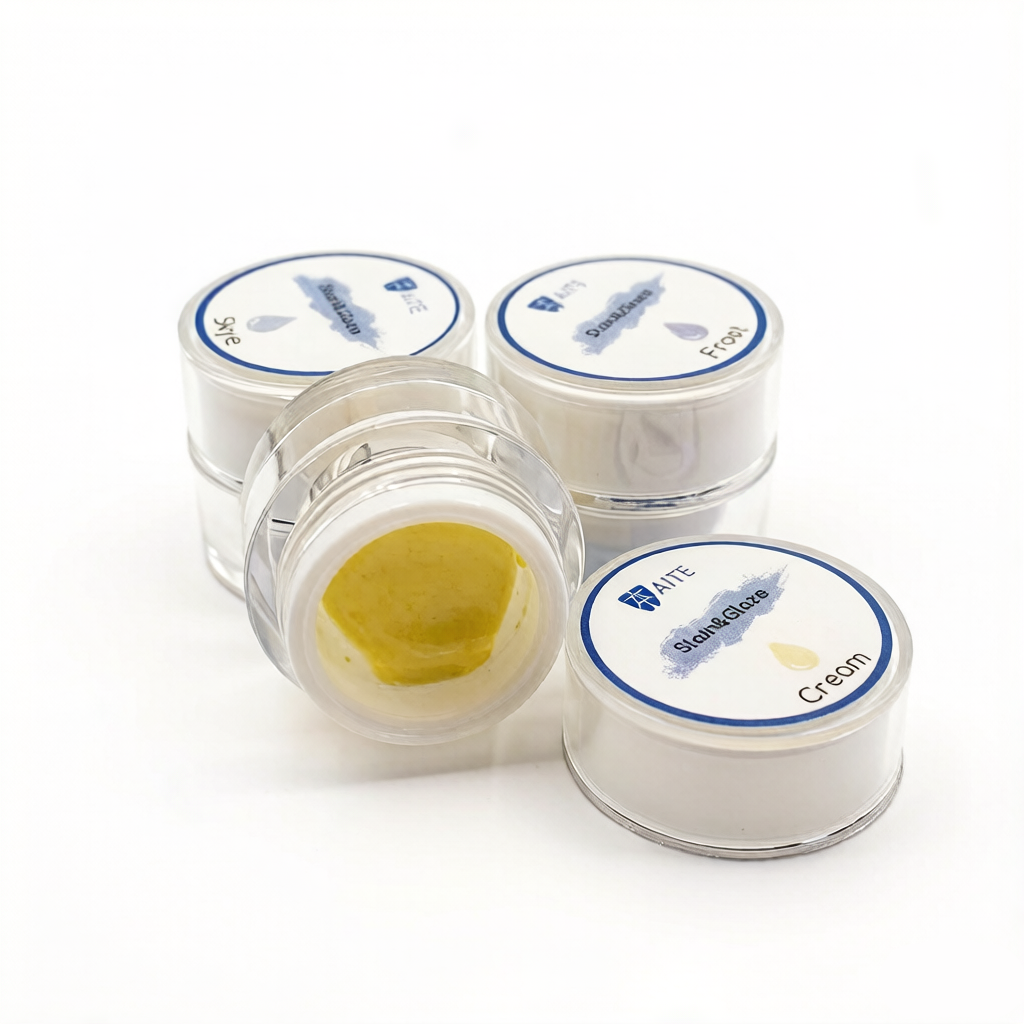
The purpose of glaze paste extends far beyond visual appeal. This material creates a protective barrier that seals the porous surface of fired lithium disilicate, reducing plaque adhesion, improving biocompatibility, and enhancing color fidelity over time. Applying too little glaze paste leaves exposed porcelain vulnerable to staining and microleakage, while excessive amounts can result in rough surfaces, dripping, and uneven gloss distribution. Mastering the correct application volume ensures consistent clinical success and patient satisfaction across your cosmetic veneer cases.
Determining the Optimal Glaze Paste Quantity
Understanding Glaze Paste Coverage Requirements
The ideal amount of glaze paste varies based on veneer size, surface texture, and restoration design. For a standard anterior veneer, a thin, uniform layer of glaze paste applied with a fine brush typically requires approximately 0.1 to 0.3 millimeters of material thickness. This range ensures complete surface saturation while preventing excessive buildup that causes flow or pooling during the firing process. When applying glaze paste to multiple veneers in a single case, consistency becomes paramount—each restoration should receive an equivalent amount to guarantee uniform color and gloss across the final restoration.
The surface condition of your lithium disilicate directly impacts how much glaze paste the restoration can accommodate. Rough or textured surfaces created during the shade adjustment phase absorb more glaze paste than polished surfaces. Therefore, assess the existing porcelain finish before deciding on your glaze paste application volume. A heavily stained or modified veneer may require slightly more glaze paste to achieve even color integration and optical depth, whereas a minimally altered veneer needs only a light coat to maintain transparency and natural translucency.
Practical Application Technique for Glaze Paste Control
Precision in applying glaze paste begins with selecting the right applicator tool. A fine, natural-bristle brush or specialized dental applicator delivers superior glaze paste control compared to larger instruments. Load the brush with a small amount of glaze paste—approximately the size of a grain of rice—and distribute it evenly across the visible surface of the veneer. This technique prevents over-application while ensuring adequate wetting of the underlying porcelain, allowing the glaze paste to bond uniformly during the firing cycle.
When working with multiple veneers, apply glaze paste systematically from one end to the other, maintaining consistent brush pressure and coverage density. A common professional approach involves applying glaze paste in thin horizontal strokes, overlapping slightly to eliminate gaps while avoiding pool formation. Allow the glaze paste to level naturally—resist the urge to overwork or reapply glaze paste once initial coverage is complete. Excessive manipulation of glaze paste creates streaking and uneven gloss distribution that persists even after firing.
Impact of Glaze Paste Dosage on Clinical Outcomes
How Proper Glaze Paste Application Affects Aesthetics
The amount of glaze paste you apply directly determines the final gloss level, color saturation, and surface smoothness of your lithium disilicate veneers. Optimal glaze paste dosage creates a polished, mirror-like surface that reflects light uniformly and provides superior esthetics that meets contemporary cosmetic standards. Insufficient glaze paste leaves the restoration with a dull, chalky appearance and visible surface irregularities, whereas excess glaze paste can create uneven pooling that produces high-gloss spots surrounded by matte areas, compromising the final aesthetic result.
Color accuracy also depends heavily on proper glaze paste application. When glaze paste is applied in the correct amount, it seals the porcelain surface uniformly, allowing the underlying shade and custom coloring to display with maximum fidelity. Thin or inconsistent glaze paste application permits differential staining and allows the underlying porcelain structure to interact unpredictably with incident light, resulting in color shifts and reduced optical control. By maintaining precise glaze paste dosage, you preserve the full potential of your shade selection and ensure that each veneer matches the patient's natural dentition and your treatment plan.
Durability and Stain Resistance Through Glaze Paste Thickness
Stain resistance and long-term durability are directly proportional to the quality and coverage of your glaze paste application. When applied at the correct thickness, glaze paste creates a non-porous, glass-like surface that resists extrinsic staining from coffee, wine, and other chromogenic agents. This protective barrier also reduces microbial colonization on the veneer surface, which supports better periodontal health and reduces the risk of secondary caries at the restoration margin. Underapplication of glaze paste compromises these protective benefits, leaving exposed porosity that accumulates stains and biofilm over months and years of clinical service.
Additionally, insufficient glaze paste fails to fully seal the interface between the custom internal coloring and the restoration surface, allowing moisture penetration and potential discoloration from the internal aspects of the veneer. Over-application of glaze paste, while less common, can create excessively thick surface layers that develop crazing or cracking during thermal cycling, ultimately compromising longevity. The optimal amount of glaze paste balances protection and durability without introducing thermal stress or surface integrity issues that emerge after extended clinical use.
Professional Best Practices for Glaze Paste Application
Preparation and Environmental Factors Affecting Glaze Paste Use
Before applying glaze paste, ensure that the lithium disilicate veneer surface is meticulously clean and completely dry. Any residual moisture, dust, or contaminants interfere with glaze paste adhesion and create voids or application inconsistencies. Use compressed air to remove all surface debris, then inspect the veneer under adequate lighting to confirm uniform surface preparation. The environmental humidity and temperature in your laboratory or clinic workspace also influence how glaze paste behaves during application—working in low-humidity conditions optimizes glaze paste flow and drying characteristics, whereas high humidity may slow evaporation and affect surface leveling.
Verify that your glaze paste material is freshly mixed and at the correct consistency before application. Overly thick or separated glaze paste produces streaky application and poor coverage, while excessively thin glaze paste runs off the restoration surface and fails to provide adequate protection. Following the manufacturer's instructions ensures that your glaze paste exhibits optimal flow characteristics for your specific application technique and equipment setup.
Quality Control and Documentation of Glaze Paste Procedures
Standardizing your glaze paste application protocol across all cases improves consistency and reduces the need for remakes or adjustments after delivery. Document the specific amount and application method you use for glaze paste on each case, noting any variations in veneer size, surface preparation, or custom coloring that required adjusted glaze paste dosage. This record-keeping enables you to identify trends and refine your technique over time, ensuring that every glaze paste application delivers predictable, high-quality results.
Regular monitoring of clinical outcomes from cases treated with your established glaze paste protocol provides valuable feedback. Track patient satisfaction, gloss retention, stain resistance, and any surface defects that emerged after delivery. If specific issues consistently correlate with insufficient or excessive glaze paste application, adjust your dosage accordingly. This evidence-based refinement ensures that your glaze paste application technique continuously improves and remains aligned with your clinical goals and patient expectations.
FAQ
How much glaze paste should be applied to a single lithium disilicate veneer?
Apply approximately 0.1 to 0.3 millimeters of glaze paste in a thin, uniform layer across the entire visible surface of the veneer. Use a fine brush to distribute the glaze paste evenly, ensuring complete coverage without pooling or excessive buildup. The exact amount of glaze paste depends on veneer size and surface condition—smaller veneers and polished surfaces require less glaze paste, while larger restorations or textured surfaces may accommodate slightly more material.
What happens if too much glaze paste is applied to lithium disilicate veneers?
Excessive glaze paste application causes pooling, uneven gloss distribution, and visible surface irregularities after firing. Over-application of glaze paste also increases the risk of surface crazing, thermal stress, and durability issues over time. Additionally, too much glaze paste may flow onto unprepared areas or margins, contaminating critical surfaces and compromising restoration fit or periodontal health.
Can insufficient glaze paste application affect the longevity of lithium disilicate veneers?
Yes, under-application of glaze paste significantly reduces stain resistance and exposes the porous porcelain surface to microleakage and bacterial colonization. Insufficient glaze paste leaves the restoration vulnerable to extrinsic discoloration and allows moisture penetration, which compromises color stability and clinical longevity. Proper glaze paste dosage is essential for maximizing durability and maintaining aesthetic and clinical performance over many years of service.