
 EN
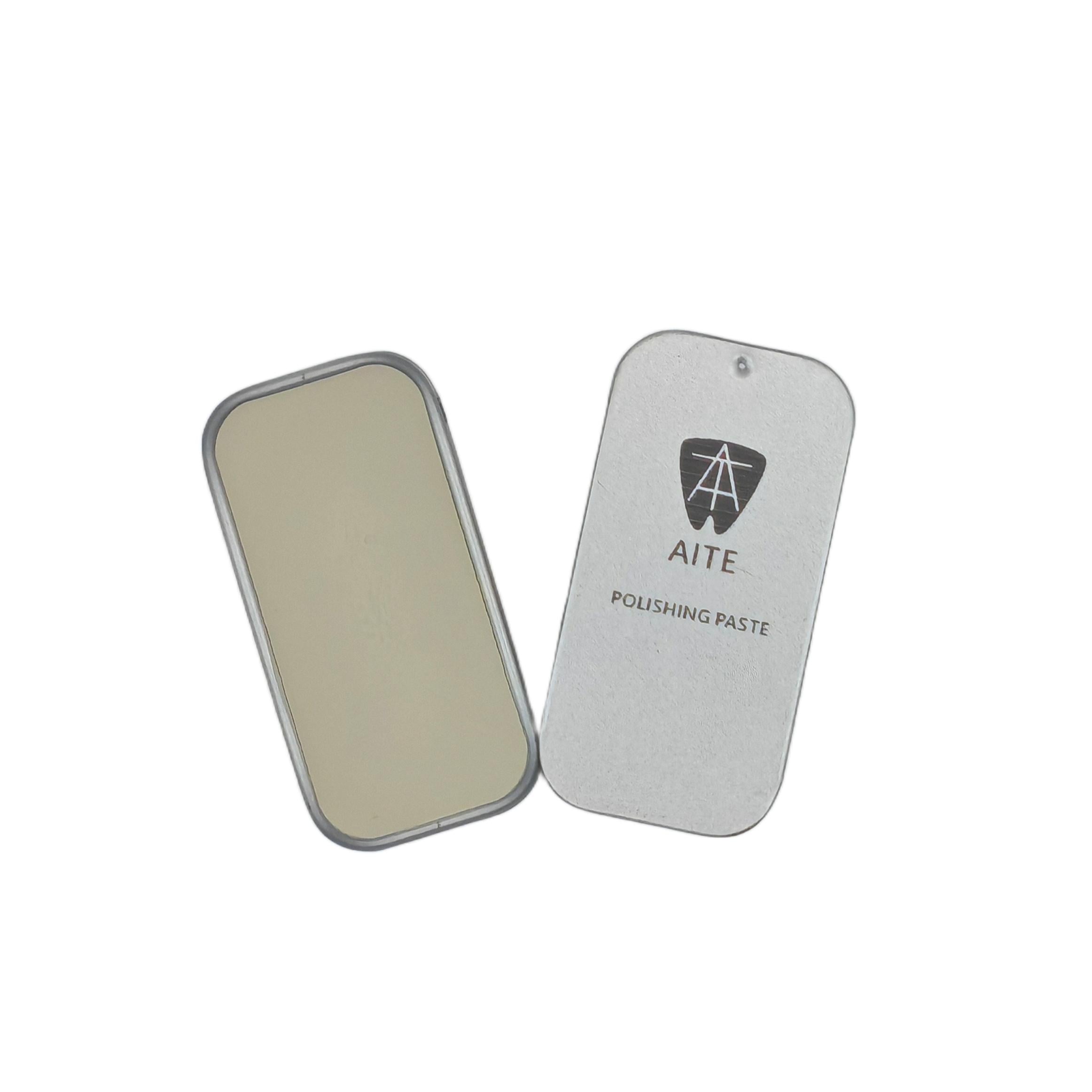
Dental professionals working in laboratory settings frequently encounter two essential materials that shape the final aesthetic and functional quality of ceramic restorations: stain paste and glaze paste. While both products serve critical roles in the ceramic restoration process, they operate at different stages and fulfill distinct purposes that significantly impact the longevity and appearance of dental work. Understanding the specific characteristics, applications, and advantages of each material is essential for achieving superior clinical outcomes and maintaining consistent quality across all laboratory cases.
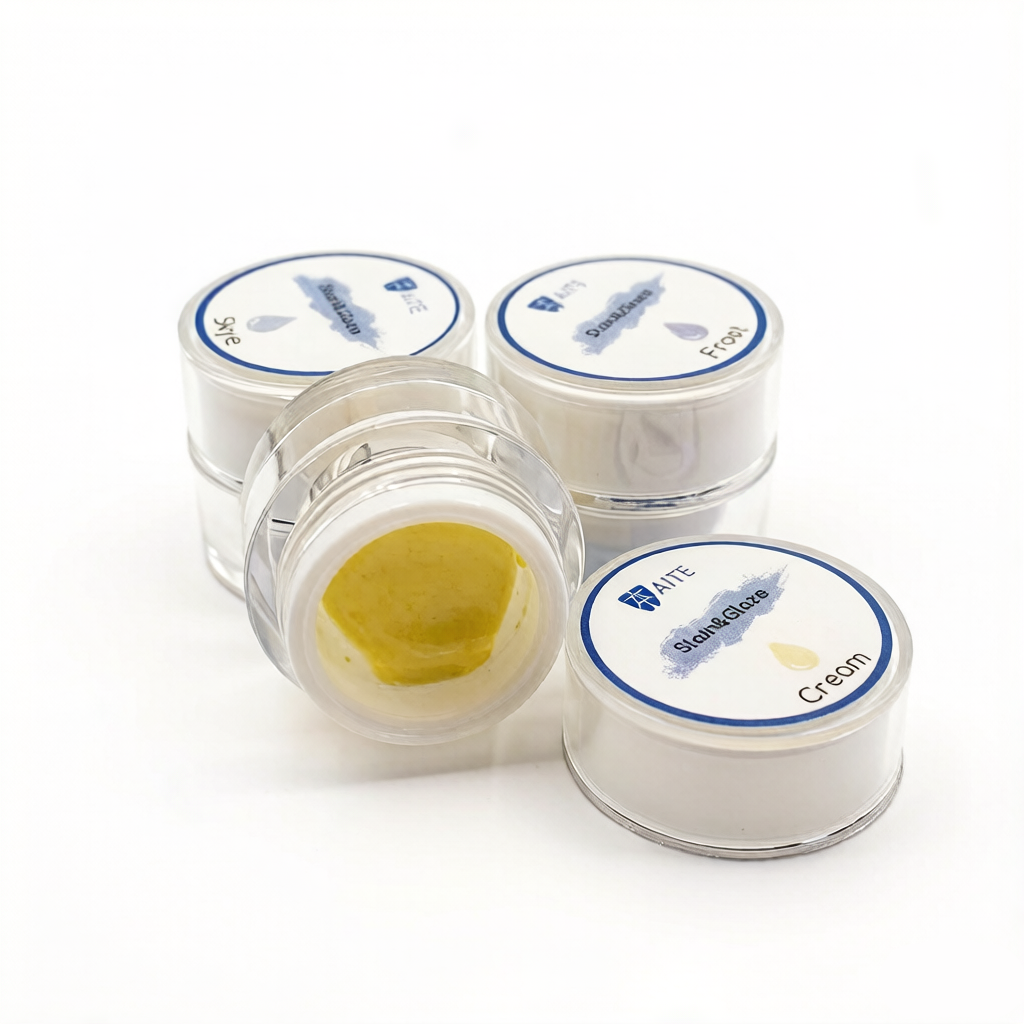
The choice between stain paste and glaze paste depends on the specific restoration requirements, desired final surface characteristics, and the stage of fabrication being performed. Many dental technicians find that mastering both materials and understanding their complementary roles leads to enhanced restoration quality, improved patient satisfaction, and more predictable clinical performance. This comprehensive guide explores the critical differences, applications, and best practices for utilizing stain paste and glaze paste effectively in your dental laboratory.
Defining Stain Paste and Glaze Paste Materials
Composition and Basic Characteristics of Stain Paste
Stain paste is a specialized dental material composed of finely ground ceramic pigments suspended in a liquid medium, designed specifically to add color and depth to ceramic restorations during the laboratory fabrication process. These pastes contain metal oxide pigments that can create various shades, color intensities, and translucency effects across the restoration surface. Stain paste is typically applied in thin layers to specific areas of the restoration, allowing technicians to customize the appearance and match natural tooth characteristics with remarkable precision.
The viscosity and application properties of stain paste make it ideal for detailed color work, allowing technicians to create subtle transitions, add characterization, and replicate natural color variations found in healthy teeth. Stain paste applications are performed before the firing stage, and multiple layers can be applied to achieve the desired color depth and intensity. The flexibility of stain paste allows dental technicians to adjust restoration appearance based on individual patient needs and specific aesthetic requirements.
Understanding Glaze Paste Composition and Function
Glaze paste represents a different category of dental laboratory material, formulated to create a smooth, glossy, protective surface layer over ceramic restorations after they have been shaped and initially fired. Unlike stain paste, glaze paste contains glass-forming compounds that fuse to the ceramic substrate during the high-temperature firing process, creating a durable, non-porous surface. This glaze paste layer provides enhanced protection, improved stain resistance, and superior aesthetic appearance compared to unfired ceramic surfaces.
The glaze paste material is applied as a final coating to restore natural luster and shine that mimics the appearance of natural tooth enamel. Glaze paste creates a smooth, non-porous surface that resists plaque accumulation, reduces bacterial adhesion, and simplifies patient oral hygiene routines. The high-gloss finish produced by properly applied glaze paste significantly enhances the overall aesthetic outcome and contributes to improved long-term clinical success of ceramic restorations.
Key Functional Differences Between Stain Paste and Glaze Paste
Application Timing and Restoration Stage
The timing of application represents one of the most critical differences between stain paste and glaze paste in the dental laboratory workflow. Stain paste is applied during the early stages of restoration fabrication, typically before the first firing or between firing stages, allowing the colorants to integrate into the ceramic structure. Technicians apply stain paste to create detailed color effects, add characterization, and establish the foundational color palette before the restoration reaches its final form and surface characteristics.
Glaze paste, conversely, is applied as one of the final steps in restoration fabrication, typically after the restoration has been substantially built up and shaped, and often after initial firing stages. The glaze paste application occurs near the end of the laboratory process, creating the final protective and aesthetic surface layer. This sequential approach ensures that stain paste colors are properly integrated into the ceramic structure while glaze paste seals and protects the entire restoration surface.
Surface Characteristics and Aesthetic Outcomes
Stain paste produces subtle color modifications and depth effects that enhance the three-dimensional appearance of ceramic restorations without creating a glossy surface layer. The stain paste colorants become part of the ceramic body itself, creating natural-looking color gradations and translucency variations that closely replicate natural tooth characteristics. Stain paste applications allow technicians to create lifelike restorations with sophisticated color effects that appear more natural and esthetic than uniformly colored alternatives.
Glaze paste creates a distinctly different surface characteristic, producing a smooth, highly glossy, and reflective finish that mimics natural tooth enamel appearance. The glaze paste layer provides a protective barrier that shields the underlying ceramic from staining agents and environmental degradation. The high-gloss finish created by glaze paste enhances light reflection and creates the bright, luminous quality characteristic of healthy natural teeth, significantly improving the overall aesthetic impact of the restoration.
Protective and Functional Properties
Stain paste primarily serves aesthetic and colorization functions, contributing to the restoration's appearance but offering limited protective benefits to the ceramic surface. While stain paste enhances visual appeal and customization options, it does not provide significant protection against staining or surface degradation. The stain paste application is valued for its ability to create personalized color effects rather than for surface protection or durability enhancement.
Glaze paste delivers substantial protective benefits that extend restoration longevity and maintain appearance over time. The non-porous surface created by glaze paste significantly reduces susceptibility to staining from dietary pigments, beverages, and environmental agents. Glaze paste also simplifies oral hygiene maintenance by creating a smooth surface that resists bacterial colonization and plaque accumulation, contributing to improved periodontal health and restoration longevity.
Practical Integration and Selection Criteria
When to Choose Stain Paste for Your Restorations
Stain paste becomes the optimal choice when restorations require detailed color customization, complex color stratification, or replication of natural tooth color variations and characterization effects. Cases involving highly esthetic anterior restorations, where natural tooth appearance is paramount, particularly benefit from sophisticated stain paste applications. Technicians should select stain paste when the restoration design incorporates multiple color zones, subtle translucency effects, or specific color gradations that enhance the restoration's appearance and natural integration with remaining dentition.
Stain paste is particularly valuable in cases where the final restoration must match specific tooth shades, replicate natural color banding patterns, or incorporate characterization that creates depth and vitality. The flexibility and precision offered by stain paste make it indispensable for achieving exceptional esthetic outcomes in demanding clinical cases. Stain paste should be incorporated into the fabrication protocol whenever enhanced customization, sophisticated color effects, or exceptional esthetic requirements justify the additional time and technical expertise required.
When Glaze Paste Application is Essential
Glaze paste application should be considered essential for virtually all ceramic restorations, as it provides the protective surface layer and esthetic finishing touch that distinguishes laboratory-quality restorations from basic alternatives. The glaze paste application is particularly critical for posterior restorations that must withstand occlusal forces and potential staining from food and beverages. Every ceramic restoration benefits from glaze paste application, as it enhances durability, facilitates patient compliance with oral hygiene protocols, and significantly extends restoration longevity.
The decision to apply glaze paste should be driven by the desire to optimize restoration appearance, protect the underlying ceramic, and maximize patient satisfaction with long-term restoration performance. Glaze paste becomes absolutely essential when restorations will be exposed to challenging oral environments, high-staining risk factors, or situations where extended restoration longevity is critical to clinical success. Most laboratory protocols incorporate glaze paste into standard procedures for all restorations, recognizing that the protective and aesthetic benefits justify the minimal additional time and cost investment.
FAQ
Can stain paste and glaze paste be used together on the same restoration?
Yes, stain paste and glaze paste are routinely used together on the same restoration, as they serve complementary functions at different fabrication stages. Technicians typically apply stain paste during early fabrication phases to establish desired color effects and characterization, then apply glaze paste as a final finishing step. This combined approach optimizes both aesthetic customization and protective surface characteristics, resulting in restorations that offer exceptional appearance and longevity. The sequential application of stain paste followed by glaze paste represents best practice in contemporary dental laboratory protocols.
How does glaze paste affect the final color of stain paste applications?
When glaze paste is properly applied over stain paste, the glaze paste creates a glossy protective layer that can subtly enhance color perception while maintaining the underlying color effects created by stain paste. The glossy surface created by glaze paste may make colors appear slightly more vibrant due to improved light reflection and the smooth surface characteristics. High-quality glaze paste should not significantly alter or obscure stain paste color effects, though some slight enhancement in color intensity and depth is typical when glaze paste is properly fired and integrated with the ceramic substrate.
What happens if a restoration receives only stain paste without glaze paste application?
Restorations finished with only stain paste lack the protective surface layer and glossy aesthetic qualities provided by glaze paste, resulting in reduced luster, compromised protection against staining agents, and diminished clinical longevity. The unglazed surface becomes more porous, more susceptible to staining from dietary pigments and beverages, and more prone to bacterial colonization. Without glaze paste, restorations may develop visible surface discoloration over time, require more frequent professional cleaning, and fail to deliver the aesthetic and protective performance expected in contemporary dental practice. Applying glaze paste is essential for achieving optimal restoration quality.