
 EN
EN
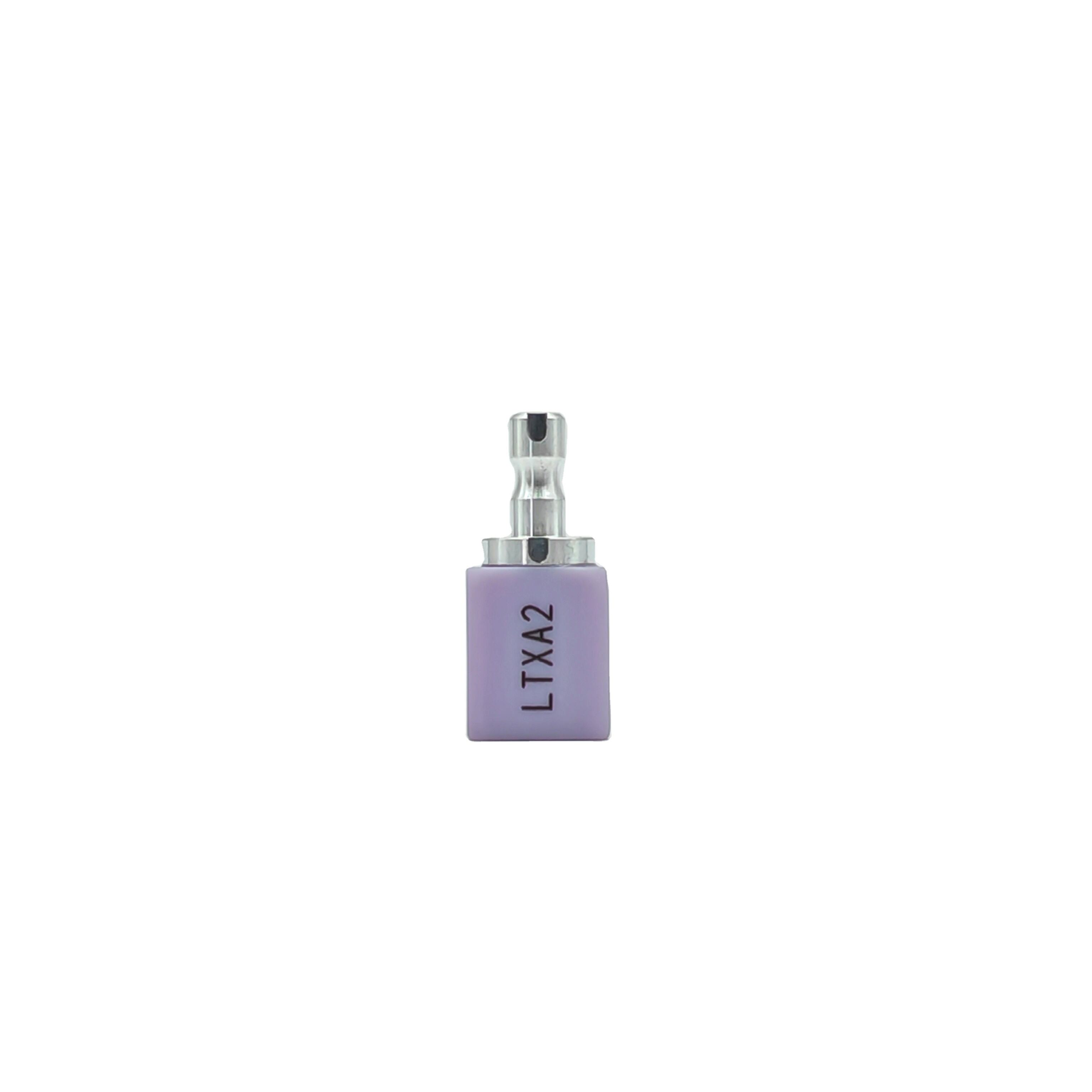
Dental laboratories face mounting pressure to balance quality restoration outcomes with operational profitability, making cost-effectiveness analysis crucial for material selection decisions. When evaluating dental lithium disilicate as a restoration material, labs must consider multiple financial factors beyond initial material costs, including processing efficiency, rework rates, equipment requirements, and long-term client satisfaction impact. The question of whether dental lithium disilicate delivers adequate return on investment requires examining both direct costs and indirect benefits that influence laboratory profitability.
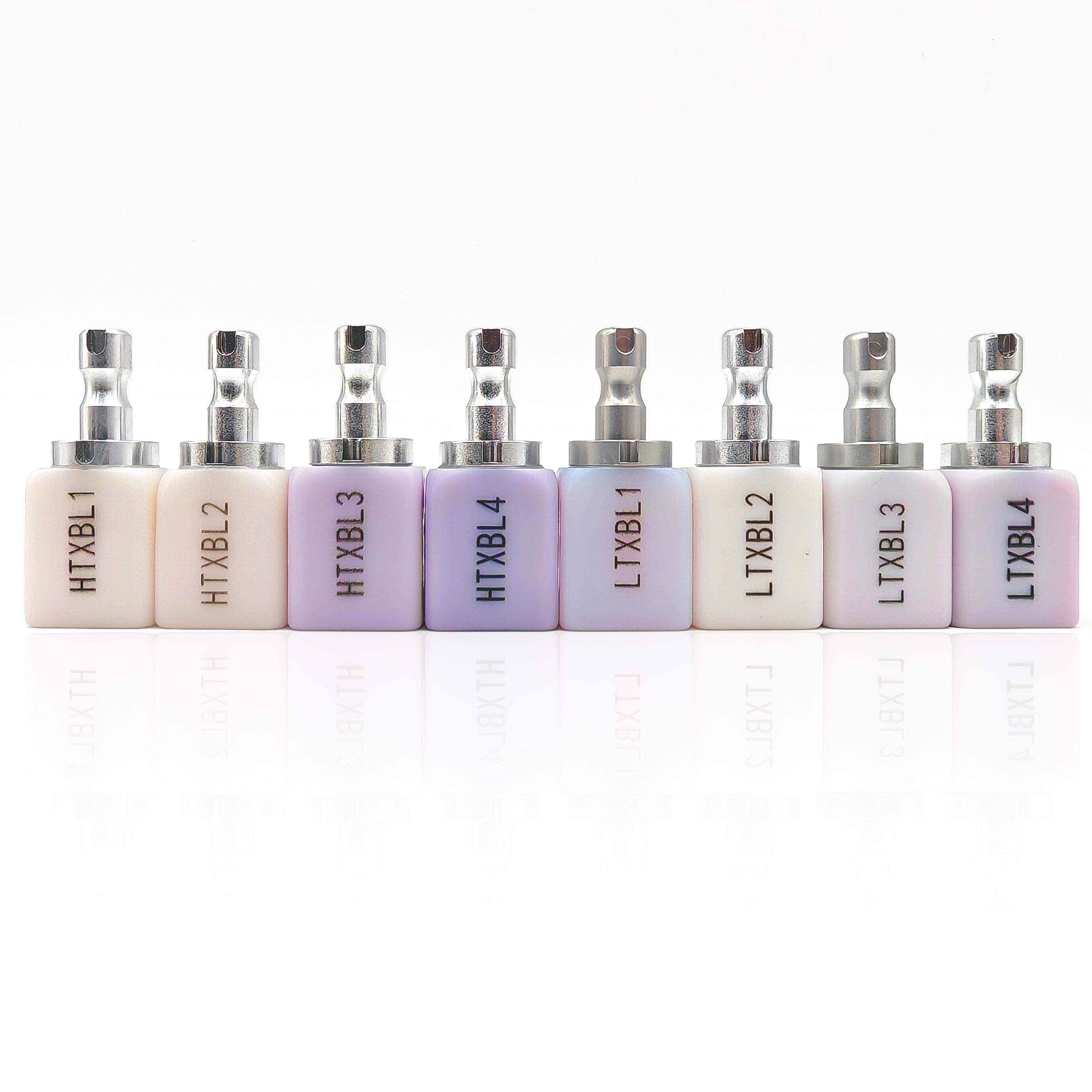
The cost-effectiveness of dental lithium disilicate depends on laboratory-specific factors including case volume, technical expertise, existing equipment infrastructure, and target market positioning. While the initial material investment may exceed traditional ceramic options, many laboratories discover that dental lithium disilicate generates superior profit margins through reduced chair time, enhanced aesthetic outcomes, and improved client retention rates. Understanding the complete economic impact requires analyzing both quantifiable costs and qualitative benefits that contribute to laboratory competitiveness.
Direct Cost Analysis of Dental Lithium Disilicate Implementation
Initial Material Investment Considerations
The upfront cost of dental lithium disilicate materials typically ranges from 15% to 30% higher than conventional feldspathic porcelain, requiring laboratories to evaluate volume requirements and case complexity distribution. Material costs vary significantly based on ingot size, manufacturer specifications, and purchase volume agreements, with laboratories processing higher case volumes achieving better per-unit economics. The initial investment includes not only the dental lithium disilicate blocks or ingots but also specialized bonding agents, etching materials, and finishing compounds required for optimal results.
Laboratory managers must calculate the break-even point based on their specific case mix, considering that premium restoration categories typically command higher fees that offset increased material costs. Many laboratories find that dental lithium disilicate enables them to capture more complex cases that generate superior margins compared to basic ceramic restorations. The material investment becomes more cost-effective when laboratories can demonstrate clear value propositions to referring dentists, including reduced remakes, improved patient satisfaction, and enhanced aesthetic outcomes.
Equipment and Processing Infrastructure Requirements
Implementing dental lithium disilicate may require equipment upgrades or additions, particularly for laboratories transitioning from traditional ceramic processing methods. Furnace specifications, pressing equipment, and CAD/CAM compatibility considerations can impact the total implementation cost, though many existing systems accommodate dental lithium disilicate with minimal modifications. Processing equipment investments should be evaluated based on expected throughput increases and the ability to handle more complex restoration types.
The cost-effectiveness calculation must include training expenses for technicians unfamiliar with dental lithium disilicate handling, processing, and finishing techniques. While the learning curve is typically manageable for experienced ceramic technicians, laboratories should budget for initial productivity decreases during the transition period. However, once technicians master dental lithium disilicate processing, many laboratories report improved efficiency due to the material's predictable handling characteristics and reduced adjustment requirements.
Operational Efficiency and Productivity Impact
Processing Time and Labor Cost Optimization
Dental lithium disilicate processing often requires fewer adjustment cycles compared to traditional ceramics, reducing overall labor time per restoration and improving laboratory throughput capacity. The material's strength characteristics allow for thinner restoration profiles, reducing preparation time and enabling more conservative designs that dentists prefer. Laboratory technicians report that dental lithium disilicate maintains consistent firing characteristics, leading to more predictable outcomes and reduced processing variations.
The streamlined workflow associated with dental lithium disilicate can significantly impact labor costs, particularly in laboratories processing high volumes of anterior restorations where aesthetics are critical. Reduced adjustment time translates directly to improved technician productivity and capacity for handling additional cases without proportional staff increases. Many laboratories find that the time savings from reduced remakes and adjustments more than compensate for any additional material costs.
Quality Control and Rework Reduction Benefits
One of the most significant cost-effectiveness advantages of dental lithium disilicate comes from reduced rework rates and improved first-time accuracy. The material's predictable shrinkage patterns and consistent firing behavior minimize the need for adjustments and remakes that consume both materials and labor time. Quality control becomes more streamlined when working with dental lithium disilicate, as the material properties remain consistent across different case types and processing conditions.
Laboratories typically experience lower breakage rates during processing and delivery when using dental lithium disilicate compared to traditional ceramics, reducing replacement costs and maintaining delivery schedules. The reduced rework impact extends beyond direct cost savings to include improved customer satisfaction and retention, as dentists appreciate consistent quality and reliable delivery times. These quality improvements often justify premium pricing structures that enhance overall laboratory profitability.
Market Positioning and Revenue Generation Potential
Premium Service Differentiation Opportunities
Dental lithium disilicate enables laboratories to position themselves as premium service providers, commanding higher fees for superior aesthetic and functional outcomes. The material's reputation for excellent aesthetic properties allows laboratories to target high-end cosmetic practices that prioritize quality over cost considerations. This market positioning strategy can significantly improve profit margins by focusing on value-conscious dentists who understand the benefits of investing in superior materials.
Laboratory marketing efforts can emphasize the advanced properties of dental lithium disilicate, including biocompatibility, durability, and aesthetic excellence, to justify premium pricing structures. Many successful laboratories use dental lithium disilicate capabilities as a competitive differentiator, attracting new clients who specifically seek advanced ceramic solutions. The ability to offer cutting-edge materials demonstrates technical expertise and commitment to quality that resonates with progressive dental practices.
Client Retention and Relationship Building Impact
The superior clinical performance of dental lithium disilicate restorations contributes to stronger relationships with referring dentists through improved patient satisfaction and reduced post-delivery complications. Dentists often develop loyalty to laboratories that consistently deliver high-quality restorations using advanced materials like dental lithium disilicate. This relationship building aspect generates long-term revenue stability that justifies initial material cost investments.
Client retention becomes particularly valuable when laboratories can demonstrate measurable improvements in restoration longevity and aesthetic maintenance over time. The reduced need for replacement restorations reflects positively on both the dentist and laboratory, creating a partnership dynamic that supports premium pricing and volume growth. Many laboratories find that dental lithium disilicate cases generate referrals to other practices, expanding their client base through word-of-mouth recommendations based on superior outcomes.
Long-Term Financial Analysis and ROI Evaluation
Break-Even Analysis and Profitability Projections
Calculating the true cost-effectiveness of dental lithium disilicate requires analyzing break-even points based on case volume, pricing premiums, and operational efficiency improvements. Most laboratories achieve break-even within 6-12 months of implementation, depending on their case mix and ability to command premium pricing for advanced ceramic services. The analysis should include both direct cost savings from reduced remakes and indirect benefits from improved client relationships and market positioning.
Long-term profitability projections for dental lithium disilicate implementation typically show positive returns when laboratories can maintain consistent volume levels and pricing premiums. The key factors influencing ROI include the laboratory's ability to market the benefits effectively, maintain quality standards, and develop efficient processing workflows. Many laboratories report that dental lithium disilicate becomes increasingly cost-effective as technicians develop expertise and processing efficiency improves over time.
Competitive Advantage and Market Share Considerations
Laboratories investing in dental lithium disilicate capabilities often gain competitive advantages that translate to market share growth and improved profitability. The ability to offer advanced ceramic solutions positions laboratories favorably against competitors still relying on traditional materials. This competitive positioning becomes particularly valuable in markets where dentists are educated about material advances and willing to pay premiums for superior outcomes.
The long-term cost-effectiveness of dental lithium disilicate includes strategic benefits such as enhanced reputation, improved technician skills, and stronger client relationships that contribute to business sustainability. These intangible benefits often prove more valuable than direct cost savings, as they support premium pricing and volume growth over time. Laboratories that successfully implement dental lithium disilicate typically report improved overall business performance beyond the specific material cost considerations.
FAQ
What is the typical payback period for dental lithium disilicate investment in dental laboratories?
Most dental laboratories achieve payback on their dental lithium disilicate investment within 6-12 months, depending on case volume, pricing strategy, and operational efficiency improvements. The payback period varies based on the laboratory's ability to command premium pricing, reduce rework rates, and maintain consistent quality standards. Higher-volume laboratories typically see faster payback due to economies of scale and improved per-unit economics.
How does dental lithium disilicate processing cost compare to traditional ceramic materials?
While dental lithium disilicate materials cost 15-30% more than traditional ceramics, the overall processing cost is often lower due to reduced adjustment time, fewer remakes, and improved efficiency. The total cost-per-case calculation should include labor savings, reduced breakage rates, and improved first-time accuracy that dental lithium disilicate typically provides. Many laboratories find the superior predictability and quality outcomes justify the higher material investment.
Can smaller dental laboratories achieve cost-effectiveness with dental lithium disilicate?
Smaller laboratories can achieve cost-effectiveness with dental lithium disilicate by focusing on premium market segments and developing specialized expertise in advanced ceramic applications. The key success factors include targeting quality-conscious dentists, maintaining high standards, and leveraging the material's superior properties to justify premium pricing. Even with lower volumes, the reduced rework rates and improved client satisfaction can generate positive returns on investment.
What factors most significantly impact the cost-effectiveness of dental lithium disilicate for laboratories?
The most significant factors affecting dental lithium disilicate cost-effectiveness include case volume consistency, pricing premium achievement, rework rate reduction, and technician expertise development. Market positioning strategy, client relationship quality, and operational efficiency improvements also play crucial roles in determining overall profitability. Laboratories that excel in multiple areas typically achieve the best cost-effectiveness results with dental lithium disilicate implementation.
Table of Contents
- Direct Cost Analysis of Dental Lithium Disilicate Implementation
- Operational Efficiency and Productivity Impact
- Market Positioning and Revenue Generation Potential
- Long-Term Financial Analysis and ROI Evaluation
-
FAQ
- What is the typical payback period for dental lithium disilicate investment in dental laboratories?
- How does dental lithium disilicate processing cost compare to traditional ceramic materials?
- Can smaller dental laboratories achieve cost-effectiveness with dental lithium disilicate?
- What factors most significantly impact the cost-effectiveness of dental lithium disilicate for laboratories?