
 EN
EN
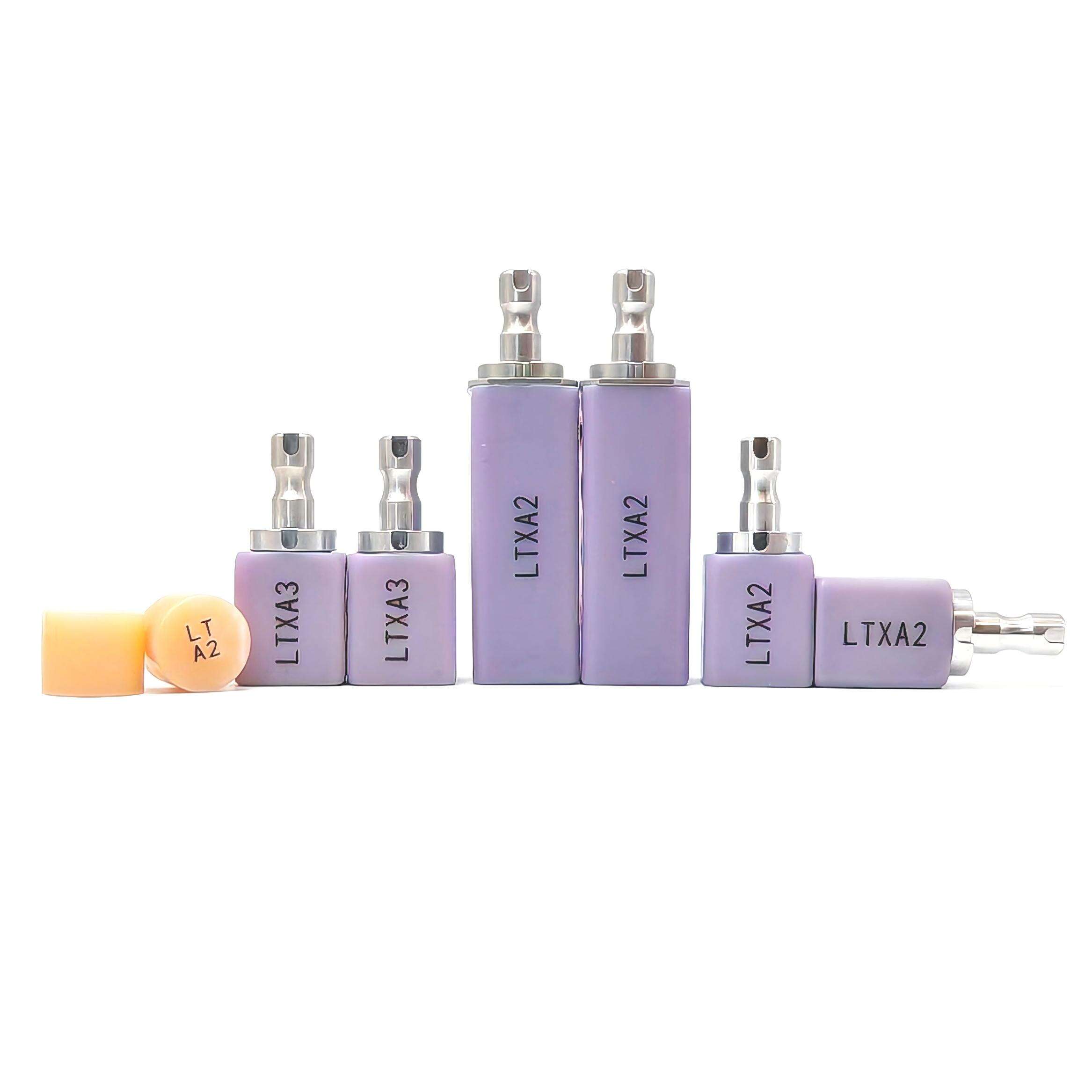
Selecting the right supplier for dental lithium disilicate materials represents one of the most critical decisions dental laboratories and clinicians make when establishing their restorative workflow. The quality, consistency, and technical support provided by your dental lithium disilicate supplier directly impacts patient outcomes, laboratory efficiency, and the long-term success of aesthetic restorations. With numerous suppliers offering varying grades of dental lithium disilicate, understanding the key evaluation criteria becomes essential for making informed procurement decisions.
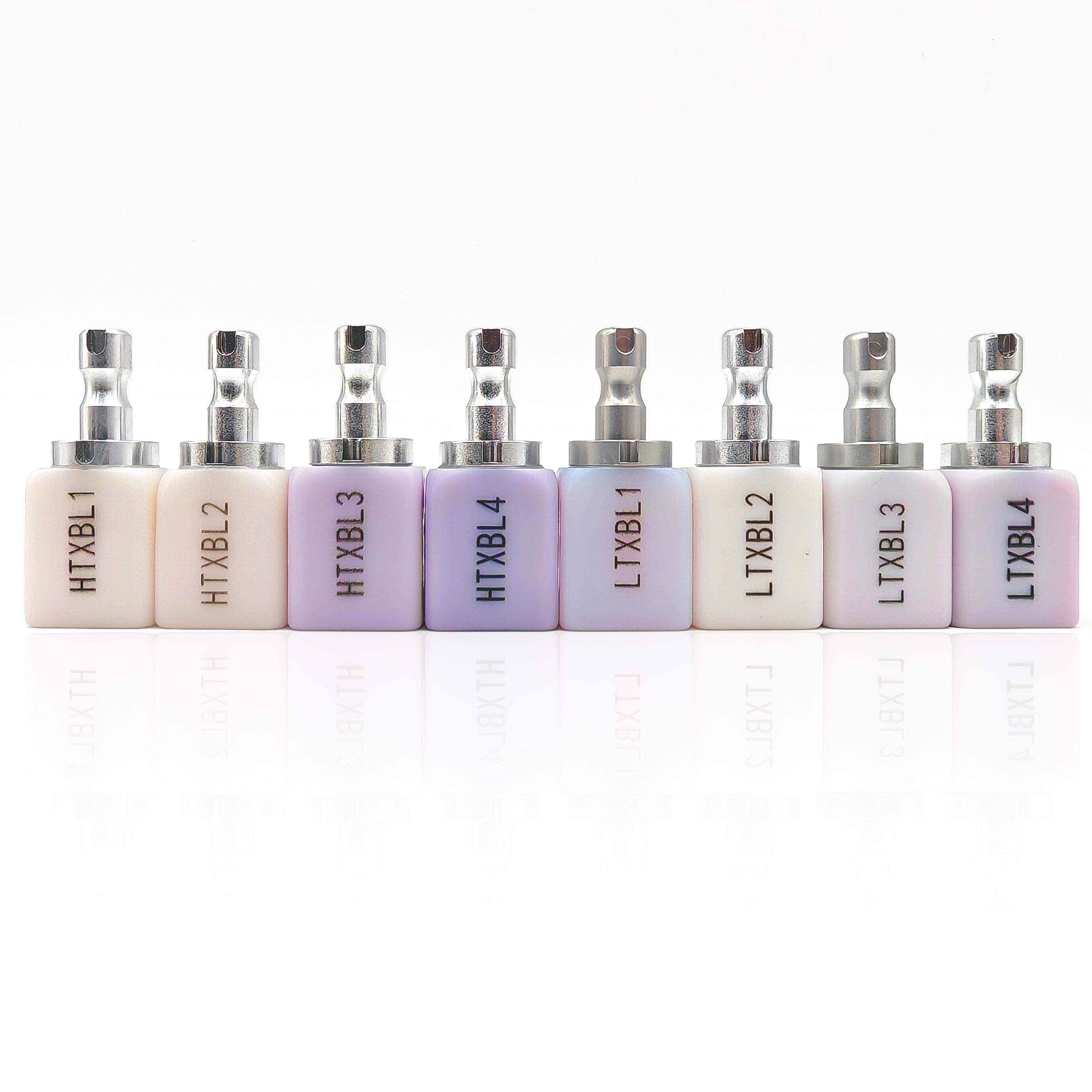
This comprehensive supplier selection guide addresses the fundamental considerations that distinguish exceptional dental lithium disilicate suppliers from adequate ones. From material certification standards and quality control protocols to technical support capabilities and supply chain reliability, each factor contributes to your overall success with dental lithium disilicate applications. The following framework provides dental professionals with a systematic approach to evaluate potential suppliers and establish productive partnerships that enhance their restorative capabilities.
Material Quality Assessment Criteria
Chemical Composition Standards
When evaluating dental lithium disilicate suppliers, the chemical composition consistency serves as the foundation for predictable clinical results. Superior suppliers maintain strict control over the lithium oxide to silica ratio, typically targeting 11-19% lithium oxide content for optimal mechanical properties. The presence of trace elements like potassium oxide, aluminum oxide, and phosphorus pentoxide must remain within specified ranges to ensure consistent thermal expansion coefficients and compatibility with dental porcelains.
Reputable dental lithium disilicate suppliers provide detailed certificates of analysis with each batch, documenting the precise chemical composition and confirming adherence to international standards such as ISO 6872 for dental ceramics. These certificates should include quantitative analysis of all major and minor constituents, enabling laboratories to verify material consistency across different production lots. The supplier's quality control laboratory should employ advanced analytical techniques like X-ray fluorescence spectroscopy or inductively coupled plasma spectroscopy for accurate composition verification.
The crystalline structure of dental lithium disilicate significantly influences its mechanical properties, with suppliers demonstrating expertise in controlling crystal size and distribution during manufacturing. High-quality suppliers utilize controlled nucleation and growth processes to achieve uniform crystal morphology, resulting in superior flexural strength values exceeding 400 MPa. Documentation of crystallographic analysis through X-ray diffraction patterns provides additional assurance of material quality and processing control.
Physical Property Verification
Mechanical property testing represents a critical evaluation criterion for dental lithium disilicate suppliers, with flexural strength, fracture toughness, and Weibull modulus serving as key performance indicators. Leading suppliers conduct regular mechanical testing using standardized procedures, providing statistical data on material performance rather than single-point measurements. The flexural strength should consistently exceed 360 MPa according to ISO 6872 requirements, with minimal variation between production batches.
Thermal properties of dental lithium disilicate, including coefficient of thermal expansion and glass transition temperature, must align with clinical requirements for successful veneer application and thermal cycling resistance. Reliable suppliers maintain tight control over these thermal characteristics, typically achieving coefficient of thermal expansion values between 10.0-10.5 × 10⁻⁶/K. Temperature-dependent behavior during firing cycles should remain predictable and reproducible across different material lots.
Optical properties assessment encompasses translucency, opalescence, and fluorescence characteristics that contribute to natural tooth appearance. Professional dental lithium disilicate suppliers invest in spectrophotometric analysis equipment to quantify optical properties and ensure consistency in aesthetic outcomes. Color stability testing under accelerated aging conditions provides additional insight into long-term performance expectations for clinical applications.
Manufacturing Capabilities and Quality Systems
Production Scale and Consistency
The manufacturing scale of potential dental lithium disilicate suppliers directly impacts their ability to maintain consistent quality and meet delivery commitments. Large-scale production facilities typically demonstrate better batch-to-batch consistency through automated process control and reduced human variability. However, smaller specialized suppliers may offer advantages in customization capabilities and technical flexibility for unique applications or specific shade requirements.
Quality management systems implementation provides crucial insight into supplier reliability and commitment to continuous improvement. ISO 13485 certification for medical devices represents the minimum acceptable standard for dental lithium disilicate suppliers, demonstrating adherence to regulatory requirements and quality system principles. Additional certifications such as ISO 9001 or industry-specific standards indicate enhanced quality focus and systematic approach to process control.
Process validation documentation should encompass all critical manufacturing steps, from raw material preparation through final packaging and sterilization. Comprehensive process validation demonstrates the supplier's understanding of critical control points and their ability to maintain consistent product quality. Statistical process control charts and capability studies provide quantitative evidence of manufacturing stability and predictability.
Research and Development Investment
Investment in research and development capabilities distinguishes forward-thinking dental lithium disilicate suppliers from commodity providers. Suppliers with dedicated R&D facilities demonstrate commitment to material improvement, new product development, and technical problem-solving support. Access to advanced characterization equipment, including scanning electron microscopy, differential scanning calorimetry, and mechanical testing systems, enables comprehensive material evaluation and development work.
Collaboration with academic institutions and clinical researchers indicates supplier engagement with the broader dental community and commitment to evidence-based product development. Publications in peer-reviewed journals and presentations at professional conferences demonstrate technical expertise and thought leadership in dental lithium disilicate applications. These activities often translate into superior technical support and educational resources for customers.
Innovation pipeline assessment involves evaluating the supplier's roadmap for new product introductions and material enhancements. Progressive suppliers actively work on improving existing formulations while developing next-generation materials with enhanced properties. Transparency regarding future development directions helps dental professionals plan for technology transitions and maintain competitive advantages in their markets.
Technical Support and Educational Resources
Application Engineering Assistance
Comprehensive technical support capabilities separate exceptional dental lithium disilicate suppliers from basic material providers. Access to experienced application engineers who understand both material science fundamentals and practical clinical challenges enables effective problem-solving and optimization of processing parameters. These technical specialists should demonstrate deep knowledge of firing schedules, compatibility issues, and troubleshooting methodologies specific to dental lithium disilicate applications.
Training program availability represents a valuable supplier service that accelerates implementation success and reduces learning curve challenges. Professional suppliers offer structured educational programs covering material handling, processing techniques, quality control procedures, and clinical applications. These programs may include hands-on laboratory sessions, webinar series, and comprehensive documentation packages that support skill development and knowledge transfer.
Custom formulation capabilities demonstrate supplier flexibility and commitment to meeting specific customer requirements. Some applications may require modified thermal expansion coefficients, enhanced translucency, or specialized shade matching characteristics. Suppliers with custom formulation capabilities can work collaboratively to develop tailored solutions that address unique clinical or laboratory requirements while maintaining the fundamental benefits of dental lithium disilicate materials.
Documentation and Regulatory Support
Regulatory compliance documentation represents a critical supplier service that enables smooth product adoption and reduces administrative burden for dental laboratories. Complete regulatory packages should include biocompatibility testing results, material safety data sheets, and regulatory clearances for relevant markets. International suppliers must provide documentation that meets local regulatory requirements in each target market.
Technical data sheets and application guides provide essential information for successful implementation of dental lithium disilicate materials. Comprehensive documentation should cover recommended processing parameters, compatibility guidelines, troubleshooting procedures, and performance expectations. Regular updates to technical documentation reflect ongoing supplier commitment to customer support and material optimization efforts.
Quality complaint handling procedures demonstrate supplier responsiveness and commitment to customer satisfaction. Effective complaint systems include prompt investigation protocols, corrective action implementation, and feedback mechanisms that prevent recurring issues. Transparency in complaint resolution builds trust and confidence in the supplier relationship while ensuring continuous improvement in product quality and service delivery.
Supply Chain Reliability and Commercial Terms
Inventory Management and Delivery Performance
Supply chain reliability represents a fundamental requirement for dental lithium disilicate suppliers, as material shortages can disrupt laboratory operations and delay patient treatments. Evaluation of supplier inventory management practices should include assessment of safety stock levels, demand forecasting capabilities, and backup production capacity. Suppliers with multiple manufacturing locations or strategic inventory distribution points demonstrate enhanced supply security and reduced risk of disruptions.
Delivery performance metrics provide quantitative insight into supplier reliability and service quality. Key performance indicators should include on-time delivery rates, order accuracy, and lead time consistency. Superior suppliers maintain delivery performance above 95% while providing accurate delivery commitments that enable effective production planning. Electronic data interchange capabilities and real-time order tracking systems enhance supply chain visibility and coordination.
Packaging and shipping procedures must ensure material integrity throughout the distribution process while minimizing handling damage and contamination risks. Professional dental lithium disilicate suppliers utilize appropriate protective packaging, environmental controls, and handling procedures that maintain product quality from factory to end user. Clear labeling and lot identification systems support traceability requirements and quality control procedures.
Pricing Structure and Contract Terms
Pricing transparency and competitive positioning influence the total cost of ownership for dental lithium disilicate materials. Evaluation should encompass not only unit prices but also volume discounts, payment terms, and any additional fees for technical support or custom services. Long-term price stability commitments provide budget predictability and protect against unexpected cost increases that could impact laboratory profitability.
Contract terms and service level agreements define the commercial relationship and establish expectations for both parties. Key contract elements should address delivery commitments, quality standards, warranty provisions, and liability limitations. Flexible contract structures that accommodate business growth or changing requirements demonstrate supplier partnership orientation rather than purely transactional relationships.
Value-added services assessment encompasses the broader range of supplier capabilities beyond basic material supply. These services might include consignment inventory programs, technical training, application development support, or marketing assistance. Suppliers offering comprehensive value-added services often provide superior total value despite potentially higher unit material costs.
FAQ
What certifications should I require from dental lithium disilicate suppliers?
Essential certifications include ISO 13485 for medical devices, FDA clearance or CE marking for regulatory compliance, and ISO 6872 compliance for dental ceramics. Additional quality certifications like ISO 9001 indicate enhanced quality management systems. Biocompatibility testing certification according to ISO 10993 standards ensures material safety for dental applications.
How can I evaluate the consistency of dental lithium disilicate quality between different production batches?
Request certificates of analysis for multiple production batches showing chemical composition, mechanical properties, and thermal characteristics. Statistical process control data demonstrating capability indices above 1.33 indicates good process control. Physical testing of sample batches in your laboratory environment provides direct verification of material consistency and performance predictability.
What technical support should I expect from a dental lithium disilicate supplier?
Comprehensive technical support should include access to application engineers, troubleshooting assistance, processing parameter optimization, and training programs. Documentation packages should cover installation procedures, quality control methods, and compatibility guidelines. Responsive complaint handling with investigation and corrective action within 48 hours demonstrates professional service commitment.
How important is supplier location and logistics capability for dental lithium disilicate procurement?
Supplier location affects delivery times, shipping costs, and emergency supply availability. Local or regional suppliers often provide faster delivery and reduced logistics costs, while global suppliers may offer better pricing and broader product ranges. Evaluate logistics capabilities including inventory distribution, order processing systems, and backup supply arrangements to ensure reliable material availability for your production requirements.
Table of Contents
- Material Quality Assessment Criteria
- Manufacturing Capabilities and Quality Systems
- Technical Support and Educational Resources
- Supply Chain Reliability and Commercial Terms
-
FAQ
- What certifications should I require from dental lithium disilicate suppliers?
- How can I evaluate the consistency of dental lithium disilicate quality between different production batches?
- What technical support should I expect from a dental lithium disilicate supplier?
- How important is supplier location and logistics capability for dental lithium disilicate procurement?