
 EN
EN
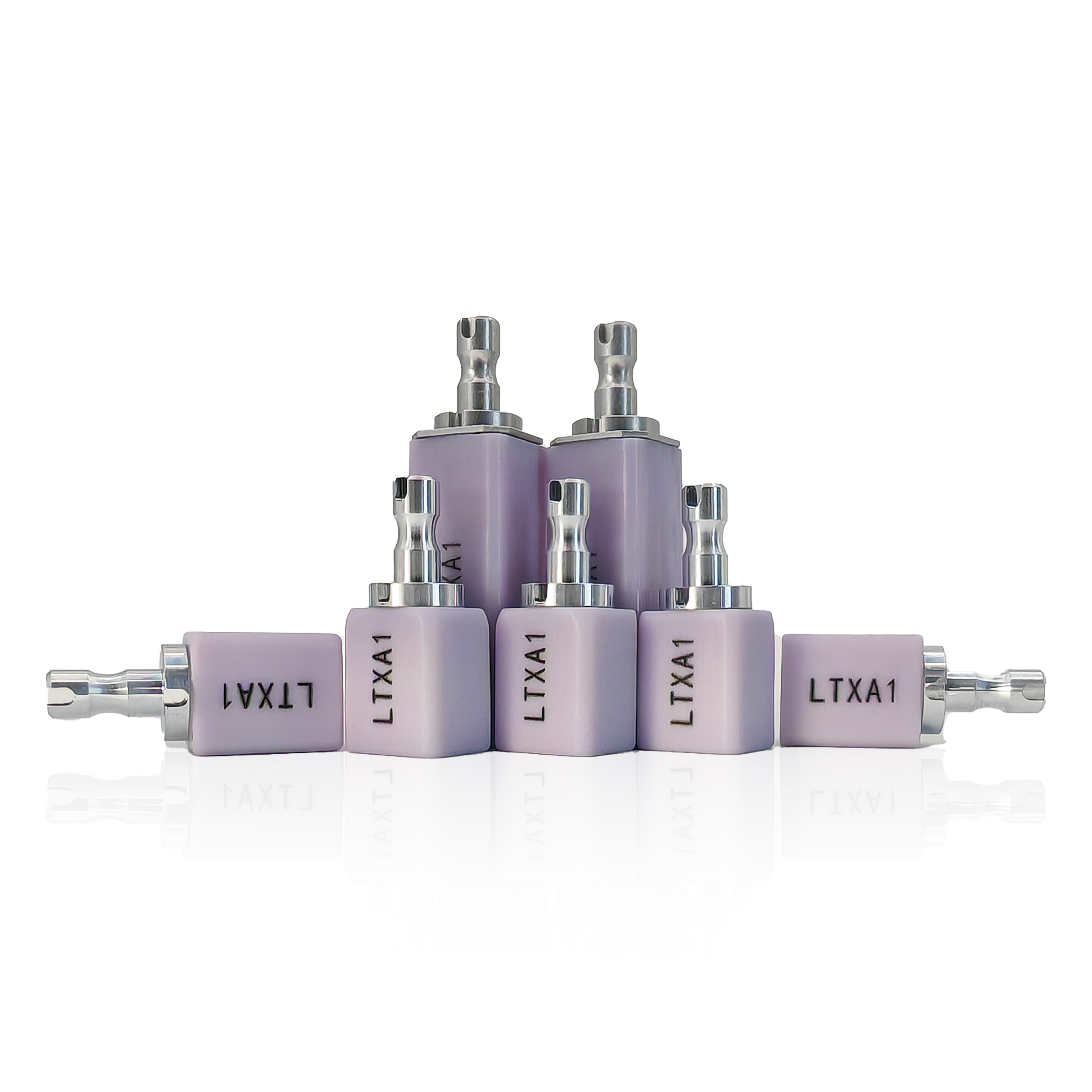
Dental glass ceramic represents a breakthrough in restorative dentistry, combining the strength of crystalline structures with the aesthetic appeal of natural tooth enamel. This advanced material has revolutionized how dental professionals approach restorations, offering unique properties that make it exceptionally well-suited for both anterior and posterior applications. Understanding what makes dental glass ceramic ideal requires examining its fundamental characteristics and how they translate into superior clinical performance.
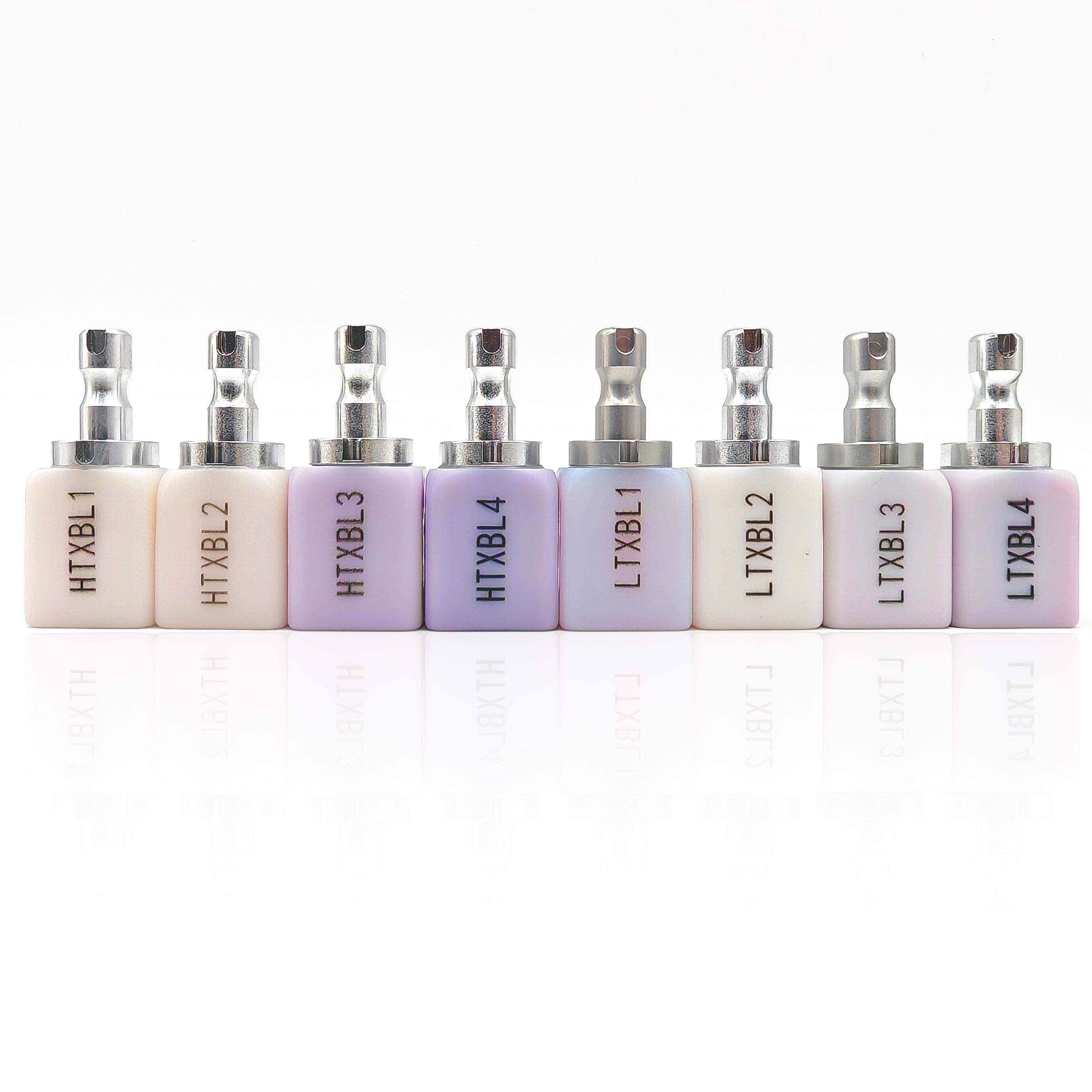
The excellence of dental glass ceramic in restorative applications stems from its ability to mimic natural tooth structure while providing enhanced durability and biocompatibility. Unlike traditional ceramic materials, dental glass ceramic achieves an optimal balance between mechanical strength and optical properties, making it the preferred choice for demanding restoration scenarios. This material's success lies in its sophisticated microstructure and carefully controlled composition that delivers consistent, predictable results in clinical practice.
Unique Material Properties of Dental Glass Ceramic
Crystalline Structure and Mechanical Strength
The foundation of dental glass ceramic's exceptional performance lies in its controlled crystalline structure. During the manufacturing process, specific crystalline phases are nucleated and grown within the glass matrix, creating a material that exhibits significantly higher strength than conventional glass. This controlled crystallization process results in dental glass ceramic achieving flexural strengths ranging from 300 to 400 MPa, making it suitable for both single crowns and multi-unit bridges.
The crystalline reinforcement in dental glass ceramic occurs through the formation of lithium disilicate or leucite crystals, depending on the specific formulation. These crystals act as strengthening agents within the glass matrix, effectively stopping crack propagation and improving overall fracture resistance. This unique microstructure allows dental glass ceramic to withstand the significant occlusal forces encountered in the oral environment while maintaining its structural integrity over extended periods.
Furthermore, the controlled crystal size and distribution in dental glass ceramic contribute to its excellent machinability properties. The material can be precisely shaped and contoured during fabrication, allowing for accurate margin adaptation and optimal fit. This combination of strength and workability makes dental glass ceramic particularly valuable for creating restorations that require both durability and precise anatomical reproduction.
Optical Properties and Aesthetic Excellence
What truly distinguishes dental glass ceramic in aesthetic applications is its remarkable ability to replicate the optical properties of natural tooth enamel. The material exhibits controlled translucency that closely matches human dental tissue, allowing light to penetrate and reflect in patterns similar to natural teeth. This optical similarity is crucial for achieving seamless integration between the restoration and surrounding tooth structure.
The refractive index of dental glass ceramic is carefully formulated to match that of natural enamel, ensuring that light behaves consistently across the restoration-tooth interface. This property eliminates the optical discontinuities that can make restorations appear artificial or create visible transition lines. Additionally, dental glass ceramic maintains stable coloration over time, resisting the staining and discoloration that can affect other restorative materials.
The fluorescence characteristics of dental glass ceramic further enhance its aesthetic appeal. When exposed to ultraviolet light, the material exhibits fluorescence similar to natural teeth, ensuring that restorations appear natural under various lighting conditions. This property is particularly important for anterior restorations where aesthetic demands are highest, making dental glass ceramic the ideal choice for visible areas of the dentition.
Biocompatibility and Tissue Integration
Chemical Inertness and Biological Safety
The biocompatibility of dental glass ceramic stems from its chemically inert nature and excellent corrosion resistance in the oral environment. Unlike metallic restorative materials, dental glass ceramic does not release ions or undergo galvanic reactions that could potentially cause tissue irritation or systemic effects. This chemical stability ensures long-term biocompatibility and reduces the risk of adverse biological responses.
Extensive biocompatibility testing has demonstrated that dental glass ceramic exhibits no cytotoxic effects on oral tissues. Cell culture studies consistently show excellent cell viability when tissues are exposed to dental glass ceramic surfaces, indicating that the material supports healthy tissue responses. This biological safety profile makes dental glass ceramic suitable for patients with metal sensitivities or those requiring long-term restorative solutions.
The surface chemistry of dental glass ceramic also promotes favorable interactions with oral tissues. The material's surface can be conditioned to enhance bonding with both tooth structure and soft tissues, creating stable interfaces that resist bacterial colonization. This property contributes to the long-term success of dental glass ceramic restorations by minimizing the risk of secondary caries and periodontal complications.
Thermal Compatibility and Expansion Characteristics
The thermal expansion coefficient of dental glass ceramic is engineered to closely match that of natural tooth structure, ensuring dimensional stability under temperature variations encountered in the oral cavity. This thermal compatibility prevents the development of stress concentrations at the restoration-tooth interface that could lead to bond failure or crack initiation. The careful matching of thermal properties makes dental glass ceramic particularly suitable for extensive restorations where thermal stress management is critical.
Temperature cycling studies demonstrate that dental glass ceramic maintains its bond integrity and structural stability through repeated thermal stress. This thermal durability ensures that restorations continue to perform reliably despite the constant temperature fluctuations associated with eating, drinking, and breathing. The material's thermal stability also supports predictable clinical performance across diverse environmental conditions.
Additionally, the low thermal conductivity of dental glass ceramic provides patient comfort by reducing thermal sensitivity. Unlike metallic restorations that can conduct temperature changes rapidly to the underlying tooth structure, dental glass ceramic acts as an effective thermal barrier. This property helps prevent post-operative sensitivity and enhances patient satisfaction with the restoration.
Manufacturing Advantages and Clinical Workflow
CAD/CAM Compatibility and Digital Integration
Modern dental glass ceramic materials are specifically formulated for optimal compatibility with CAD/CAM manufacturing systems, enabling precise digital fabrication of restorations. The material's homogeneous structure and controlled hardness allow for predictable machining characteristics that produce accurate, high-quality restorations with minimal tool wear. This manufacturing compatibility makes dental glass ceramic ideal for digital workflows that demand consistency and precision.
The machinability of dental glass ceramic enables the creation of complex restoration geometries with fine detail reproduction. Advanced milling systems can achieve margin accuracies within 50 micrometers when working with properly formulated dental glass ceramic blocks. This precision supports excellent clinical fit and reduces the need for extensive chairside adjustments, streamlining the delivery process for both clinician and patient.
Furthermore, dental glass ceramic's compatibility with digital workflows extends to color matching and characterization capabilities. Many dental glass ceramic systems offer extensive shade libraries that can be accurately reproduced through digital manufacturing processes. This consistency ensures predictable aesthetic outcomes and simplifies inventory management for dental practices and laboratories.
Heat Treatment and Strengthening Processes
The unique heat treatment capabilities of dental glass ceramic provide opportunities for strength enhancement and customization that are not available with other restorative materials. Controlled firing cycles can be used to optimize the crystalline structure and achieve specific mechanical properties tailored to the restoration requirements. This flexibility allows dental glass ceramic to be customized for different clinical applications, from thin veneers to full-coverage crowns.
Heat treatment protocols for dental glass ceramic are well-established and reproducible, ensuring consistent results across different manufacturing environments. The material responds predictably to thermal processing, allowing laboratories to achieve reliable strength and aesthetic outcomes. This process control makes dental glass ceramic particularly suitable for standardized manufacturing workflows where consistency is paramount.
The strengthening achieved through proper heat treatment significantly enhances the clinical performance of dental glass ceramic restorations. Studies demonstrate that appropriately processed dental glass ceramic exhibits improved fracture resistance and fatigue performance compared to materials that undergo improper thermal processing. This emphasis on controlled heat treatment underscores the importance of proper manufacturing protocols in realizing the full potential of dental glass ceramic materials.
Clinical Performance and Long-term Success
Wear Resistance and Durability
Clinical studies consistently demonstrate the exceptional wear resistance of dental glass ceramic restorations, with wear rates closely matching those of natural tooth enamel. This compatibility in wear characteristics prevents the development of uneven occlusal relationships that can occur when restorative materials exhibit significantly different wear patterns than natural teeth. The balanced wear behavior of dental glass ceramic contributes to long-term occlusal stability and reduces the risk of complications in opposing dentition.
The durability of dental glass ceramic extends beyond simple wear resistance to include excellent fatigue performance under cyclic loading. Laboratory testing simulating years of clinical function shows that properly designed dental glass ceramic restorations maintain their structural integrity through millions of loading cycles. This fatigue resistance is crucial for posterior applications where restorations must withstand significant and repeated occlusal forces.
Long-term clinical follow-up studies report survival rates exceeding 95% for dental glass ceramic restorations at 10-year intervals, demonstrating the material's exceptional clinical performance. These high success rates reflect the material's ability to resist fracture, maintain marginal integrity, and preserve aesthetic appearance over extended service periods. Such clinical evidence confirms that dental glass ceramic represents a reliable long-term solution for restorative needs.
Bonding Capabilities and Adhesive Integration
The surface conditioning characteristics of dental glass ceramic enable strong, durable bonds with modern adhesive systems. Hydrofluoric acid etching creates a highly retentive surface topography that mechanical interlocks with resin-based adhesives, while silane coupling agents form chemical bonds that enhance the durability of the restoration-adhesive interface. This dual bonding mechanism provides exceptional retention that supports the long-term success of dental glass ceramic restorations.
Bond strength testing demonstrates that properly conditioned dental glass ceramic surfaces achieve bond values exceeding 20 MPa with contemporary adhesive systems. These high bond strengths enable conservative preparation designs that preserve maximum tooth structure while ensuring reliable retention. The predictable bonding behavior of dental glass ceramic makes it particularly suitable for minimally invasive restorative techniques where adhesive retention is primary.
The durability of bonds formed with dental glass ceramic has been validated through extensive aging studies that simulate oral environment conditions. These studies show that properly established bonds maintain their strength through thermal cycling, pH variations, and mechanical stress that replicate years of clinical service. This bond durability contributes significantly to the long-term success and reliability of dental glass ceramic restorations in clinical practice.
FAQ
How does dental glass ceramic compare to traditional porcelain for crown restorations?
Dental glass ceramic offers superior strength and fracture resistance compared to traditional porcelain while maintaining excellent aesthetic properties. The crystalline reinforcement in dental glass ceramic provides flexural strengths of 300-400 MPa, significantly higher than conventional porcelain's 100-150 MPa. Additionally, dental glass ceramic exhibits better thermal shock resistance and more predictable bonding characteristics, making it more suitable for demanding clinical applications and conservative preparation designs.
Can dental glass ceramic be used for both anterior and posterior restorations?
Yes, dental glass ceramic is uniquely suited for both anterior and posterior applications due to its combination of high strength and excellent aesthetics. For anterior restorations, the material's superior optical properties and natural fluorescence provide outstanding aesthetic results, while its strength and wear resistance make it highly suitable for posterior crowns and bridges where mechanical demands are greatest. This versatility makes dental glass ceramic an ideal single-material solution for comprehensive restorative treatments.
What preparation requirements are needed for dental glass ceramic restorations?
Dental glass ceramic typically requires minimal tooth reduction due to its high strength-to-thickness ratio, allowing for conservative preparation designs that preserve tooth structure. Occlusal reduction of 1.5-2.0mm is generally sufficient for posterior crowns, while anterior restorations may require only 1.0-1.5mm of reduction. The material's excellent bonding capabilities support adhesive retention, reducing the need for aggressive mechanical retention features and enabling more conservative preparation geometries than traditional crown materials.
How long do dental glass ceramic restorations typically last?
Clinical studies demonstrate that dental glass ceramic restorations achieve survival rates exceeding 95% at 10 years, with many restorations providing excellent service for 15-20 years or longer with proper care. The longevity of dental glass ceramic restorations depends on factors including proper case selection, precise fabrication, appropriate bonding protocols, and good oral hygiene maintenance. The material's excellent biocompatibility and chemical stability contribute to its long-term clinical success and patient satisfaction.
Table of Contents
- Unique Material Properties of Dental Glass Ceramic
- Biocompatibility and Tissue Integration
- Manufacturing Advantages and Clinical Workflow
- Clinical Performance and Long-term Success
-
FAQ
- How does dental glass ceramic compare to traditional porcelain for crown restorations?
- Can dental glass ceramic be used for both anterior and posterior restorations?
- What preparation requirements are needed for dental glass ceramic restorations?
- How long do dental glass ceramic restorations typically last?