
 EN
EN
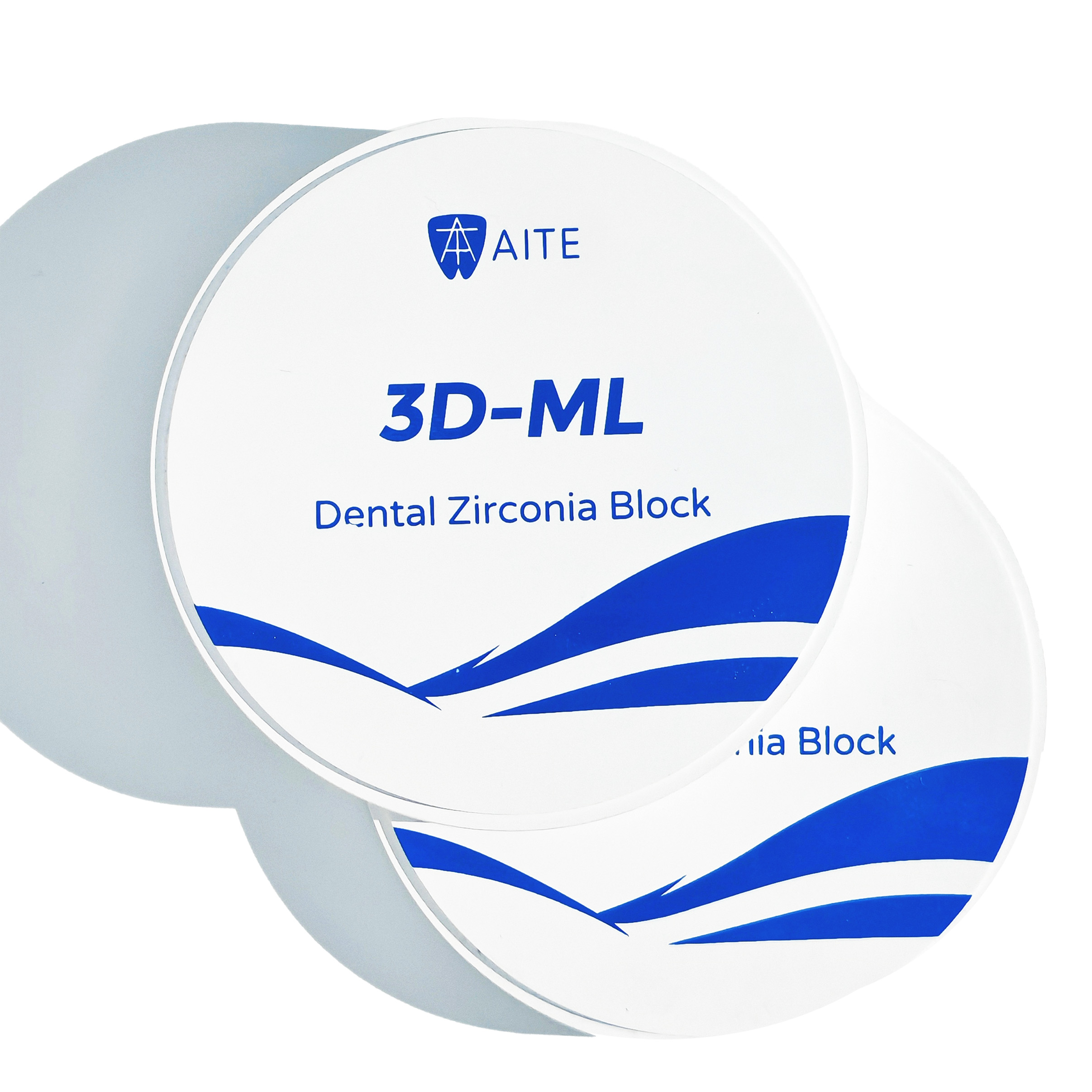
Procurement of multilayer zirconia blocks requires strategic planning and technical expertise to ensure optimal results for dental restoration applications. These advanced ceramic materials have revolutionized the dental industry with their superior strength, aesthetic properties, and biocompatibility. Understanding the critical factors in sourcing multilayer zirconia blocks can significantly impact both the quality of patient outcomes and the operational efficiency of dental laboratories and clinics.
Successful procurement of multilayer zirconia blocks involves evaluating material specifications, supplier capabilities, quality assurance protocols, and long-term partnership potential. The complexity of these materials demands a comprehensive approach that balances technical requirements with commercial considerations. Dental professionals and procurement managers must navigate various factors including material grades, manufacturing standards, delivery logistics, and cost-effectiveness to make informed purchasing decisions that support consistent clinical excellence.
Understanding Material Specifications and Quality Standards
Physical and Mechanical Properties Assessment
When procuring multilayer zirconia blocks, thorough evaluation of physical and mechanical properties forms the foundation of quality assurance. The flexural strength of multilayer zirconia blocks should typically range between 800-1200 MPa, ensuring sufficient durability for posterior restorations. Fracture toughness values of 4-6 MPa·m½ indicate the material's resistance to crack propagation under clinical stress conditions.
The translucency gradient in multilayer zirconia blocks requires careful verification to ensure proper aesthetic outcomes. Cervical layers should exhibit opacity values between 50-70% to mask discolored tooth structures, while incisal layers should demonstrate translucency levels of 30-45% for natural light transmission. These specifications directly impact the final restoration's ability to blend seamlessly with adjacent natural teeth.
Density measurements provide crucial insights into the sintering quality of multilayer zirconia blocks. Properly processed blocks should achieve theoretical density values above 99%, indicating complete grain boundary formation and minimal porosity. Lower density values may compromise mechanical properties and long-term clinical performance, making this parameter essential for procurement evaluation.
Chemical Composition and Purity Standards
The chemical composition of multilayer zirconia blocks significantly influences their clinical performance and stability. Pure zirconia content should exceed 99% by weight, with stabilizing oxides such as yttria maintained within optimal ranges of 3-5% for tetragonal phase stability. Impurity levels, particularly alumina and silica content, should remain below 0.5% to prevent adverse effects on mechanical properties.
Procurement specifications should include detailed certificates of analysis documenting trace element content in multilayer zirconia blocks. Elements such as hafnium, iron, and titanium must be controlled within acceptable limits to ensure biocompatibility and prevent discoloration during clinical service. Regular batch testing and documentation provide traceability and quality assurance for dental applications.
Radioactivity levels in multilayer zirconia blocks require verification to comply with international safety standards. Natural zirconium ores may contain trace amounts of radioactive elements, necessitating purification processes during manufacturing. Procurement teams should request radiation certificates confirming compliance with regulatory limits for medical device applications.
Supplier Evaluation and Partnership Criteria
Manufacturing Capabilities and Technology Assessment
Evaluating supplier manufacturing capabilities ensures consistent quality and reliable supply of multilayer zirconia blocks. Advanced production facilities should utilize state-of-the-art pressing and sintering equipment capable of maintaining precise temperature and pressure controls throughout the manufacturing process. Automated handling systems minimize contamination risks and ensure dimensional accuracy across production batches.
Quality control infrastructure represents a critical factor in supplier selection for multilayer zirconia blocks. Comprehensive testing laboratories equipped with X-ray diffraction, scanning electron microscopy, and mechanical testing capabilities demonstrate commitment to quality assurance. Suppliers should maintain documented quality management systems certified to ISO 13485 standards for medical device manufacturing.
Production capacity and scalability assessments help ensure adequate supply continuity for multilayer zirconia blocks. Suppliers should demonstrate ability to meet current demand while maintaining flexibility for volume increases. Backup production capabilities and disaster recovery plans protect against supply chain disruptions that could impact patient care delivery.
Certification and Regulatory Compliance
Regulatory compliance verification forms an essential component of supplier evaluation for multilayer zirconia blocks. Suppliers must maintain current FDA 510(k) clearance, CE marking, and other relevant regulatory approvals for their target markets. Documentation should include comprehensive technical files demonstrating safety and efficacy through appropriate testing protocols.
Quality management system certifications provide additional assurance of supplier reliability for multilayer zirconia blocks. ISO 13485 certification specifically addresses medical device quality requirements, while ISO 9001 demonstrates broader quality management capabilities. Regular third-party audits and surveillance visits validate ongoing compliance with established standards.
Biocompatibility testing documentation should accompany multilayer zirconia blocks procurement packages. USP Class VI testing, ISO 10993 biological evaluation protocols, and cytotoxicity studies provide evidence of material safety for oral applications. Suppliers should maintain current testing results and update documentation according to regulatory requirements.
Cost Analysis and Value Optimization
Total Cost of Ownership Calculations
Comprehensive cost analysis for multilayer zirconia blocks extends beyond initial purchase prices to include total cost of ownership considerations. Shipping and handling costs, particularly for temperature-sensitive materials, can significantly impact overall procurement expenses. Volume discounts and long-term contract negotiations may offset higher unit prices through guaranteed pricing stability.
Processing efficiency factors influence the true cost-effectiveness of multilayer zirconia blocks. Materials requiring shorter milling times, reduced tool wear, and minimal post-processing steps deliver operational savings that offset higher material costs. Compatibility with existing CAD/CAM systems eliminates additional software or equipment investments, improving overall value proposition.
Waste reduction potential represents an often-overlooked cost consideration for multilayer zirconia blocks. Materials offering higher yield rates, reduced breakage during processing, and minimal remake requirements contribute to improved profitability. Quality consistency reduces inspection time and rework costs associated with defective materials.
Performance-Based Value Assessment
Long-term clinical performance data provides valuable insights for evaluating multilayer zirconia blocks beyond initial cost considerations. Materials with documented lower failure rates, reduced maintenance requirements, and extended service life offer superior value despite potentially higher upfront costs. Patient satisfaction scores and clinical success rates correlate directly with material quality investments.
Aesthetic performance capabilities of multilayer zirconia blocks justify premium pricing through enhanced patient outcomes and practice reputation benefits. Superior color matching, translucency gradients, and natural appearance characteristics enable higher case acceptance rates and premium fee structures. These factors contribute to improved return on investment for quality material procurement.
Technical support and training resources provided by suppliers add significant value to multilayer zirconia blocks procurement packages. Comprehensive educational programs, troubleshooting assistance, and clinical consultation services reduce learning curves and optimize material utilization. These support services often differentiate premium suppliers in competitive markets.
Supply Chain Management and Logistics
Inventory Management Strategies
Effective inventory management for multilayer zirconia blocks requires balancing material availability with storage costs and shelf life considerations. Just-in-time procurement strategies minimize carrying costs while ensuring adequate stock levels for production demands. Automated reordering systems based on usage patterns help maintain optimal inventory levels without overstocking.
Storage requirements for multilayer zirconia blocks include environmental controls to prevent moisture absorption and contamination. Climate-controlled storage areas with humidity levels below 60% preserve material integrity and prevent processing complications. First-in-first-out inventory rotation ensures materials are used within recommended timeframes to maintain quality standards.
Demand forecasting accuracy improves procurement efficiency for multilayer zirconia blocks by aligning supply with actual usage patterns. Historical consumption data, seasonal variations, and growth projections inform purchasing decisions and prevent stockouts. Collaborative planning with key suppliers enhances forecast accuracy and supply chain responsiveness.
Quality Assurance and Inspection Protocols
Incoming inspection procedures for multilayer zirconia blocks should include visual examination, dimensional verification, and batch documentation review. Random sampling protocols ensure representative quality assessment across shipments while maintaining cost-effective inspection processes. Non-conforming materials require immediate quarantine and supplier notification to prevent quality issues.
Traceability systems for multilayer zirconia blocks enable rapid response to quality issues and regulatory inquiries. Batch tracking through manufacturing, storage, and usage phases provides complete material history documentation. Electronic tracking systems facilitate recall procedures and quality investigation processes when required.
Supplier performance monitoring includes delivery reliability, quality consistency, and responsiveness metrics for multilayer zirconia blocks procurement. Regular scorecard reviews identify trends and improvement opportunities while recognizing exceptional supplier performance. Performance data guides supplier relationship management and future sourcing decisions.
FAQ
What are the most critical quality specifications to verify when procuring multilayer zirconia blocks?
The most critical specifications include flexural strength above 800 MPa, proper translucency gradients from cervical to incisal layers, density values exceeding 99% of theoretical density, and chemical purity with zirconia content above 99%. Additionally, verify biocompatibility certification, dimensional accuracy within ±0.1mm tolerances, and appropriate yttria stabilizer content between 3-5% for optimal phase stability.
How should procurement teams evaluate supplier reliability for multilayer zirconia blocks?
Supplier evaluation should focus on manufacturing capabilities including advanced pressing and sintering equipment, quality control infrastructure with comprehensive testing laboratories, and regulatory compliance including FDA clearance and CE marking. Assess production capacity, backup capabilities, quality management system certifications like ISO 13485, and track record of consistent delivery performance and technical support services.
What factors determine the total cost of ownership for multilayer zirconia blocks beyond the purchase price?
Total cost of ownership includes shipping and handling expenses, processing efficiency factors such as milling time and tool wear, waste reduction through higher yield rates and lower breakage, long-term clinical performance reducing remake costs, and supplier support services including training and technical assistance. Volume discounts, contract pricing stability, and compatibility with existing equipment also impact overall costs.
What storage and handling requirements are essential for maintaining multilayer zirconia blocks quality?
Multilayer zirconia blocks require climate-controlled storage with humidity levels below 60% to prevent moisture absorption and contamination. Temperature should remain stable between 15-25°C, with protection from direct sunlight and dust exposure. Implement first-in-first-out inventory rotation, maintain original packaging until use, and establish proper handling procedures to prevent damage during transport and storage.
Table of Contents
- Understanding Material Specifications and Quality Standards
- Supplier Evaluation and Partnership Criteria
- Cost Analysis and Value Optimization
- Supply Chain Management and Logistics
-
FAQ
- What are the most critical quality specifications to verify when procuring multilayer zirconia blocks?
- How should procurement teams evaluate supplier reliability for multilayer zirconia blocks?
- What factors determine the total cost of ownership for multilayer zirconia blocks beyond the purchase price?
- What storage and handling requirements are essential for maintaining multilayer zirconia blocks quality?