
 EN
EN
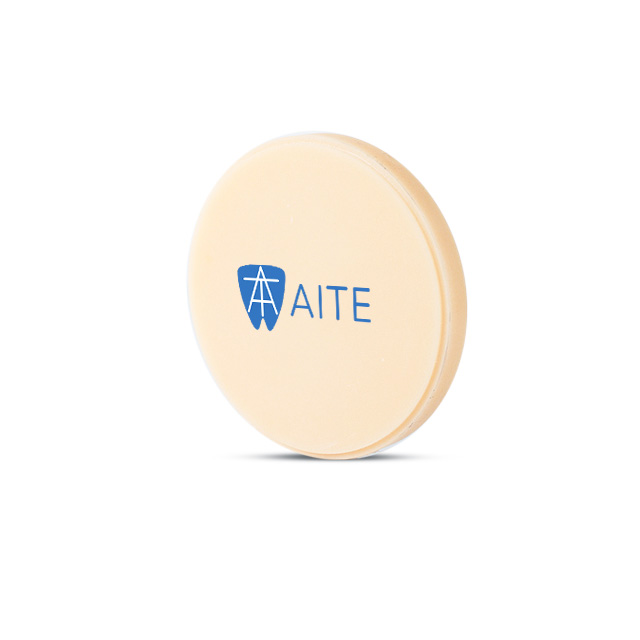
Dental PMMA has become a cornerstone material in modern prosthodontics, offering a combination of properties that make it ideal for restorations, dentures, and temporary prosthetics. Understanding the advantages of dental PMMA helps practitioners and dental labs make informed decisions about material selection. Dental PMMA delivers reliable performance, aesthetic appeal, and practical handling characteristics that align with both clinical requirements and patient expectations.
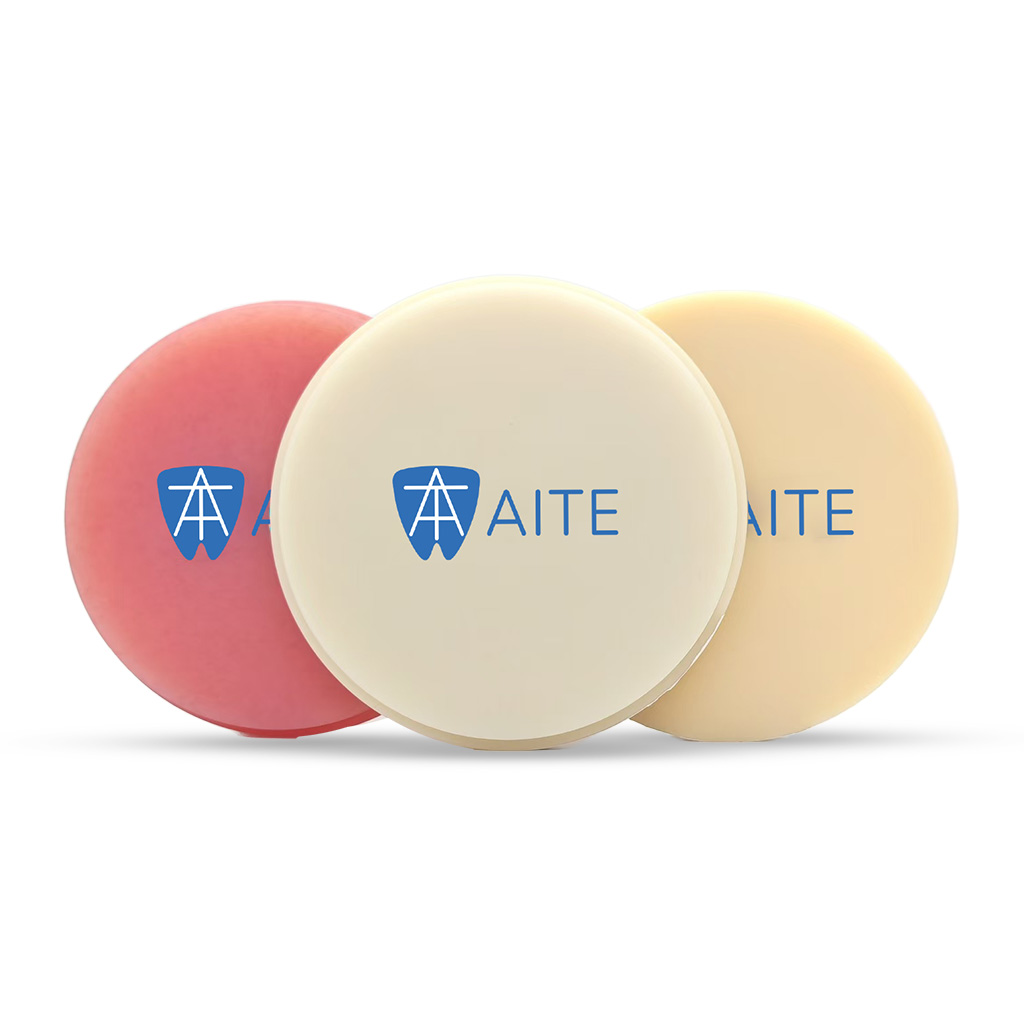
The widespread adoption of dental PMMA across dental practices reflects the material's proven track record and versatility. Dental PMMA accommodates various clinical scenarios, from complete dentures to interim restorations and maxillofacial appliances. This article explores the core advantages that position dental PMMA as a preferred choice in prosthodontic treatment planning and clinical implementation.
Superior Aesthetic Properties
Natural Color Matching and Translucency
One of the most significant advantages of dental PMMA is its ability to replicate natural tooth and tissue colors with remarkable accuracy. Dental PMMA exhibits inherent translucency that mimics the optical properties of natural teeth, creating restorations that integrate seamlessly with the patient's existing dentition. The material accepts custom stains and pigments, enabling technicians to achieve subtle color gradations and individualized characterization that enhance aesthetic outcomes.
Dental PMMA's color stability over time ensures that restorations maintain their aesthetic integrity throughout the restoration's clinical lifespan. Unlike some alternative materials, dental PMMA resists discoloration from exposure to food, beverages, and oral environments. This longevity of appearance is particularly valuable for anterior restorations where aesthetic demands are highest.
Customization and Tissue Integration
The versatility of dental PMMA extends to gingival characterization and tissue-colored components, which are essential for achieving naturalistic full dentures and partial prosthetics. Dental PMMA can be fabricated in multiple layers with different opacities and hues, creating depth and dimension that closely resemble natural soft tissue morphology. Technicians working with dental PMMA appreciate the material's responsiveness to conventional staining techniques, allowing fine-tuning of aesthetics to match each patient's unique features.
Exceptional Clinical Handling and Adjustability
Ease of Adjustment and Repair
Dental PMMA offers practitioners unmatched flexibility in clinical adjustment, which is a substantial advantage over rigid materials. Adjustments to dental PMMA dentures can be made directly in the patient's mouth without removing the prosthetic for laboratory reworking. Dental PMMA can be ground, polished, and relined using conventional dental equipment, reducing chairtime and minimizing disruption to the patient's treatment schedule.
Repairs to dental PMMA restorations are straightforward and cost-effective, extending the prosthetic's service life and maximizing return on investment. If a dental PMMA denture fractures, it can often be repaired chair-side using cold-cure or light-cure acrylic materials, restoring function within hours rather than days. This repairability advantage makes dental PMMA particularly valuable in high-volume practices and for patients requiring rapid prosthetic solutions.
Technique Simplicity and Predictability
The processing methods for dental PMMA are well-established and highly predictable, reducing fabrication errors and supporting consistent quality across different laboratory environments. Dental PMMA responds reliably to heat-curing, chemical-curing, and light-curing techniques, giving practitioners and technicians multiple processing pathways suited to different clinical timelines. The material's dimensional stability during curing is superior to many alternatives, resulting in restorations that fit accurately and require minimal adjustment.
Cost-Effectiveness and Clinical Efficiency
Lower Material and Labor Costs
Dental PMMA is among the most economical prosthetic materials available, making it accessible for patients across diverse economic backgrounds. The material cost for dental PMMA is substantially lower than alternatives such as composite resins or ceramic materials, without sacrificing clinical performance or aesthetic standards. Fabrication with dental PMMA requires standard dental laboratory equipment and conventional techniques, eliminating the need for expensive specialized machinery or proprietary processing systems.
The efficiency of dental PMMA processing directly reduces laboratory labor costs, translating to shorter turnaround times and reduced prosthetic fees for patients. Dental PMMA dentures and restorations can be completed within standard laboratory schedules, allowing practices to maintain productive patient flow without extended wait periods. This economic advantage makes dental PMMA the material of choice for high-volume prosthetic practices and institutional dental programs.
Scalability for Multiple Patients
Dental PMMA's straightforward processing makes it ideal for managing multiple cases simultaneously, which enhances practice efficiency and revenue generation. Laboratories processing dental PMMA can batch similar cases, optimizing heat cycles and laboratory resource allocation. Dental PMMA's forgiving nature during processing means that quality outcomes remain consistent even when managing large volumes, supporting scalable business models for dental prosthetic providers.
FAQ
What makes dental PMMA superior to other prosthetic materials?
Dental PMMA combines aesthetic excellence, adjustability, and affordability that few other materials match simultaneously. The material allows precise color customization, chair-side adjustments, and straightforward repairs, making it clinically practical. Dental PMMA's proven longevity and predictable processing support consistent clinical outcomes across diverse patient populations and practice settings.
Can dental PMMA restorations be adjusted after delivery?
Yes, one of the primary advantages of dental PMMA is its remarkable adjustability after delivery. Dental PMMA can be ground, relined, and repolished in the patient's mouth using standard dental equipment. This capability allows practitioners to refine fit, occlusion, and aesthetics without laboratory involvement, reducing patient visits and accelerating adaptation to new prosthetics.
Is dental PMMA suitable for long-term prosthetic solutions?
Dental PMMA is excellent for both temporary and definitive prosthetic applications. The material demonstrates long-term color stability, maintains structural integrity under normal masticatory forces, and resists degradation from oral fluids. Dental PMMA dentures and interim restorations routinely provide years of reliable service, making the material a practical choice for patients seeking durable, cost-effective prosthodontic solutions.