
 EN
EN
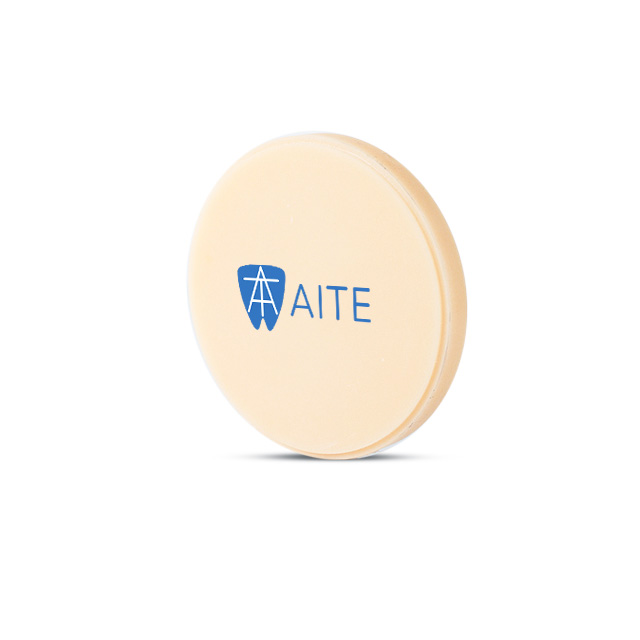
Dental PMMA has become the gold standard material for denture base fabrication in modern prosthodontics. Dentists and laboratory technicians consistently choose dental PMMA because it combines exceptional durability with aesthetic excellence and patient comfort. Understanding why dental PMMA dominates this market requires examining its unique physical properties, clinical performance, and practical advantages over alternative materials in real-world denture applications.
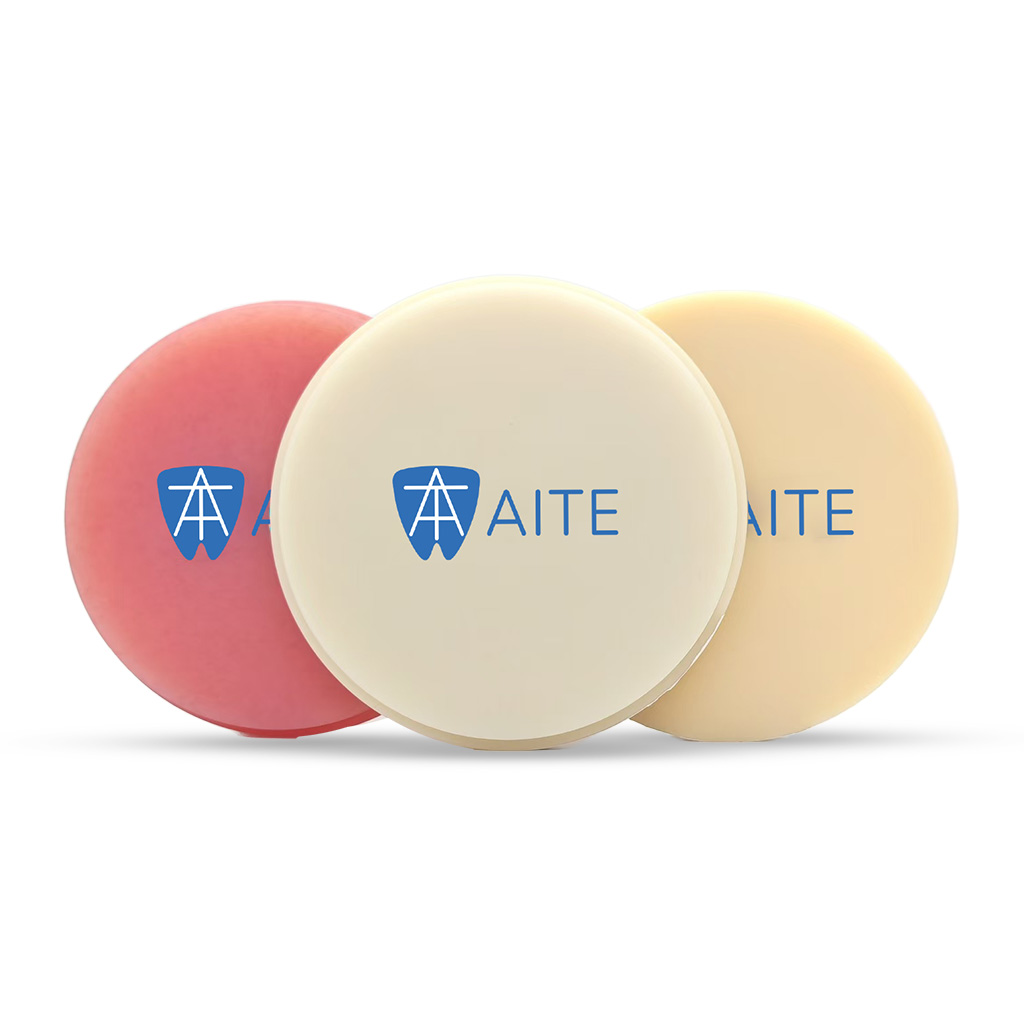
The superiority of dental PMMA in denture base construction stems from decades of clinical validation and continuous material refinement. Modern formulations of dental PMMA offer superior dimensional stability compared to earlier generations, ensuring dentures maintain precise fit and function throughout their service life. This article explores the specific reasons why dental PMMA remains the preferred choice for denture bases, covering material properties, clinical benefits, and practical considerations for practitioners and patients alike.
Superior Mechanical Properties and Longevity
Strength and Resilience in Daily Use
Dental PMMA exhibits exceptional mechanical strength that withstands the repetitive stresses of mastication and daily denture handling. The material resists fracture better than many alternative denture base materials, particularly when subjected to impact loads or accidental drops. Dental PMMA maintains its structural integrity even after years of continuous use, reducing the need for frequent repairs or replacements that increase patient costs and treatment disruption.
Dimensional Stability and Long-Term Fit
One of the most critical advantages of dental PMMA is its exceptional dimensional stability after polymerization. Unlike some alternative materials that continue to shrink or expand over time, dental PMMA maintains consistent dimensions that preserve the denture fit and retention patients rely upon. This stability ensures that patients do not experience gradual loosening or shifting of their dentures, which commonly occurs with materials having poor dimensional control and compromises both function and confidence.
Aesthetic Excellence and Natural Appearance
Color Matching and Shade Customization
Dental PMMA allows laboratory technicians to achieve precise shade matching that blends seamlessly with patients' natural gingival tissue and remaining teeth. The material accepts colorants evenly and maintains color stability throughout the denture lifetime without fading, yellowing, or discoloration that diminishes smile aesthetics. Dental PMMA can be tinted to replicate subtle variations in natural gum appearance, creating dentures that appear genuinely biological rather than obviously prosthetic.
Translucency and Optical Properties
The optical properties of dental PMMA enable light transmission that mimics natural soft tissue, enhancing the denture's visual integration with surrounding anatomy. Dental PMMA bases can incorporate slight translucency and surface texture variations that replicate the complexity of natural gingiva. This sophistication in appearance significantly improves patient satisfaction and confidence, particularly for patients with high aesthetic expectations or those wearing dentures in professional or social settings requiring natural appearance.
Biocompatibility and Patient Safety
Tissue Tolerance and Allergic Considerations
Dental PMMA has established an excellent safety profile through extensive clinical use spanning more than seven decades in oral healthcare applications. The material exhibits superior biocompatibility with oral soft tissues, causing minimal irritation or allergic reactions even in patients with sensitive gingival tissue. Dental PMMA releases negligible amounts of leachable components after polymerization when properly processed, ensuring long-term safety and comfort for denture wearers without the concern of cumulative toxic effects.
Ease of Adjustment and Maintenance
Dental PMMA responds favorably to clinical adjustments, repairs, and modifications that become necessary during denture service life. Practitioners can easily relieve pressure points, adjust occlusion, and perform repairs by adding material to dental PMMA denture bases without compromising structural integrity or requiring complete remake. This adaptability makes dental PMMA particularly valuable for ongoing patient care, allowing technicians to extend denture life and maintain patient satisfaction through convenient chairside modifications.
Cost-Effectiveness and Laboratory Efficiency
Manufacturing Simplicity and Production Speed
Dental PMMA denture base fabrication employs well-established techniques that laboratory technicians master through standard training protocols. The material processes reliably in conventional heat-cure and light-cure systems, minimizing failed batches and waste associated with newer experimental materials. Dental PMMA production timelines remain predictable and efficient, allowing laboratories to maintain reasonable turnaround times without expensive specialized equipment or lengthy processing protocols.
Long-Term Value and Patient Affordability
While initial denture construction costs vary by laboratory and complexity, dental PMMA delivers exceptional long-term value through durability and serviceability. The extended lifespan of dental PMMA dentures combined with straightforward repair options means patients experience lower total cost of ownership compared to materials requiring frequent replacement or expensive specialist repairs. Dental PMMA remains accessible to diverse patient populations, supporting equitable access to quality prosthetic dentistry regardless of economic circumstances.
FAQ
Can dental PMMA dentures last longer than other materials?
Yes, dental PMMA dentures typically outlast many alternative denture base materials when properly fabricated and maintained. The material's dimensional stability, mechanical strength, and resistance to degradation support denture longevity of 7 to 10 years or longer. Dental PMMA also tolerates clinical repairs and adjustments better than some alternatives, allowing practitioners to extend denture service life rather than requiring complete remake, which is not possible with more brittle materials.
Is dental PMMA safe for patients with material sensitivities?
Dental PMMA demonstrates excellent biocompatibility and causes allergic reactions in only rare cases among thousands of denture wearers. The material has been extensively studied and used clinically for decades, establishing safety in patients with oral sensitivity concerns. If a patient experiences unexpected reactions to dental PMMA, such reactions typically stem from processing residues rather than the material itself, and these can be minimized through proper laboratory polymerization protocols and denture hygiene practices.
How does dental PMMA compare to newer denture base materials?
While newer denture base materials continue to be developed, dental PMMA maintains significant practical advantages in established reliability, cost efficiency, adjustability, and predictable clinical performance. Dental PMMA benefits from extensive clinical data and refined formulations that newer materials lack. Many alternative materials promise improvements but fail to match dental PMMA's combination of mechanical properties, aesthetic capability, biocompatibility, and economic accessibility that makes dental PMMA the rational choice for most clinical situations.