
 EN
EN
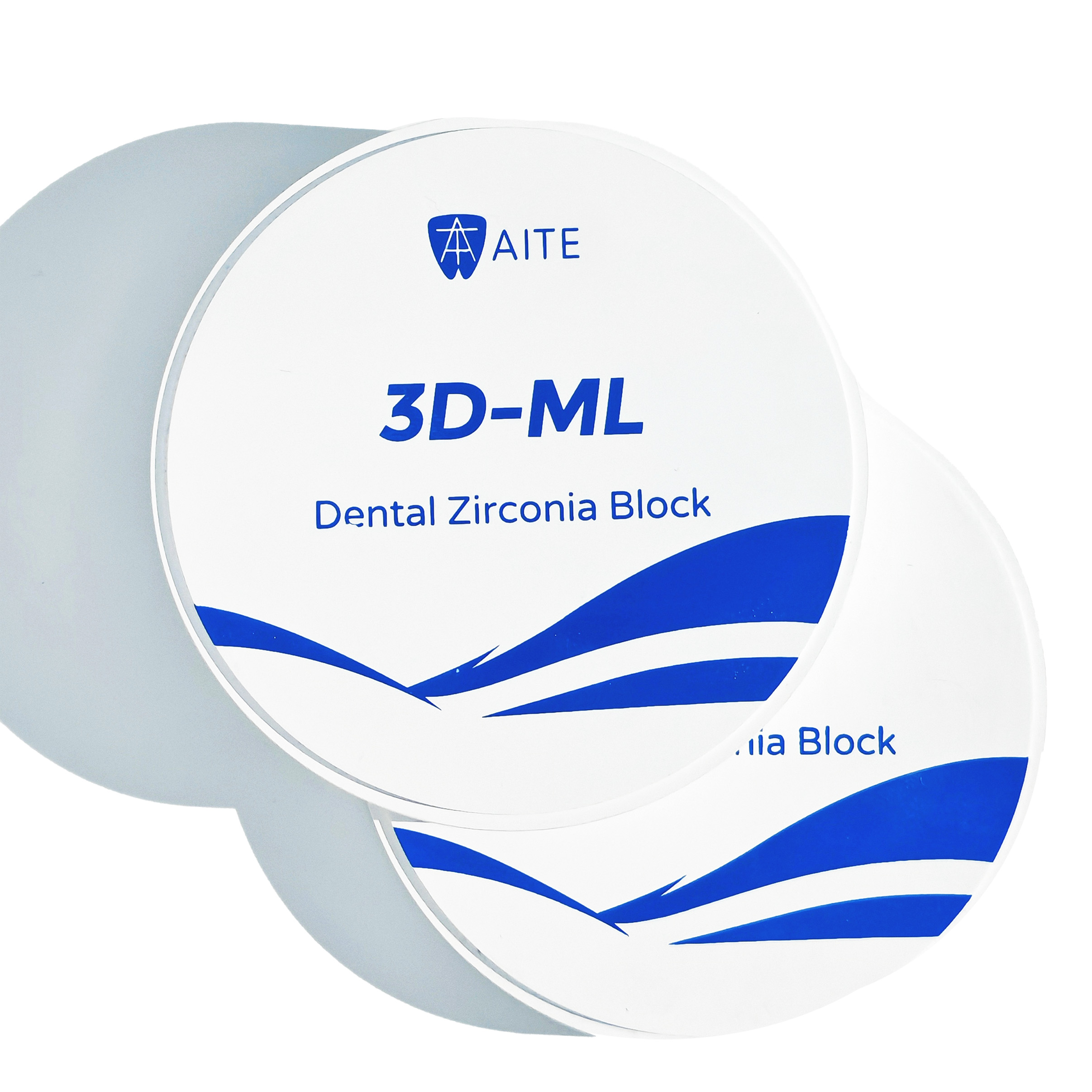
Dental zirconia blocks have become a cornerstone material in modern implant dentistry, offering clinicians a reliable option for creating custom restorations with exceptional esthetic and mechanical properties. Understanding the precise clinical indications for dental zirconia blocks is essential for treatment planning, patient selection, and achieving predictable long-term outcomes. The use of dental zirconia blocks represents a significant advancement in CAD/CAM technology, enabling practitioners to fabricate implant-supported restorations that meet the highest standards of biocompatibility, strength, and durability.
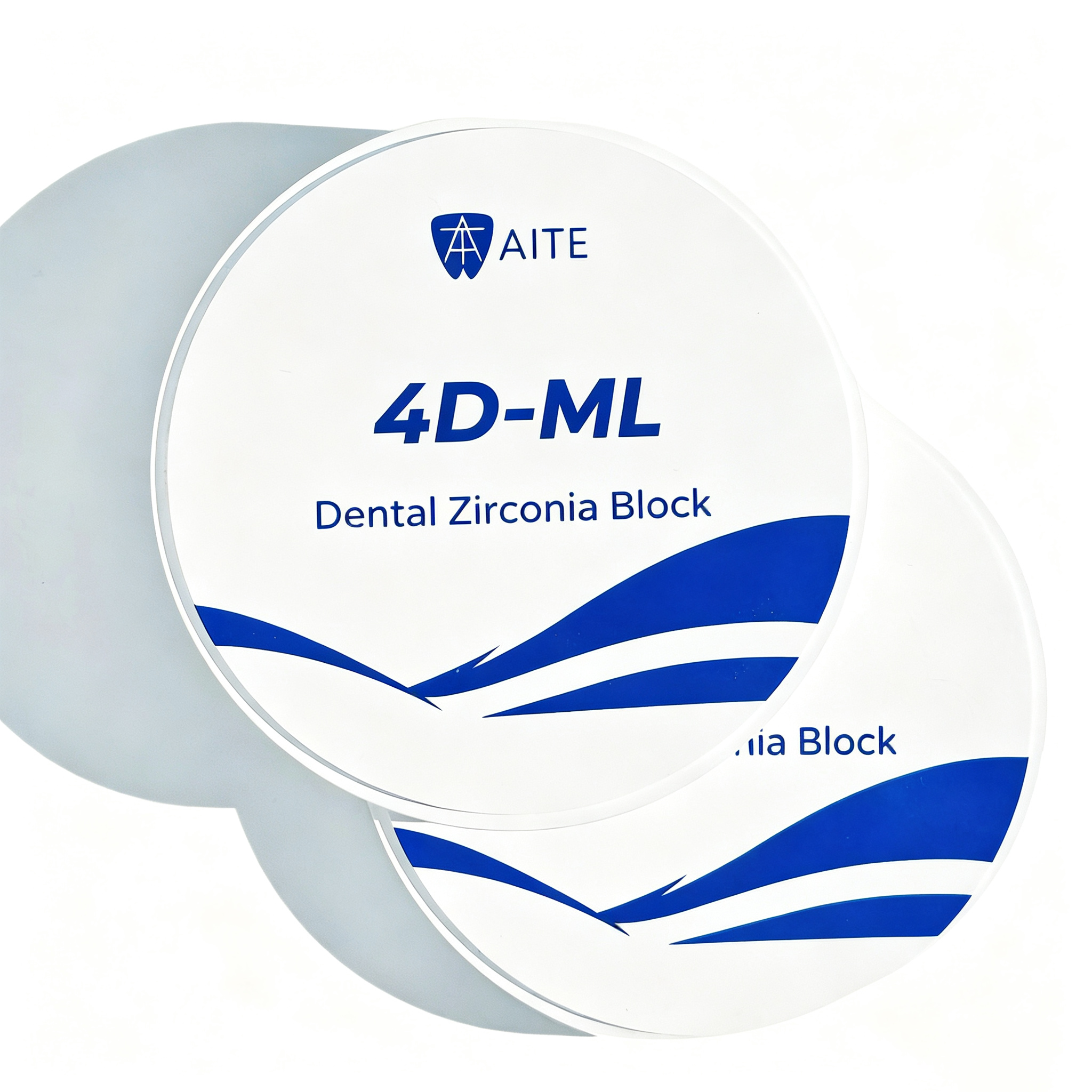
The clinical success of dental zirconia blocks depends on proper case selection and understanding when this material provides superior performance compared to alternative options. Whether addressing single tooth restorations, multiple unit bridges, or complex esthetic zones, dental zirconia blocks deliver consistent results across diverse clinical scenarios. This comprehensive guide explores the key indications, applications, and decision-making criteria that help practitioners determine when dental zirconia blocks are the optimal choice for their patients' implant restoration needs.
Clinical Indications for Dental Zirconia Blocks in Esthetic Zones
Front-End Esthetic Requirements and Gingival Display
Dental zirconia blocks excel in esthetic-demanding regions where gingival display and tooth visibility require seamless natural appearance. Patients with high smile lines and prominent tooth display benefit significantly from dental zirconia blocks because of their superior light-scattering properties and ability to achieve natural color gradation. The translucency characteristics of modern dental zirconia blocks allow clinicians to customize shade and chroma to match adjacent natural teeth, creating restorations that are virtually indistinguishable from natural dentition. When patients present with anterior tooth loss in the esthetic zone, dental zirconia blocks provide the foundation for creating restorations that restore both function and confidence.
Pink Esthetic Zone and Soft Tissue Integration
The pink esthetic zone represents the gingival tissues surrounding implant restorations, and this area demands materials that promote optimal soft tissue health and esthetic harmony. Dental zirconia blocks support superior soft tissue integration due to their biocompatible surface characteristics and ability to resist plaque accumulation. Unlike metal-based alternatives, dental zirconia blocks eliminate concerns about metal show through thin gingival tissues, a critical consideration in patients with naturally thin biotype. The material properties of dental zirconia blocks enable fabrication of emergence profiles that enhance gingival contours and support long-term tissue stability around implant restorations.
Mechanical and Functional Indications for Dental Zirconia Blocks
High-Stress Posterior Regions and Parafunctional Habits
Posterior teeth experience substantially higher occlusal forces than anterior teeth, requiring materials with exceptional strength and fracture resistance. Dental zirconia blocks demonstrate outstanding mechanical properties suitable for posterior implant restorations, particularly in patients with normal to heavy bite forces. The flexural strength of dental zirconia blocks exceeds many alternative materials, making them appropriate for multi-unit bridge restorations spanning multiple implants in the molar region. Patients exhibiting parafunctional habits such as grinding or clenching benefit from dental zirconia blocks because their superior fracture toughness provides enhanced protection against sudden mechanical failure.
Multi-Unit Bridge Applications and Complex Restorations
Complex cases involving multiple missing teeth in both anterior and posterior regions often require materials capable of spanning longer distances while maintaining structural integrity. Dental zirconia blocks provide sufficient strength to support multi-unit bridges, typically accommodating spans of three to four units per implant abutment. The material consistency and predictable performance of dental zirconia blocks across fabrication batches make them ideal for complex restorative cases where clinical success depends on material reliability. When dental zirconia blocks are used for multi-unit restorations, careful treatment planning ensures optimal stress distribution and minimizes the risk of restoration failure over extended clinical service periods.
Patient-Specific Indications for Dental Zirconia Blocks Selection
Biocompatibility Concerns and Material Sensitivity
Patients with documented metal allergies or sensitivities represent an important patient population for which dental zirconia blocks offer a definitive metal-free alternative. The completely non-metallic composition of dental zirconia blocks eliminates risks associated with galvanic reactions or allergic responses to base metals or precious metal alloys. Some patients express strong personal preferences for all-ceramic restorations based on health consciousness or esthetic philosophy, and dental zirconia blocks accommodate these preferences while maintaining clinical predictability. Additionally, patients with autoimmune conditions or sensitivity concerns benefit from the known biocompatibility profile of dental zirconia blocks in long-term clinical applications.
Systemic Disease Considerations and Compromised Tissue Healing
Patients presenting with systemic conditions affecting tissue healing or immune function often show superior outcomes with dental zirconia blocks due to their established biocompatibility and reduced inflammatory response potential. Conditions such as diabetes, immune disorders, or patients undergoing certain medical treatments may benefit from the biologically neutral characteristics of dental zirconia blocks. The surface chemistry of dental zirconia blocks promotes stable soft tissue integration, an advantage for medically compromised patients requiring enhanced tissue stability. When treating patients with complex medical histories, dental zirconia blocks provide clinicians confidence in predictable material behavior independent of systemic health variables.
Advanced Applications and Contemporary Indications
Digital Workflow Integration and Precision Manufacturing
Contemporary dental practices utilizing digital scanning and CAD/CAM milling technology find dental zirconia blocks particularly advantageous due to their compatibility with modern fabrication systems. The material properties of dental zirconia blocks remain consistent throughout the milling and sintering process, enabling predictable reproduction of complex anatomical designs with submillimeter precision. Practices committed to digital workflows benefit from the efficiency and accuracy that dental zirconia blocks provide compared to traditional analog fabrication methods. The integration of dental zirconia blocks into digital workflows improves treatment timelines, reduces adjustment requirements, and enhances overall restoration quality.
Esthetic Customization and Layering Techniques
Advanced esthetic demands in contemporary implant dentistry require materials that support sophisticated customization and surface refinement. Dental zirconia blocks can be selectively glazed, stained, or veneered with ceramic materials to achieve unlimited esthetic possibilities while maintaining the core structural benefits of the underlying material. Clinicians can layer esthetic ceramics over dental zirconia blocks to create restorations with exceptional natural appearance and chromatic accuracy. This hybrid approach combining dental zirconia blocks with ceramic veneering techniques enables creation of restorations that satisfy even the most demanding esthetic expectations in contemporary practice.
FAQ
When are dental zirconia blocks most appropriate compared to other implant restoration materials?
Dental zirconia blocks are most appropriate when esthetic demands are high, biocompatibility is a priority, or when posterior stress-bearing applications require superior strength. Choose dental zirconia blocks for esthetic zones where gingival display occurs, for patients with metal sensitivities, and for multi-unit bridges in posterior regions. Dental zirconia blocks outperform alternative materials in scenarios combining high esthetic expectations with significant functional demands, representing the optimal material choice across diverse clinical presentations.
Can dental zirconia blocks be adjusted or modified after milling and sintering?
Yes, dental zirconia blocks can be selectively adjusted for occlusion, contact points, and anatomy using specialized dental burs and polishing instruments. Modifications to dental zirconia blocks should be minimal after sintering to avoid compromising material surface integrity and longevity. Clinicians should plan restorations from milled dental zirconia blocks carefully to minimize extensive adjustments in the clinical setting, though minor refinements are routinely performed without significantly affecting clinical outcomes.
What longevity can patients expect from implant restorations made from dental zirconia blocks?
Implant restorations fabricated from dental zirconia blocks demonstrate exceptional clinical longevity, with published data supporting 10-year survival rates exceeding 95% in appropriately selected cases. The durability of dental zirconia blocks depends on proper case selection, appropriate occlusal design, and patient compliance with oral hygiene and maintenance protocols. Properly constructed restorations using dental zirconia blocks consistently provide decades of clinical service, making them a reliable long-term investment for patients seeking durable implant restoration solutions.