
 EN
EN
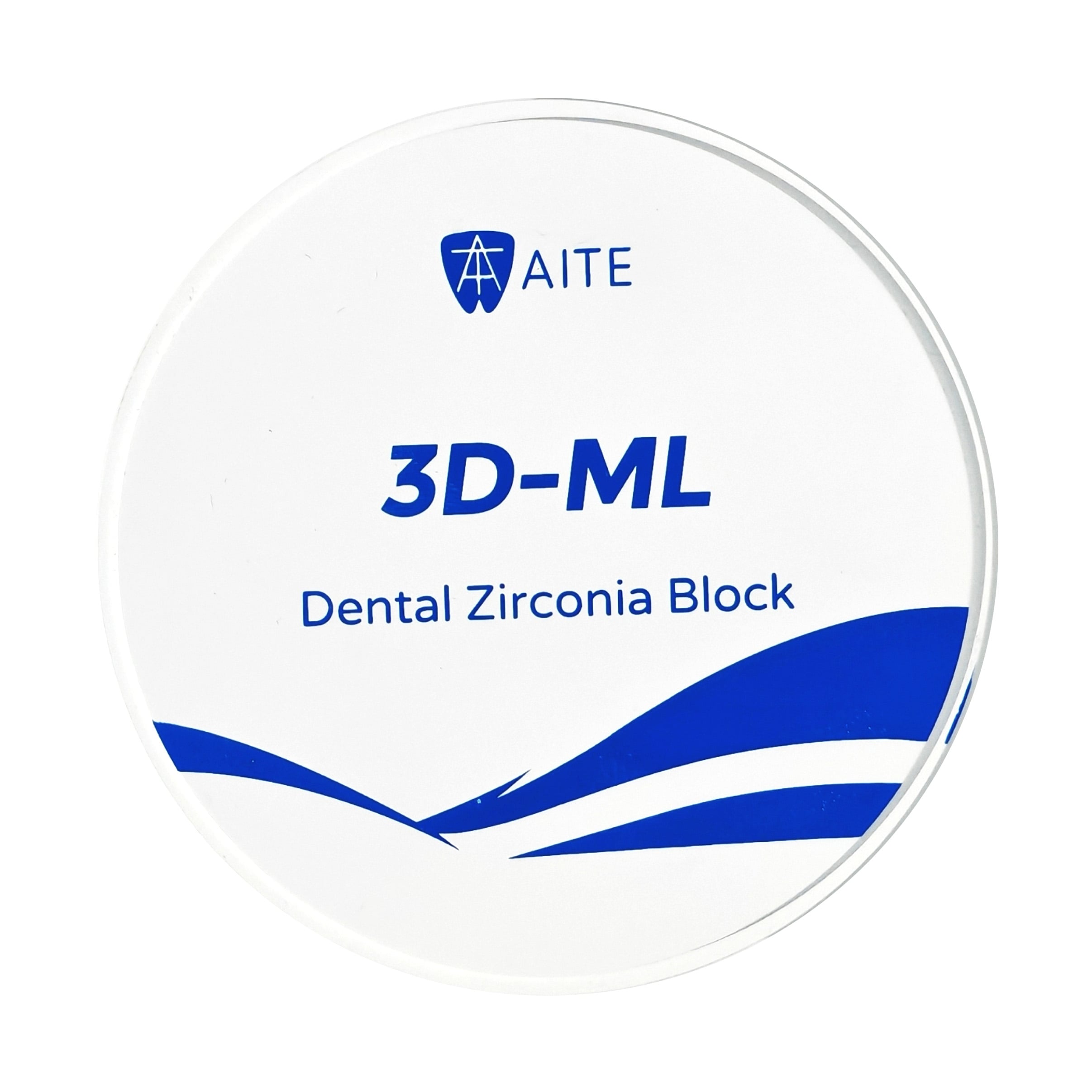
Selecting the right supplier for multilayer zirconia blocks is one of the most critical decisions a dental laboratory can make. The quality of your multilayer zirconia blocks directly impacts the final restorations you deliver to patients, influencing both clinical outcomes and your reputation in the market. When evaluating potential suppliers for multilayer zirconia blocks, you must consider multiple factors beyond simple pricing, including material consistency, technical expertise, supply chain reliability, and ongoing support. The wrong choice can lead to costly material failures, production delays, and compromised patient satisfaction, making this decision far more important than many labs initially realize.
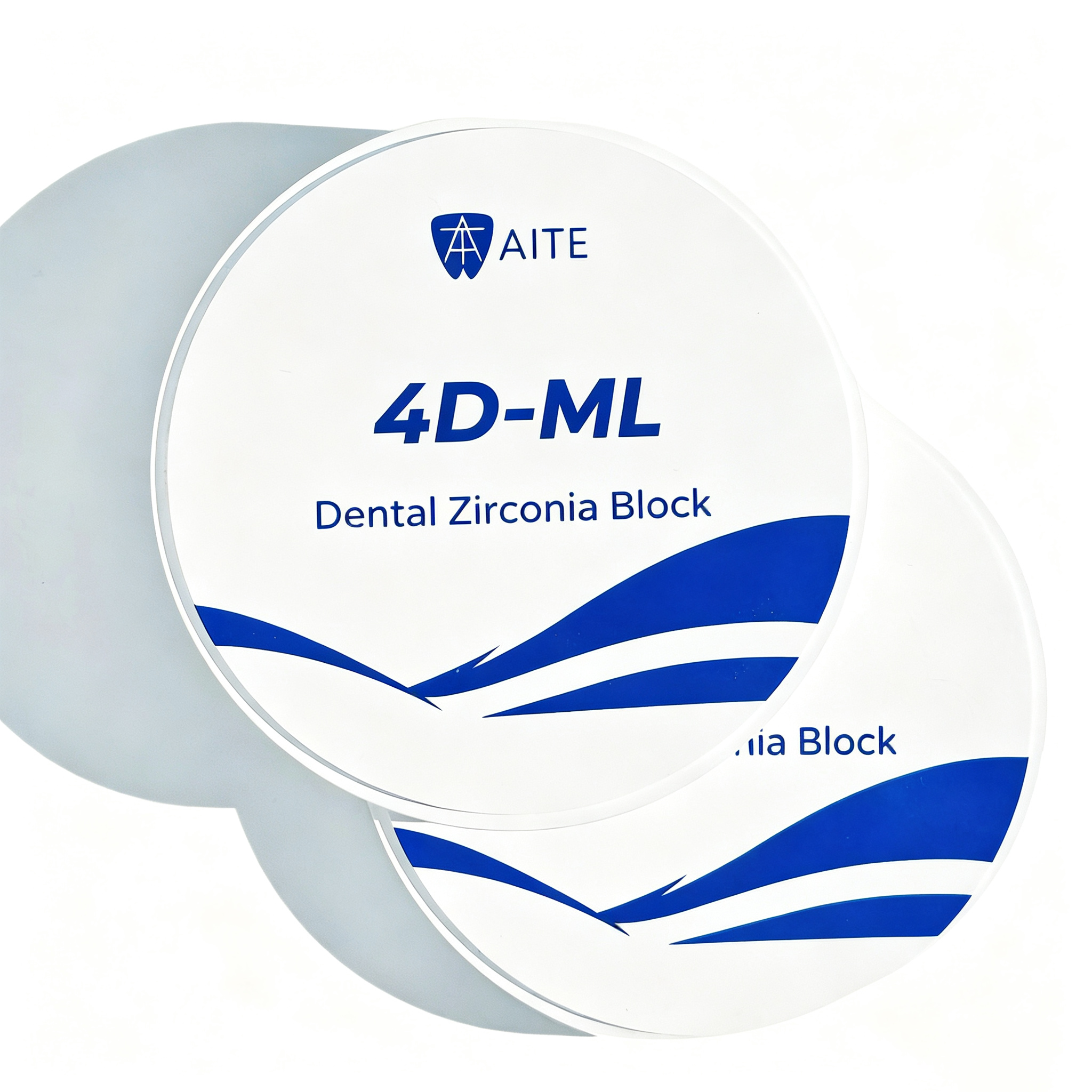
The dental material market includes numerous suppliers claiming to offer premium multilayer zirconia blocks, yet their actual performance, consistency, and reliability vary significantly. Understanding how to evaluate and compare multilayer zirconia blocks suppliers will help you identify partners who can sustain your operational needs while delivering materials that consistently meet your quality standards. This guide explores the essential criteria for selecting a multilayer zirconia blocks supplier, ensuring your laboratory makes an informed, strategic decision.
Understanding Key Quality Indicators for Multilayer Zirconia Blocks
Material Composition and Purity Standards
The foundation of excellent multilayer zirconia blocks begins with the purity and chemical composition of the zirconia material itself. A reliable multilayer zirconia blocks supplier must demonstrate that their products meet recognized industry standards such as ISO 6872, which specifies the requirements for dental ceramics. When evaluating multilayer zirconia blocks, request detailed material certifications and technical data sheets that confirm the stabilization agents, grain size distribution, and density specifications. High-quality multilayer zirconia blocks should maintain consistent flexural strength, typically ranging from 900 to 1200 MPa depending on the specific formulation and intended application. Suppliers of multilayer zirconia blocks who cannot provide comprehensive material documentation or testing results should be approached with caution, as this transparency is essential for verifying that the materials will perform reliably in your clinical applications.
Layering Technology and Gradation Consistency
Multilayer zirconia blocks represent an advanced technology where different zirconia formulations are bonded together to combine the strength of high-translucency materials with the esthetics of highly translucent layers. A superior multilayer zirconia blocks supplier must demonstrate precise control over the layering process, ensuring that each layer maintains its intended properties and bonds securely with adjacent layers. Inconsistency in multilayer zirconia blocks can manifest as delamination, color mismatches between layers, or unexpected material behavior during milling, all of which compromise your finished restorations. When selecting a multilayer zirconia blocks supplier, verify their manufacturing process controls, including details about their quality assurance procedures for layer adhesion, color gradation, and dimensional accuracy. Request samples or case studies demonstrating how their multilayer zirconia blocks perform in real-world milling and sintering conditions, particularly for complex restorations where the layering technology directly influences the clinical outcome.
Evaluating Technical Support and Customer Service
Training and Knowledge Resources
A truly valuable multilayer zirconia blocks supplier extends beyond merely providing materials; they offer comprehensive technical support that helps your laboratory optimize milling parameters, sintering protocols, and design strategies specific to their multilayer zirconia blocks formulations. Reputable suppliers of multilayer zirconia blocks invest in educating their customers through detailed technical guidance, video tutorials, parameter recommendations, and design best practices. When contacting a potential multilayer zirconia blocks supplier, inquire about the training resources they offer, whether they provide on-site support, and how accessible their technical team is for troubleshooting. The best multilayer zirconia blocks suppliers maintain responsive support channels and can quickly address production issues, helping you minimize downtime and material waste. This commitment to customer education directly translates into better results with their multilayer zirconia blocks and higher overall value for your investment.
Responsiveness and Problem Resolution
Material issues occasionally arise even with quality multilayer zirconia blocks, making it essential that your supplier responds promptly and effectively when problems occur. A reliable multilayer zirconia blocks supplier maintains clear communication protocols, documented issue tracking, and a commitment to root cause analysis when material defects are reported. When selecting among multilayer zirconia blocks suppliers, test their responsiveness by asking questions about their quality assurance processes and how they handle customer complaints or material returns. Suppliers who can clearly explain their warranty policies, replacement procedures, and escalation pathways for multilayer zirconia blocks quality issues demonstrate professionalism and customer-centric operations. Request references from existing customers and contact them directly to understand how effectively their multilayer zirconia blocks supplier has managed issues in real operating conditions.
Assessing Pricing, Supply Chain, and Long-Term Partnership Viability
Transparent Pricing and Bulk Ordering Options
While quality must remain the priority, pricing remains an important consideration when comparing multilayer zirconia blocks suppliers. Transparent pricing from your multilayer zirconia blocks supplier should clearly delineate material costs, packaging, shipping, and any applicable service fees without hidden charges or confusing pricing structures. Many multilayer zirconia blocks suppliers offer volume discounts for labs with higher material consumption, and understanding these pricing tiers helps you plan accurately and negotiate favorable terms. When evaluating quotes from different multilayer zirconia blocks suppliers, ensure you are comparing equivalent product specifications and delivery terms; the cheapest multilayer zirconia blocks option is rarely the best value if it compromises on material consistency or comes with poor technical support. Establish a long-term relationship with your multilayer zirconia blocks supplier based on predictable pricing, favorable payment terms, and potential growth discounts as your lab expands its usage.
Supply Reliability and Delivery Performance
Your production schedule depends on consistent availability of multilayer zirconia blocks, making supply chain reliability a critical evaluation criterion for any potential supplier. Ask prospective multilayer zirconia blocks suppliers about their inventory management practices, lead times, and whether they maintain strategic stock levels to handle rush orders or unexpected demand spikes. A dependable multilayer zirconia blocks supplier should provide clarity on their delivery schedules, shipping methods, and any guarantees regarding material condition upon arrival. Consider whether the multilayer zirconia blocks supplier offers local warehousing, regional distribution centers, or express shipping options that align with your operational needs and geographic location. Interruptions in supply of multilayer zirconia blocks can cascade through your production schedule, potentially affecting patient care timelines and your lab's reputation, so investing time in verifying a supplier's logistics capabilities protects your business continuity.
Innovation and Product Evolution
The dental materials industry continues to evolve, with advances in multilayer zirconia blocks formulations, milling efficiency, and clinical performance occurring regularly. A forward-thinking multilayer zirconia blocks supplier invests in research and development, regularly introducing improved products while maintaining backward compatibility with existing laboratory workflows. When selecting your multilayer zirconia blocks supplier, discuss their product roadmap, their commitment to advancing material science, and their track record of responding to emerging clinical needs and milling technology changes. Suppliers of multilayer zirconia blocks who stagnate or resist adopting new standards may eventually fall behind market expectations, potentially limiting your laboratory's competitive advantages as your customers demand access to the latest materials and technologies.
FAQ
What specific certifications should a multilayer zirconia blocks supplier possess?
Your multilayer zirconia blocks supplier should maintain ISO 6872 certification for dental ceramics, ISO 13485 certification for medical device quality management systems, and appropriate country-specific regulatory approvals such as FDA registration if supplying to North American markets. These multilayer zirconia blocks certifications demonstrate that the supplier operates under rigorous quality control protocols and adheres to international manufacturing standards. Additionally, individual batches of multilayer zirconia blocks should include certificates of analysis confirming material properties, and the supplier should participate in ongoing third-party testing and audits to verify consistency.
How can I verify the quality of multilayer zirconia blocks before committing to a supplier?
Request sample packs of multilayer zirconia blocks from potential suppliers and test them extensively in your laboratory using your specific milling equipment, sintering protocols, and design parameters before placing bulk orders. Many reputable multilayer zirconia blocks suppliers offer trial quantities at reduced or nominal costs specifically to allow labs to validate material performance. Document your test results for multilayer zirconia blocks, including milling outcomes, sintering success rates, final color and translucency, and fit characteristics, then compare results across different suppliers to identify which multilayer zirconia blocks consistently meet your standards.
What should be included in a supplier agreement for multilayer zirconia blocks?
A comprehensive agreement with your multilayer zirconia blocks supplier should specify product specifications, guaranteed delivery timelines, pricing terms and volume discounts, warranty and return policies specific to multilayer zirconia blocks, payment conditions, and escalation procedures for quality issues or delivery failures. The agreement should also clarify data about shelf life, storage requirements, and proper handling procedures for multilayer zirconia blocks to ensure materials maintain their intended properties. Include provisions for how both parties will communicate and resolve disputes, and establish review intervals to assess whether the multilayer zirconia blocks supplier continues meeting your performance expectations and competitive standards.