
 EN
EN
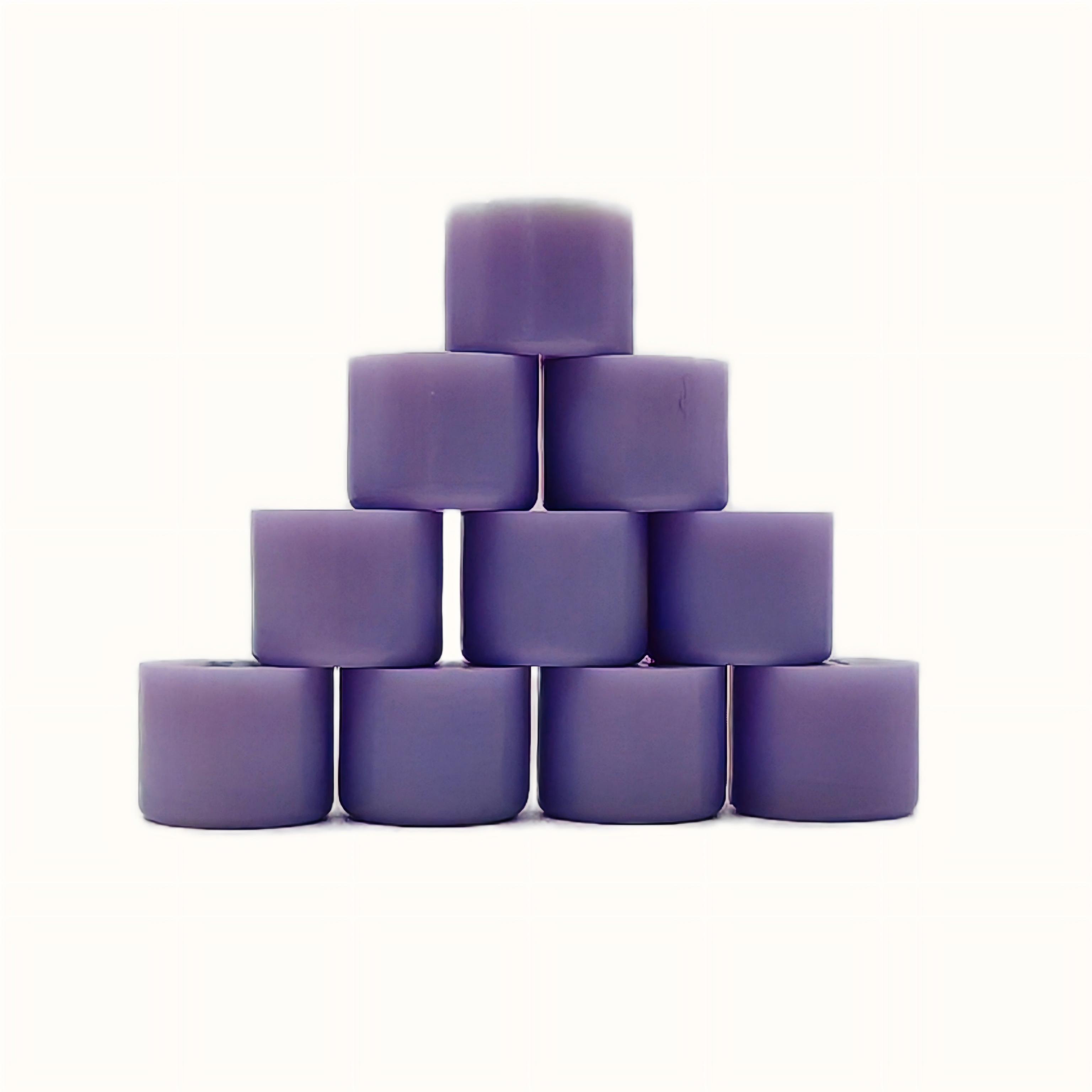
Selecting the right shade for your dental press ingot cases is one of the most critical decisions in modern esthetic dentistry. The dental press ingot offers clinicians a reliable method for creating custom restorations with exceptional precision and color accuracy. Understanding the full spectrum of shades available ensures that your restorations blend seamlessly with natural dentition and meet patient expectations for esthetic excellence. This comprehensive guide explores the shade options, selection criteria, and practical applications of dental press ingot materials in contemporary dental practice.
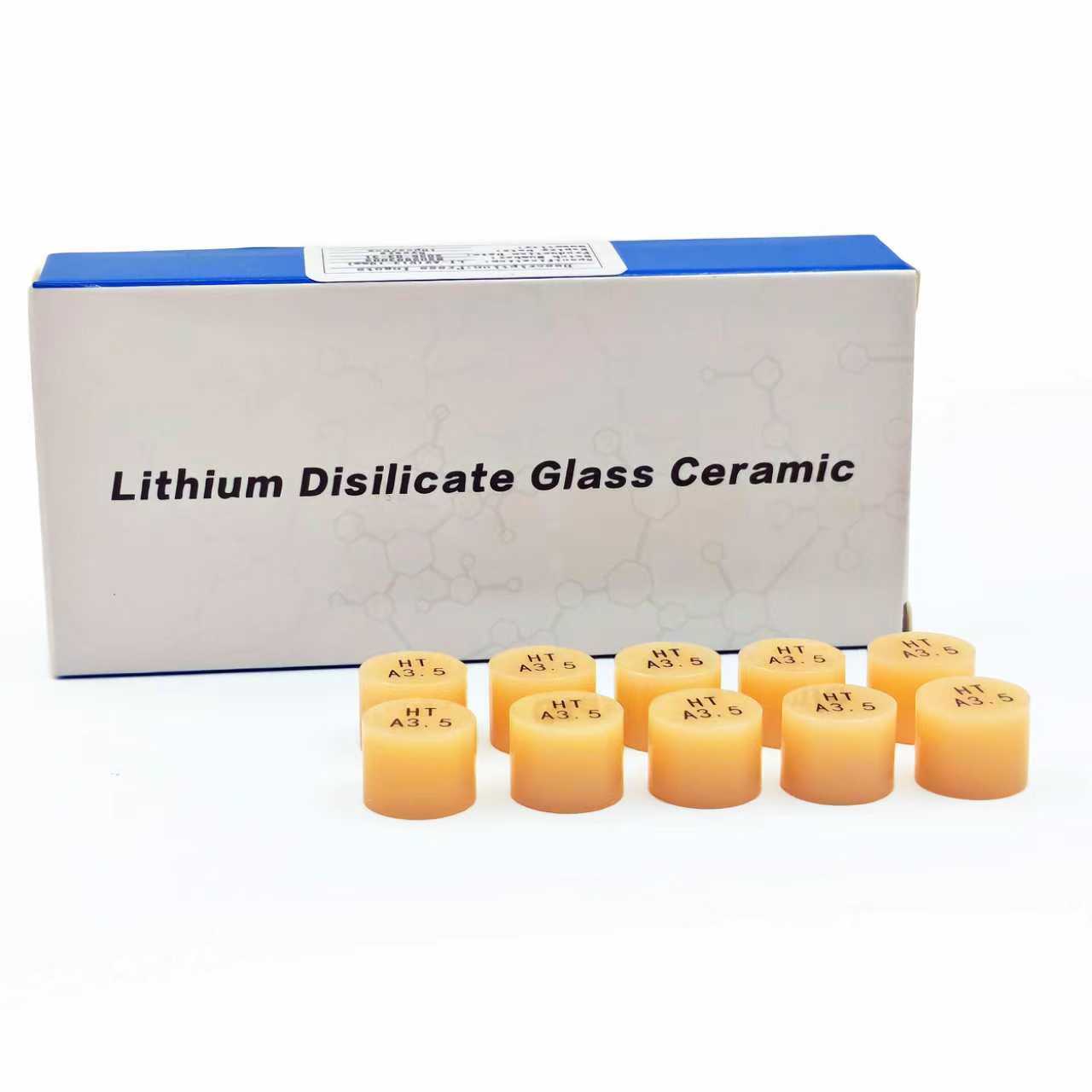
The dental press ingot system represents a proven approach to achieving predictable clinical outcomes in both single-unit and multi-unit restorations. Each dental press ingot variant includes a carefully calibrated shade range designed to accommodate the natural diversity of tooth color in patient populations. Laboratories and clinicians who master shade selection with dental press ingot materials report higher patient satisfaction, fewer chairside adjustments, and improved long-term clinical results.
Understanding Dental Press Ingot Shade Categories
Primary Shade Groups in Dental Press Ingot Systems
The dental press ingot shade palette is typically organized into four primary categories that correspond to conventional tooth shade guides. The first category encompasses lighter, more translucent shades ideal for anterior cases requiring high esthetic refinement. The second group includes midrange shades that serve the majority of clinical situations and represent the most frequently selected dental press ingot options. The third category offers darker, more saturated shades for cases with deeper tooth color or specific esthetic demands. The fourth group features special-purpose shades designed for tissue-colored restorations, implant abutments, and complex masking requirements using dental press ingot technology.
Translucency and Opacity Variations
Beyond basic color classification, dental press ingot shades vary in their translucency characteristics, which significantly impact the final restoration appearance. Highly translucent dental press ingot formulations allow underlying tooth structure or shade modifications to influence the final result, providing flexibility for layering and customization. Standard dental press ingot shades offer balanced translucency suitable for direct anterior and posterior applications with minimal chairside modification. Full-opacity dental press ingot options provide maximum color control and are particularly valuable when masking heavily discolored or restored underlying tooth structure.
Clinical Selection Criteria for Dental Press Ingot Shades
Chairside Shade Matching Protocols
Effective shade selection for your dental press ingot restorations begins with systematic chairside assessment using natural lighting whenever possible. The dental press ingot shade guide should be held perpendicular to the tooth being matched, and the clinician should evaluate shade under various lighting conditions to ensure accuracy. Digital shade-matching systems now complement traditional dental press ingot shade guides, providing objective data to support subjective clinical observations. Communicating specific dental press ingot shade selections to the laboratory with photographic documentation significantly improves the likelihood of first-time acceptance and reduces remakes.
Anatomical and Biological Factors
Patient age, natural tooth morphology, and underlying tooth structure all influence which dental press ingot shade will deliver optimal esthetic results. Younger patients typically have more translucent natural teeth, requiring carefully selected dental press ingot shades that mimic this optical property. Patients with significant endodontic treatment history or existing restorations may require darker dental press ingot shades or special masking protocols to achieve satisfactory camouflage. The existing dentin shade, enamel thickness, and any underlying composite restorations all contribute to the final appearance of the dental press ingot restoration.
Practical Applications and Shade Performance
Anterior Esthetic Cases with Dental Press Ingot
Anterior restorations demand the highest level of esthetic precision, making proper dental press ingot shade selection absolutely essential for clinical success. The dental press ingot system excels in anterior applications because its precise manufacturing tolerances ensure consistent shade reproduction. Natural anterior teeth exhibit subtle shade gradations from incisal to cervical, which experienced clinicians can replicate using appropriate dental press ingot shade variants combined with layering techniques. Patient communication regarding realistic shade expectations for the dental press ingot restoration, including natural-looking imperfections and slight variations, improves satisfaction outcomes.
Posterior Restorations and Functional Demands
Posterior restorations using dental press ingot materials must balance esthetic considerations with functional durability and occlusal demands. Darker dental press ingot shades often perform better in posterior applications because they mask food staining and minor wear more effectively than lighter variants. The dental press ingot system's reliable strength characteristics mean shade selection can prioritize esthetic outcome without compromising structural integrity. Laboratory communication regarding the specific posterior anatomy, occlusal scheme, and patient functional requirements ensures the dental press ingot restoration will meet both esthetic and longevity expectations.
Advanced Shade Customization Strategies
Layering and Characterization Techniques
Sophisticated dental press ingot applications often employ multiple shade layers to achieve enhanced esthetic refinement and natural appearance. Cerec inlay techniques combined with dental press ingot base shades allow placement of characterizing stains and tinting materials to mimic natural color patterns. Experienced laboratories use the dental press ingot foundation shade as a base, then apply surface modifications that replicate natural wear, staining patterns, and translucency variations. This combination of dental press ingot precision with customization techniques produces restorations that achieve superior color integration and patient satisfaction.
Special Shading Situations
Severely discolored teeth, previous failed restorations, and complex esthetic demands sometimes require custom-formulated dental press ingot variants beyond the standard shade palette. Tissue-matched dental press ingot shades serve implant and edentulous cases where matching natural remaining teeth is impossible or undesired. The dental press ingot system's flexibility allows laboratories to create intermediate shades or special blends when standard dental press ingot options do not precisely match patient-specific requirements. Documented communication between clinician and laboratory regarding these specialized dental press ingot requests ensures the final restoration meets explicit clinical intentions.
FAQ
How many shade options are typically available in a dental press ingot shade guide?
Most comprehensive dental press ingot shade systems offer between 12 and 16 distinct shade options, organized into light, medium, and dark categories. This range ensures that clinicians can closely match the vast majority of natural tooth colors encountered in clinical practice. Some dental press ingot manufacturers provide additional specialty shades or custom formulation options for complex cases requiring colors outside the standard palette. The specific number of dental press ingot shades varies by manufacturer and system, so reviewing your preferred dental press ingot vendor's complete offering is recommended.
Can dental press ingot shades be modified or adjusted after firing?
Limited chairside adjustment of dental press ingot restorations is possible using specialized polishing and glazing techniques, but these methods cannot dramatically alter the fundamental shade selected during manufacturing. Surface characterization with composite tints or stains can provide minor shade refinement for the dental press ingot restoration, though this approach is temporary and requires regular maintenance. The most reliable approach is ensuring accurate shade selection before the dental press ingot restoration is manufactured through precise laboratory communication and photographic documentation. If significant shade correction is needed after dental press ingot delivery, remake consultation with the laboratory is typically the most predictable path to patient satisfaction.
Which dental press ingot shade works best for severely stained or discolored teeth?
Severely discolored underlying tooth structure typically requires selection of darker dental press ingot shades combined with full-opacity formulations that provide maximum masking capability. The dental press ingot restoration's ability to mask underlying discoloration depends on both shade selection and the restoration's thickness and internal structure. In extreme cases where standard dental press ingot shades cannot adequately camouflage discoloration, tooth preparation modification, internal masking agents, or custom dental press ingot formulations may be necessary. Consulting with the laboratory about specific underlying discoloration severity ensures the dental press ingot shade and technique selected will deliver acceptable clinical outcomes without excessive tooth reduction.