
 EN
EN
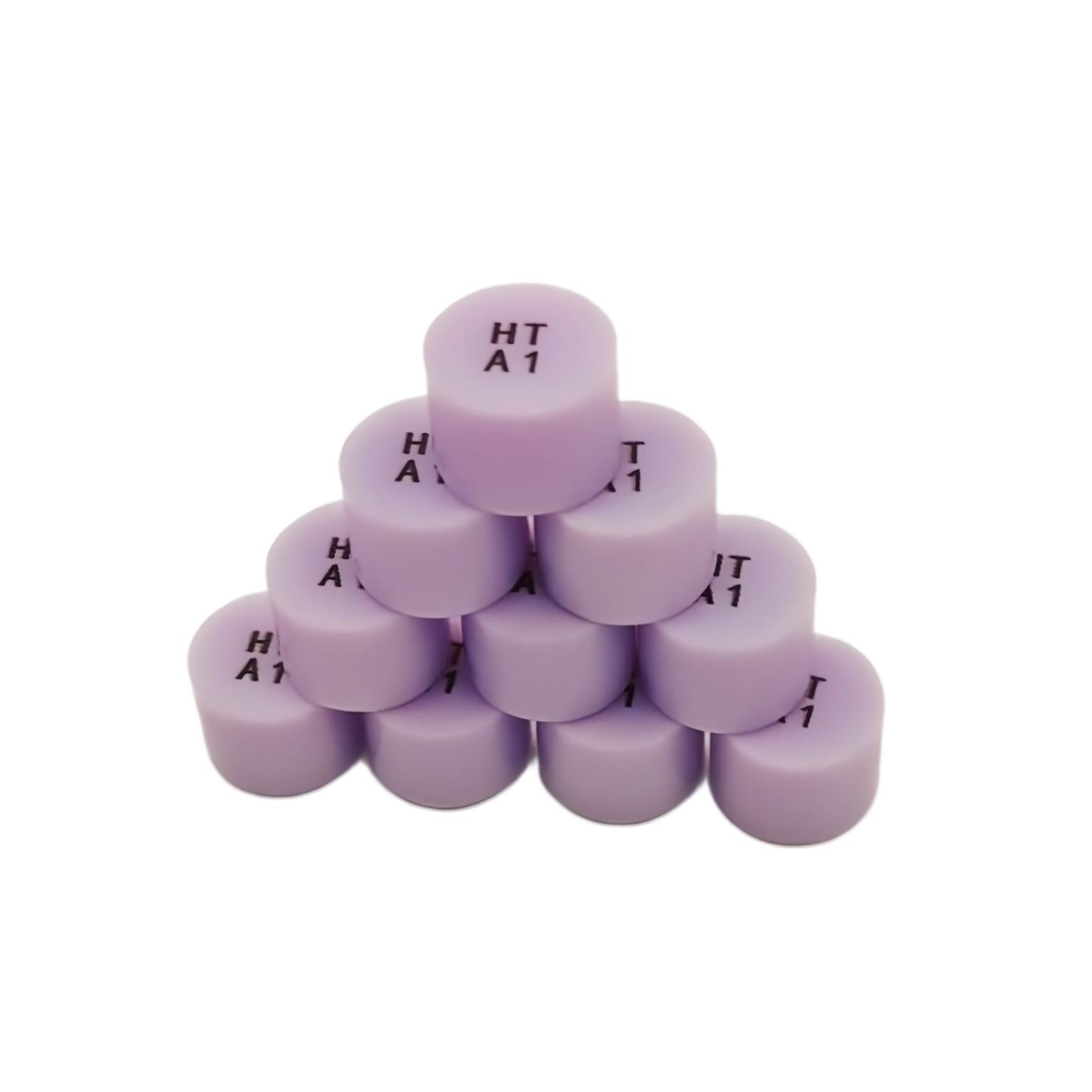
The selection of restorative materials directly impacts the longevity, strength, and aesthetic outcomes of dental inlays. A dental press ingot represents one of the most reliable options available to modern restorative dentists. This material combines superior hardness, excellent biocompatibility, and exceptional precision fitting capabilities that make it distinctly advantageous for inlay applications. Understanding why dental press ingot continues to dominate clinical practice requires examining both the technical properties and practical clinical benefits that set this material apart from conventional alternatives.
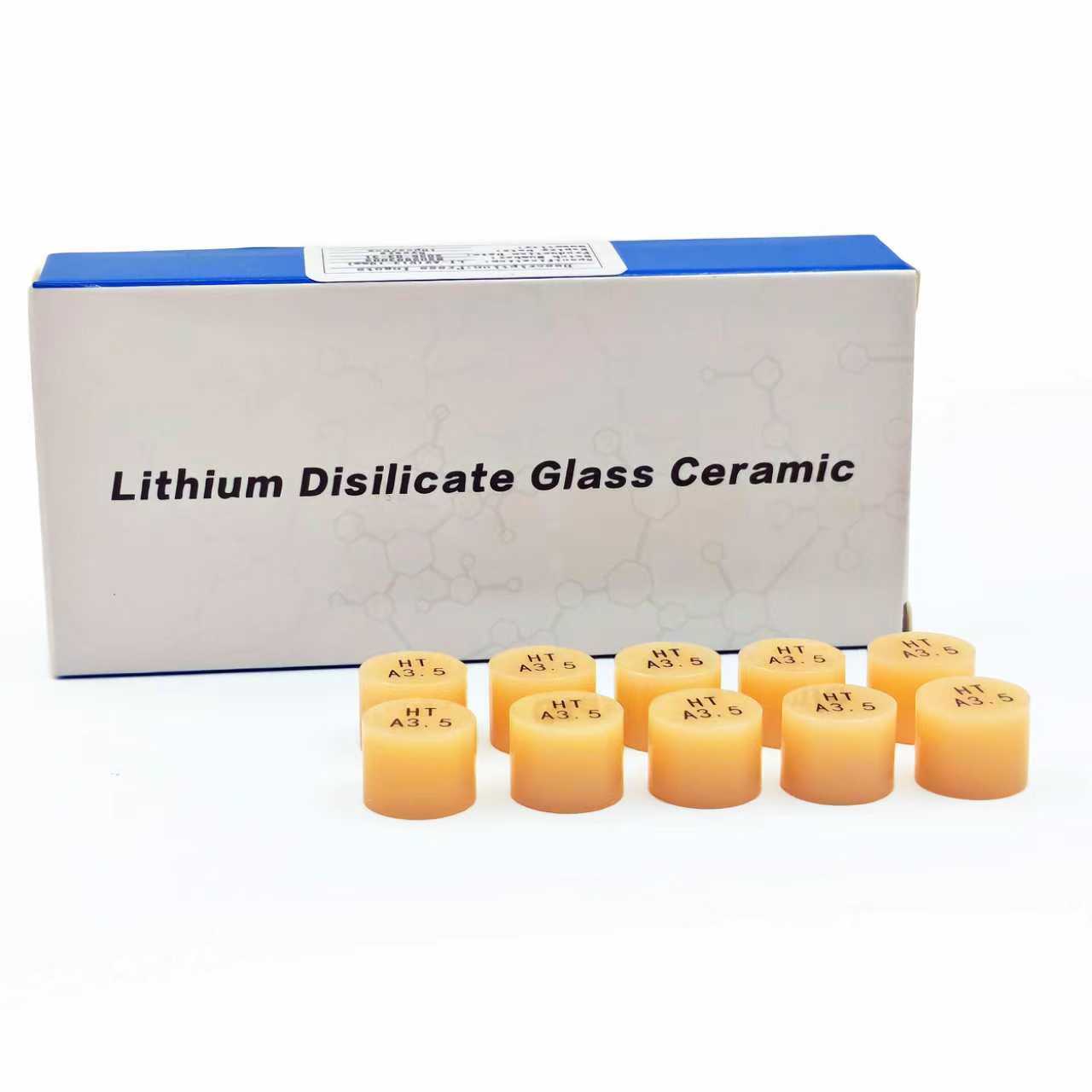
Dental professionals recognize that the dental press ingot system delivers consistent, predictable results across diverse clinical scenarios. The pressing process creates a crystalline structure that enables optimal adaptation to prepared tooth contours. When dentists specify dental press ingot for inlay fabrication, they gain access to a material that balances the aesthetic demands of modern patients with the functional requirements of long-term restoration success.
Superior Physical Properties of Dental Press Ingot
Exceptional Hardness and Wear Resistance
The dental press ingot material exhibits hardness values that exceed most alternative inlay materials. This superior hardness directly translates to exceptional wear resistance, meaning inlays fabricated from dental press ingot maintain their anatomical form and contact relationships for extended periods. The crystalline structure created during the pressing process prevents the material from developing surface irregularities that could compromise occlusal function. Restorations made with dental press ingot experience minimal abrasion from opposing natural teeth, protecting both the inlay surface and the antagonistic dentition.
Fracture Strength and Longevity
Dental press ingot formulations demonstrate fracture strength values that position this material among the most durable options in restorative dentistry. The pressing technique creates a non-porous, homogeneous structure that resists the development of internal stress concentrations. When patients experience normal mastication forces on teeth restored with dental press ingot inlays, the material distributes these forces evenly without developing the micro-cracks that can plague weaker alternatives. Clinical data consistently shows that dental press ingot restorations maintain structural integrity for fifteen years or longer, making this material a sound investment in long-term patient outcomes.
Precision Fit and Clinical Adaptability
Marginal Accuracy and Biocompatibility
One distinctive advantage of selecting dental press ingot for inlay applications lies in the exceptional marginal accuracy that the pressing process delivers. The dental press ingot system allows technicians to achieve marginal gaps of less than fifty microns, substantially reducing the risk of secondary caries and microleakage. This precision fit creates intimate contact between the inlay margin and tooth structure, establishing an environment where marginal seal remains robust throughout the restoration's service life. Additionally, dental press ingot materials are inherently biocompatible, producing no allergenic reactions or inflammatory responses in the perioral tissues.
Customization and Aesthetic Refinement
The dental press ingot pressing technique accommodates detailed anatomical adjustments that enhance the restoration's compatibility with existing tooth morphology. Technicians working with dental press ingot can incorporate natural staining patterns, surface texture variations, and shade gradations that render the inlay virtually indistinguishable from natural tooth structure. This aesthetic refinement capability ensures that when patients smile or speak, their dental restorations communicate health and vitality rather than the appearance of artificial intervention. The combination of precise anatomy and refined aesthetics represents why dental press ingot continues gaining preference among clinicians who prioritize patient satisfaction alongside clinical function.
Clinical Advantages and Practical Considerations
Predictable Clinical Performance
Dentists who specify dental press ingot for inlay fabrication gain the confidence that comes from predictable, reproducible results across diverse clinical presentations. The dental press ingot system has been refined through decades of clinical application, producing an evidence base that informs material selection protocols in practices ranging from general dentistry to advanced prosthodontics. When a practitioner chooses dental press ingot, they are selecting a material whose performance characteristics have been validated through thousands of clinical cases. This predictability reduces the likelihood of unexpected failures, chair-time complications, or patient dissatisfaction related to restoration performance.
Preparation Efficiency and Chairside Simplicity
Inlays fabricated from dental press ingot can be seated and finished efficiently, minimizing chair time and patient inconvenience. The material's hardness allows for quick intraoral trimming and adjustment without requiring extended polishing protocols. Dentists appreciate that dental press ingot inlays reach their final hardness immediately upon cooling and crystallization, eliminating the extended setting periods or light-activation delays associated with other restoration types. This chairside efficiency translates directly to improved practice economics and enhanced patient experience, particularly for patients with complex schedules or anxiety about extended dental appointments.
Economic Value and Return on Investment
While dental press ingot inlays represent a higher initial investment compared to some alternative materials, the superior longevity, minimal replacement rate, and reduced maintenance requirements of dental press ingot restorations create compelling economic value for both practitioners and patients. Practices that emphasize quality outcomes find that dental press ingot inlays generate higher case acceptance rates and stronger patient loyalty, as patients recognize the investment produces lasting results. The extended service life of dental press ingot inlays means patients avoid the recurring costs associated with replacement procedures, creating genuine financial advantage that extends across decades of clinical practice.
FAQ
What makes dental press ingot superior to composite or glass ionomer alternatives for inlays?
Dental press ingot offers substantially superior wear resistance, fracture strength, and marginal adaptation compared to composite or glass ionomer materials. While composite restorations exhibit acceptable properties for smaller restorations, dental press ingot's hardness and precision fit make it the preferred choice for inlays that must withstand significant masticatory forces over extended periods. The crystalline structure of dental press ingot prevents the surface degradation and margin breakdown that commonly affect composite and glass ionomer materials in posterior inlay applications.
How long can patients expect their dental press ingot inlays to last?
Clinical data demonstrates that dental press ingot inlays consistently provide excellent service for fifteen to twenty-five years or longer with proper oral hygiene and regular professional maintenance. The longevity of dental press ingot restorations depends on factors including patient hygiene habits, parafunctional forces, and the technical quality of the laboratory fabrication and clinical seating. Most patients find that their dental press ingot inlays remain fully functional and aesthetically pleasing for the majority of their remaining dentition lifespan, making this material a sound choice for patients seeking durable, long-term restorations.
Are dental press ingot inlays appropriate for all posterior tooth locations?
Dental press ingot inlays function excellently in all posterior tooth locations, including premolars and molars. The material's exceptional hardness and fracture strength make dental press ingot equally suitable for high-force molar applications and smaller premolar restorations. However, clinical assessment must confirm that adequate tooth structure remains to support inlay preparation, as very large restorations may benefit from additional structural support. Dentists should evaluate individual patient anatomy and functional demands to determine whether dental press ingot inlays or alternative restoration types best serve specific clinical situations.