
 EN
EN
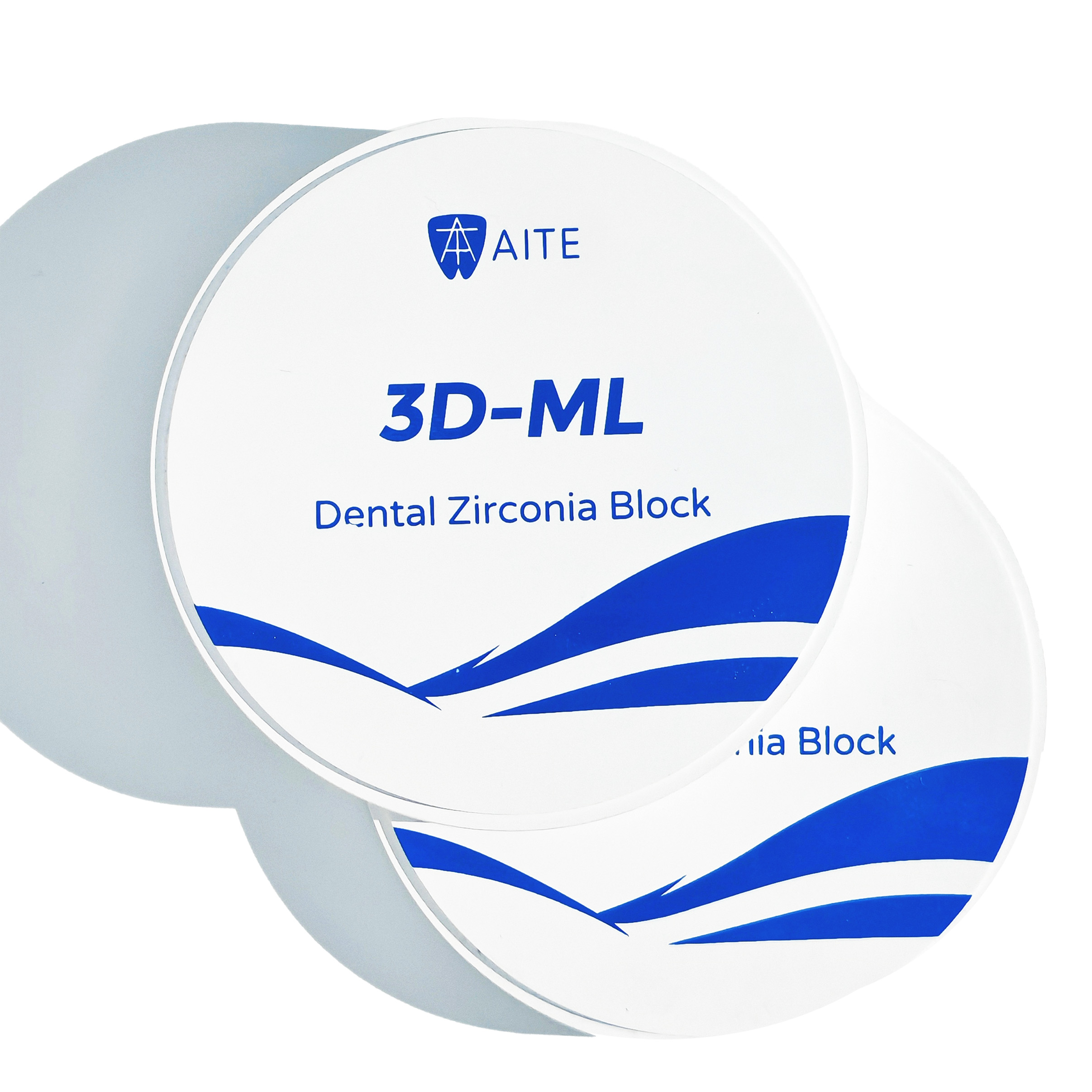
Modern dentistry demands restorative materials that combine exceptional durability with natural aesthetics, and multilayer zirconia blocks have emerged as a leading solution for dental bridge applications. These advanced ceramic materials represent a significant evolution in prosthodontic technology, offering clinicians and laboratory professionals a reliable foundation for creating bridges that withstand years of functional stress while maintaining superior visual appeal. Understanding why multilayer zirconia blocks have become the preferred choice for bridge restorations requires examining their unique material properties, clinical performance, and the specific advantages they deliver compared to traditional monolithic or single-layer alternatives.
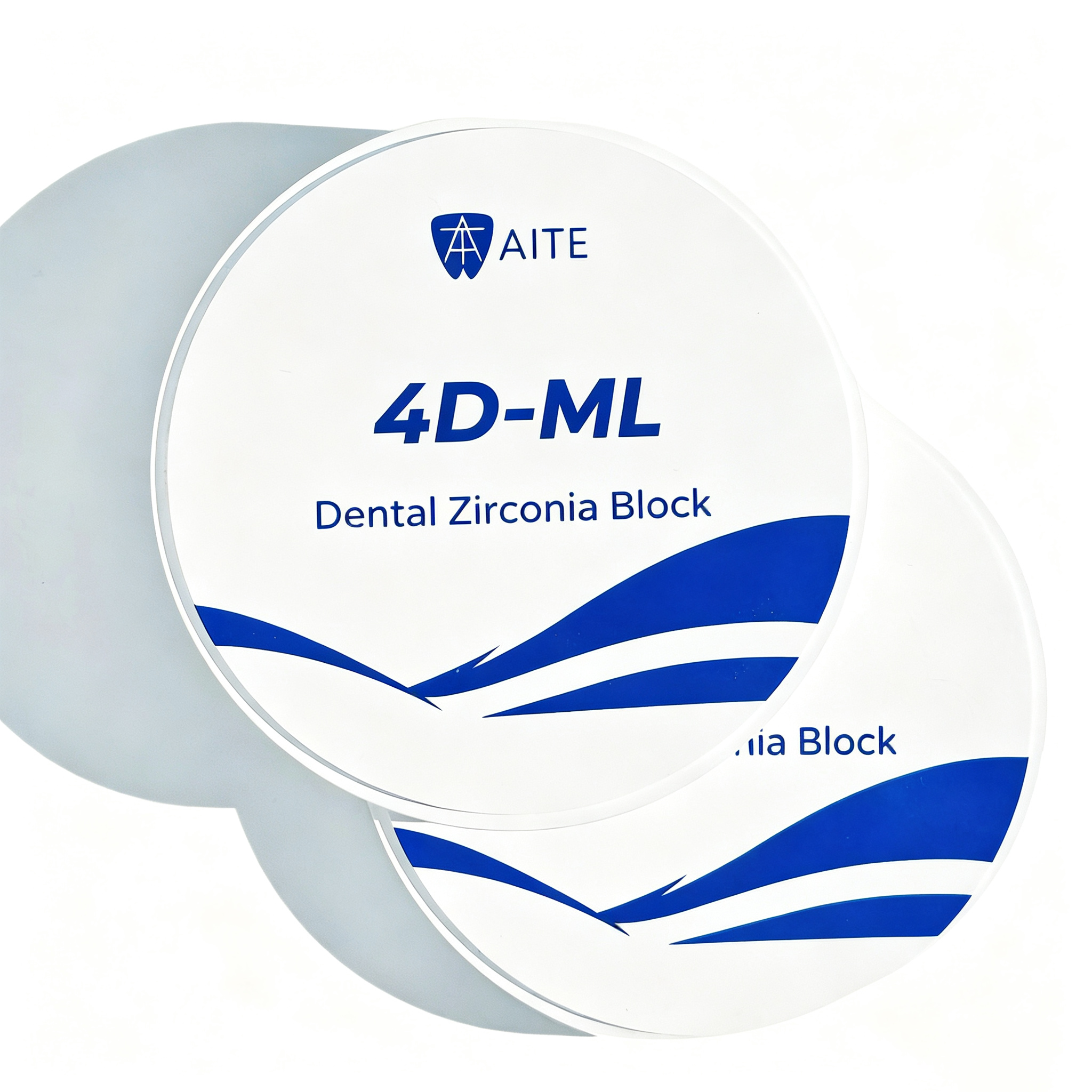
The strategic layering structure of multilayer zirconia blocks addresses a fundamental challenge in restorative dentistry: balancing mechanical strength with optical refinement. Multilayer zirconia blocks distribute stress more effectively across the restoration, reduce the risk of chipping or fracture, and allow for enhanced translucency in the outer layers while maintaining the load-bearing capacity essential for bridge applications. This article explores the scientific basis, clinical benefits, and practical considerations that make multilayer zirconia blocks an optimal material choice for contemporary bridge dentistry.
Material Science and Structural Advantages
Understanding Layered Zirconia Architecture
Multilayer zirconia blocks are engineered with distinct zones, typically including a denser inner core for strength and more translucent outer layers for esthetic refinement. This architectural design directly addresses the historical limitation of pure zirconia, which, while extremely strong, tends to appear opaque and artificially white. The gradient structure in multilayer zirconia blocks allows the material to transmit light more naturally through outer surfaces while the inner core maintains superior fracture resistance. Each layer is bonded at the molecular level during manufacturing, creating a seamless composite that prevents delamination or separation under the constant functional demands placed on bridge restorations.
Strength and Longevity in Bridge Applications
Bridge restorations encounter significant cyclic loading forces during mastication, making material strength a critical success factor. Multilayer zirconia blocks offer flexural strength typically ranging from 900 to 1200 megapascals, substantially exceeding the requirements for multi-unit restorations. This exceptional strength means that multilayer zirconia blocks can be milled to appropriate thicknesses without the risk of excessive bulk that would compromise esthetics or require excessive tooth preparation. Clinical studies demonstrate that restorations fabricated from multilayer zirconia blocks exhibit survival rates exceeding 95 percent over five years, with most failures resulting from secondary caries rather than material degradation or fracture.
Esthetic Performance and Clinical Integration
Natural Light Transmission and Color Matching
One of the most significant advantages of multilayer zirconia blocks is their ability to replicate the optical properties of natural tooth structure. The translucent outer layers of multilayer zirconia blocks allow light to penetrate and reflect similarly to enamel, creating restorations that integrate seamlessly with adjacent natural teeth. This optical refinement eliminates the chalky, opaque appearance that plagued earlier monolithic zirconia restorations, addressing a major limitation that previously forced clinicians toward more esthetic but less durable alternatives. The color gradient within multilayer zirconia blocks enables shade matching across a wider range of clinical situations, from patients with lighter tooth structures to those with darker backgrounds.
Reduced Need for Resurfacing and Glazing
Because multilayer zirconia blocks are manufactured with pre-optimized esthetic surfaces, the reliance on post-milling glazing procedures is substantially reduced. Many clinicians find that restorations milled from multilayer zirconia blocks require minimal additional surface treatment, streamlining the laboratory workflow and reducing the potential for esthetic compromise during finishing steps. When glazing is applied to multilayer zirconia blocks, it creates a smoother, more stain-resistant surface that maintains esthetics longer and resists coffee, tea, and tobacco discoloration more effectively than traditional ceramic surfaces. This inherent advantage means that multilayer zirconia blocks deliver predictable esthetic outcomes across varying clinical skill levels and laboratory capabilities.
Clinical Decision-Making and Practical Considerations
Indication Assessment for Bridge Selection
Selecting multilayer zirconia blocks for a bridge restoration requires evaluating patient factors, esthetic demands, and functional requirements. Multilayer zirconia blocks are ideally suited for patients requiring high-strength restorations with esthetic expectations, particularly in visible zones where monolithic zirconia might appear too opaque. For posterior bridge applications, multilayer zirconia blocks offer the advantage of reduced preparation depth compared to some alternative materials, preserving tooth structure while maintaining the durability necessary for posterior function. Patients with strong bite forces or parafunctional habits benefit substantially from the strength profile of multilayer zirconia blocks, which resist deformation and maintain marginal adaptation under stress.
Milling Precision and Marginal Fit
Modern milling technology has evolved to exploit the full potential of multilayer zirconia blocks, achieving marginal gaps consistently below 50 microns. The material properties of multilayer zirconia blocks allow for precise milling at various speeds without thermal distortion or microcracking that can compromise adaptation. The uniform hardness throughout multilayer zirconia blocks ensures predictable cutting behavior, reducing tool wear and maintaining dimensional stability throughout the milling process. This precision translates directly into superior marginal fit, reduced secondary decay risk, and extended restoration longevity, making multilayer zirconia blocks a cost-effective choice when considering the total clinical lifespan and maintenance requirements.
FAQ
What makes multilayer zirconia blocks superior to monolithic zirconia?
Multilayer zirconia blocks combine the strength benefits of monolithic zirconia with significantly enhanced esthetic properties. The outer translucent layers of multilayer zirconia blocks allow natural light transmission that monolithic zirconia cannot achieve, while the inner core maintains the exceptional fracture resistance that makes zirconia valuable for bridges. This balanced approach means multilayer zirconia blocks eliminate the optical compromise historically required when choosing between maximum strength and maximum esthetics.
Can multilayer zirconia blocks be used for all bridge spans?
While multilayer zirconia blocks offer excellent performance, their suitability depends on span length, support conditions, and functional demands. For three-unit bridges with solid abutment support, multilayer zirconia blocks perform excellently with minimal thickness. Longer spans or situations with compromised support may require consultation with laboratory professionals regarding optimal design modifications. The material strength of multilayer zirconia blocks is generally sufficient for most clinical scenarios encountered in contemporary practice.
How do multilayer zirconia blocks compare in cost to other bridge materials?
Initial material costs for multilayer zirconia blocks are higher than some alternative materials, but total cost-effectiveness improves when considering longevity and reduced replacement rates. Multilayer zirconia blocks restorations typically require minimal adjustments post-insertion, reducing chair time and chair-side complications. Over a ten-year period, the combination of exceptional durability and minimal maintenance makes multilayer zirconia blocks economically competitive with materials requiring more frequent replacement or repair.