
 EN
EN
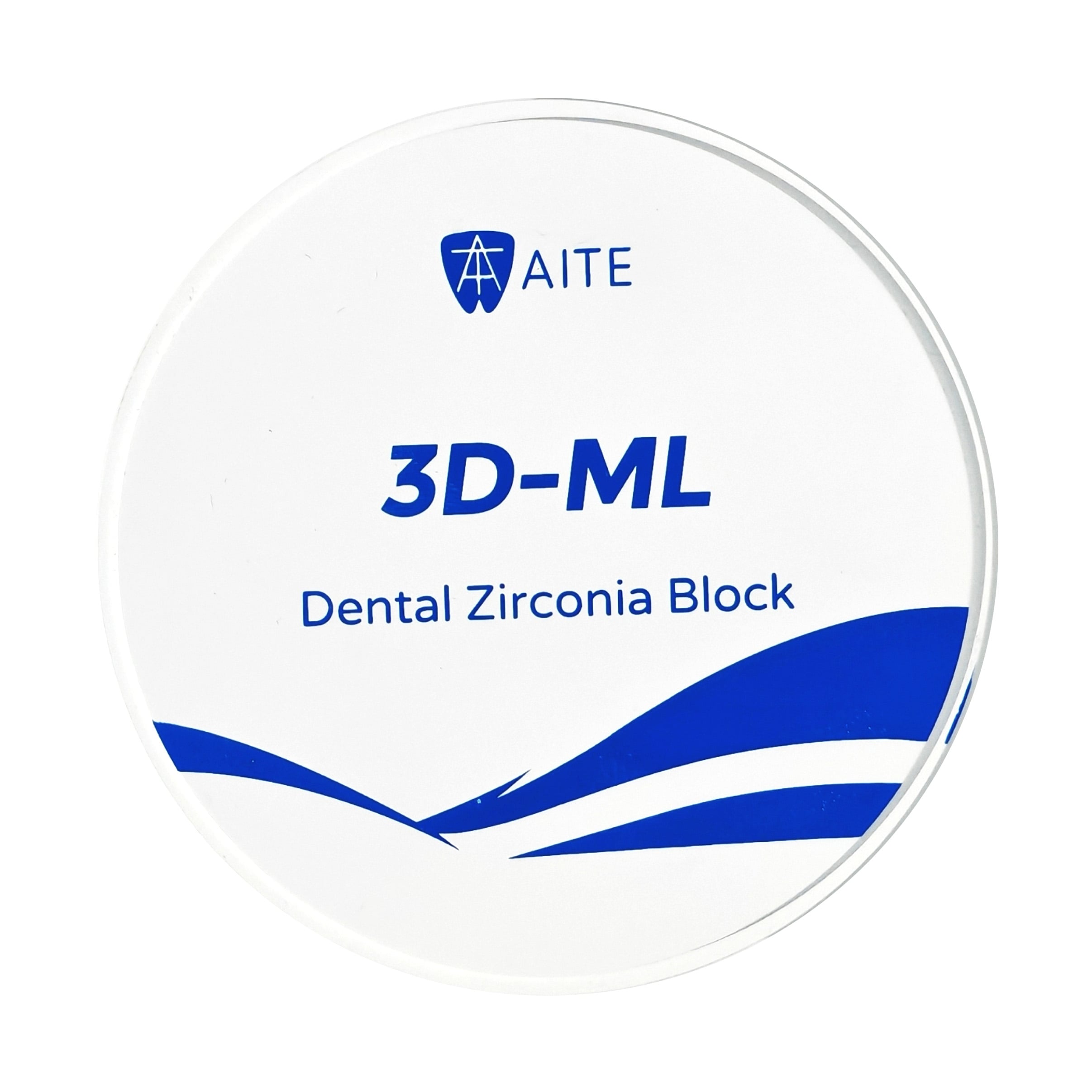
Multilayer zirconia blocks represent a significant advancement in dental restoration technology, particularly for posterior applications where both strength and esthetic demands are high. These engineered materials combine multiple zirconia layers with distinct properties to create restorations that resist fracture while maintaining natural appearance. Understanding how multilayer zirconia blocks function posteriorly helps clinicians make informed material selection decisions and achieve optimal clinical outcomes in their practice.
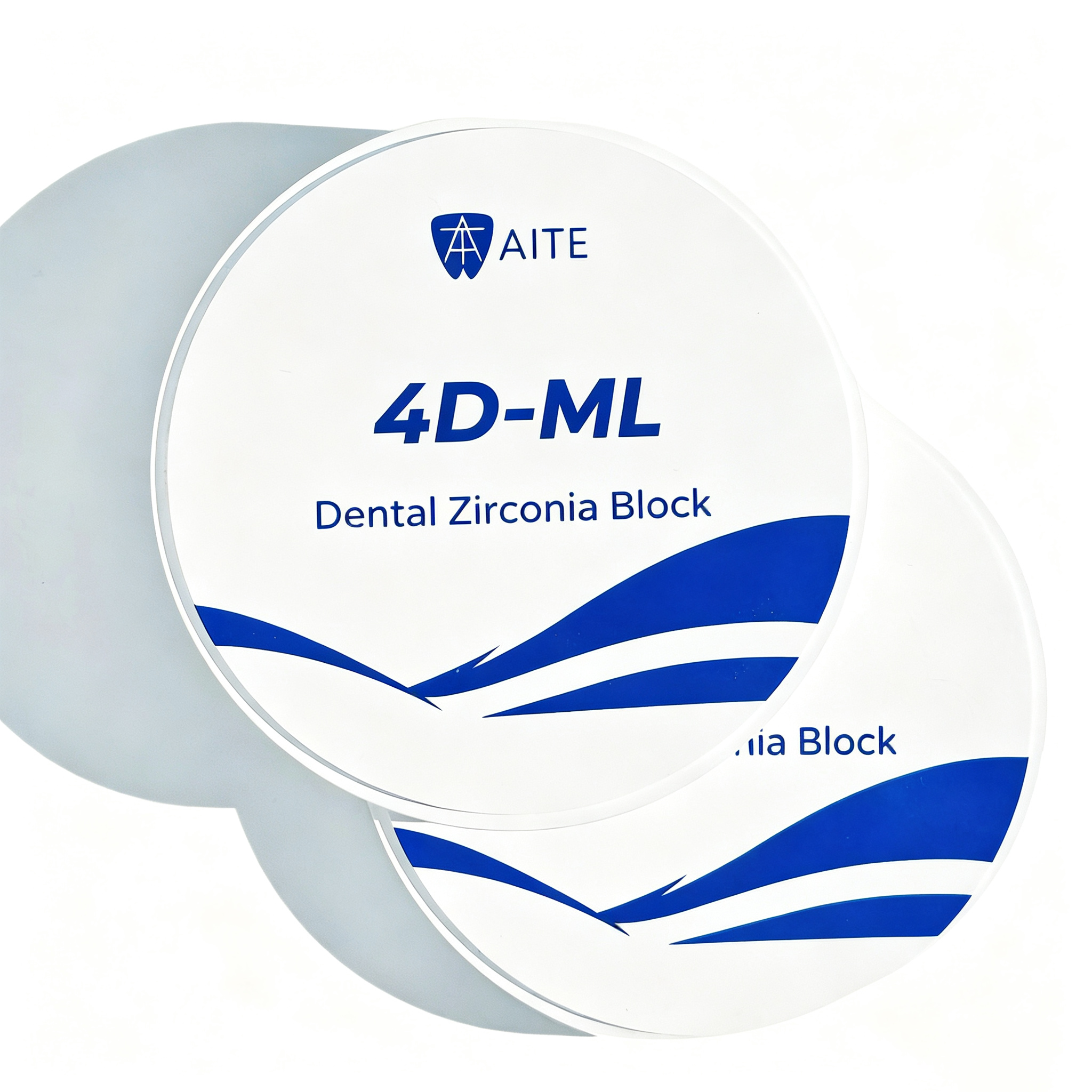
Posterior restorations face unique biomechanical challenges that differ significantly from anterior cases. The posterior region experiences concentrated occlusal forces during mastication, thermal cycling from hot and cold foods, and complex loading patterns that stress restorations differently than anterior teeth. Multilayer zirconia blocks are specifically engineered to address these posterior challenges by combining structural layers that work synergistically to distribute forces, absorb stress, and prevent catastrophic failure under demanding clinical conditions.
Structural Composition and Layer Architecture
Core Strength Layer Function
The foundation of multilayer zirconia blocks lies in their engineered core layer, which typically consists of high-strength yttria-stabilized tetragonal zirconia polycrystals (YSZ). This core layer provides the fundamental resistance to occlusal forces and creates the structural backbone that prevents fracture under posterior loading. Multilayer zirconia blocks derive their superior fracture resistance from this dense, precisely manufactured core that can withstand the repetitive compressive and shear stresses generated during normal mastication and parafunctional habits.
The core strength layer in multilayer zirconia blocks is optimized through advanced sintering techniques that eliminate porosity and create uniform crystal structure. This homogeneous composition ensures predictable mechanical behavior across the entire restoration. When multilayer zirconia blocks are used posteriorly, this strong core layer anchors the entire restoration and resists the concentrated forces that occur on cusps and marginal ridges during chewing cycles.
Esthetic Surface Layer Consideration
Beyond the structural core, multilayer zirconia blocks incorporate stratified layers that address esthetic requirements increasingly important even in posterior regions. Modern smile lines and patient expectations mean that premolar restorations and even some molar restorations require natural color gradation and light transmission properties. Multilayer zirconia blocks achieve this through graded compositions where outer layers have different properties than the core, creating restorations that appear more natural while maintaining the posterior durability requirements.
The surface layer of multilayer zirconia blocks exhibits higher translucency compared to the core, allowing light to penetrate and interact with underlying tooth structure and cement. This stratification means that multilayer zirconia blocks can create posterior restorations with superior esthetic integration compared to monolithic zirconia options. The layered design ensures that strength is preserved where forces concentrate while esthetics improve where patients view the restoration from facial aspects.
Biomechanical Performance in Posterior Regions
Force Distribution and Stress Dissipation
Multilayer zirconia blocks function posteriorly through a sophisticated force distribution mechanism enabled by their layered architecture. When occlusal forces load a posterior restoration made from multilayer zirconia blocks, the strong core layer captures and distributes these forces laterally through the restoration rather than concentrating them at single stress points. This distributed load path significantly reduces the peak stresses that individual crystalline structures must bear, extending restoration longevity and reducing the risk of sudden catastrophic fracture.
The effectiveness of multilayer zirconia blocks for posterior applications depends on how their layered composition interacts with the underlying supporting tooth structure and preparation geometry. The core layer maintains high modulus of elasticity, which matches natural tooth dentin properties more closely than monolithic alternatives. This mechanical compatibility ensures that multilayer zirconia blocks transmit forces through prepared teeth in a physiologically compatible manner, reducing the risk of secondary caries, tooth sensitivity, and preparation fracture that can occur when restorations exhibit mismatched elastic properties.
Fracture Resistance and Longevity
Multilayer zirconia blocks demonstrate exceptional resistance to the fracture modes that commonly affect posterior restorations. Chipping, flexural failure, and delamination represent significant clinical challenges in posterior zones, but the integrated layer design of multilayer zirconia blocks addresses each failure mode through compositional engineering. The high-strength core resists flexural stresses, while intermediate layers absorb shock loads and prevent sudden crack propagation across the entire restoration width.
Longitudinal clinical data supports the fracture resistance of multilayer zirconia blocks in posterior applications, with survival rates consistently exceeding 95 percent over five-year periods. This performance reflects the material science innovations embedded in multilayer zirconia blocks that make them suitable for high-demand posterior environments. The stability of multilayer zirconia blocks under thermal cycling, pH variations, and mechanical stress demonstrates that the layered architecture provides durable restoration solutions for patients with demanding posterior restorations.
Material Properties and Clinical Handling
Milling and Customization for Posterior Fit
Multilayer zirconia blocks are engineered specifically for digital milling workflows, allowing precise customization to individual posterior tooth anatomies and preparation specifications. The density and hardness of multilayer zirconia blocks require specialized milling equipment, but modern CAD-CAM systems accommodate these requirements with optimized tooling and milling parameters. Clinicians using multilayer zirconia blocks benefit from consistent block dimensions, reliable dimensional stability during milling, and accurate final restorations that fit posterior preparations with minimal adjustment time.
The composition of multilayer zirconia blocks influences their milling characteristics and final surface texture. Premium multilayer zirconia blocks formulations incorporate refinements that reduce tool wear during milling and produce restorations with superior marginal adaptation. When posterior multilayer zirconia blocks are milled properly, they require minimal adjustment in the mouth, reducing chair time and minimizing the risk of surface scratches that could nucleate fracture sites.
Color Stability and Shade Matching
Posterior restorations increasingly appear in the smile line, making the color stability of multilayer zirconia blocks clinically important. These blocks are engineered to resist discoloration from external stains, internal staining from restoration components, and color shifts from manufacturing variations. Multilayer zirconia blocks maintain consistent color characteristics throughout their clinical service life, ensuring that posterior restorations retain their esthetic integration with adjacent natural teeth.
Shade selection for multilayer zirconia blocks involves choosing from standardized color options that match common posterior tooth shades. The translucency characteristics of multilayer zirconia blocks interact predictably with luting cements, allowing clinicians to customize final shade through cement selection while maintaining restoration durability. This combination of material predictability and clinical control makes multilayer zirconia blocks an excellent choice for posterior restorations requiring both esthetic excellence and long-term stability.
FAQ
What makes multilayer zirconia blocks superior to monolithic zirconia for posterior restorations?
Multilayer zirconia blocks combine the fracture resistance of monolithic zirconia with improved esthetic properties through their layered architecture. The stratified composition allows outer layers to exhibit higher translucency and natural color gradation while the strong core maintains the posterior durability and stress resistance essential for posterior regions. This dual optimization means multilayer zirconia blocks deliver both clinical performance and esthetic results that monolithic materials cannot match independently, making them particularly suitable for posterior cases where esthetics increasingly matter.
How do multilayer zirconia blocks handle the occlusal forces in posterior areas?
Multilayer zirconia blocks manage posterior occlusal forces through engineered layer compositions that distribute stress across multiple material phases rather than concentrating loads at single points. The high-strength core layer provides primary force resistance while intermediate layers absorb shock and prevent sudden crack propagation. This architecture allows multilayer zirconia blocks to maintain structural integrity under the complex loading patterns characteristic of posterior mastication, ensuring restoration longevity and clinical success.
Are multilayer zirconia blocks suitable for all posterior restoration types?
Multilayer zirconia blocks work well for crowns, onlays, and partial coverage restorations on posterior teeth in most clinical scenarios. Their material properties make them ideal for patients with high bite forces, parafunctional habits, or extensive posterior restorations requiring both strength and esthetics. However, preparation geometry, remaining tooth structure, and individual clinical factors should guide material selection. Clinicians should evaluate whether posterior teeth require the esthetic properties of multilayer zirconia blocks or whether other materials might be equally suitable for specific cases.