
 EN
EN
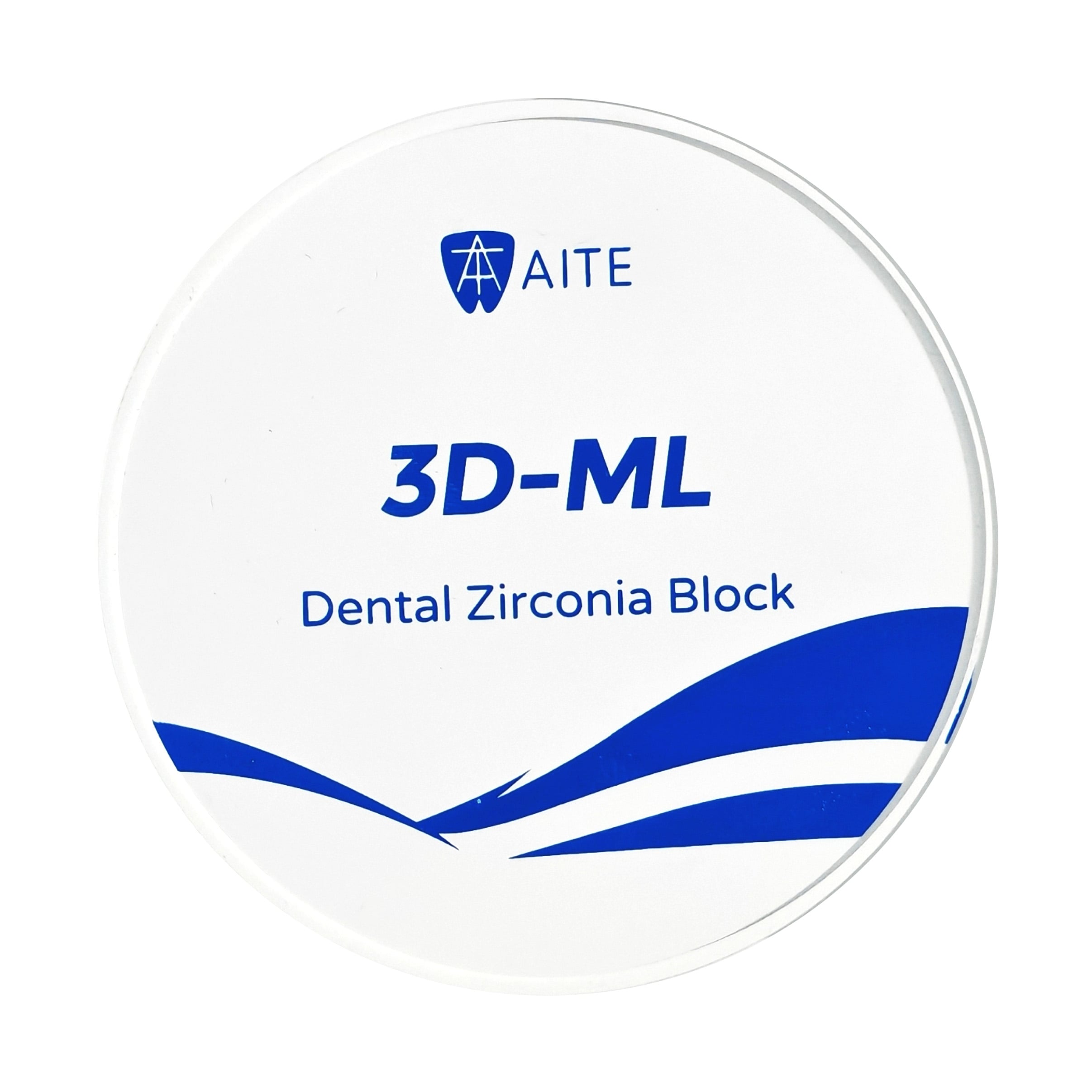
Multilayer zirconia blocks represent a transformative advancement in dental laboratory workflows, fundamentally reshaping how dental professionals approach restoration fabrication. The primary reason multilayer zirconia blocks save staining time lies in their pre-stratified design, which eliminates the need for manual layering and extensive customization during the staining phase. When laboratories adopt multilayer zirconia blocks, they access restorations that already contain the color gradient and translucency characteristics required for natural-looking results, dramatically reducing the time spent applying stains, glazes, and corrective coloring agents.
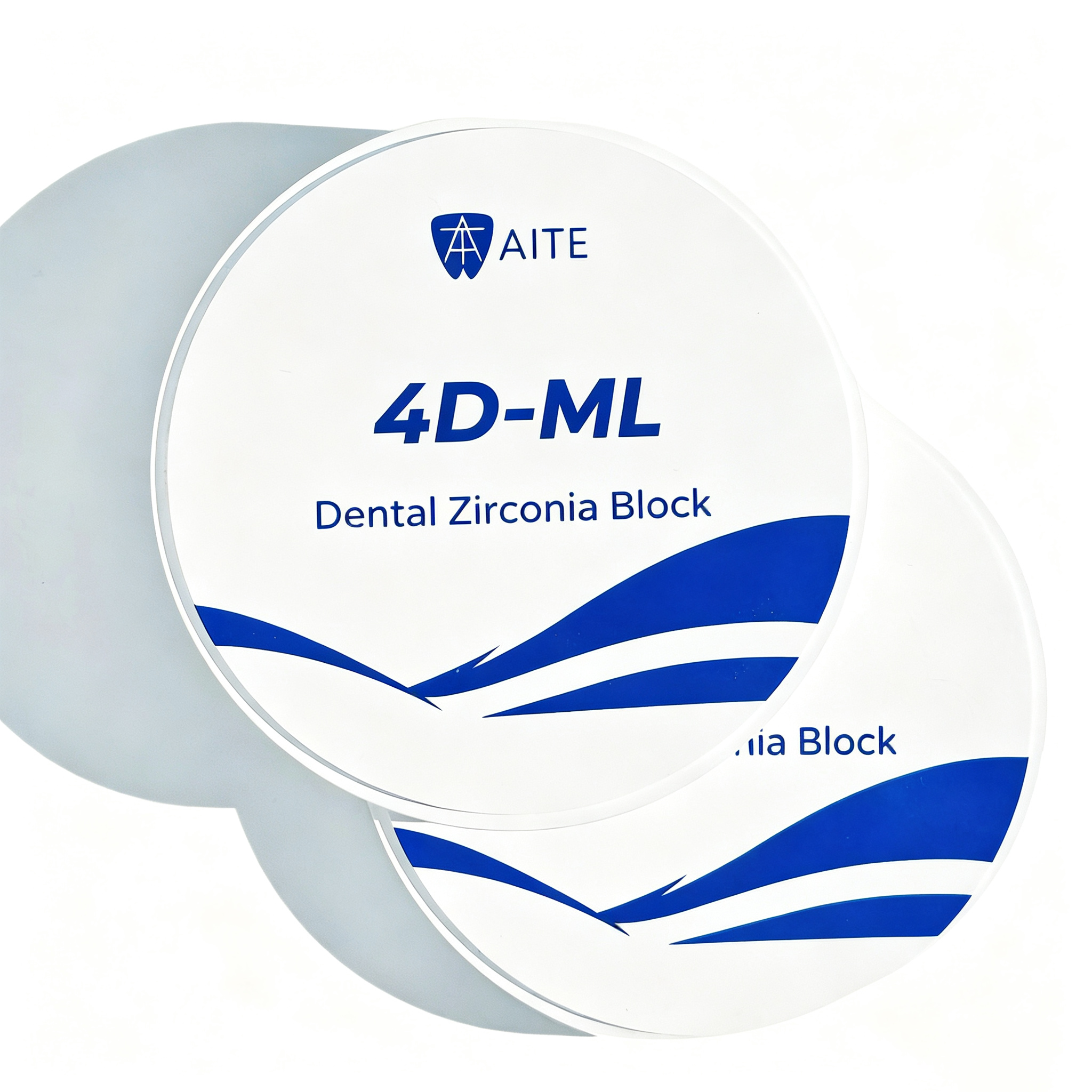
The efficiency gains from using multilayer zirconia blocks extend beyond simple time savings. These blocks allow laboratories to maintain consistent quality across multiple restorations while reducing the technical complexity and skill level required for each individual case. By understanding how multilayer zirconia blocks function and why they streamline the staining process, dental laboratories can optimize their operations, increase production capacity, and deliver restorations faster without compromising aesthetic or clinical outcomes.
Understanding the Pre-Stratified Architecture of Multilayer Zirconia Blocks
How Color Gradients Are Built Into Multilayer Zirconia Blocks
The fundamental advantage of multilayer zirconia blocks lies in their pre-layered construction. Unlike monolithic zirconia that requires extensive staining and glazing, multilayer zirconia blocks are manufactured with distinct color layers that transition from a lighter shade at the surface to a more opaque, dentin-like core. This internal stratification mimics natural tooth anatomy, where enamel appears more translucent and dentin provides opacity and warmth. When technicians work with multilayer zirconia blocks, they receive restorations that already possess these optical properties, eliminating hours typically spent on manual coloring and layering techniques.
The manufacturing process creates multilayer zirconia blocks with precise shade control across multiple depths. Each layer within multilayer zirconia blocks is engineered to absorb and reflect light in ways that approximate natural tooth structure. This means that when a restoration is milled from multilayer zirconia blocks, it requires minimal post-milling staining. Technicians can often proceed directly to glazing, or apply only light surface stains for final customization rather than building color from a blank canvas.
Optical Properties That Reduce Staining Requirements
Multilayer zirconia blocks possess superior translucency compared to traditional solid zirconia, which naturally reduces the staining time needed to achieve lifelike aesthetics. The internal light transmission properties of multilayer zirconia blocks allow for natural color reproduction without thick, opaque staining layers. This optical advantage means that a restoration milled from multilayer zirconia blocks will display better light behavior and color blending with minimal intervention, unlike monolithic alternatives that demand heavy staining to appear natural.
Laboratories appreciate multilayer zirconia blocks because the pre-engineered color distribution means that typical staining protocols become shorter. Technicians spend less time mixing custom stain shades, experimenting with layering sequences, and troubleshooting color matching issues. The inherent properties of multilayer zirconia blocks substantially compress the staining workflow into focused refinement steps rather than foundational color building.
Workflow Efficiency Gains When Using Multilayer Zirconia Blocks
Streamlined Staining Protocols for Multilayer Zirconia Blocks
When laboratories transition to multilayer zirconia blocks, their staining protocols shift dramatically. Instead of spending two to three hours on complex staining sequences, technicians using multilayer zirconia blocks often complete staining in 30 to 60 minutes. This reduction occurs because multilayer zirconia blocks arrive with baseline color already established, requiring only surface refinement rather than comprehensive coloration. The standardized approach to multilayer zirconia blocks staining means less variability between cases and fewer failed attempts due to over-staining or mismatched shades.
Production scheduling becomes more predictable when relying on multilayer zirconia blocks. Since each block within a batch carries consistent pre-stratified properties, technicians can apply the same refined staining protocol repeatedly with confidence. Multilayer zirconia blocks eliminate the trial-and-error phase that consumes time in traditional workflows. Laboratories report that implementing multilayer zirconia blocks cuts overall turnaround time by 25 to 40 percent, with staining time reductions accounting for a significant portion of these gains.
Reduced Training Requirements and Technical Complexity
The inherent design of multilayer zirconia blocks lowers the technical barrier for laboratory staff. New technicians can produce acceptable results using multilayer zirconia blocks more quickly than with traditional materials, because the pre-layered structure handles much of the aesthetic complexity. This advantage means laboratories using multilayer zirconia blocks require less extensive training programs and experience less quality variance between senior and junior technicians. Multilayer zirconia blocks democratize restoration fabrication, allowing labs to maintain consistent output across their workforce.
Investment in staff training decreases significantly when adopting multilayer zirconia blocks. Experienced technicians can focus on fine-tuning and customization rather than teaching fundamental staining techniques from scratch. Multilayer zirconia blocks create a foundation that supports faster skill development and enables smoother cross-training across laboratory teams. This efficiency translates directly to cost savings and improved labor utilization.
Clinical and Aesthetic Outcomes With Multilayer Zirconia Blocks
Consistent Natural Aesthetics Across All Cases
Multilayer zirconia blocks deliver predictable aesthetic results that match or exceed outcomes achieved through traditional staining methods. The pre-engineered color stratification within multilayer zirconia blocks ensures that restorations blend seamlessly with natural dentition without the aesthetic risk of staining errors. Clinicians appreciate that restorations fabricated from multilayer zirconia blocks display excellent color stability, resist stain absorption, and maintain their appearance over extended periods. These aesthetic guarantees reduce clinical adjustments and chair time, further amplifying the efficiency gains initiated during laboratory fabrication.
The natural translucency of multilayer zirconia blocks creates restorations that appear indistinguishable from natural teeth under clinical lighting. This superior aesthetic performance means dentists can confidently place restorations milled from multilayer zirconia blocks in high-visibility zones without concerns about color matching. Multilayer zirconia blocks essentially guarantee aesthetic success, eliminating the clinical remakes that occasionally result from poorly stained or mismatched traditional restorations.
Durability and Long-Term Performance
Beyond staining time reduction, multilayer zirconia blocks provide exceptional durability and clinical longevity. The manufacturing process that creates multilayer zirconia blocks produces material with superior fracture resistance compared to traditional veneered restorations. Restorations fabricated from multilayer zirconia blocks withstand the rigorous demands of posterior and anterior applications without chipping or delaminating. This robustness means fewer clinical failures, replacement cases, and the associated laboratory rework that consumes time and resources.
Laboratories benefit from the reliability of multilayer zirconia blocks because clinical success translates to reputation enhancement and reduced remake rates. When multilayer zirconia blocks are properly stained and glazed, the resulting restorations perform reliably for years. This performance consistency strengthens relationships with referring dentists and builds confidence in laboratory capabilities. The combination of rapid staining and durable outcomes makes multilayer zirconia blocks an investment that pays dividends through improved case acceptance and clinical success rates.
FAQ
How much time do multilayer zirconia blocks actually save compared to traditional staining methods?
Most laboratories report time savings of 30 to 60 minutes per restoration when using multilayer zirconia blocks compared to monolithic zirconia or other materials requiring extensive staining. This translates to 25 to 40 percent reduction in overall turnaround time for cases using multilayer zirconia blocks. The exact savings depend on case complexity, shade requirements, and individual laboratory protocols, but the reduction in staining time remains consistent across different implementations of multilayer zirconia blocks.
Can multilayer zirconia blocks be customized for specific patient shade requirements?
Yes, multilayer zirconia blocks support customization through surface staining and glazing applications after milling. Technicians can apply targeted stains to refine the final shade, adjust translucency, or create custom effects while spending significantly less time than with non-stratified materials. Multilayer zirconia blocks arrive pre-colored, allowing technicians to make minor adjustments rather than building color from scratch. This flexibility means multilayer zirconia blocks accommodate specific clinical needs without sacrificing the efficiency gains inherent to their design.
Are multilayer zirconia blocks suitable for all types of dental restorations?
Multilayer zirconia blocks work exceptionally well for crowns, bridges, and implant restorations in both anterior and posterior applications. The strength and aesthetic properties of multilayer zirconia blocks make them versatile across different tooth positions and restoration types. Some highly specialized cases may benefit from alternative materials, but multilayer zirconia blocks represent an excellent choice for the vast majority of crown and bridge work. Laboratories using multilayer zirconia blocks find that these blocks handle approximately 80 to 90 percent of their typical caseload.