
 EN
EN
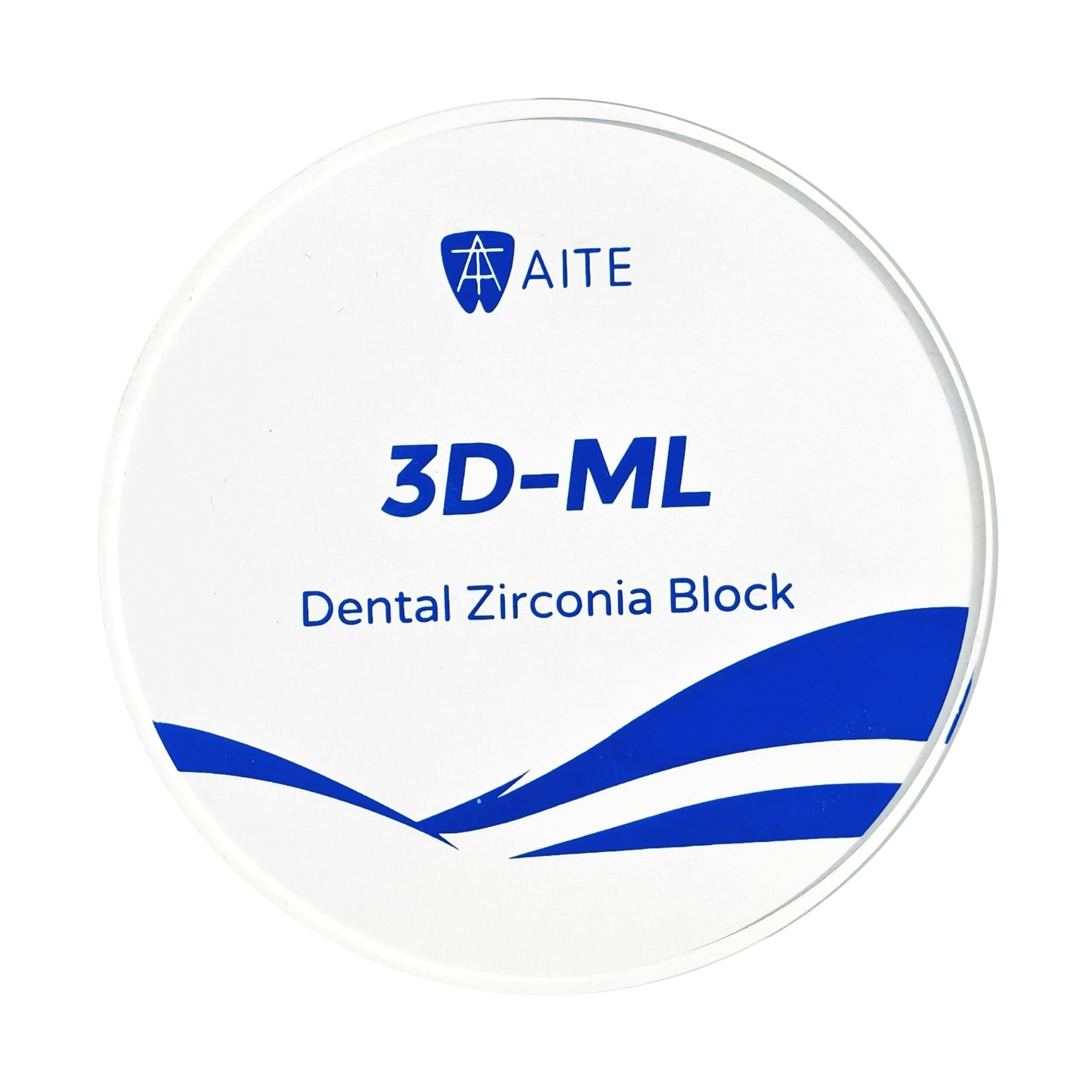
Long-span dental bridges demand materials that combine exceptional strength, durability, and aesthetic appeal. Dental zirconia has emerged as the material of choice for this challenging application, offering restorative dentists and dental laboratories a solution that addresses the complex requirements of replacing multiple missing teeth. When clinicians evaluate materials for long-span bridges, dental zirconia consistently delivers superior performance across critical metrics, from load-bearing capacity to biological compatibility and long-term stability.
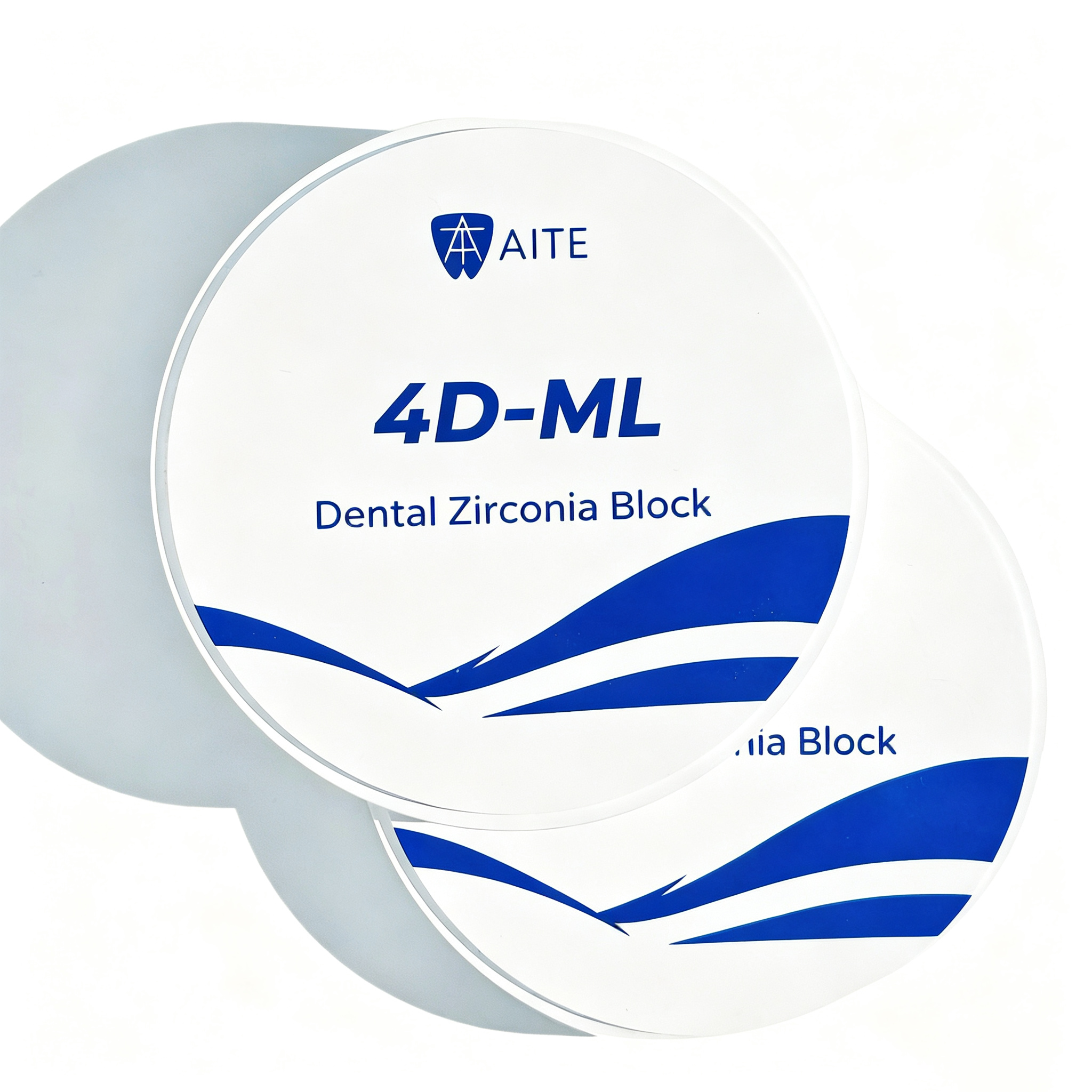
The shift toward dental zirconia represents a fundamental change in restorative philosophy. Traditional materials like porcelain-fused-to-metal have dominated the market for decades, yet they present inherent limitations in durability and aesthetics. Dental zirconia eliminates metal substructures entirely, providing a monolithic or layered framework that performs reliably under the sustained stress of long-span applications. Understanding why dental zirconia has become the preferred material requires examining its mechanical properties, clinical longevity, and the specific advantages it provides for bridges spanning three or more missing teeth.
Superior Mechanical Strength and Load Capacity
Why Strength Matters in Long-Span Applications
Long-span dental bridges experience cumulative stress from chewing forces that are distributed across multiple units. Dental zirconia exhibits flexural strength exceeding 900 megapascals, substantially higher than conventional porcelain ceramics. This mechanical advantage means dental zirconia can withstand the dynamic and compressive forces that challenge longer bridge designs. The material's fracture resistance prevents catastrophic failure modes that could compromise clinical outcomes and require costly retreatment. Dental zirconia also resists crack propagation better than brittle ceramic alternatives, providing a margin of safety that is critical in high-stress scenarios.
Handling Cantilever and Complex Loading Patterns
Certain clinical situations require cantilever designs or asymmetrical loading patterns that intensify stress concentration. Dental zirconia accommodates these complex loading scenarios because its toughness absorbs energy without sudden fracture. The material's phase transformation toughening mechanism actively strengthens the framework when microcracks begin to form. This self-protecting property makes dental zirconia exceptionally suitable for cases where traditional materials would face unacceptable fracture risk. Clinicians and laboratory technicians designing long-span bridges consistently rely on dental zirconia's proven performance in demanding load scenarios.
Exceptional Longevity and Clinical Predictability
Long-Term Survival Rates in Clinical Evidence
Published clinical studies demonstrate that dental zirconia bridges achieve survival rates exceeding ninety-five percent over ten-year follow-up periods. This level of clinical longevity directly impacts patient satisfaction and reduces the lifetime cost of restorative treatment. Dental zirconia exhibits minimal surface degradation, dimensional stability, and resistance to environmental stressors that compromise other materials. Unlike metal-ceramic combinations that can delaminate or show metal margins over time, dental zirconia maintains structural and aesthetic integrity throughout its service life. The predictability of dental zirconia performance makes it a dependable choice for patients seeking solutions that will serve reliably for decades.
Resistance to Wear and Environmental Degradation
Dental zirconia resists wear from opposing dentition better than conventional ceramics, maintaining anatomical contours and occlusal relationships throughout the bridge's lifespan. The material does not absorb moisture or saliva, eliminating concerns about hydrolytic degradation that affect some ceramic materials over time. Dental zirconia also exhibits superior resistance to chemical attack from dietary acids and enzymatic fluids, ensuring that the material remains stable in the oral environment. This environmental stability translates to consistent performance regardless of patient age, dietary habits, or oral care patterns. The low-wear characteristic of dental zirconia bridges protects natural antagonistic teeth from accelerated attrition, preserving the overall dentition.
Aesthetic Excellence and Biological Integration
Achieving Natural Appearance Without Metal Substrates
Dental zirconia eliminates the metal substructure that creates opaque appearance and potential dark margins in metal-ceramic restorations. Modern dental zirconia offers exceptional light transmission properties that enable laboratory technicians to layer aesthetic veneers that mimic natural tooth translucency and color gradation. The material can be precisely tinted before sintering, allowing complete control over final shade. Dental zirconia bridges deliver a fully aesthetic solution that satisfies the visual expectations of contemporary patients. The absence of metal means no concerns about corrosion products affecting gingival color or systemic biocompatibility, addressing both aesthetic and biological considerations.
Biocompatibility and Soft Tissue Response
Dental zirconia exhibits excellent biocompatibility with gingival tissues, promoting healthy soft tissue adaptation around bridge margins. The material does not contain allergenic elements or release ions that could trigger inflammatory responses. Patients with sensitivities to nickel or other metals show no adverse reactions to dental zirconia, making it an inclusive restorative solution. The smooth, biocompatible surface of dental zirconia facilitates plaque control and reduces the risk of periimplant or bridge-associated inflammation. Clinical observations consistently demonstrate that dental zirconia bridges integrate seamlessly with surrounding tissues, supporting long-term health and patient comfort. The biological advantage of dental zirconia extends the clinical utility of long-span bridges in patients with compromised immune function or known material sensitivities.
Precision Milling and Customization Capabilities
Digital Workflow Integration and CAD/CAM Advantages
Dental zirconia's compatibility with advanced CAD/CAM technology enables precise milling from presintered blocks, allowing dental laboratories to create structurally optimized frameworks. The digital design process permits detailed structural analysis and thickness optimization that would be impossible with hand-layered techniques. Dental zirconia can be milled with exceptional accuracy, achieving tight margins and precise anatomical form that enhance both clinical outcomes and aesthetic results. The predictability of the milling process reduces production time and variability, ensuring consistent quality across multiple restorations. Digital customization of dental zirconia designs accommodates complex anatomical situations and patient-specific needs with precision that strengthens clinical outcomes.
Material Efficiency and Laboratory Workflow
Dental zirconia blocks are engineered to minimize waste during milling, reducing material costs and supporting sustainable laboratory practices. The presintered blank system allows technicians to mill frameworks before final sintering, streamlining production schedules and reducing time-to-delivery. Dental zirconia's dimensional stability during sintering eliminates the unpredictability associated with traditional ceramic firing, enabling reliable final dimensions and fit. The standardized properties of dental zirconia blocks support reproducible results across different laboratories and technicians. This efficiency advantage makes dental zirconia a practical choice for high-volume restorative practices seeking to optimize laboratory workflows while maintaining quality.
FAQ
Can dental zirconia be used for all long-span bridge cases?
While dental zirconia is suitable for most long-span situations, specific clinical factors influence candidacy. Dental zirconia performs exceptionally well in cases with adequate supporting teeth, appropriate abutment preparation, and sufficient occlusal clearance. Cases involving severe bruxism or patients with parafunctional habits may require additional design modifications to optimize dental zirconia performance. Dental zirconia bridges are particularly advantageous when patients prioritize aesthetics or have metal sensitivities. Consultation with your restorative dentist ensures that dental zirconia is selected for cases where its benefits align with your clinical presentation and treatment goals.
How does the cost of dental zirconia compare to other long-span bridge materials?
Dental zirconia typically commands a higher initial cost than porcelain-fused-to-metal restorations due to advanced CAD/CAM processing and material properties. However, the superior longevity and reduced repair rates of dental zirconia often result in lower total treatment costs over the bridge's lifespan. Dental zirconia minimizes the need for adjustments, repairs, or replacement procedures that occur more frequently with conventional materials. When considering long-term value, dental zirconia represents a cost-effective investment in durable, aesthetically superior restorations. Insurance coverage for dental zirconia varies by plan, so discussing financial aspects with your dental provider and insurer ensures informed treatment planning.
What maintenance is required for long-span dental zirconia bridges?
Dental zirconia bridges require standard oral hygiene practices similar to natural teeth, including daily brushing and flossing around bridge margins. The material does not require special cleaning products or techniques; standard dental care preserves the restoration's integrity. Dental zirconia resists staining and discoloration, maintaining its appearance with routine professional cleanings during regular dental visits. Avoiding excessive force or trauma protects all dental restorations, including dental zirconia bridges. Regular follow-up appointments allow your dentist to monitor the restoration and address any concerns early, ensuring that your dental zirconia bridge continues performing reliably throughout its clinical lifespan.