
 EN
EN
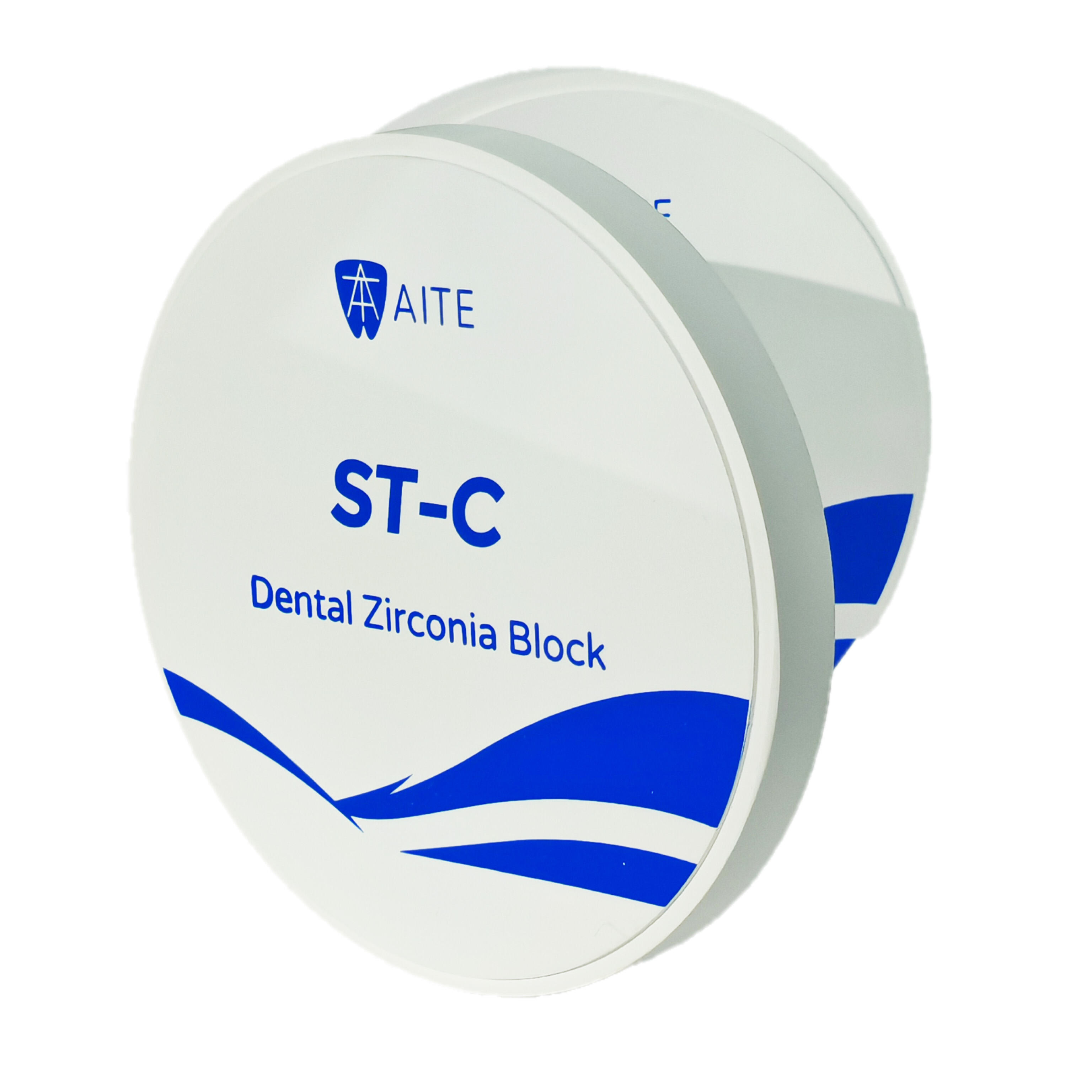
Les disques en zircone dentaire ont révolutionné la façon dont les laboratoires dentaires fabriquent les restaurations, offrant une résistance sans précédent et des propriétés esthétiques répondant aux exigences rigoureuses de la dentisterie moderne. Ces disques céramiques constituent la matière première permettant de réaliser une vaste gamme de prothèses dentaires, allant des couronnes unitaires aux bridges complexes multi-unités, à l’aide d’une technologie avancée de fraisage CAO/FAO garantissant un ajustement précis et une durabilité exceptionnelle.
La compréhension des applications spécifiques et des avantages de disques en zircone dentaire est essentielle pour les techniciens de laboratoire souhaitant optimiser leurs procédés de fabrication et assurer des résultats cliniques supérieurs pour leurs patients. La polyvalence de ces matériaux permet aux laboratoires de répondre à des situations cliniques variées tout en maintenant des normes de qualité constantes et en satisfaisant les attentes esthétiques tant des chirurgiens-dentistes que des patients.
Applications principales des disques en zircone dentaire en milieu de laboratoire
Fabrication de couronnes et restaurations unitaires
Les disques en zirconium dentaire sont principalement utilisés en laboratoire pour la fabrication de couronnes unitaires nécessitant une résistance exceptionnelle et une apparence naturelle. Le processus d'usinage permet aux techniciens de réaliser des couronnes présentant un ajustement marginal précis et des contours anatomiques qui correspondent étroitement à la structure dentaire naturelle du patient. Ces restaurations unitaires profitent de la biocompatibilité du zirconium et de sa résistance à la fracture, ce qui les rend idéales pour les dents postérieures soumises à de fortes forces occlusales.
Les flux de travail en laboratoire pour la fabrication de couronnes à l’aide de disques en zirconium dentaire impliquent généralement des données d’empreinte numérique guidant le processus de conception CAO. La couronne usinée subit un frittage contrôlé afin d’atteindre ses dimensions finales et ses caractéristiques optimales de résistance. Cette méthode de fabrication garantit des résultats constants d’un cas à l’autre tout en réduisant le temps nécessaire aux ajustements et affinages manuels.
La polyvalence esthétique des disques en zirconium dentaire permet aux laboratoires de réaliser des couronnes présentant différents niveaux de translucidité afin de répondre aux diverses exigences cliniques. Les options à haute translucidité conviennent particulièrement aux restaurations antérieures, où la transmission naturelle de la lumière est essentielle, tandis que les formulations à plus haute résistance offrent une durabilité optimale pour les applications postérieures, où la fonction prime sur l’esthétique maximale.
Confection de bridges multi-unités
La fabrication complexe de bridges constitue un autre domaine principal application dans lequel les disques en zirconium dentaire excellent en milieu laboratoire. Les caractéristiques mécaniques du matériau permettent la réalisation de bridges à grande portée capables de supporter les charges occlusales réparties typiques des prothèses multi-unités. Les techniciens dentaires peuvent usiner les structures de bridges à partir d’un seul disque ou combiner plusieurs disques pour des reconstructions étendues.
La nature monolithique des bridges fabriqués à partir de disques de zircone dentaire élimine les points de défaillance potentiels associés aux restaurations stratifiées. Cette approche simplifie le flux de travail en laboratoire tout en offrant aux patients des prothèses durables qui conservent leur intégrité sur de longues périodes d’utilisation. La précision de la fraiseuse garantit des dimensions adéquates des connecteurs et une répartition optimale de la résistance dans l’ensemble de la structure du bridge.
Les procédés de fabrication de bridges à l’aide de disques de zircone dentaire exigent une attention particulière portée au retrait de frittage et aux caractéristiques de dilatation thermique. Les protocoles de laboratoire doivent tenir compte de ces propriétés matérielles afin d’obtenir un ajustement précis et des relations occlusales correctes. Des logiciels CAO avancés permettent de compenser ces facteurs dès la phase de conception, ce qui donne des bridges nécessitant des ajustements minimes en bouche.
Spécifications techniques et propriétés des matériaux
Caractéristiques de résistance et propriétés mécaniques
Les propriétés mécaniques des disques de zircone dentaire les rendent particulièrement adaptés aux applications exigeantes en laboratoire, où la résistance et la fiabilité sont primordiales. Ces matériaux présentent une résistance à la flexion supérieure à 1000 MPa, assurant l’intégrité structurelle requise aussi bien pour les restaurations antérieures que postérieures. La haute ténacité à la rupture garantit que les restaurations peuvent supporter les schémas complexes de contraintes rencontrés lors de la fonction normale.
Les essais en laboratoire des disques de zircone dentaire démontrent leur excellente résistance à l’usure par rapport aux autres matériaux céramiques couramment utilisés dans la fabrication prothétique. Cette propriété se traduit par des restaurations plus durables, qui conservent leur intégrité de surface et leur apparence esthétique au fil du temps. Les caractéristiques de dureté du matériau offrent une excellente résistance aux forces abrasives tout en restant douces pour les dents naturelles antagonistes.
La résistance à la fatigue des disques de zircone dentaire permet aux laboratoires de recommander en toute confiance ces matériaux aux patients présentant une parafonction ou des charges occlusales importantes. Des études de chargement cyclique montrent que les restaurations en zircone correctement fabriquées conservent leur intégrité structurelle au cours de millions de cycles de chargement, simulant ainsi des années d’utilisation clinique sans dégradation notable de leurs propriétés mécaniques.
Propriétés esthétiques et intégration chromatique
Les disques de zircone dentaire modernes offrent aux laboratoires des capacités sophistiquées d’harmonisation chromatique, permettant une intégration parfaite avec les structures dentaires naturelles. L’effet « caméléon » du matériau permet aux restaurations d’adopter les caractéristiques colorimétriques des dents adjacentes, simplifiant ainsi le processus de sélection de la teinte et améliorant les résultats esthétiques. Plusieurs options de translucidité offrent aux laboratoires la souplesse nécessaire pour répondre à des scénarios cliniques variés.
Les propriétés optiques des disques de zircone dentaire peuvent être améliorées grâce à divers traitements de surface et techniques de coloration disponibles en laboratoire. Les méthodes d’infiltration permettent aux techniciens d’obtenir des effets de dégradé coloré qui imitent les transitions naturelles de la couleur dentaire. Ces techniques élargissent les possibilités esthétiques tout en préservant les avantages intrinsèques de résistance du matériau.
Les protocoles de laboratoire visant à optimiser les propriétés esthétiques des disques de zircone dentaire impliquent une attention particulière portée aux techniques de finition et de polissage de surface. Un traitement de surface approprié améliore les caractéristiques de réflexion de la lumière et crée des variations subtiles de texture de surface qui contribuent à l’apparence naturelle de la dent. Ces procédures de finition sont essentielles pour assurer la satisfaction du patient concernant les restaurations antérieures.
Intégration du flux de travail en laboratoire et considérations liées au traitement
Compatibilité avec les systèmes CAO/FAO
L'intégration réussie des disques en zircone dentaire dans les flux de travail des laboratoires dépend fortement de la compatibilité avec les systèmes CAO/FAO et du réglage adéquat des paramètres. Différentes formulations de disques nécessitent des stratégies d'usinage spécifiques afin d'optimiser la qualité de surface et la précision dimensionnelle. Les techniciens de laboratoire doivent comprendre la relation entre les propriétés des disques et les paramètres d'usinage pour obtenir des résultats cohérents sur les différents types de restaurations.
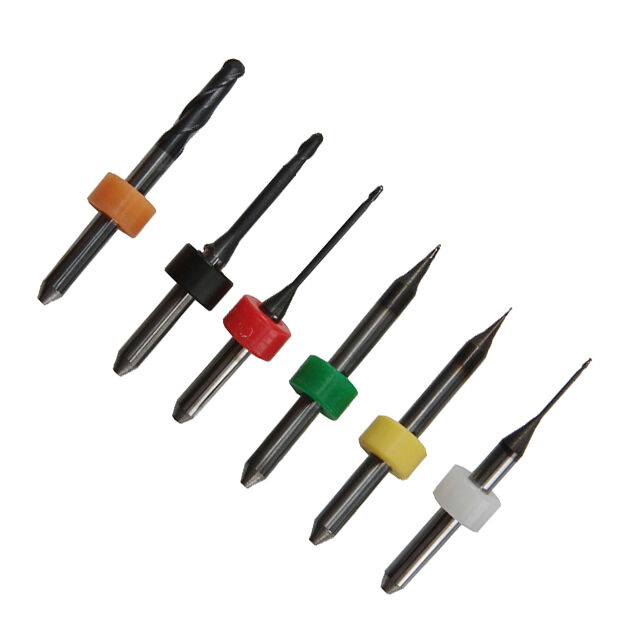
Le choix de l'outil de coupe joue un rôle essentiel dans le traitement réussi des disques en zircone dentaire au sein des systèmes de fraisage de laboratoire. Les fraises revêtues de diamant et les outils de coupe céramiques spécialisés offrent une efficacité de coupe optimale tout en minimisant l'usure des outils et les défauts de surface. Des programmes d'entretien appropriés des outils garantissent une qualité constante de fraisage et évitent les retards de traitement susceptibles d'affecter la productivité du laboratoire.
L’approche de fraisage à sec, généralement utilisée avec les disques de zircone dentaire, exige des systèmes rigoureux de gestion des poussières afin de respecter les normes de sécurité en laboratoire. Les centres de fraisage avancés intègrent des systèmes d’aspiration et des équipements de filtration afin de protéger le personnel et les équipements du laboratoire contre l’exposition aux poussières céramiques. Ces considérations en matière de sécurité constituent des éléments essentiels d’un fonctionnement responsable du laboratoire.
Protocoles de frittage et contrôle qualité
Le traitement réussi des disques de zircone dentaire nécessite des protocoles de frittage précis tenant compte des caractéristiques thermiques spécifiques des différentes formulations de disques. Les fours de laboratoire doivent maintenir des profils de température et des vitesses de chauffage précis afin d’obtenir des propriétés matérielles optimales dans les restaurations finies. Tout écart par rapport aux paramètres de frittage recommandés peut entraîner une réduction de la résistance ou des imprécisions dimensionnelles.
Les procédures de contrôle qualité appliquées au traitement des disques de zircone dentaire comprennent l’étalonnage régulier des équipements de frittage et la vérification de l’uniformité de la température dans toute la chambre du four. Les protocoles de laboratoire doivent inclure la documentation des paramètres de frittage pour chaque lot afin d’assurer la traçabilité et la reproductibilité des résultats. Ces mesures de qualité protègent à la fois la réputation du laboratoire et la sécurité des patients.
La phase de refroidissement suivant le frittage constitue un aspect critique du traitement des disques de zircone dentaire, nécessitant un contrôle rigoureux afin d’éviter les défauts liés aux contraintes. Des vitesses de refroidissement maîtrisées permettent de préserver la structure cristalline du matériau et d’empêcher la formation de contraintes internes pouvant entraîner des défaillances différées. Les techniciens de laboratoire doivent maîtriser ces exigences liées au traitement thermique afin d’optimiser la longévité des restaurations.
Applications cliniques et critères de sélection des cas
Considérations relatives aux restaurations antérieures
Lorsque des disques en zircone dentaire sont utilisés pour des restaurations antérieures, les laboratoires doivent soigneusement prendre en compte les exigences esthétiques et les besoins fonctionnels spécifiques aux dents antérieures. Le choix de la translucidité appropriée du disque ainsi que de ses caractéristiques chromatiques devient essentiel pour obtenir des résultats naturels qui s’intègrent parfaitement à la dentition existante du patient. Les formulations hautement translucides des disques en zircone dentaire offrent les propriétés de transmission de la lumière nécessaires aux applications antérieures.
Les protocoles de laboratoire pour les restaurations antérieures réalisées à l’aide de disques en zircone dentaire intègrent souvent des techniques supplémentaires de caractérisation de surface afin d’améliorer l’apparence naturelle. Les procédures de coloration et de glaçage permettent d’ajouter des variations chromatiques et des détails texturaux en surface, contribuant ainsi à un aspect dentaire réaliste. Ces techniques de finition exigent une formation spécialisée et une expérience pratique pour garantir des résultats esthétiques prévisibles.
Les considérations liées à la conception anatomique des restaurations antérieures fabriquées à partir de disques de zircone dentaire comprennent des profils d’émergence appropriés et des relations de contact qui soutiennent des tissus gingivaux sains. Les techniciens dentaires doivent maîtriser les principes biologiques de l’émergence dentaire et de l’architecture gingivale afin de réaliser des restaurations favorisant une santé parodontale à long terme, tout en répondant aux attentes esthétiques.
Avantages des applications postérieures
Les applications postérieures constituent le scénario clinique idéal pour tirer pleinement parti des avantages mécaniques offerts par les disques de zircone dentaire lors de leur fabrication en laboratoire. Les forces occlusales élevées rencontrées dans la région postérieure exigent des matériaux capables de résister à des charges intenses sans se fracturer ni s’user excessivement. Les propriétés mécaniques des disques de zircone dentaire les rendent particulièrement adaptés à ces applications exigeantes.
Les flux de travail en laboratoire pour les restaurations postérieures peuvent tirer parti des caractéristiques de résistance du matériau afin de créer des sections occlusales plus fines, préservant ainsi davantage de structure dentaire naturelle. Cette approche conservatrice profite aux patients en maintenant la solidité des dents pilier tout en offrant des prothèses durables. L’épaisseur réduite du matériau simplifie également le processus de frittage et améliore la stabilité dimensionnelle.
Les caractéristiques d’usure des disques de zircone dentaire dans les applications postérieures démontrent une excellente compatibilité avec l’émail dentaire naturel et d’autres matériaux dentaires. Les essais en laboratoire montrent que les surfaces de zircone correctement finies présentent des motifs d’usure similaires à ceux des dents naturelles, évitant ainsi une usure excessive de la dentition antagoniste. Ce comportement d’usure biocompatible contribue au maintien à long terme de la santé bucco-dentaire.
FAQ
Quels types de restaurations dentaires peuvent être fabriqués à partir de disques de zircone dentaire en laboratoire ?
Les disques en zircone dentaire sont utilisés en laboratoire pour fabriquer des couronnes, des bridges, des inlays, des onlays et des piliers d’implants. La polyvalence de ce matériau permet à la fois des restaurations unitaires et des prothèses complexes multi-unitaires, allant de simples couronnes postérieures à des reconstructions complètes de bridge sur arcade.
Comment les laboratoires garantissent-ils un ajustement correct lors de l’utilisation de disques en zircone dentaire pour les restaurations ?
Les techniciens de laboratoire obtiennent un ajustement correct en tenant compte du retrait de frittage dès la phase de conception CAO et en suivant scrupuleusement les protocoles d’usinage et de frittage. Les flux de travail numériques, associés à des données d’empreinte précises et à des algorithmes de compensation, contribuent à assurer que les restaurations finies répondent aux exigences cliniques d’ajustement, sans nécessiter de réglages importants.
Quels sont les principaux avantages de l’utilisation des disques en zircone dentaire par rapport aux autres matériaux céramiques ?
Les disques en zircone dentaire offrent une résistance supérieure à la rupture par rapport aux céramiques traditionnelles, ce qui permet des préparations plus conservatrices et des restaurations plus durables. Ce matériau assure également une excellente biocompatibilité, des options d’apparence naturelle ainsi qu’une résistance à l’usure et aux taches, ce qui le rend idéal pour diverses applications cliniques.
Combien de temps durent généralement les restaurations fabriquées à partir de disques en zircone dentaire en pratique clinique ?
Des études cliniques indiquent que les restaurations fabriquées à partir de disques en zircone dentaire peuvent assurer un service réussi pendant 15 à 20 ans, voire davantage, lorsqu’elles sont correctement conçues, fabriquées et entretenues. La longévité dépend de facteurs tels que l’état de santé bucco-dentaire du patient, les forces occlusales et le respect des protocoles de traitement en laboratoire recommandés.
Table des matières
- Applications principales des disques en zircone dentaire en milieu de laboratoire
- Spécifications techniques et propriétés des matériaux
- Intégration du flux de travail en laboratoire et considérations liées au traitement
- Applications cliniques et critères de sélection des cas
-
FAQ
- Quels types de restaurations dentaires peuvent être fabriqués à partir de disques de zircone dentaire en laboratoire ?
- Comment les laboratoires garantissent-ils un ajustement correct lors de l’utilisation de disques en zircone dentaire pour les restaurations ?
- Quels sont les principaux avantages de l’utilisation des disques en zircone dentaire par rapport aux autres matériaux céramiques ?
- Combien de temps durent généralement les restaurations fabriquées à partir de disques en zircone dentaire en pratique clinique ?