Mail Us: [email protected]
Call For Us: +86-13332420380
Traditional dental restoration involves cumbersome workflows, including impression taking, laboratory fabrication, and a second appointment for restoration delivery. Patients often need to wait days or even weeks for final restoration, while wearing poorly-fitting temporary crowns during the waiting period. For clinicians, lengthy procedures occupy substantial chair-side time and limit patient throughput. For dental laboratories, labor-intensive, time-consuming and equipment-dependent full workflows continuously drive up operational costs.
High-temperature sintering represents the core efficiency bottleneck in conventional workflows. Mainstream restorative materials such as glass-ceramics and zirconia must undergo high-temperature crystallization and sintering after milling to achieve mechanical strength for clinical service. This procedure is extremely time-consuming; heating, holding and cooling take tens of minutes to several hours. It occupies key laboratory equipment and workspace, and sintering furnaces running at high temperature generate considerable electricity costs, resulting in persistently high long-term operating expenses.
Moreover, sintering carries significant rework risks. The process demands strict temperature precision. Any deviation may trigger cracking, deformation or chipping of restorations and render finished products defective. Chipping is among the most frequent causes of rework, leading to material waste, delayed lead-times, and negative impacts on institutional revenue and reputation.
The advent of glass ceramic without sintering precisely addresses the above-mentioned drawbacks of conventional restoration. This novel restorative material requires no high-temperature crystallization-sintering; restorations can be applied clinically right after milling. It greatly streamlines complicated manufacturing workflows and delivers tangible efficiency improvement across dental restorative practice.
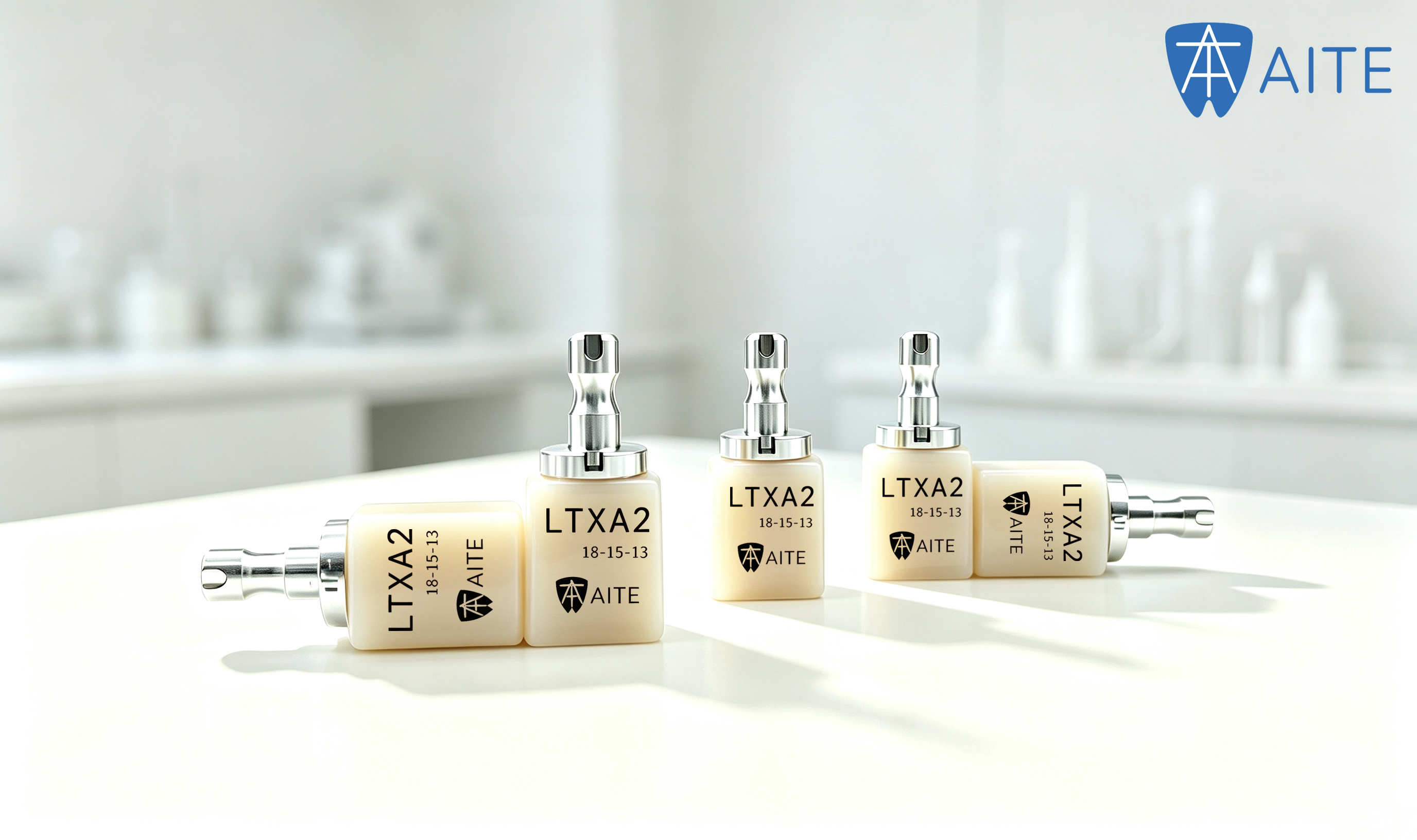
To understand glass ceramic without sintering, it is essential to recognize its fundamental differences from conventional materials.
The core distinction lies in crystal formation and strength-building mechanisms. Conventional heat-press ceramics and millable lithium-disilicate glass-ceramics available on the market are only partially crystallized upon factory delivery. Their texture suits milling operations; nevertheless, post-milling high-temperature sintering is mandatory to complete internal crystal growth and satisfy clinical strength requirements.
Glass Ceramic Without Sintering adopts industrial pre-strengthening technology. During manufacturing at the factory, precise temperature control enables full crystal development and interlocking solidification of lithium-disilicate and lithium-aluminosilicate phases. The as-received blocs already possess the full set of mechanical properties required for clinical applications. No heat treatment is needed after milling; subsequent steps such as polishing and glazing can be performed directly, substantially shortening the overall production chain.
Within digital dental material portfolios, glass ceramic without sintering constitutes a brand-new category distinct from conventional mill-and-sinter ceramics and heat-press ceramics. It inherits the aesthetic merits of glass-ceramics: high translucency, lifelike shade reproduction and favorable fluorescence performance. Meanwhile, it transforms the two-step workflow of “milling + high-temperature sintering” for traditional materials into a single-step “mill-and-use” process, achieving iterative upgrading of dental restorative techniques.
The crystallization-free process completely eliminates the entire high-temperature sintering sequence and its prolonged time cost. Upon milling and contouring, restorations skip sintering and move straight into finishing and aesthetic modification, minimizing production lead-time.
Technical innovation facilitates popularization of chair-side same-day restoration, breaking the limitations of multiple visits and long turnaround cycles in conventional treatment. Leveraging optimized CAD/CAM digital diagnosis-and-treatment workflows, restorations that previously took weeks can be completed within a single clinical visit. It caters to modern demands for efficient medical care and greatly improves patient experience.
This material cuts costs for clinics and dental laboratories on multiple fronts. On equipment: institutions are relieved of purchasing, calibrating and maintaining costly high-temperature sintering furnaces, lowering entry barriers for small-and-medium-sized providers to deliver digital restorations. On energy consumption: elimination of power-hungry high-temperature sintering yields substantial long-term electricity savings.
Regarding frequently overlooked hidden costs: Glass Ceramic Without Sintering features moderate machining hardness, imposes minimal abrasion on milling burs and cutters, extends consumable service life and lowers replacement expenses. Since sintering is no longer required, common sinter-related defects including deformation, cracking, discoloration and chipping are fundamentally avoided. Rework losses and material waste are minimized, substantially bringing down clinical and laboratory trial-and-error costs.
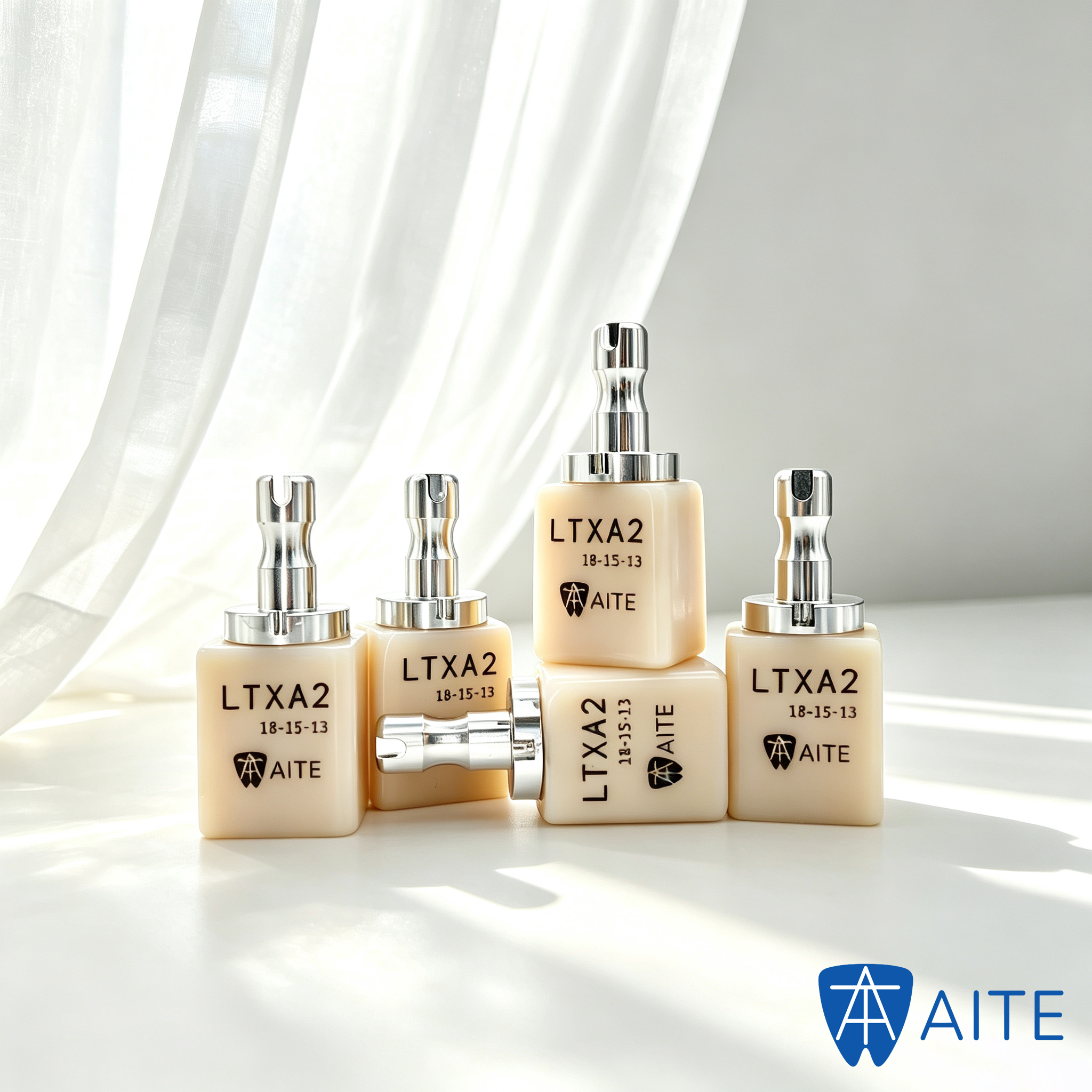
Mechanical compatibility between restorative material and natural teeth directly determines service life and clinical safety. Human dentin has an elastic modulus of 18.6 GPa and enamel 84 GPa. Conventional zirconia exhibits an elastic modulus up to 210 GPa with excessive rigidity. During mastication, occlusal force transfers rigidly toward root structures and cementation interfaces, raising risks of root fracture and cement layer delamination.
Glass Ceramic Without Sintering possesses an elastic modulus highly consistent with the mechanical behavior of natural dental tissues. Under masticatory loading, subtle elastic deformation occurs to disperse and buffer occlusal stress, preventing stress concentration on roots and remaining tooth substance. Maximum protection of native tooth tissues delivers safer and longer-lasting restoration performance.
Glass Ceramic Without Sintering is an inorganic non-metallic material free of resin components. It avoids typical resin-related failures such as aging, degradation, water-sorption-induced discoloration and deformation. It maintains chemical stability in complex oral environments, is non-toxic and non-irritating, and demonstrates proven outstanding biocompatibility from long-term clinical practice.
Aesthetically, its translucency, layering effect and fluorescence closely mimic natural enamel and reproduce authentic lifelike tooth texture. It achieves natural, durable and stable aesthetic results for demanding clinical scenarios ranging from sophisticated single-unit anterior restorations to full-arch smile rehabilitation, meeting patients’ core aesthetic expectations.
4. Standardized Operating Protocols to Guarantee Long-Term Restoration Quality
Although glass ceramic without sintering greatly simplifies restorative workflows, standardized manipulation remains critical to securing restoration strength, precision and service life. Three core operational principles shall be strictly followed in clinical and laboratory practice.
Intense frictional heat is generated during material milling. Dry-milling may induce sharp local temperature rise and produce invisible microcracks inside the material. Such micro-defects degrade structural strength and significantly increase late-stage risks of chipping and fracture. Therefore, wet-milling equipment with sufficient coolant must be used throughout machining for thermal stabilization and to prevent high-temperature damage to internal material microstructure.
Crystal-structure strengthening has been completed during factory production for glass ceramic without sintering. The glazing step merely optimizes surface gloss rather than providing structural reinforcement. Dedicated low-temperature glaze material must be adopted. Glazing temperature shall be controlled per manufacturer specifications and kept below the critical threshold for crystal degradation, to prevent high-temperature impairment of internally solidified crystal framework and consequent strength reduction.
For silica-containing glass-ceramics, the gold-standard clinical retention protocol combines hydrofluoric-acid etching followed by silane-coupling-agent application. Hydrofluoric acid selectively etches the glassy phase to create a honeycomb-shaped rough interface for enhanced micromechanical interlocking. The silane coupling agent builds stable chemical linkage between ceramic substrate and resin cement. Dual mechanisms guarantee bonding strength and retention stability, constituting the cornerstone for long-term survival of restorations.
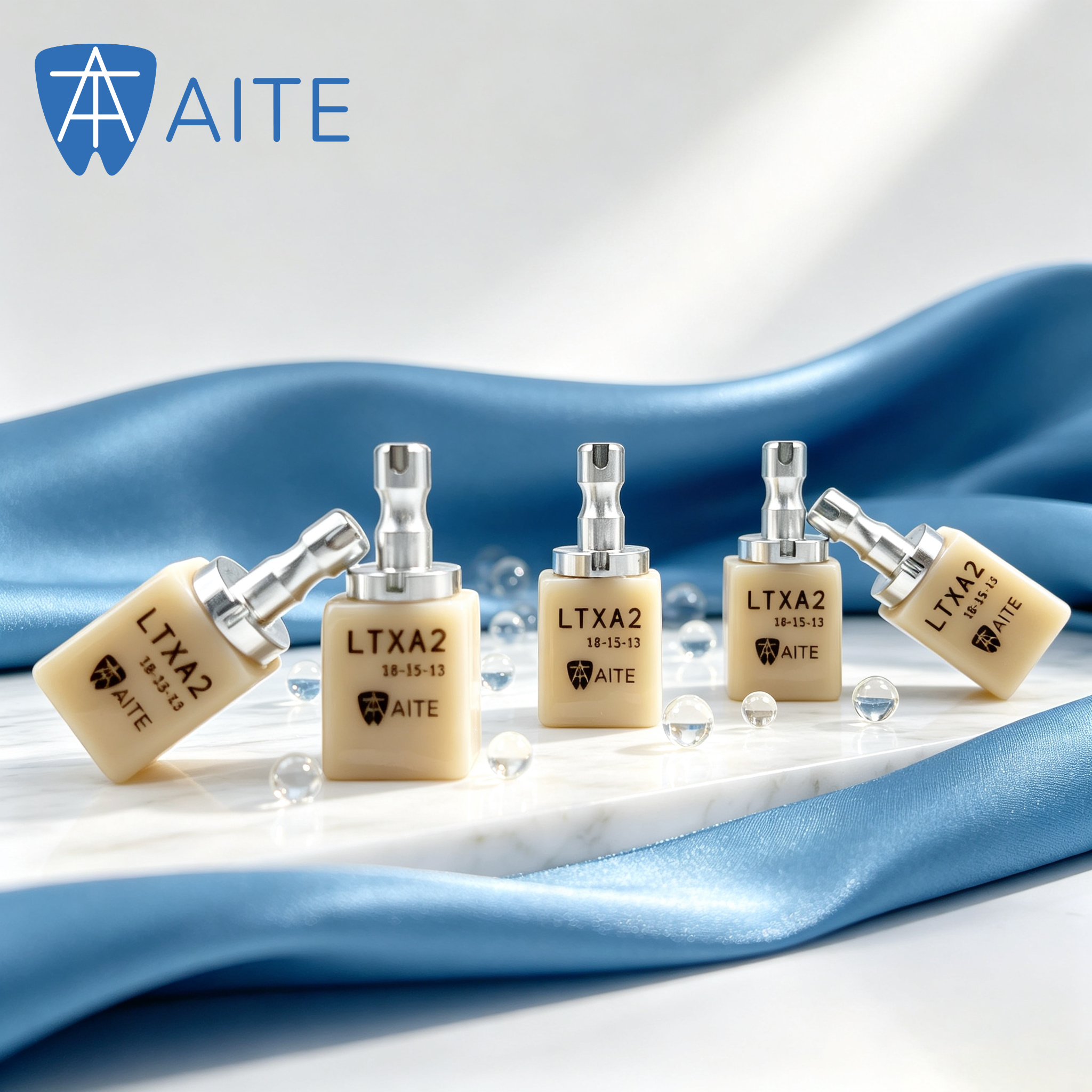
The dental restoration industry is comprehensively advancing toward digitalization. The technical implementation of glass ceramic without sintering resolves the long-standing industry dilemma that “efficiency and quality cannot be balanced”. For patients, fewer visits and shortened waiting periods bring comfortable clinical experience together with safe, stable and natural restorative outcomes.
For clinicians, streamlined workflows optimize chair-side scheduling with predictable treatment timelines, significantly improving clinical efficiency and patient satisfaction. For dental laboratories, cost reductions across equipment, energy, consumables and rework optimize production workflows and lift overall profit margins.
Driven by revolutionary process innovation and balanced superior comprehensive performance, glass ceramic without sintering establishes a brand-new digital same-day restoration system and continuously promotes iterative upgrading of industry standards for immediate tooth restoration. Addressing the historical pain points of prolonged waiting, frequent rework and high energy consumption outlined at the beginning of this article, glass ceramic without sintering offers a clear and decisive solution: sintering steps are omitted, yet strength performance is never compromised; operational workflows are simplified, yet pursuit of aesthetic excellence persists. As restoration turnaround shifts from days to hours, and material mechanical behaviors resonate with natural tooth physiology, dental restoration truly enters a new patient-experience-centered era.



Liaoning Aite Technology Co., Ltd. develops & produces high-quality, safe dental ceramics — ST, ST-C, 3D-ML, AMBER, Glass Ceramics B40/C14 — for global oral healthcare.
No. 1, 1st-5th Floor, Building 5-15, Xianyu Road, Benxi Economic and Technological Development Zone, Liaoning Province
Copyright © 2026 Liaoning Aite Technology Co., Ltd. All rights reserved. Privacy Policy
 EN
EN
