Mail Us: [email protected]
Call For Us: +86-13332420380
The widespread adoption of digital chairside restoration has ushered in a new era of efficient, precise, and personalized dental care. With advanced intraoral scanners, intelligent design software, and high-precision milling systems, the preliminary fabrication of dental restorations has become highly digitized and standardized, enabling rapid and refined processing of restoration blanks. However, in day-to-day clinical operations, many dental practices encounter a common bottleneck: the smooth, high-speed digital workflow often stalls at the final sintering stage.
In the age of same-day chairside restoration, efficiency and aesthetics have frequently appeared irreconcilable. Speed often means compromising color; beauty typically demands long, tedious waits. Now, this is about to change completely.
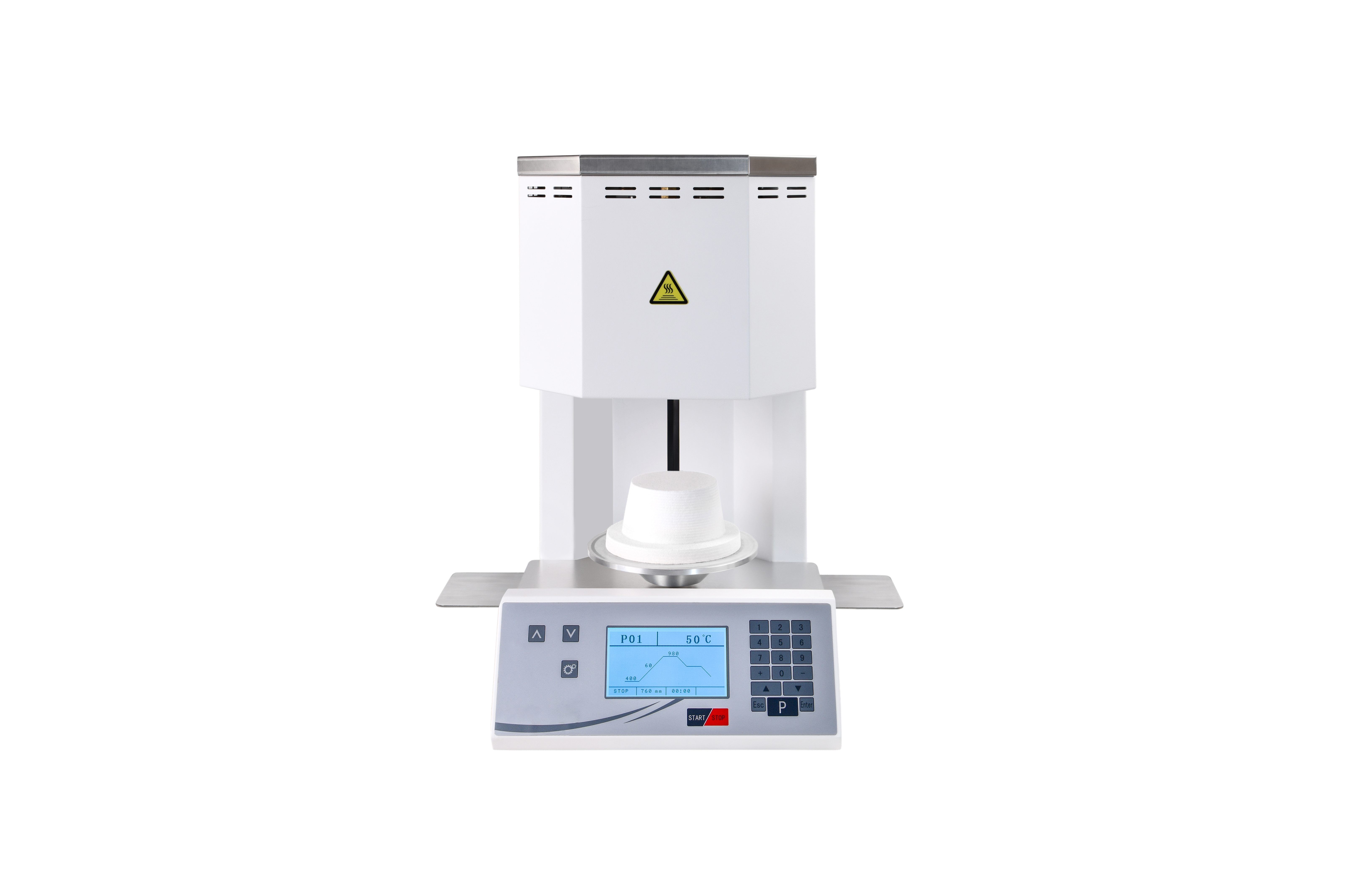
Our flagship porcelain furnace, equipped with an industry-exclusive two-stage sintering program for Blue Ceramic blocks, is purpose-built to break the trade-off between efficiency and aesthetics. It is no longer just a conventional heating and sintering device; rather, it is a professional-grade instrument fully integrated into modern digital dentistry—balancing clinical throughput with restorative quality. It helps dental clinics and laboratories complete the digital loop, consistently deliver high-quality aesthetic outcomes, and continuously enhance patient satisfaction.
Today, most dental practices have already upgraded their front-end digital equipment, striving to build core service differentiators around immediate restoration and aesthetic dentistry. Yet technological shortcomings in the sintering phase often undermine the investments and process optimizations made upstream. Using generic sintering programs or outdated furnaces forces a difficult choice: rush the sintering to keep pace with clinical schedules, resulting in insufficient translucency, color distortion, and failure to meet the stringent standards of anterior aesthetic restorations—leading to re-makes; or extend sintering cycles to pursue superior aesthetic quality, which disrupts the rapid chairside service rhythm, increases patient waiting time, and weakens the practice’s competitive edge.
For a long time, the industry has been trapped by the inherent limitation of “speed at the expense of quality, or quality at the expense of efficiency.” The core design philosophy of this flagship porcelain furnace is precisely to break this dilemma. Abandoning one-sided approaches that chase either sheer speed or extreme aesthetics, the device leverages a mature technical architecture, refined algorithmic control, and robust hardware to achieve a balanced synergy of efficiency, aesthetics, and consistency. It empowers clinic owners, restorative dentists, and dental technicians to effortlessly handle diverse clinical scenarios without compromise.
 Three Core Technological Highlights
The key advantages of chairside digital restoration lie in streamlined workflows, improved patient experiences, and increased practice throughput. Traditional porcelain furnaces have limited adaptability; they lack customized sintering logic for new mainstream restorative materials like Blue Ceramic blocks, and generic programs fail to match the crystallization characteristics of these materials. In daily practice, technicians often have to rely on personal experience to repeatedly adjust parameters and explore sintering curves—a cumbersome, time-consuming process prone to parameter deviations that cause sintering failures and disrupt clinical schedules.
Specifically tailored to the unique properties of Blue Ceramic materials, our furnace incorporates a customized two-stage sintering program that redefines the sintering logic for these next-generation materials, fully accommodating the crystallization and curing requirements of Blue Ceramic blocks. Through extensive clinical debugging and process optimization, the exclusive program precisely aligns with the material’ s sintering rhythm, eliminating the uncertainties of manual adjustments and simplifying the entire sintering workflow.
With this mature proprietary algorithm, the furnace perfectly integrates into chairside rapid‑restoration workflows, seamlessly connecting scanning, design, and milling steps. It meets the immediate-restoration service needs of modern dental practices, helps optimize clinical processes, enhances patient throughput, fully unlocks the productivity potential of digital equipment, and builds a differentiated chairside restoration service system.
In high-end aesthetic restoration, the shade, translucency, and layering of the final restoration are the ultimate criteria determining success. Often, a restoration may achieve clinically acceptable marginal fit and structural strength, yet due to inadequate sintering control, it appears dull, lacks translucency, or shows noticeable batch-to-batch color variation—ultimately compromising the overall aesthetic outcome and necessitating re-fabrication. This not only wastes materials and consumes chairside and lab time, but also negatively impacts patient experience and practice reputation. In most cases, these aesthetic flaws are not inherent material defects but result from imbalanced drying rates, cooling profiles, or chamber conditions during sintering.
To fundamentally resolve industry pain points such as sintering color deviation and poor texture, the equipment replicates the natural tooth texture through refined processing techniques. It features a two-stage drying program that prevents surface color unevenness and internal structural instability caused by rapid drying, laying a solid foundation for subsequent uniform sintering. Paired with an exclusive tempering cooling technology, it abandons the rapid heating-and-cooling mode of traditional equipment. By gradually releasing internal stress within the restoration, it effectively avoids later chipping and cracking risks, while also precisely preserving the material's natural color and maintaining the authentic color layering and translucent texture of the ceramic material.
In addition, the equipment is equipped with a dual-valve control system, which ensures more perfect color results, reduces operational loads on the unit, and stabilizes the furnace environment for every sintering cycle. This effectively prevents shade variations across different batches of restorations, guaranteeing consistent color and uniform texture in finished products. At the same time, the dual-valve control system minimizes wear on core components, significantly extending the service life of the equipment.
This comprehensive aesthetic control system eliminates excessive dependence on manual experience, consistently reproducing the gradient layering and natural luster of natural teeth. It dramatically reduces the remake rate for aesthetic restorations and is ideally suited for demanding cases such as anterior veneers and all-ceramic crowns, ensuring every restoration delivers a natural, refined appearance that matches the patient’s original dentition.
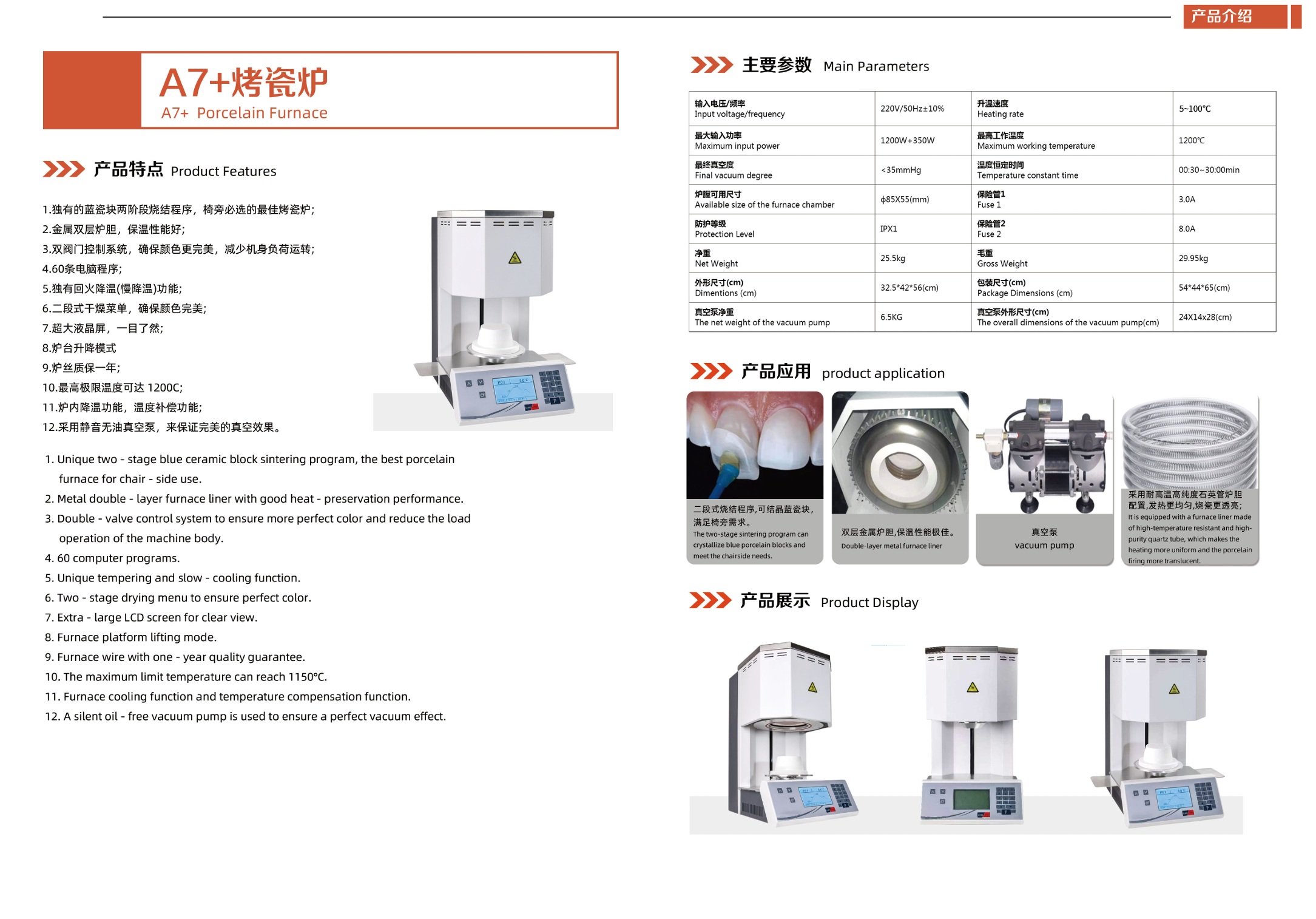
A stable hardware foundation is the basis for standardized, high-quality sintering outcomes. Two common shortcomings of traditional porcelain furnaces are uneven temperature distribution within the chamber and insufficient purity of the vacuum environment. Excessive temperature gradients can cause localized over-sintering or under-sintering, leading to ceramic cracking or compromised structural strength. An unstable vacuum system with oil contamination can introduce porosity within the restoration, disrupting density and directly causing product failure. These issues are both random and recurrent, persisting even with identical materials and procedures, and severely undermining clinical consistency.
This porcelain furance features a metal double-layer furnace liner combined with a high-temperature-resistant, high-purity quartz tube liner configuration, delivering more uniform heating and brighter, more translucent porcelain firing. The overall thermal insulation performance is excellent, effectively balancing the temperature inside the chamber, minimizing regional temperature differences, and achieving a highly uniform temperature field across the entire heating zone. This ensures that every restoration inside the chamber receives consistent and stable sintering conditions, fundamentally eliminating sintering defects caused by temperature variations. The double-layer metal liner also effectively prevents heat leakage, resulting in lower energy consumption and more efficient operation, without causing abnormal temperature rises in the clinical environment, making it suitable for a variety of dental practice settings.
The vacuum system is equipped with a silent oil-free vacuum pump, creating a pure and highly stable vacuum environment inside the furnace, completely eliminating bubble issues caused by residual air and ensuring a dense structure and uniform texture in the restorations. The equipment operates at an extremely low noise level, and its quiet performance does not disrupt clinical workflow or the working environment, making it adaptable to various scenarios such as open-plan clinics and independent technician rooms.
The synergy between stable temperature control and a pristine vacuum environment significantly reduces the incidence of sintering flaws, delivering consistent quality batch after batch, minimizing material waste and unnecessary re-work, and providing a reliable guarantee for routine high-quality restorative output.
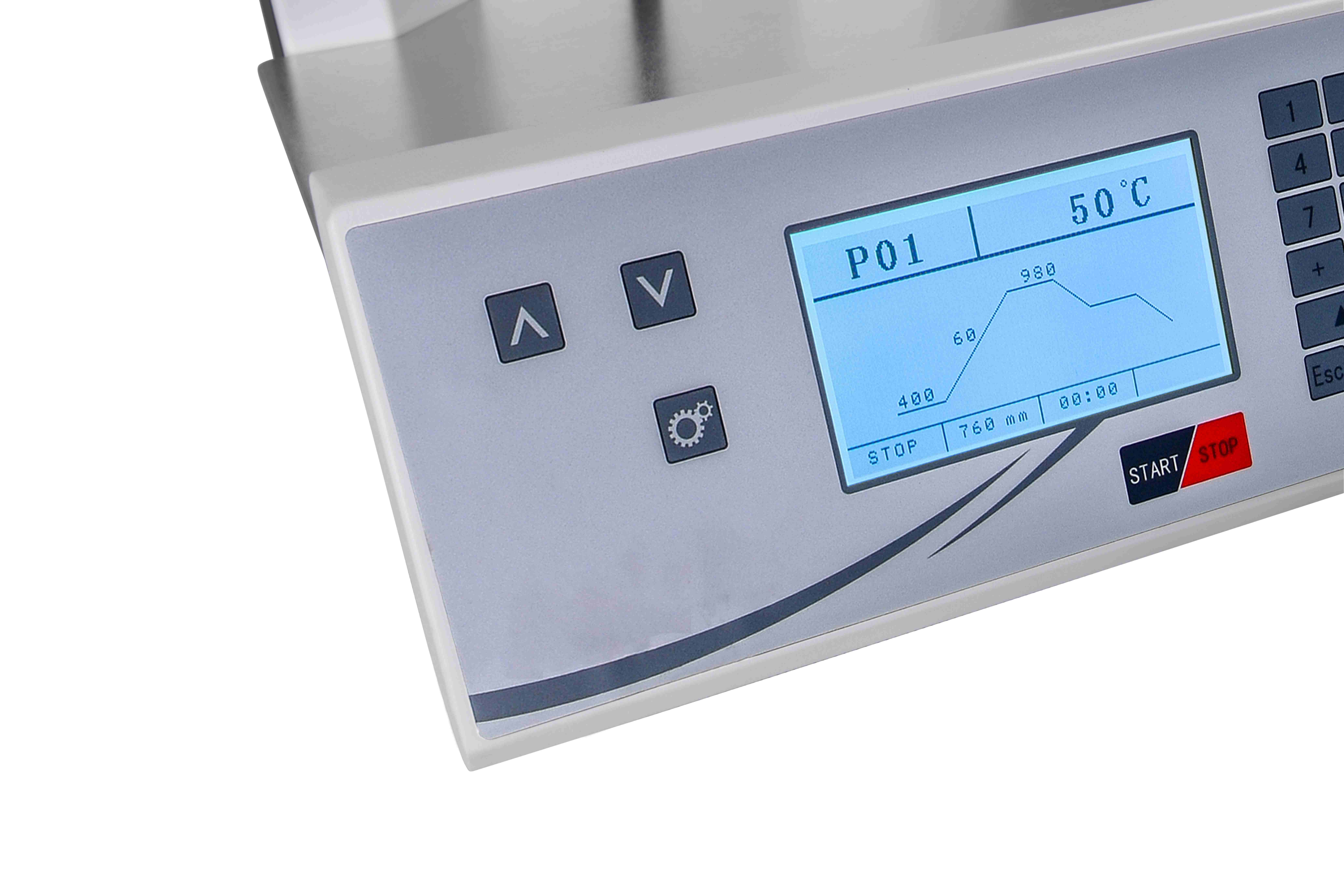
In the demanding field of aesthetic restorative dentistry, a practice’s core competitiveness hinges not only on front-end diagnostic technologies and equipment, but also on the meticulous control of every process step and the quality presentation of each individual restoration. A superior porcelain furnace is far more than a simple heating device—it is a trustworthy partner that empowers your practice to achieve higher quality standards and service excellence.
With its efficient chairside-compatible workflows, aesthetic prowess that replicates natural teeth, robust hardware reliability, and intuitive smart operation, this flagship furnace perfectly balances clinical efficiency and restorative quality. It enables your practice to fully complete the digital restoration chain, eliminating the quality bottlenecks and efficiency constraints of the sintering phase, and allowing you to offer more professional, consistent restorative services that earn patient trust and a decisive competitive advantage in the market.



Liaoning Aite Technology Co., Ltd. develops & produces high-quality, safe dental ceramics — ST, ST-C, 3D-ML, AMBER, Glass Ceramics B40/C14 — for global oral healthcare.
No. 1, 1st-5th Floor, Building 5-15, Xianyu Road, Benxi Economic and Technological Development Zone, Liaoning Province
Copyright © 2026 Liaoning Aite Technology Co., Ltd. All rights reserved. Privacy Policy
 EN
EN
