
 EN
EN
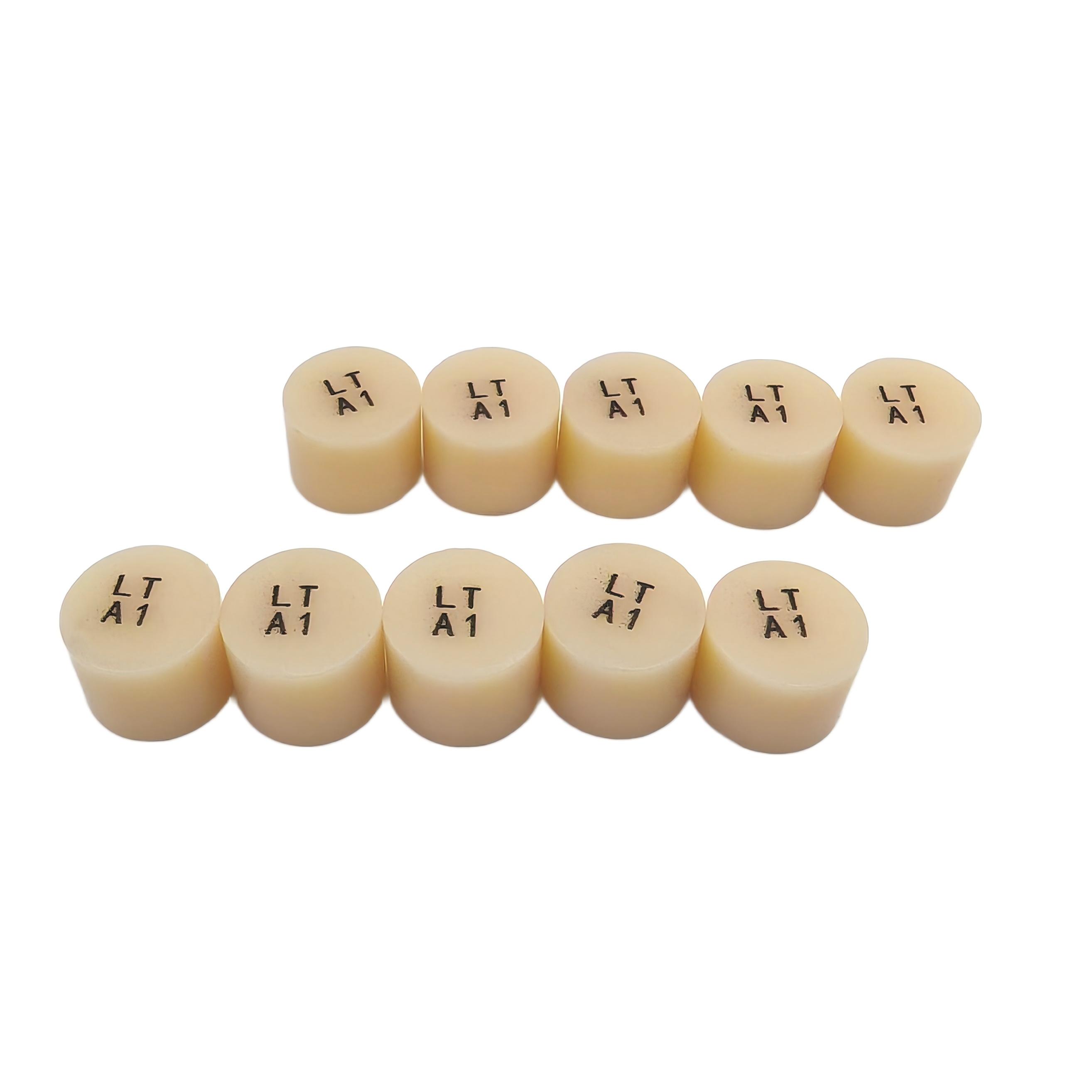
A dental press ingot is a specially formulated metal material designed for use in dental laboratory procedures, particularly in the investment casting and pressing of dental restorations. Understanding the distinction between high and low dental press ingot types is essential for dental technicians and lab managers who want to achieve optimal results in crown and bridge fabrication, inlay production, and other precision dental appliances. The choice between high and low dental press ingot directly impacts material performance, aesthetic outcomes, and overall restoration durability.
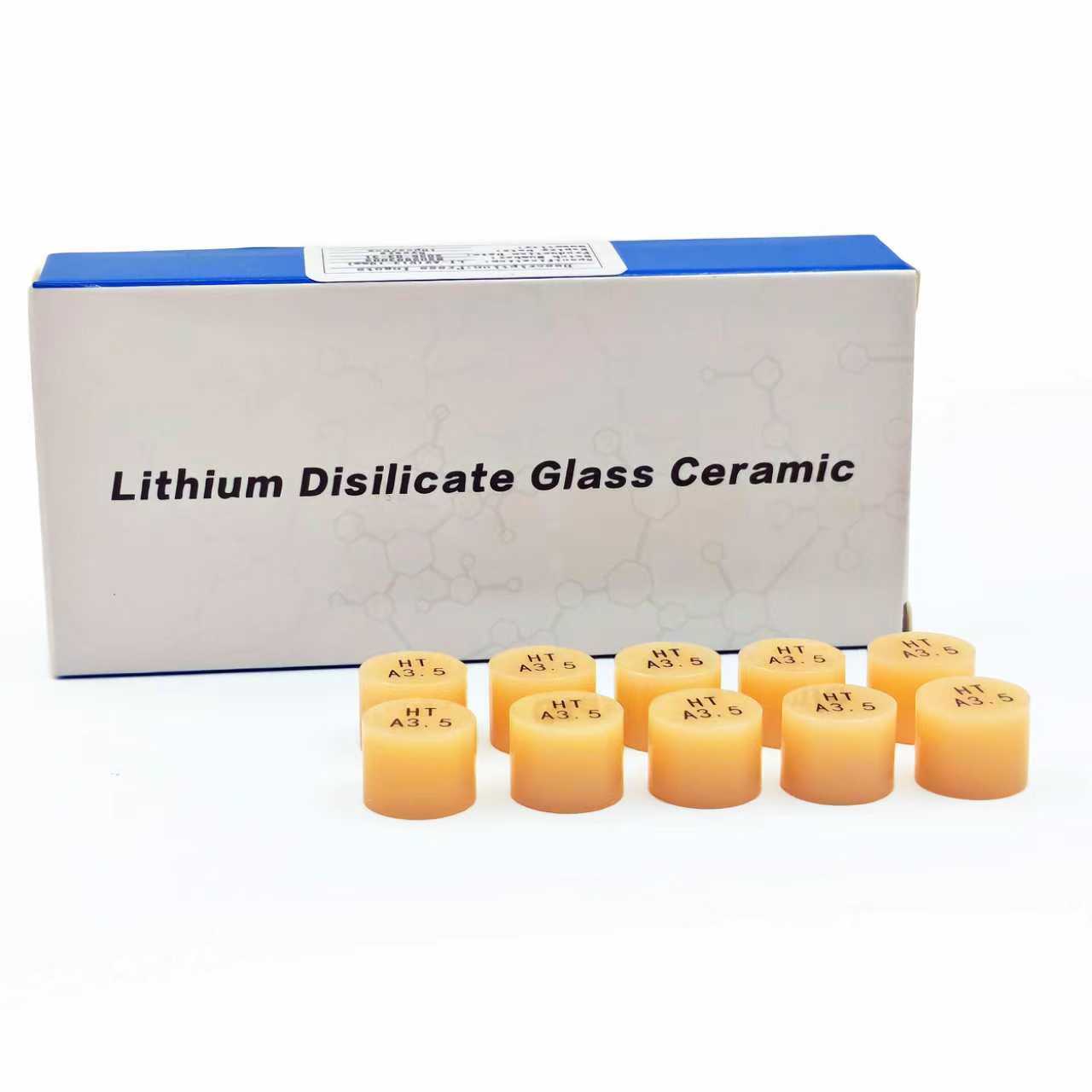
The primary difference between high and low dental press ingot formulations lies in their alloy composition, melting point, and physical properties. High dental press ingot materials typically contain higher percentages of precious metals such as gold, platinum, or palladium, whereas low dental press ingot options are formulated with base metals or lower precious metal content. These compositional variations create distinct advantages and limitations that must be carefully evaluated based on clinical requirements and laboratory workflow demands.
Composition and Alloy Structure
High Dental Press Ingot Alloys
High dental press ingot materials are engineered with significant precious metal content, typically 65% to 90% gold, platinum, or palladium by weight. This elevated precious metal composition provides superior biocompatibility, making high dental press ingot ideal for patients with metal sensitivities or allergies. The noble metal matrix in high dental press ingot resists oxidation and corrosion, ensuring that restorations maintain their dimensional accuracy and surface integrity over decades of clinical service.
The alloy structure of high dental press ingot creates a remarkably stable microstructure with consistent grain boundaries and minimal phase separation. When high dental press ingot is heated during the pressing process, the metal flows uniformly into investment molds without warping or segregation. This predictable behavior makes high dental press ingot particularly valuable for complex geometries and aesthetic-sensitive applications where precision and reliability are non-negotiable.
Low Dental Press Ingot Alloys
Low dental press ingot formulations typically contain 20% to 40% precious metal content, with the remainder composed of base metals such as copper, nickel, palladium, or silver. This base metal integration in low dental press ingot significantly reduces material cost while maintaining acceptable clinical performance for many dental applications. The low dental press ingot composition is specifically designed to balance affordability with functional durability in routine crown and bridge work.
The microstructure of low dental press ingot differs markedly from high-noble formulations because the base metal components create different crystalline phases. Low dental press ingot materials may exhibit slightly higher hardness and different thermal expansion characteristics compared to high-noble alloys. Understanding these structural differences is critical for technicians who work with low dental press ingot to ensure proper mold design and pressing parameters that account for the unique flow characteristics of base metal-rich compositions.
Melting Points and Processing Parameters
Thermal Behavior of High Dental Press Ingot
High dental press ingot materials possess melting points typically ranging from 900°C to 1100°C, depending on the specific precious metal composition and alloy design. The elevated melting point of high dental press ingot requires specialized press equipment capable of achieving and maintaining precise temperature control within narrow tolerances. Laboratories using high dental press ingot must invest in quality pneumatic or hydraulic pressing systems with integrated heating mechanisms to ensure consistent results across multiple cycles.
The thermal stability of high dental press ingot means that once the ingot reaches its optimal working temperature, it maintains flowability for an extended window, allowing technicians adequate time for proper mold filling. This extended working time with high dental press ingot reduces production pressure and minimizes defect rates such as incomplete filling or premature solidification. The predictable cooling behavior of high dental press ingot also allows for controlled stress relief, which strengthens the final restoration.
Thermal Behavior of Low Dental Press Ingot
Low dental press ingot materials generally have melting points in the range of 700°C to 900°C, making them compatible with more basic laboratory equipment. The lower processing temperature requirement for low dental press ingot reduces equipment complexity and energy consumption, making it an economical choice for high-volume dental labs. Many labs find that low dental press ingot can be processed using entry-level pressing systems, which significantly lowers capital investment barriers.
However, the lower thermal range of low dental press ingot requires more precise timing and operator attention to prevent overheating or incomplete flow. Low dental press ingot materials may have a narrower processing window compared to high-noble formulations, meaning that technicians must carefully monitor temperature and pressure to achieve optimal mold filling. The base metal content in low dental press ingot can also influence cooling rates, potentially affecting the final microstructure and mechanical properties of the pressed restoration.
Clinical Performance and Longevity
Advantages of High Dental Press Ingot
Restorations produced from high dental press ingot demonstrate exceptional longevity, often remaining functionally intact for 15 to 25 years or longer in clinical service. The biocompatible nature of high dental press ingot eliminates concerns about allergic reactions or galvanic responses in the oral environment. Additionally, the corrosion resistance of high dental press ingot ensures that restorations maintain their marginal adaptation and do not develop gaps that trap bacteria and food debris.
High dental press ingot restorations exhibit superior wear resistance compared to base metal alternatives, meaning that occlusal surfaces maintain their anatomical form under normal mastication loads. The aesthetic stability of high dental press ingot is particularly important for visible areas because the material does not tarnish or discolor, maintaining a natural metallic appearance that blends seamlessly with other tooth-colored restorations. For patients with compromised immune systems or significant health concerns, high dental press ingot is the preferred choice due to its confirmed biocompatibility.
Practical Benefits of Low Dental Press Ingot
Low dental press ingot restorations provide reliable clinical performance for 8 to 15 years, which adequately meets the treatment goals for many patients, particularly those prioritizing cost-effectiveness. Low dental press ingot offers excellent value in routine crown and bridge cases where esthetic demands are minimal and functional durability is the primary concern. The lower material cost of low dental press ingot allows dental labs to offer competitively priced restorations while maintaining reasonable profit margins.
For patients who plan replacement or revision treatment within a defined timeframe, low dental press ingot represents a pragmatic solution that delivers acceptable function without requiring premium material investment. Low dental press ingot is also suitable for posterior restorations in patients with healthy periodontal tissues and good oral hygiene, where the risk of biofilm-related complications is minimized. Many practices find that offering both high and low dental press ingot options allows them to serve diverse patient populations with varying clinical needs and budgetary considerations.
FAQ
What is the primary difference between high and low dental press ingot materials?
The main difference is precious metal content. High dental press ingot contains 65-90% precious metals like gold or platinum, while low dental press ingot contains 20-40% precious metals mixed with base metals. This compositional difference affects biocompatibility, corrosion resistance, longevity, and cost. High dental press ingot offers superior clinical outcomes but at significantly higher material expense, whereas low dental press ingot provides adequate function at reduced cost for routine applications.
Which dental press ingot type should I use for visible anterior teeth?
High dental press ingot is the recommended choice for visible anterior restorations because it provides superior esthetic stability, corrosion resistance, and biocompatibility. High dental press ingot materials maintain their metallic appearance over time without tarnishing, ensuring that the restoration remains aesthetically pleasing throughout its lifespan. If esthetic concerns are paramount and the patient accepts the higher cost, dental press ingot with high precious metal content is the optimal selection.
Can I use low dental press ingot for posterior molars with heavy occlusal forces?
Low dental press ingot can be used for posterior molars if the patient has good oral hygiene, normal occlusal forces, and realistic expectations regarding longevity. However, high dental press ingot is preferable for patients with significant parafunctional habits or heavy bite forces because it provides greater wear resistance and dimensional stability. Clinical assessment of patient factors should guide the choice between high and low dental press ingot to ensure optimal long-term outcomes.