
 EN
EN
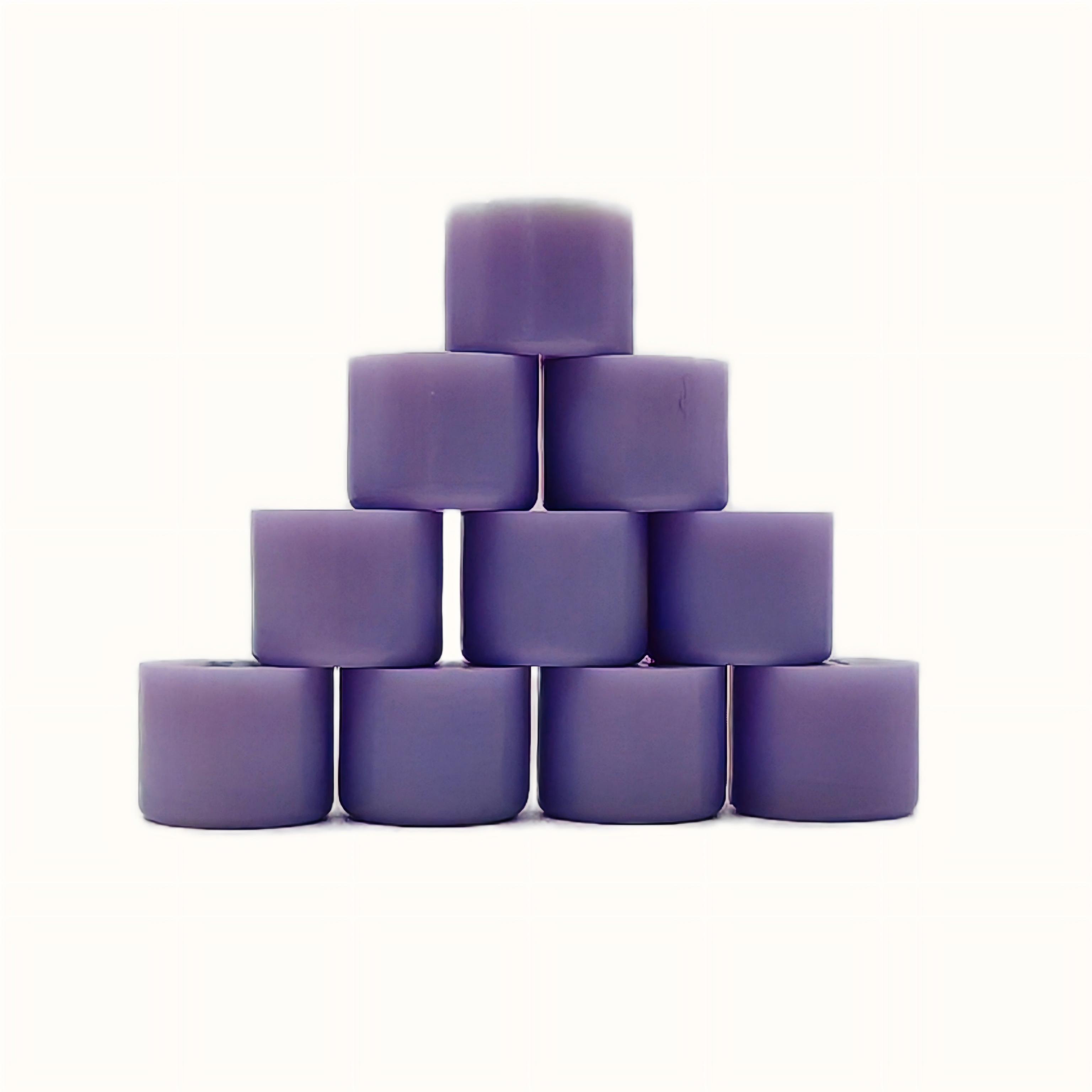
Dental veneers demand materials that combine exceptional esthetics with reliable durability and precise fit. The dental press ingot has become a preferred choice among cosmetic dentists worldwide because it delivers superior results across all these critical dimensions. Understanding why dental press ingot performs so well for veneer fabrication helps clinicians make informed material decisions and ensures patients receive restorations that blend seamlessly with natural teeth.
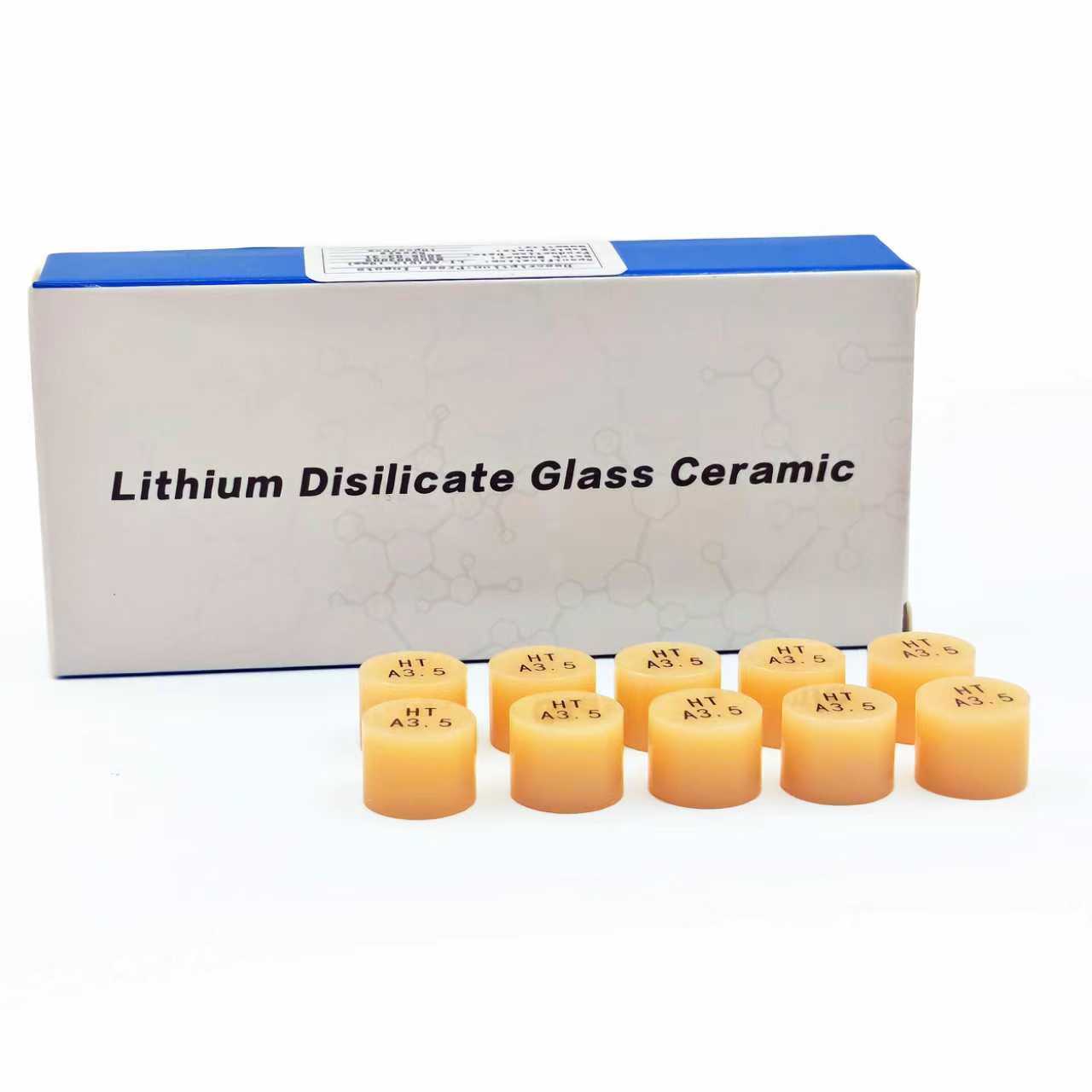
Veneer success depends on material selection, lab processing accuracy, and clinical execution working in harmony. A dental press ingot offers laboratory technicians and restorative dentists a material platform that simplifies this workflow while maximizing esthetic and functional outcomes. The pressed glass-ceramic composition ensures consistent translucency, minimal voids, and predictable shade stability that cosmetic cases require.
Superior Esthetic Properties of Dental Press Ingot
Translucency and Shade Matching
One of the most compelling reasons clinicians choose dental press ingot for veneers is its exceptional light transmission and optical clarity. Unlike some alternative veneer materials, dental press ingot achieves a natural refractive index that mimics tooth enamel, allowing light to penetrate and reflect through the restoration just as it would through natural tooth structure. This optical property becomes critical when veneers must blend imperceptibly with adjacent teeth and match the underlying tooth shade across all lighting conditions.
Shade selection with dental press ingot veneers offers tremendous flexibility because the material's transparency allows the underlying preparation and composite cement to influence final color. Technicians working with dental press ingot can layer different shades within the restoration, creating depth and character that single-shade materials cannot achieve. This layering capability makes dental press ingot especially valuable when restoring highly visible anterior teeth where shade perfection directly impacts patient satisfaction.
Surface Characteristics and Gloss
The pressed manufacturing process that creates dental press ingot restorations produces exceptionally smooth, uniform surface geometry. When veneers are fabricated from dental press ingot, they emerge from the mold with natural gloss and texture that closely replicates tooth surface characteristics. This innate surface quality means veneers made from dental press ingot require minimal polishing and adjustment, reducing chair time while preserving the material's optical properties that enhance esthetic integration.
Precision and Fit Advantages of Dental Press Ingot
Marginal Accuracy and Seating
Marginal gaps in veneers compromise longevity, esthetics, and periodontal health, making fit accuracy non-negotiable in cosmetic cases. Dental press ingot technology delivers precise internal and marginal contours because the pressing process applies controlled heat and pressure to fully adapt the material to mold geometry. Veneers fabricated from dental press ingot typically achieve marginal gaps under 50 microns, which meets or exceeds clinical standards and ensures reliable cement adaptation and long-term performance.
The dimensional stability of dental press ingot materials minimizes the thermal and moisture-related expansion issues that plague some veneer materials. When clinicians try in veneers made from dental press ingot, they experience consistently accurate seating and passive fit that requires minimal adjustment. This precision reduces intraoral try-in time and lowers the risk of marginal chipping or fit-related complications that could compromise the restoration.
Internal Anatomy and Void-Free Structure
Internal porosity and air entrapment weaken veneer materials and create stress concentration points that lead to fracture under functional loading. Manufacturing veneers from dental press ingot involves a proprietary pressing protocol that evacuates air and ensures complete material consolidation throughout the restoration. Dental press ingot veneers consequently exhibit superior structural integrity and enhanced resistance to flexing and cyclic stress compared to veneers made from less advanced material systems.
Clinical Longevity and Durability Factors
Wear Resistance and Chipping
Veneers on anterior teeth experience functional stress from mastication, parafunctional habits, and thermal cycling over years of service. The high-strength glass-ceramic composition of dental press ingot materials provides excellent resistance to abrasive wear and margin chipping, two failure modes that frequently compromise veneer longevity. Restorations fabricated from dental press ingot maintain margin integrity and surface polish far longer than veneers made from brittle or lower-strength materials, translating to greater patient satisfaction and reduced replacement frequency.
Laboratory studies and long-term clinical observations confirm that veneers made from dental press ingot consistently outperform alternative materials in wear resistance and margin stability over ten-year service periods. The material's resistance to fracture propagation means that even if initial chipping occurs, veneers fabricated from dental press ingot are less likely to experience catastrophic failure or require complete replacement.
Cement Bond and Adhesive Retention
The success of adhesively bonded veneers depends fundamentally on the quality of resin cement adhesion to both the veneer internal surface and tooth substrate. Dental press ingot materials are specifically engineered to optimize surface chemistry for resin bonding, with internal textures and glass phases that enhance mechanical and chemical adhesion. When veneers are etched and bonded according to established protocols, dental press ingot restorations achieve bond strengths that rival or exceed bond strength to natural tooth structure.
The reliable adhesive retention of dental press ingot veneers means they remain firmly seated throughout their service life, resisting delamination and seepage that could lead to discoloration, decay, or structural failure. This consistent performance makes dental press ingot an economical choice because restorations rarely need re-cementation or premature replacement.
FAQ
What shade range is available with dental press ingot veneers?
Dental press ingot materials are offered in comprehensive shade systems that cover natural tooth colors from very light to dark, including fluorescent and opaque shades for special cases. Because dental press ingot exhibits exceptional translucency, the underlying tooth preparation and composite cement influence final shade, allowing customization beyond standard ingot colors. Technicians working with dental press ingot can also layer multiple ingot shades within a single restoration to achieve natural esthetic complexity.
How long do veneers made from dental press ingot typically last?
Published clinical data indicates that veneers fabricated from dental press ingot have survival rates exceeding 95 percent at ten years when properly prepared, fabricated, and bonded. The combination of high strength, excellent cement adhesion, and superior wear resistance that dental press ingot provides means many restorations remain intact and esthetically acceptable for fifteen to twenty years or longer.
Is dental press ingot more expensive than other veneer materials?
While dental press ingot ingots typically cost more than basic composite or feldspathic porcelain materials, the superior esthetics, precision fit, and extended longevity justify the investment. Because veneers made from dental press ingot require fewer remakes, adjustments, and replacements, the total cost of care often proves lower than less predictable material choices. The enhanced patient satisfaction and superior clinical outcomes make dental press ingot a sound investment for practices committed to cosmetic excellence.