Advanced Biocompatibility and Patient Safety
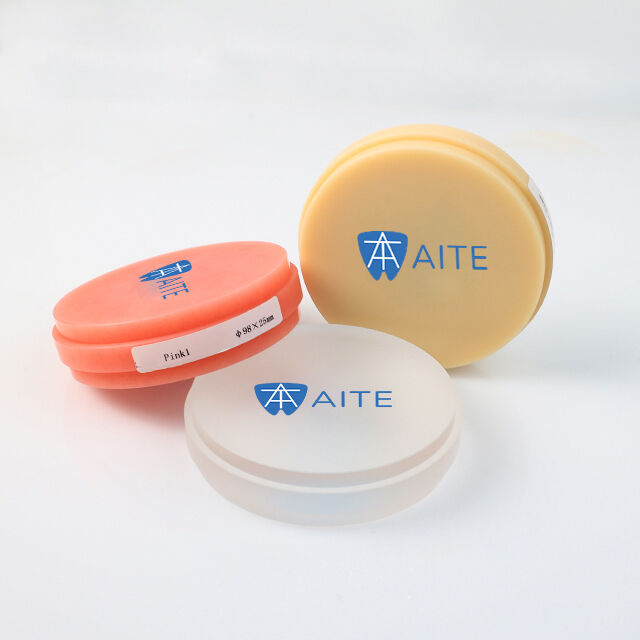
The best dental PMMA sets itself apart through its exceptional biocompatibility profile, which has been extensively tested and validated through rigorous clinical studies and long-term patient follow-up data. This advanced material undergoes comprehensive purification processes that eliminate potentially harmful residual monomers and impurities, ensuring that patients experience minimal risk of adverse reactions or tissue sensitivity. The sophisticated polymer matrix incorporates specially selected additives that actively promote tissue healing and reduce inflammatory responses, making it particularly suitable for patients with sensitive oral tissues or compromised immune systems. Unlike conventional acrylic materials that may cause irritation or allergic reactions, the best dental PMMA features hypoallergenic formulations that have been clinically proven safe for extended oral contact. The material's smooth, non-porous surface characteristics prevent bacterial colonization and biofilm formation, significantly reducing the risk of secondary infections and promoting better overall oral health outcomes. Advanced manufacturing processes ensure consistent quality and purity, with each batch undergoing stringent quality control testing to verify biocompatibility standards and eliminate variations that could compromise patient safety. The best dental PMMA also incorporates antimicrobial agents that provide ongoing protection against harmful bacteria while maintaining compatibility with beneficial oral microflora. This intelligent approach to infection control helps maintain the natural balance of the oral environment while providing targeted protection against pathogenic organisms. Furthermore, the material's low cytotoxicity levels have been validated through extensive in vitro and in vivo testing, demonstrating its safety for prolonged contact with oral tissues. The biocompatible nature of the best dental PMMA extends to its interaction with other dental materials, showing excellent compatibility with adhesives, cements, and restorative materials commonly used in comprehensive treatment plans. This compatibility ensures that patients can receive complex, multi-material treatments without concerns about adverse interactions or compromised treatment outcomes, providing peace of mind for both practitioners and patients seeking comprehensive dental care solutions.

 EN
EN