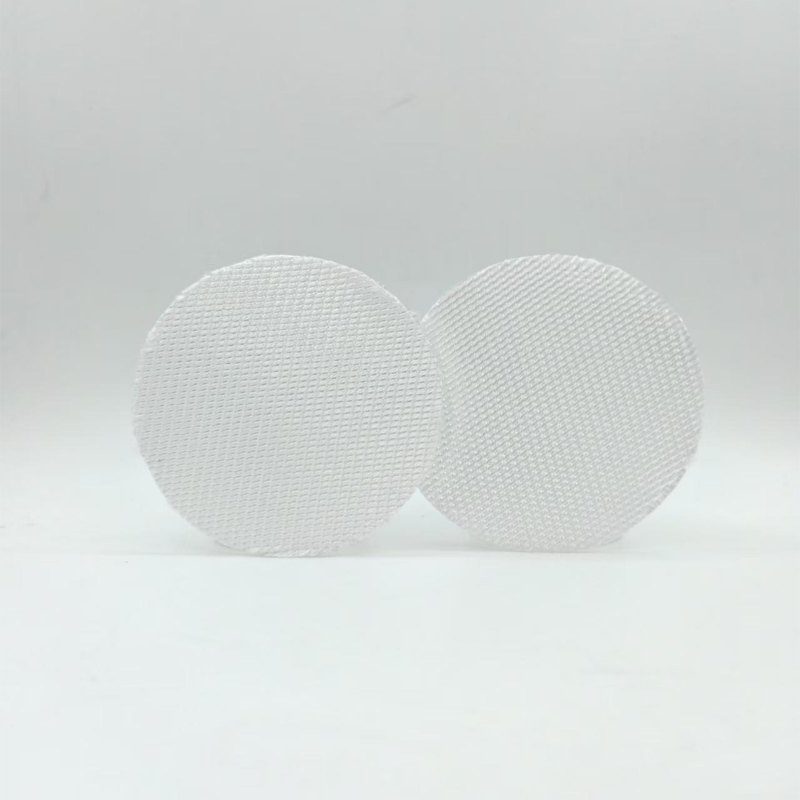
Premium Dental Lab Zirconia Discs - Superior Strength CAD/CAM Solutions for Modern Dentistry

All Categories

Get a Free Quote

Our representative will contact you soon.
Email
Name
Company Name
Message
0/1000

dental lab zirconia discs

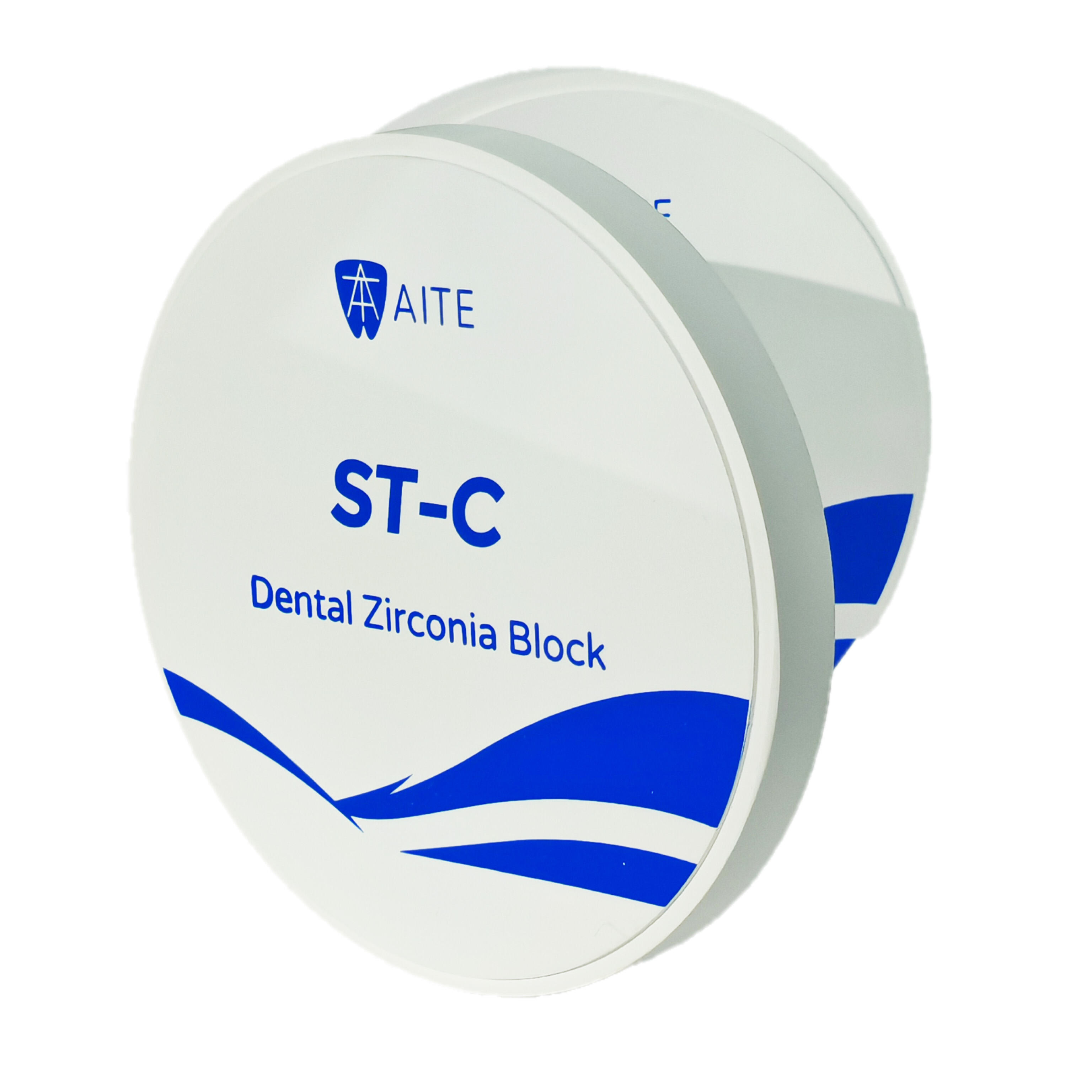
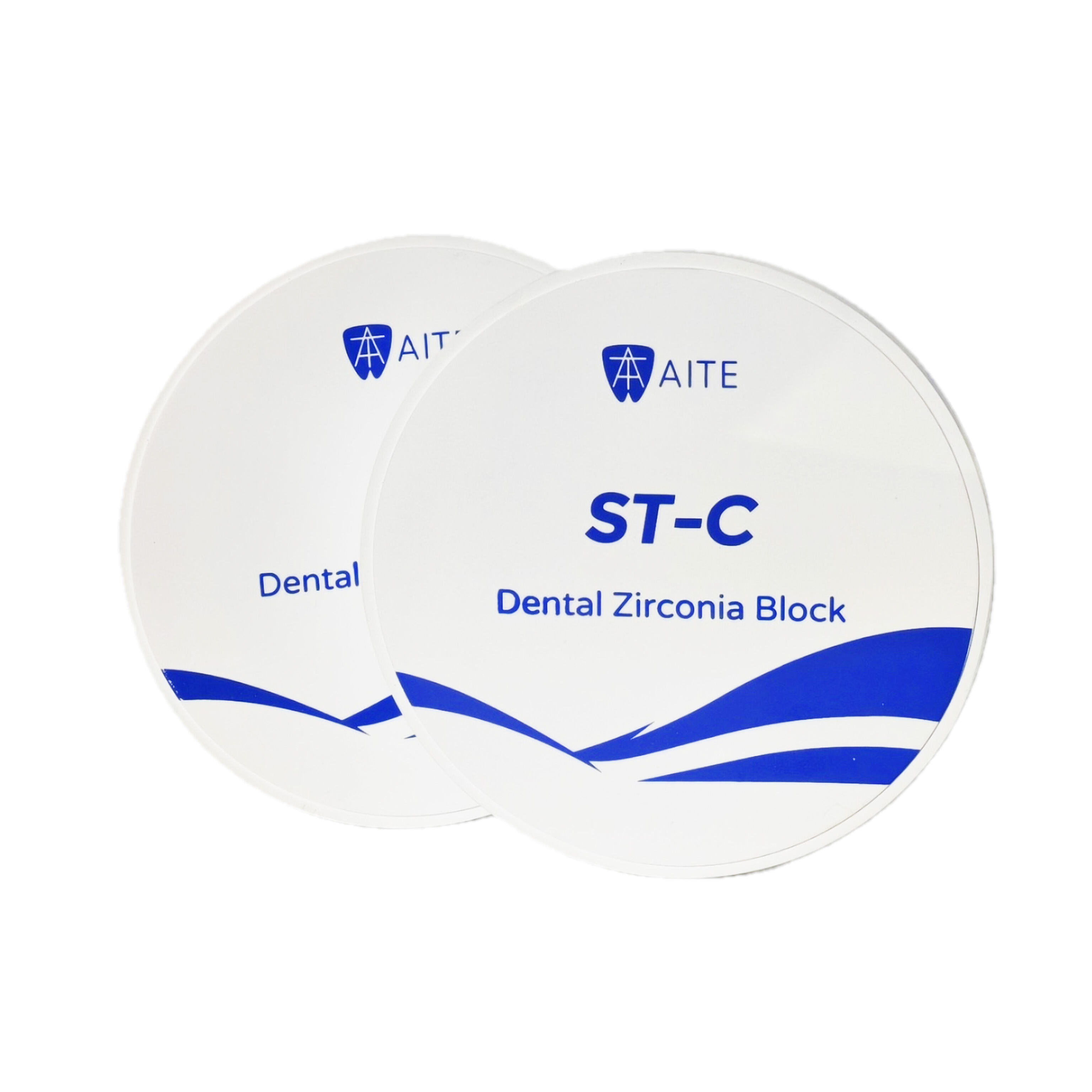
Dental lab zirconia discs represent a revolutionary advancement in modern restorative dentistry, offering dental laboratories and practitioners an exceptional material for creating high-quality prosthetic solutions. These specialized ceramic discs are manufactured from yttria-stabilized tetragonal zirconia polycrystal, a biocompatible material that delivers outstanding mechanical properties and aesthetic results. The primary function of dental lab zirconia discs involves serving as the raw material for CAD/CAM milling systems to produce crowns, bridges, inlays, onlays, and implant abutments with precision and reliability. The technological features of these discs include superior flexural strength exceeding 1200 MPa, exceptional fracture toughness, and excellent biocompatibility that ensures long-term clinical success. Modern dental lab zirconia discs incorporate advanced sintering technology that allows for controlled shrinkage during processing, ensuring dimensional accuracy and consistent results. The material exhibits excellent chemical stability, resisting degradation in the oral environment while maintaining its structural integrity over extended periods. These discs are available in various translucency levels, from high-opacity variants for posterior restorations to highly translucent options for anterior applications where aesthetics are paramount. The applications of dental lab zirconia discs span across multiple restorative procedures, including single-unit crowns, multi-unit bridges, implant-supported restorations, and complex full-mouth rehabilitations. The versatility of these discs enables dental technicians to create restorations that closely mimic natural tooth structure while providing enhanced durability compared to traditional materials. Manufacturing processes involve sophisticated quality control measures to ensure each disc meets stringent standards for density, grain size, and chemical composition, resulting in predictable clinical outcomes and patient satisfaction.
New Product Releases

Dental lab zirconia discs offer numerous compelling advantages that make them the preferred choice for modern dental laboratories seeking superior restoration solutions. The exceptional strength characteristics of these discs provide unmatched durability, enabling restorations to withstand the demanding forces of mastication while maintaining structural integrity for decades. This remarkable strength eliminates concerns about fractures and failures commonly associated with traditional porcelain or metal-ceramic restorations, giving practitioners confidence in recommending zirconia-based solutions to their patients. The biocompatibility of dental lab zirconia discs ensures excellent tissue response and minimal risk of allergic reactions, making them suitable for patients with metal sensitivities or those seeking metal-free alternatives. This biocompatible nature promotes healthy gingival tissue around restorations, contributing to long-term periodontal health and patient comfort. The aesthetic versatility of these discs allows dental technicians to achieve natural-looking results that seamlessly blend with existing dentition, thanks to their excellent light transmission properties and ability to be layered with porcelain for enhanced characterization. Modern dental lab zirconia discs feature improved translucency that rivals natural tooth enamel, eliminating the opaque appearance that characterized earlier zirconia materials. The processing efficiency of these discs significantly reduces laboratory turnaround times, as they can be milled in their pre-sintered state and then fired to full density in a single sintering cycle. This streamlined workflow reduces labor costs and allows laboratories to increase productivity while maintaining high quality standards. The dimensional stability of dental lab zirconia discs throughout the manufacturing process ensures precise fit and reduces the need for chairside adjustments, improving patient comfort and clinical efficiency. The chemical inertness of zirconia prevents discoloration over time, ensuring restorations maintain their aesthetic appearance throughout their service life. Cost-effectiveness becomes apparent when considering the longevity and reduced failure rates of zirconia restorations, making them an economical choice for both patients and practitioners. The excellent machinability of these discs allows for intricate designs and complex geometries, enabling the creation of highly customized restorations that meet specific patient requirements. Quality assurance protocols ensure consistent performance across batches, providing laboratories with reliable materials that deliver predictable results in every case.

Practical Tips

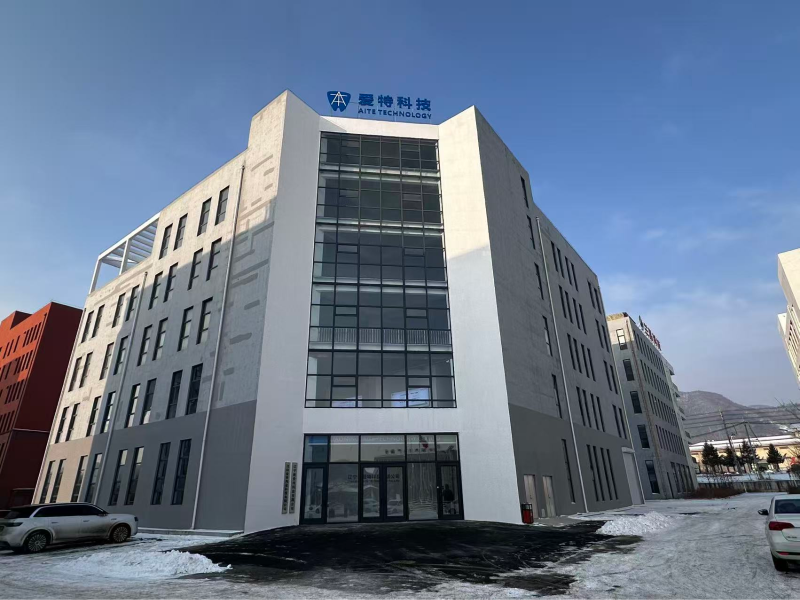
The establishment of the new plant

04

Feb

The establishment of the new plant

View More
Exhibition in Dubai

04

Feb

Exhibition in Dubai

View More
Brazil Exhibition

04

Feb

Brazil Exhibition

View More

Get a Free Quote

Our representative will contact you soon.
Email
Name
Company Name
Message
0/1000

dental lab zirconia discs

Unparalleled Mechanical Strength and Durability

Unparalleled Mechanical Strength and Durability

The exceptional mechanical properties of dental lab zirconia discs set them apart as the gold standard for high-stress restorative applications in modern dentistry. With flexural strength values exceeding 1200 MPa and fracture toughness reaching 6-8 MPa·m½, these discs provide unprecedented resistance to crack propagation and catastrophic failure under clinical loading conditions. This remarkable strength-to-weight ratio enables the fabrication of restorations with reduced material thickness while maintaining structural integrity, allowing for more conservative tooth preparations that preserve valuable tooth structure. The unique crystalline structure of tetragonal zirconia contributes to its transformation toughening mechanism, where applied stress triggers a phase transformation that effectively arrests crack growth and prevents restoration failure. This self-reinforcing characteristic ensures that dental lab zirconia discs maintain their mechanical properties even under cyclic loading conditions that simulate years of clinical service. The superior wear resistance of these discs protects both the restoration and opposing natural teeth from excessive abrasion, promoting long-term oral health and function. Clinical studies demonstrate survival rates exceeding 95% at 10-year follow-up periods for zirconia-based restorations, significantly outperforming traditional materials in long-term durability assessments. The fatigue resistance of dental lab zirconia discs enables them to withstand millions of loading cycles without degradation, making them ideal for patients with parafunction or heavy occlusal forces. Temperature fluctuations and chemical exposure in the oral environment do not compromise the structural integrity of these discs, ensuring consistent performance throughout their service life. The high elastic modulus of zirconia closely matches that of natural tooth structure, promoting optimal stress distribution and reducing the risk of root fractures in restored teeth. This exceptional durability translates to reduced remake rates, lower warranty claims, and enhanced patient satisfaction, making dental lab zirconia discs a valuable investment for dental practices focused on providing long-lasting restorative solutions.
Advanced CAD/CAM Compatibility and Processing Efficiency

Advanced CAD/CAM Compatibility and Processing Efficiency

Dental lab zirconia discs demonstrate exceptional compatibility with modern CAD/CAM systems, revolutionizing the digital workflow and enhancing manufacturing efficiency in contemporary dental laboratories. These discs are specifically engineered to optimize milling performance, featuring controlled porosity and grain structure that enables smooth cutting with minimal tool wear and reduced processing time. The pre-sintered state of dental lab zirconia discs allows for rapid machining using standard carbide burs or diamond-coated tools, significantly reducing manufacturing costs while maintaining dimensional accuracy throughout the milling process. Advanced manufacturing techniques ensure uniform density distribution within each disc, eliminating inconsistencies that could compromise milling precision or final restoration quality. The standardized dimensions and tolerances of these discs enable seamless integration with virtually all commercial CAD/CAM platforms, providing laboratories with flexibility in equipment selection and workflow optimization. Quality control protocols during disc manufacturing include rigorous testing for density variation, surface finish, and dimensional accuracy, ensuring predictable processing behavior across different production batches. The controlled shrinkage characteristics of dental lab zirconia discs during sintering allow for precise compensation algorithms in CAD software, resulting in highly accurate final restorations that require minimal adjustment. Post-processing versatility enables various finishing techniques, including glazing, staining, and porcelain layering, allowing technicians to achieve desired aesthetic outcomes while maintaining the inherent strength of the zirconia substrate. The rapid sintering capability of modern dental lab zirconia discs reduces firing times to as little as two hours for complete densification, dramatically improving laboratory throughput and reducing energy consumption. Digital design integration allows for complex geometries and customized anatomical forms that would be challenging to achieve with traditional manufacturing methods. The traceability features incorporated into quality dental lab zirconia discs provide comprehensive documentation of material properties and processing parameters, supporting quality assurance protocols and regulatory compliance requirements essential for professional dental laboratory operations.
Superior Aesthetics and Biocompatibility Excellence

Superior Aesthetics and Biocompatibility Excellence

The aesthetic capabilities and biocompatibility profile of dental lab zirconia discs represent significant advancements in creating natural-looking restorations that promote optimal tissue health and patient satisfaction. Modern formulations of these discs incorporate carefully controlled yttria content and advanced processing techniques that achieve translucency levels comparable to natural tooth enamel, eliminating the chalky appearance associated with earlier zirconia materials. The optical properties of dental lab zirconia discs enable light transmission and scattering patterns that closely mimic natural dentition, allowing for seamless integration with existing teeth and enhanced smile aesthetics. Color stability represents a crucial advantage, as the chemical inertness of zirconia prevents discoloration from dietary stains, tobacco, or other environmental factors that commonly affect traditional restorative materials over time. The surface finish achievable with dental lab zirconia discs promotes excellent soft tissue response, with smooth, non-porous surfaces that resist bacterial adhesion and plaque accumulation around restoration margins. Biocompatibility testing demonstrates exceptional tissue tolerance, with no documented cases of allergic reactions or adverse tissue responses to properly processed zirconia restorations in clinical literature. The absence of metallic components eliminates concerns about galvanic reactions, metal ion release, or magnetic interference with medical imaging procedures, making these discs suitable for patients with complex medical histories or metal sensitivities. Gingival health maintenance is enhanced by the bioinert nature of zirconia, which promotes stable soft tissue architecture and reduces inflammatory responses commonly observed around metal-ceramic restorations. The thermal properties of dental lab zirconia discs closely match those of natural tooth structure, minimizing thermal conductivity that could cause patient discomfort or pulpal irritation. Radiopacity characteristics allow for proper radiographic evaluation of restoration margins and surrounding structures, supporting long-term monitoring and maintenance protocols. The non-cytotoxic nature of these materials has been validated through extensive in vitro and in vivo studies, confirming their safety for long-term intraoral use and supporting their widespread clinical adoption in restorative dentistry applications worldwide.

Get a Free Quote

Our representative will contact you soon.
Email
Name
Company Name
Message
0/1000