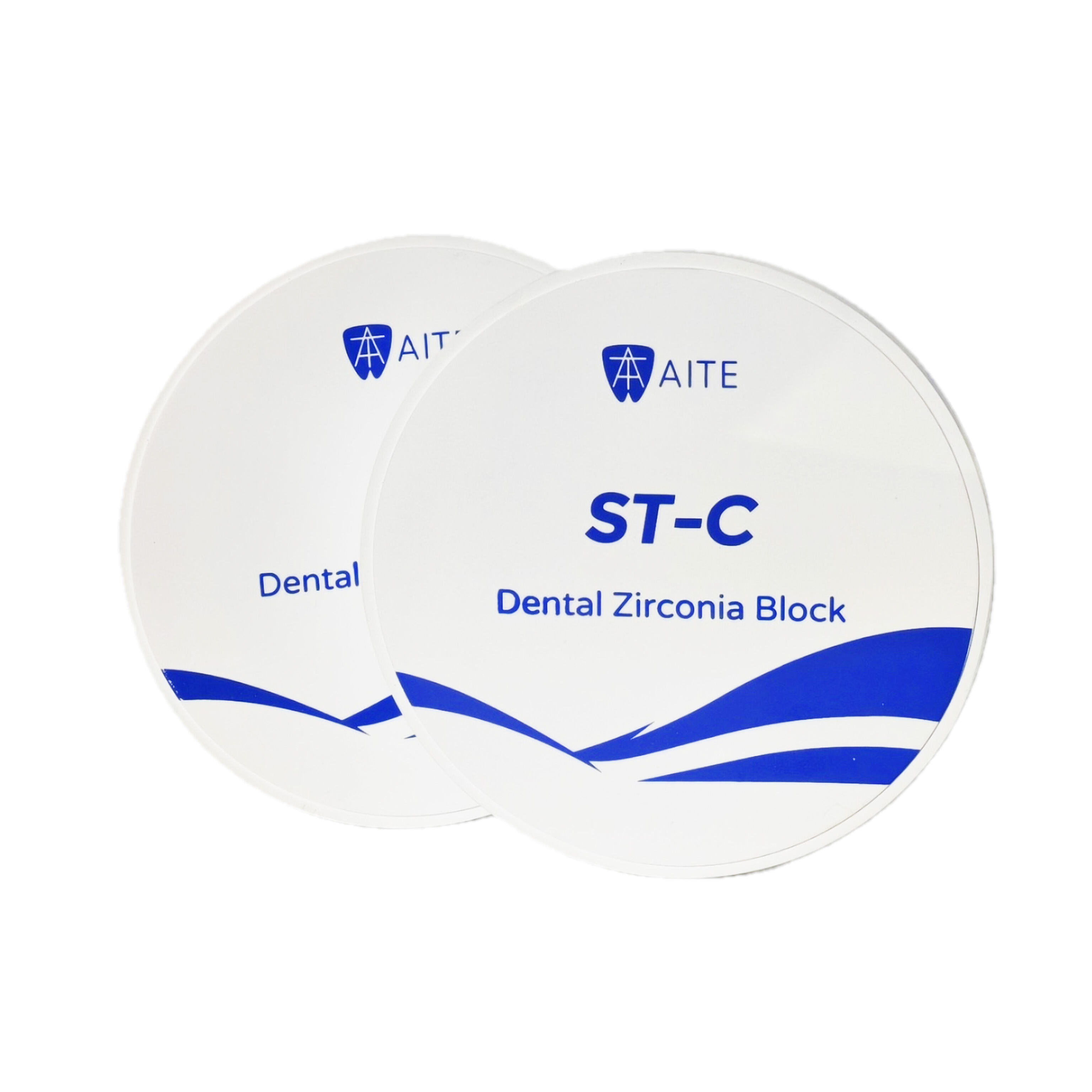
translucent zirconia discs
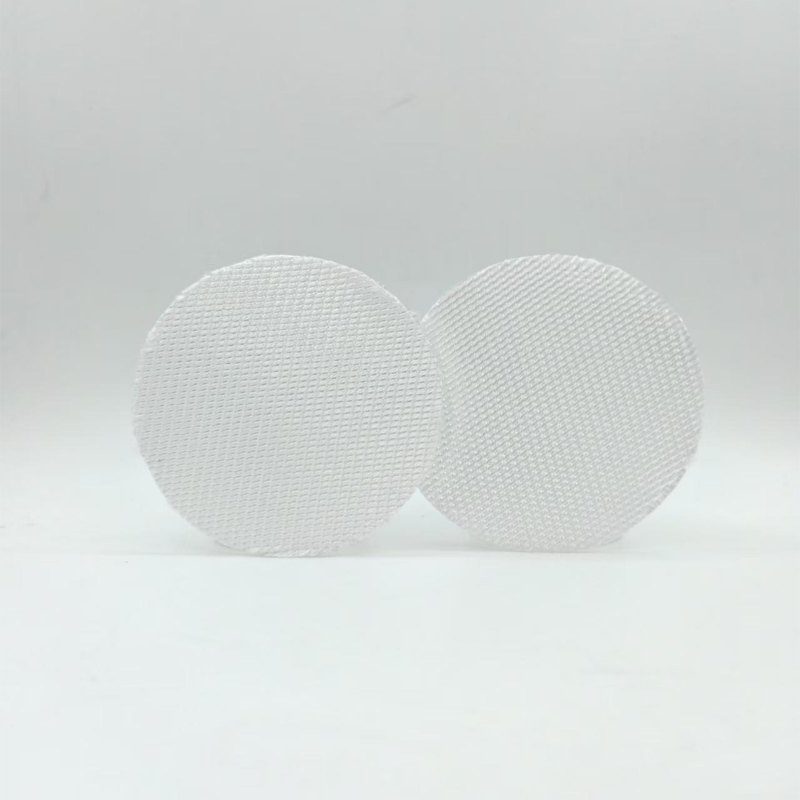
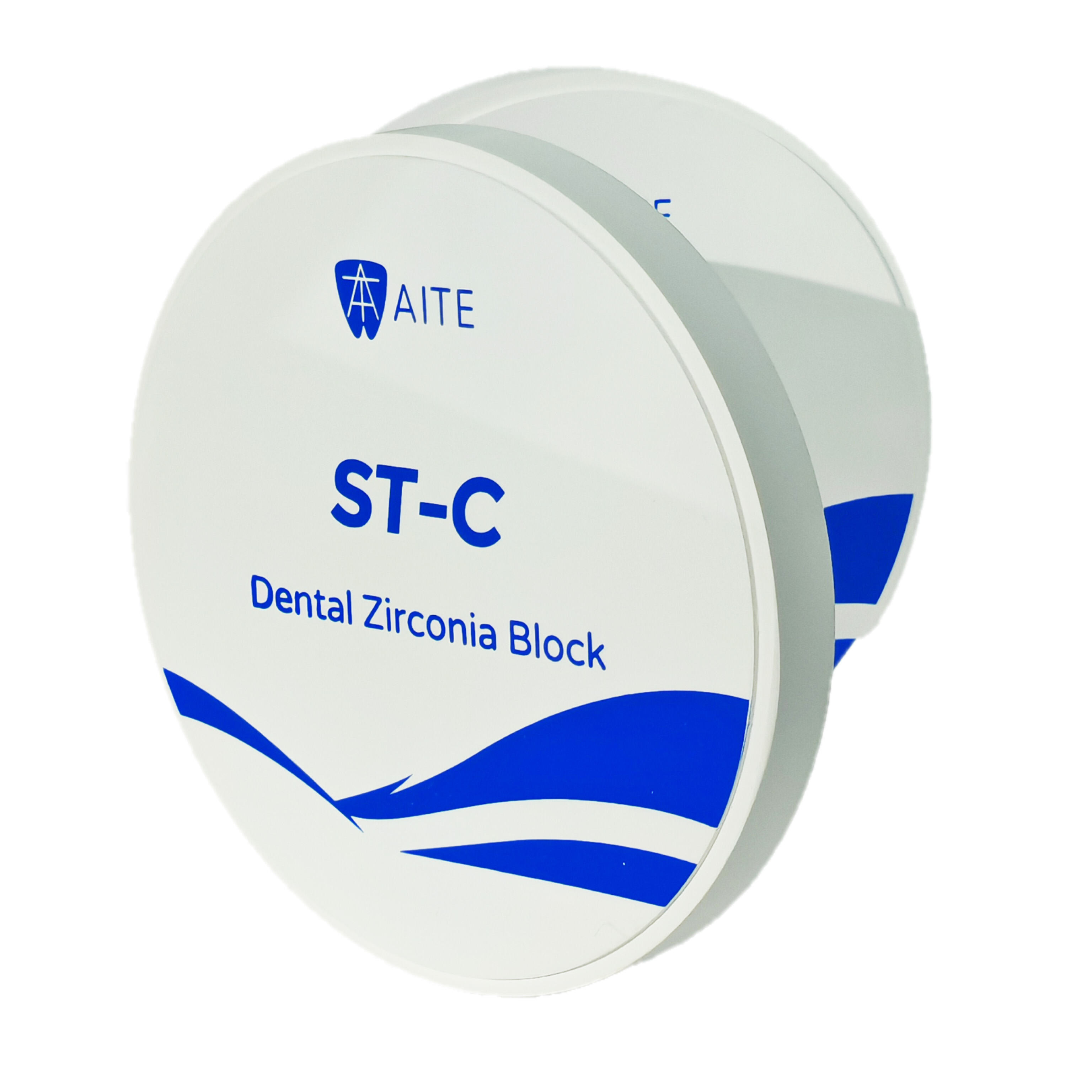
Translucent zirconia discs represent a revolutionary advancement in modern dental restoration technology, combining exceptional strength with remarkable aesthetic properties. These innovative dental materials are manufactured using advanced crystalline zirconia that has been specially processed to achieve optimal light transmission while maintaining superior mechanical properties. The main function of translucent zirconia discs centers on providing dental professionals with a versatile solution for creating natural-looking crowns, bridges, and other prosthetic restorations that seamlessly blend with patients' existing dentition. The technological features of these discs include a unique crystal structure that allows controlled light penetration, creating depth and vitality similar to natural tooth enamel. Manufacturing processes involve precise temperature control and specialized sintering techniques that enhance translucency without compromising the material's inherent strength characteristics. The discs are available in various thickness options and shade gradients, enabling customization for different clinical situations. Applications span across multiple dental specialties, including general restorative dentistry, prosthodontics, and cosmetic dentistry. Dental laboratories utilize translucent zirconia discs in CAD/CAM systems for precise milling and fabrication of patient-specific restorations. The material's biocompatibility ensures excellent tissue response and long-term clinical success. Advanced surface treatments and glazing techniques further enhance the aesthetic outcomes, allowing for seamless integration with surrounding natural teeth. The discs demonstrate exceptional resistance to wear, chipping, and discoloration, making them ideal for both anterior and posterior applications. Clinical studies have validated their performance in high-stress environments, confirming their suitability for comprehensive oral rehabilitation cases. The manufacturing precision ensures consistent quality across batches, enabling predictable clinical outcomes and reducing chair time for both practitioners and patients.

 EN
EN