zirconia discs for bridges
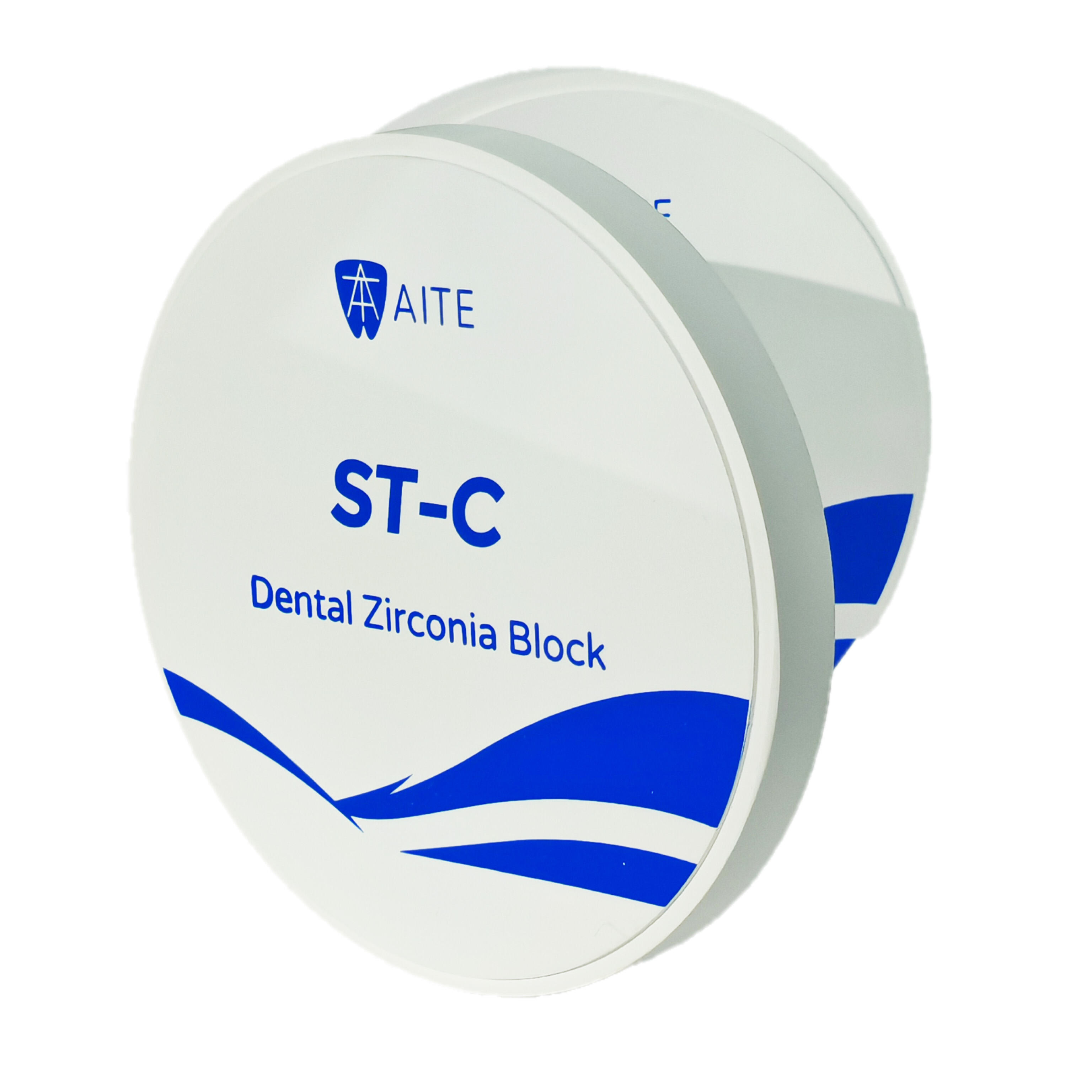
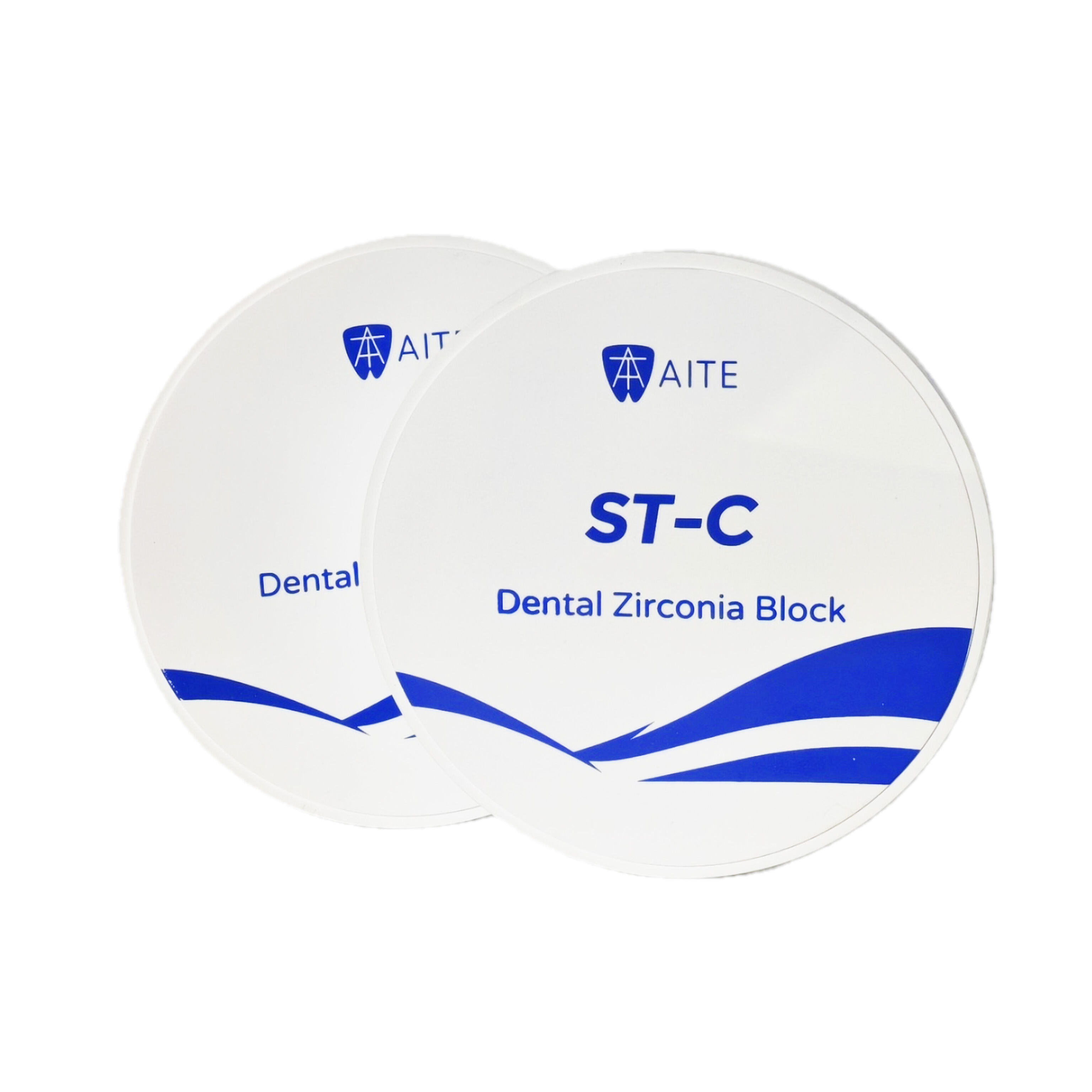
Zirconia discs for bridges represent a revolutionary advancement in modern dental restoration technology, offering unparalleled strength, aesthetics, and biocompatibility for permanent dental solutions. These high-performance ceramic materials are specifically engineered to create durable, natural-looking bridge restorations that can withstand the demanding forces of daily chewing and grinding. The primary function of zirconia discs for bridges centers on providing dental laboratories and practitioners with a superior material foundation for crafting multi-unit restorations that span missing teeth gaps. Unlike traditional metal-based alternatives, these advanced ceramic discs deliver exceptional translucency properties that closely mimic natural tooth enamel, ensuring seamless integration with existing dentition. The technological features of zirconia discs for bridges include remarkable flexural strength exceeding 1000 MPa, making them significantly stronger than conventional porcelain materials. This enhanced durability translates to longer-lasting restorations with reduced risk of fracture or failure over time. The manufacturing process involves sophisticated computer-aided design and computer-aided manufacturing (CAD/CAM) technology, allowing for precise customization of each bridge restoration to match individual patient anatomy and bite requirements. Applications of zirconia discs for bridges extend across various clinical scenarios, from single-span posterior bridges to complex multi-unit anterior restorations requiring optimal aesthetic outcomes. Dental professionals utilize these materials for patients seeking metal-free alternatives due to allergies, aesthetic concerns, or personal preferences for biocompatible materials. The versatility of zirconia discs for bridges makes them suitable for both temporary and permanent restoration solutions, providing flexibility in treatment planning and execution. These innovative materials have transformed modern restorative dentistry by combining the strength characteristics of traditional metals with the aesthetic appeal and biocompatibility of advanced ceramics, creating an ideal solution for contemporary bridge fabrication requirements.

 EN
EN