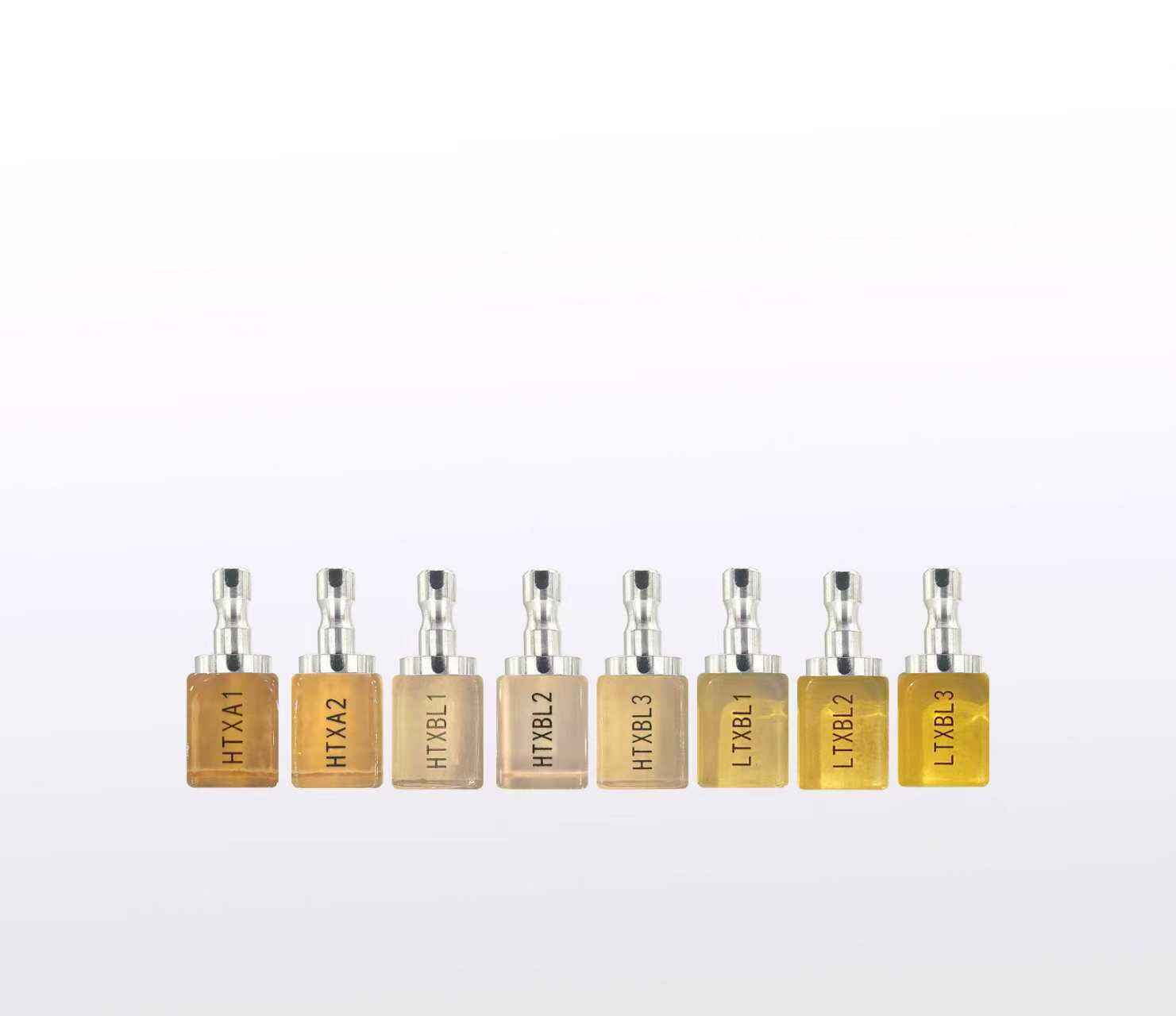
high quality dental lithium disilicate glass ceramic
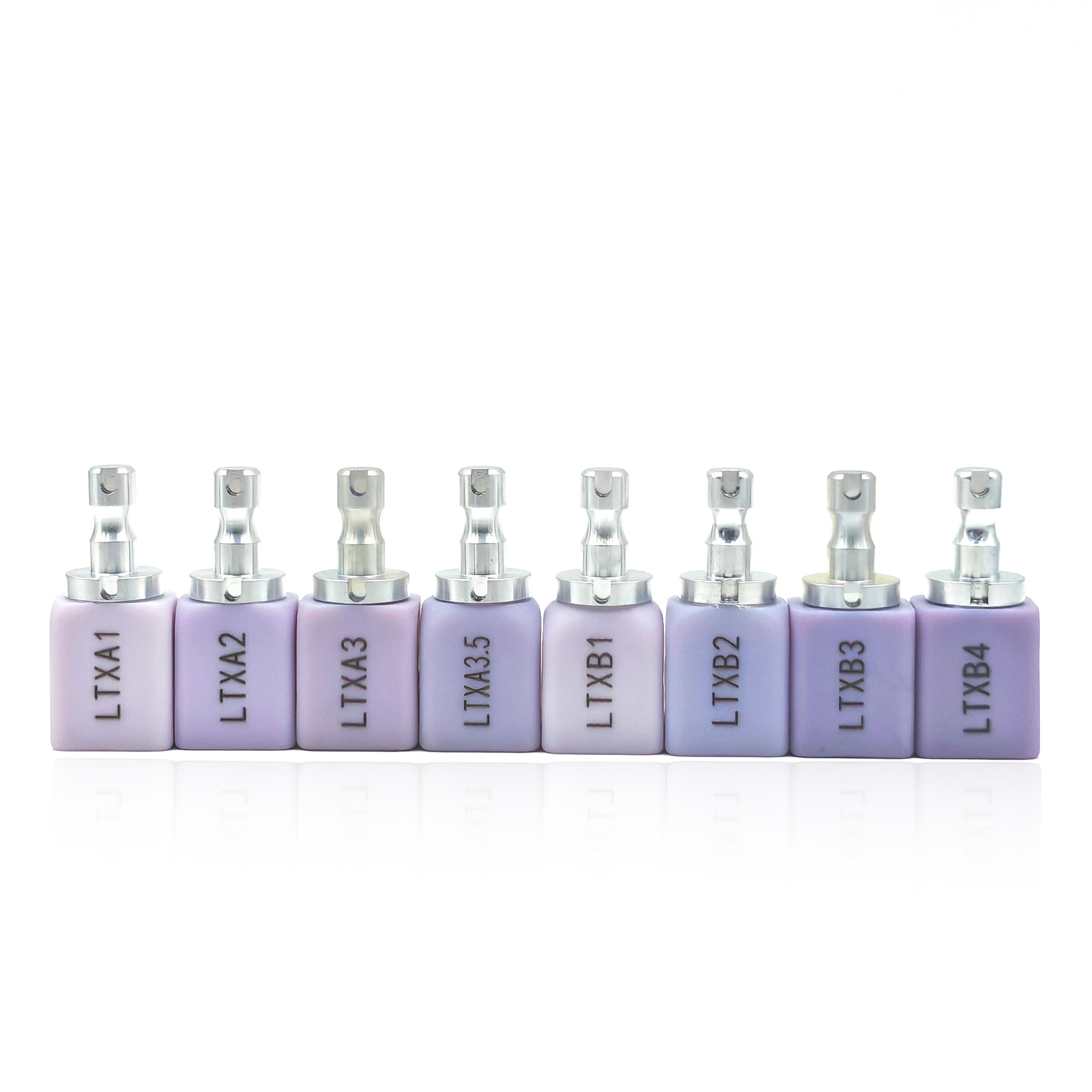
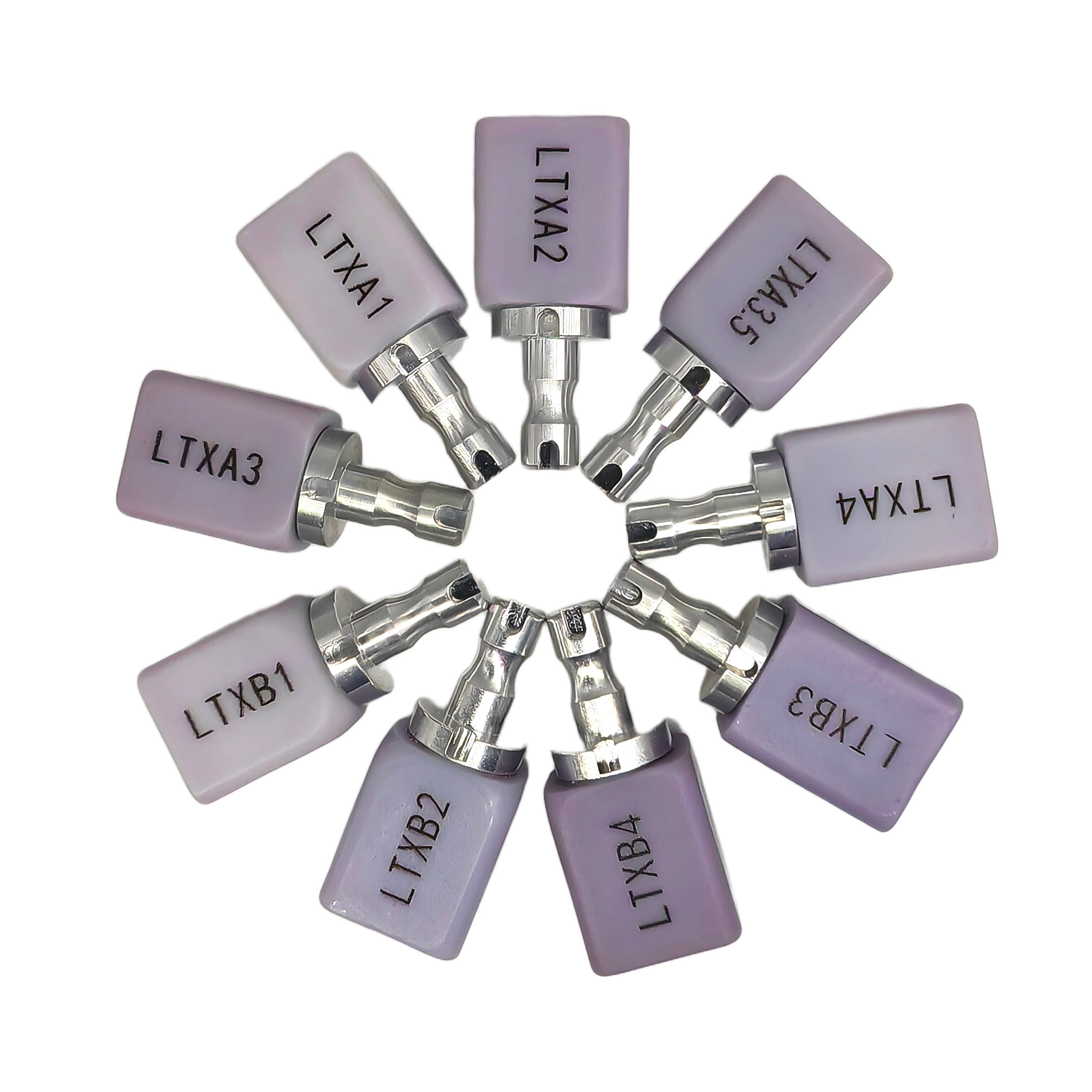
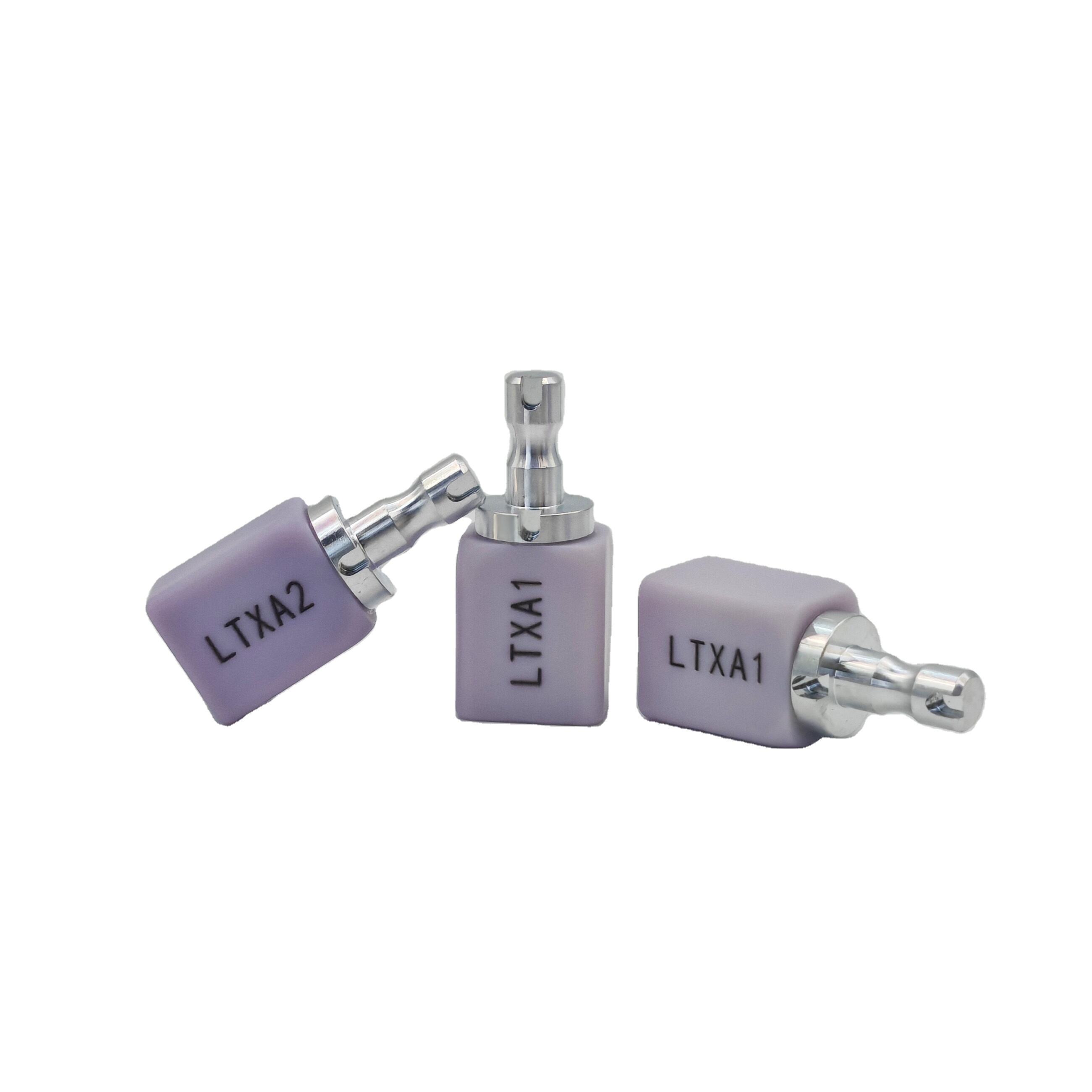
High quality dental lithium disilicate glass ceramic represents a revolutionary advancement in modern restorative dentistry, offering exceptional strength, aesthetics, and biocompatibility for various dental applications. This innovative material combines the natural translucency of glass with the mechanical strength of crystalline structures, creating an ideal solution for dental restorations that demand both durability and visual appeal. The high quality dental lithium disilicate glass ceramic is manufactured through a controlled crystallization process that creates a unique microstructure containing lithium disilicate crystals embedded within a glassy matrix. This sophisticated composition provides superior fracture toughness while maintaining excellent optical properties that closely mimic natural tooth enamel. The material's technological features include a flexural strength exceeding 400 MPa, making it suitable for both anterior and posterior restorations. Its coefficient of thermal expansion matches that of natural tooth structure, reducing the risk of thermal stress and ensuring long-term stability. The high quality dental lithium disilicate glass ceramic can be processed using various techniques including CAD/CAM milling and heat-pressing methods, providing flexibility for dental laboratories and practitioners. Applications encompass a wide range of restorative procedures including crowns, bridges, veneers, inlays, and onlays. The material's excellent machinability allows for precise fabrication of complex anatomical forms while maintaining consistent quality. Its chemical durability ensures resistance to oral fluids and temperature fluctuations encountered in the oral environment. The high quality dental lithium disilicate glass ceramic also demonstrates superior bonding characteristics with dental cements, promoting reliable long-term retention. Its radiopaque properties facilitate radiographic monitoring of restorations, enabling effective post-treatment evaluation and maintenance protocols.

 EN
EN