high quality multilayer zirconia blocks
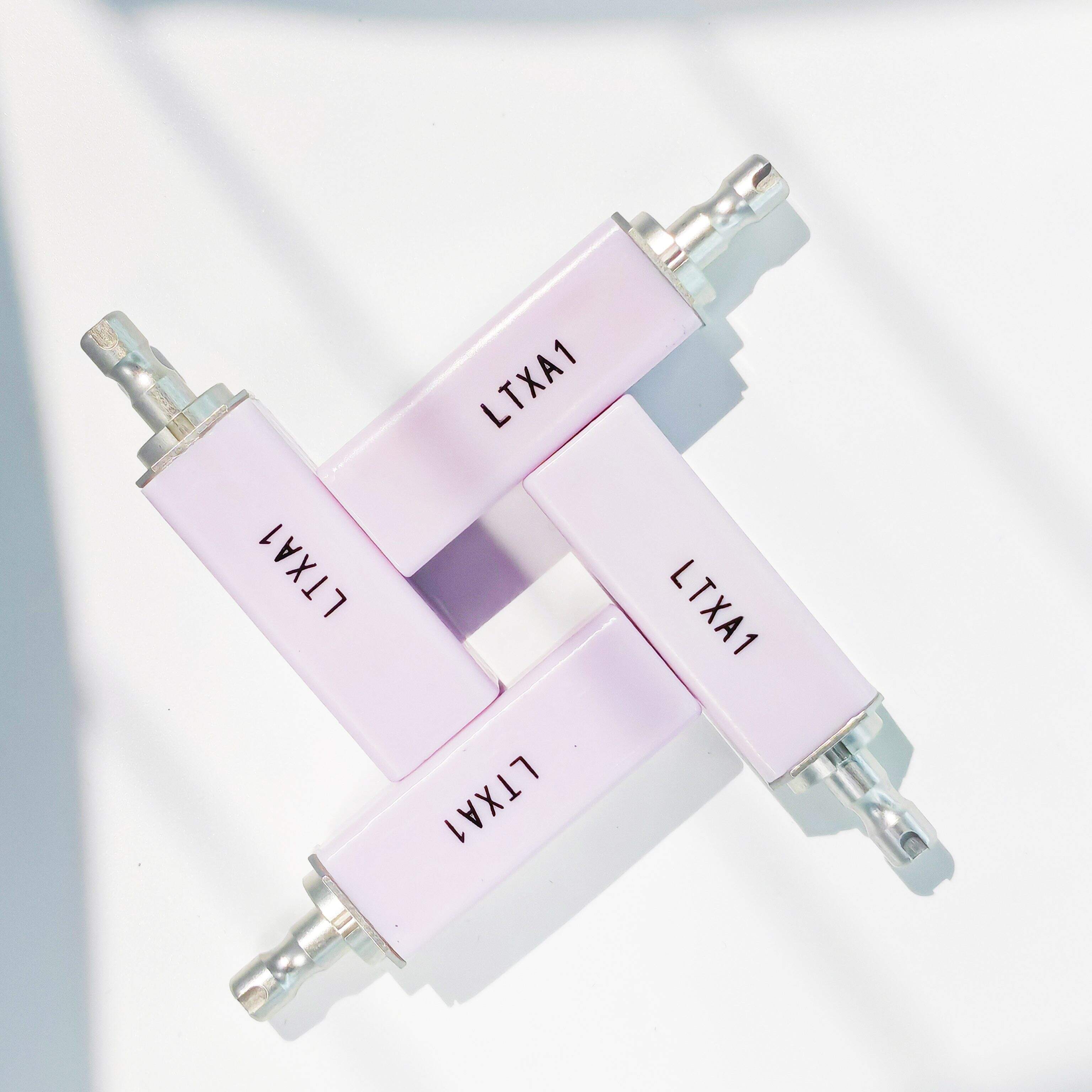
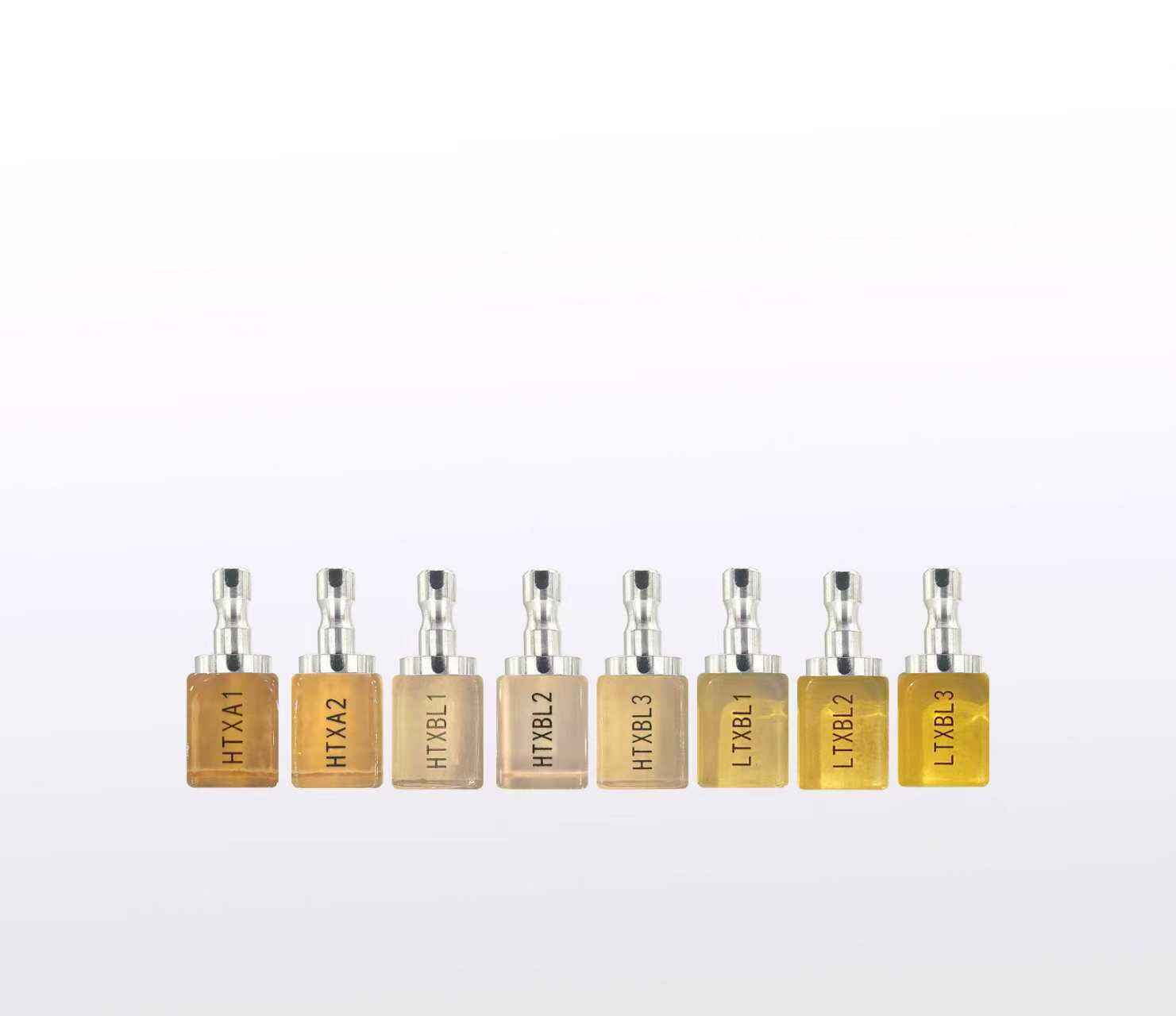
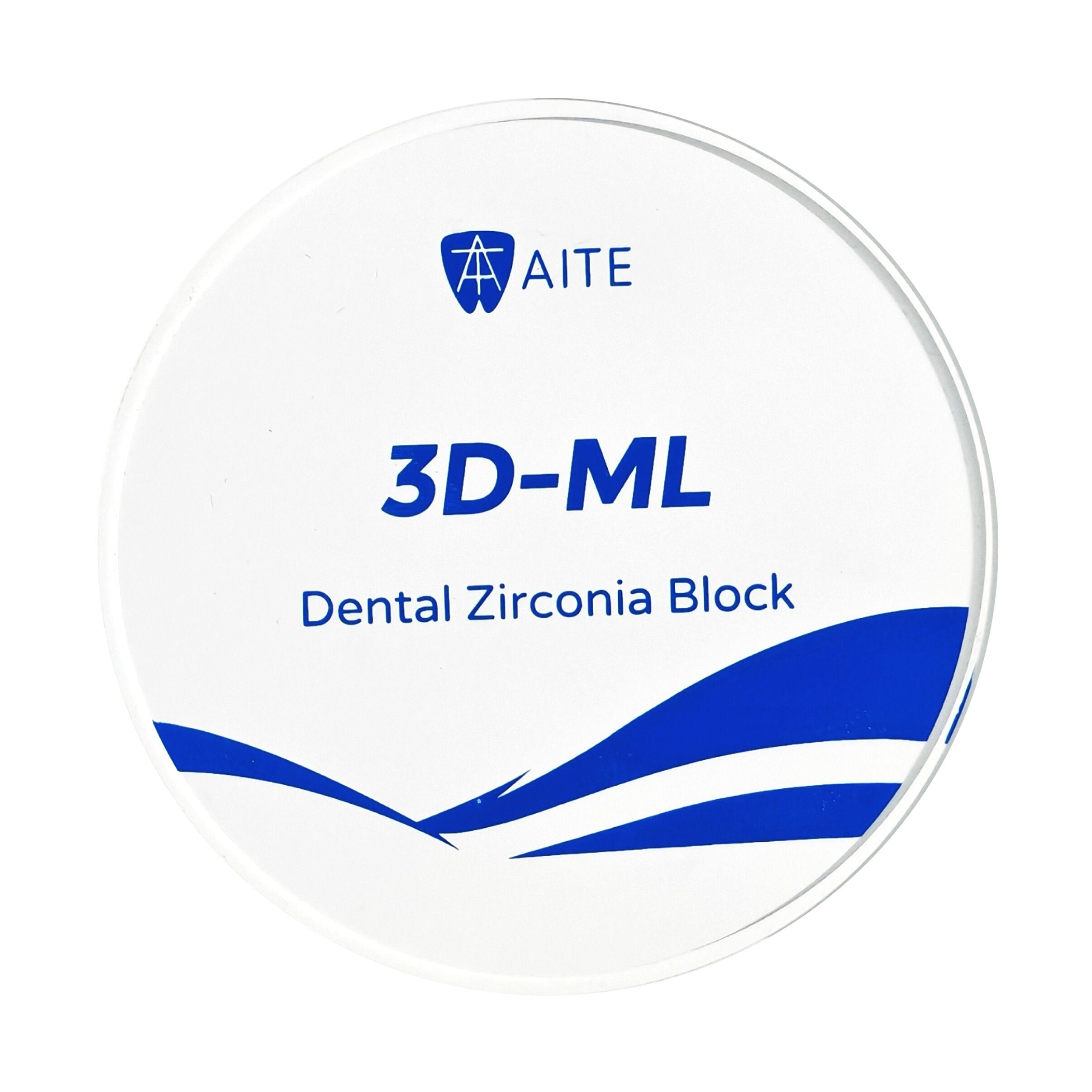
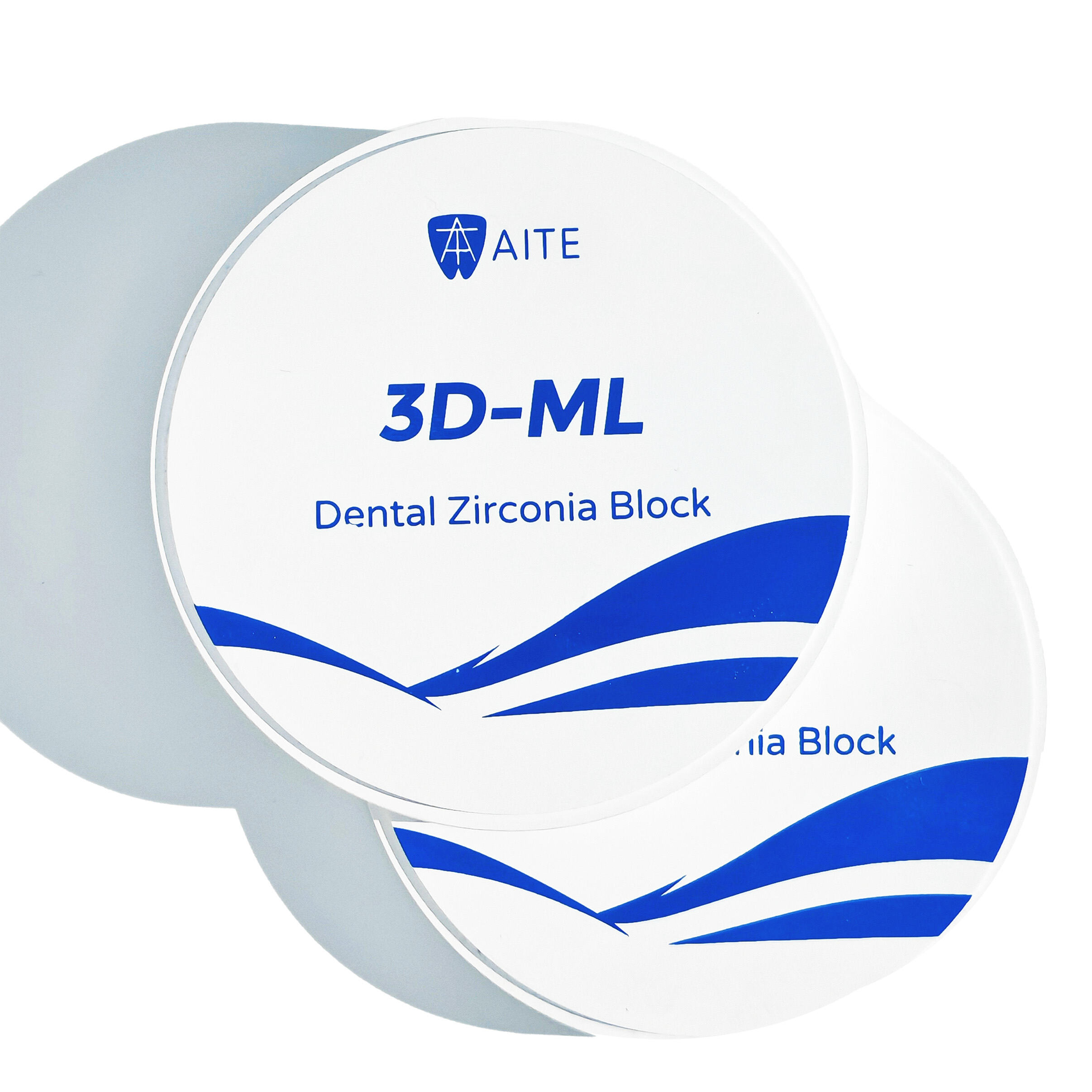
High quality multilayer zirconia blocks represent a revolutionary advancement in dental restoration materials, combining exceptional strength with natural aesthetics. These sophisticated ceramic blocks are engineered through advanced manufacturing processes that create multiple layers of varying translucency and color gradients, mimicking the natural structure of human teeth. The multilayer design incorporates different zones that replicate the enamel, dentin, and transitional areas found in natural dentition, providing dental professionals with unprecedented versatility in creating lifelike restorations. The primary function of high quality multilayer zirconia blocks lies in their ability to produce crowns, bridges, inlays, onlays, and veneers that seamlessly blend with existing teeth while maintaining superior mechanical properties. Technologically, these blocks utilize stabilized zirconia oxide combined with carefully controlled sintering processes that ensure consistent material properties throughout each layer. The manufacturing involves precise layering techniques where each stratum possesses specific optical characteristics, including varying degrees of translucency, chroma, and fluorescence that respond naturally to different lighting conditions. Modern CAD/CAM systems can efficiently mill these blocks, allowing for precise restoration fabrication with minimal waste. The crystalline structure of high quality multilayer zirconia blocks provides exceptional fracture resistance, making them suitable for both anterior and posterior applications. Applications span across comprehensive restorative dentistry, from single-unit crowns in the aesthetic zone to full-arch rehabilitations requiring maximum strength and durability. The versatility extends to implant-supported restorations where biocompatibility and long-term stability are paramount. These blocks accommodate various clinical situations, including cases with limited interocclusal space, high-stress environments, and patients with parafunctional habits. The multilayer architecture enables technicians to create restorations with natural color transitions without additional layering materials, significantly reducing chair time and improving patient satisfaction through predictable aesthetic outcomes.

 EN
EN