Comprehensive Clinical Versatility and Long-term Biocompatibility
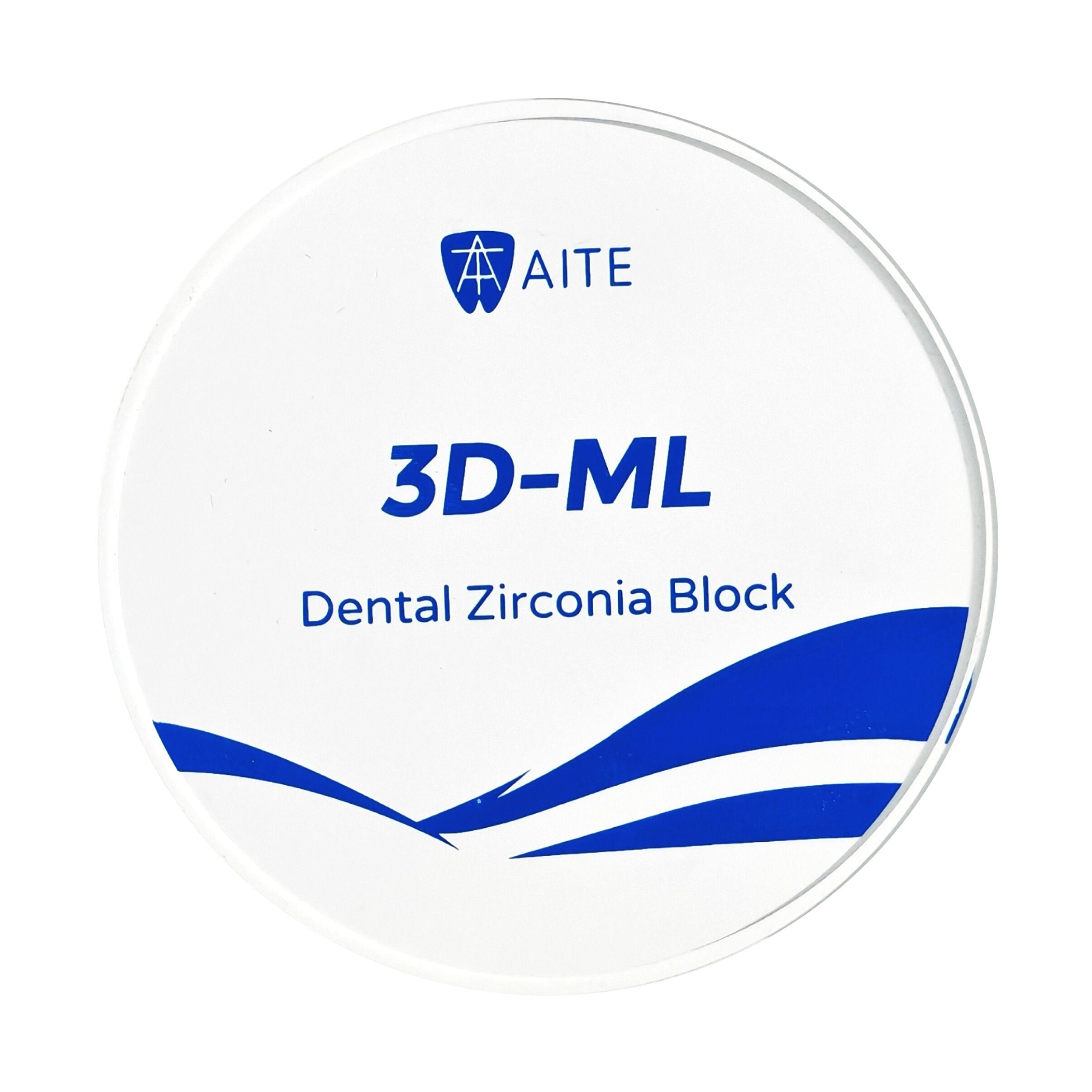
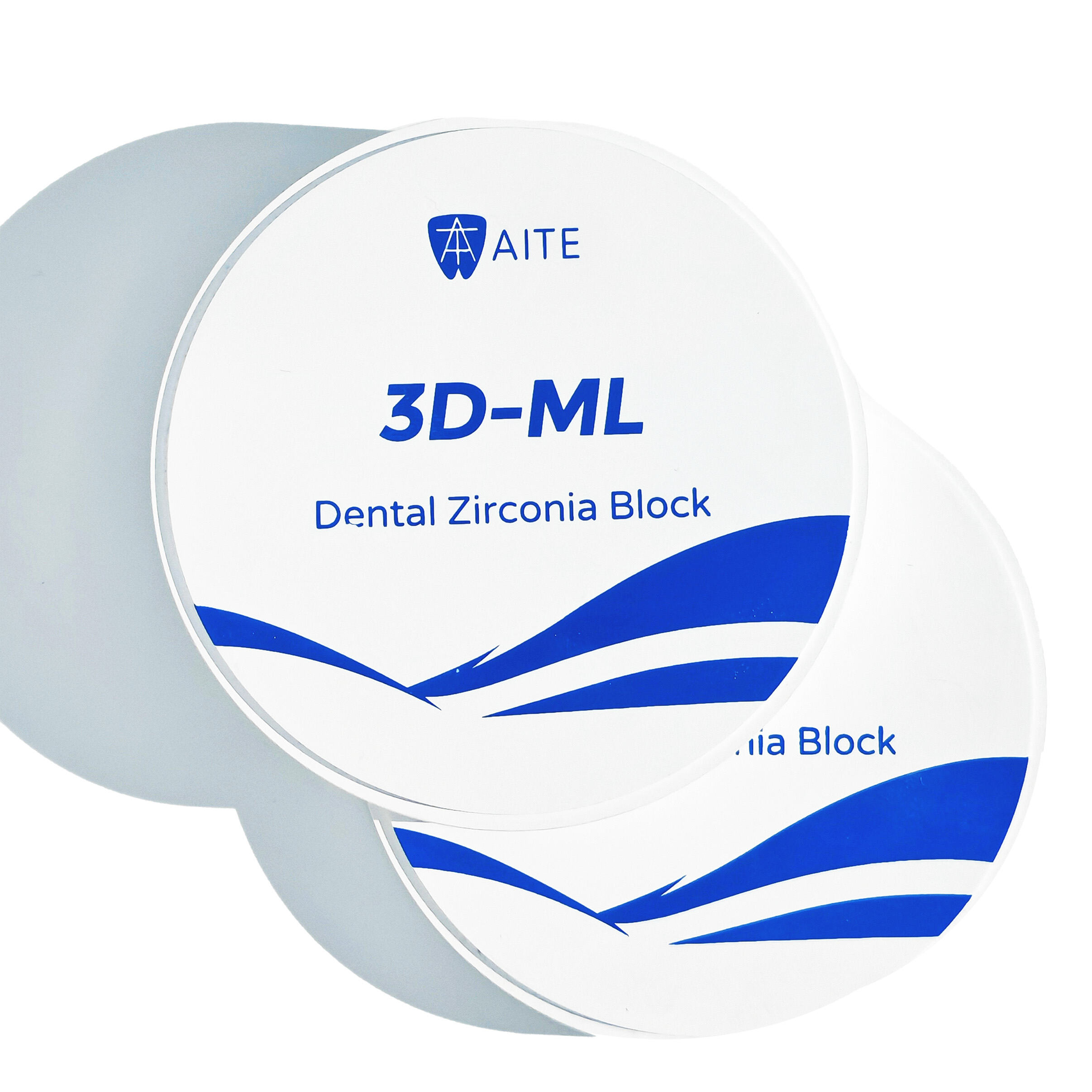
The comprehensive clinical versatility of multilayer zirconia blocks for dental lab extends across diverse dental applications, from single-tooth restorations to complex multi-unit reconstructions, while maintaining exceptional biocompatibility profiles that ensure patient safety and long-term oral health. These blocks support fabrication of crowns, bridges, inlays, onlays, veneers, and implant-supported prosthetics, making them a universal solution for modern dental practices. The material composition excludes potentially harmful elements such as beryllium or cadmium, meeting strict biocompatibility standards established by FDA, ISO, and European regulatory bodies. Clinical studies spanning over a decade demonstrate survival rates exceeding 98 percent for single crowns and 95 percent for multi-unit bridges fabricated from multilayer zirconia blocks for dental lab, establishing their reliability in long-term applications. The non-porous surface structure resists bacterial adhesion and biofilm formation, contributing to improved periodontal health around restored teeth. This characteristic proves particularly beneficial for patients with compromised immune systems or histories of periodontal disease. Chemical inertness ensures no ion release or tissue staining, maintaining both restoration aesthetics and tissue health over extended periods. The thermal properties of multilayer zirconia blocks for dental lab closely match natural tooth structure, minimizing thermal stress during temperature changes and reducing the risk of restoration debonding or fracture. Wear characteristics demonstrate compatibility with opposing natural teeth and existing restorations, preventing excessive wear of antagonist structures while maintaining restoration integrity. The material exhibits excellent dimensional stability in the oral environment, resisting moisture absorption and chemical degradation that could compromise fit or appearance. Radiopacity levels are optimized to provide adequate contrast for radiographic evaluation while avoiding artifact formation that could obscure adjacent structures. Clinical versatility extends to various patient demographics, from pediatric applications requiring aesthetic anterior restorations to geriatric cases demanding durable posterior solutions. The blocks demonstrate compatibility with different cementation protocols, including zinc phosphate, glass ionomer, resin modified glass ionomer, and adhesive resin systems, providing flexibility in clinical application based on specific case requirements and practitioner preferences with multilayer zirconia blocks for dental lab.

 EN
EN