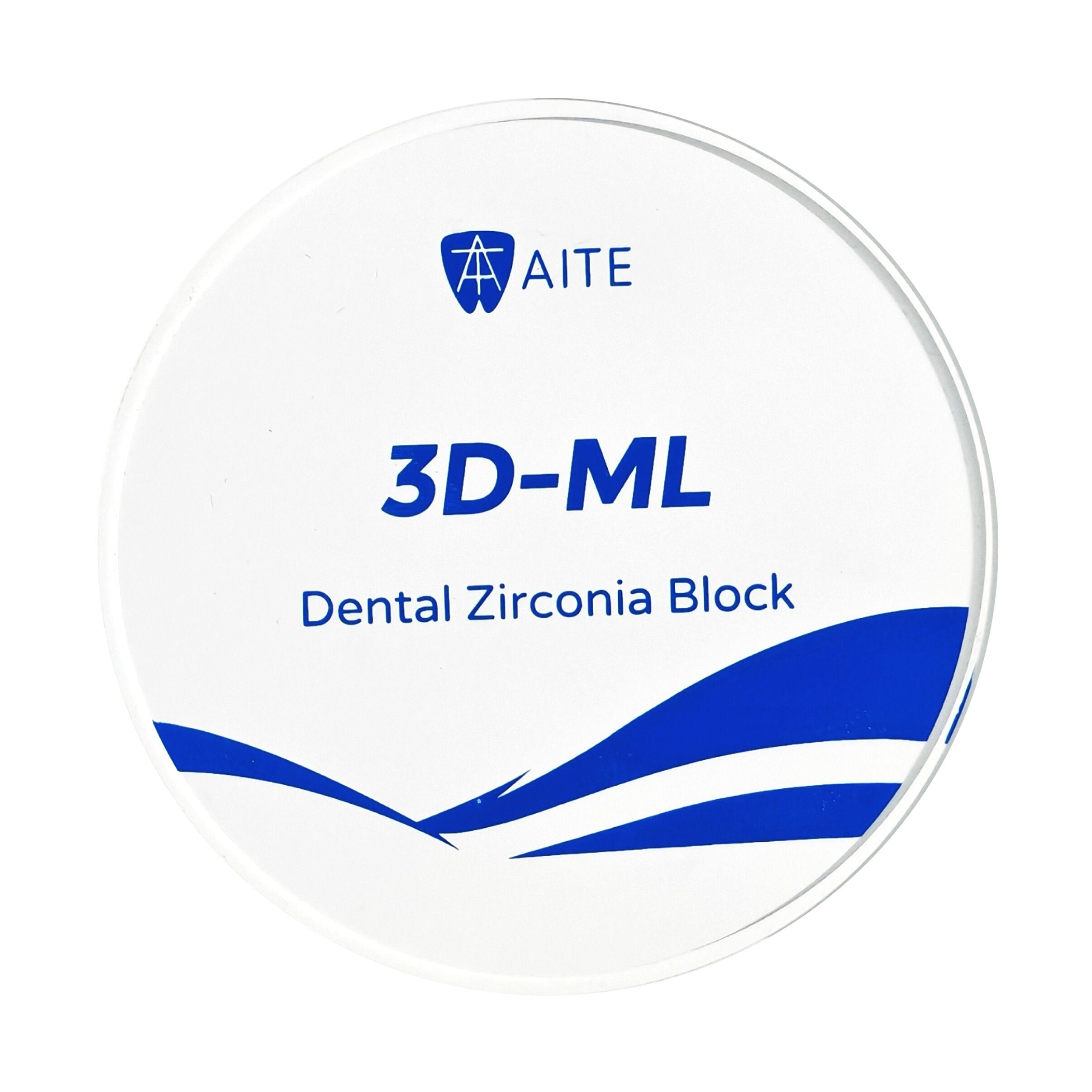
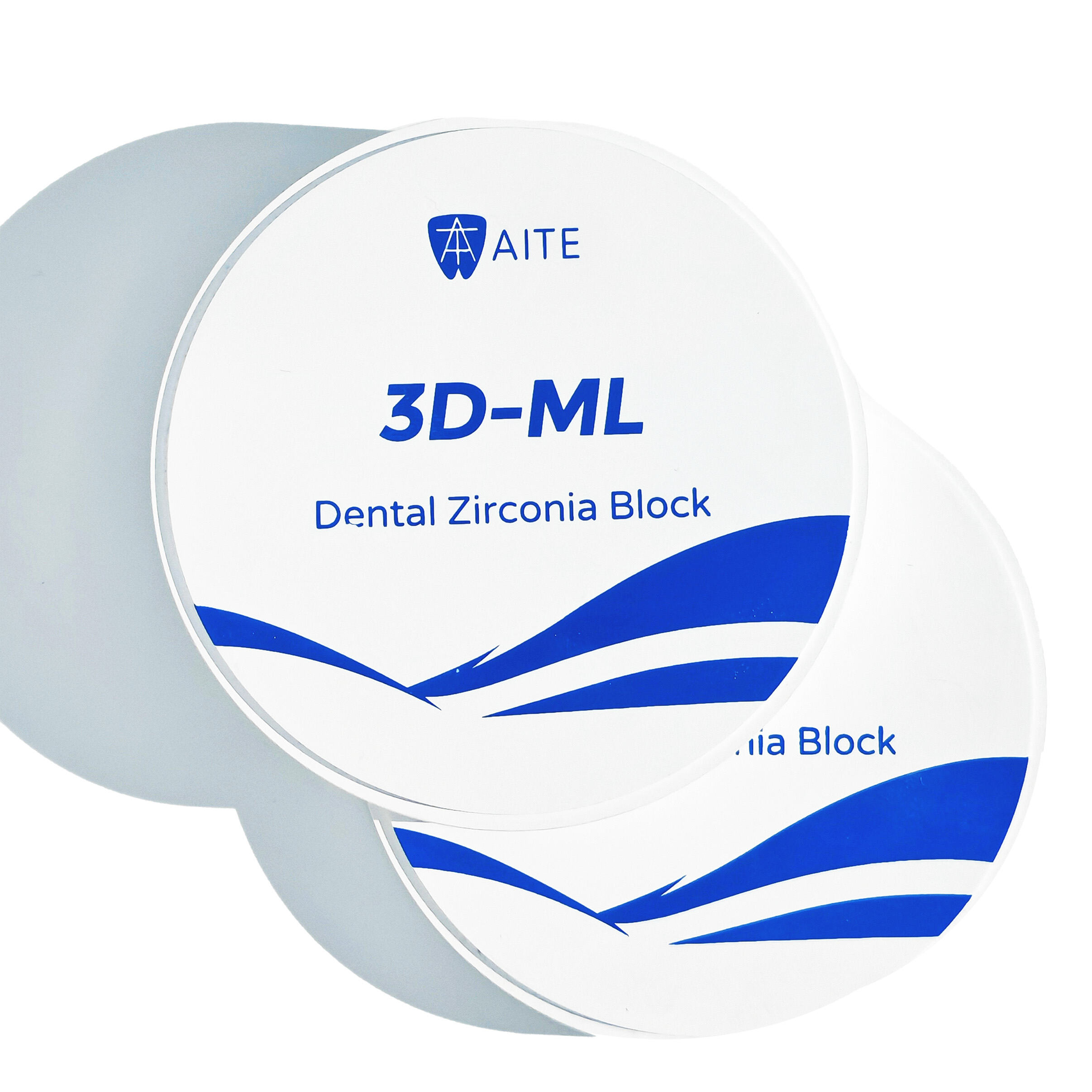
multilayer zirconia blocks
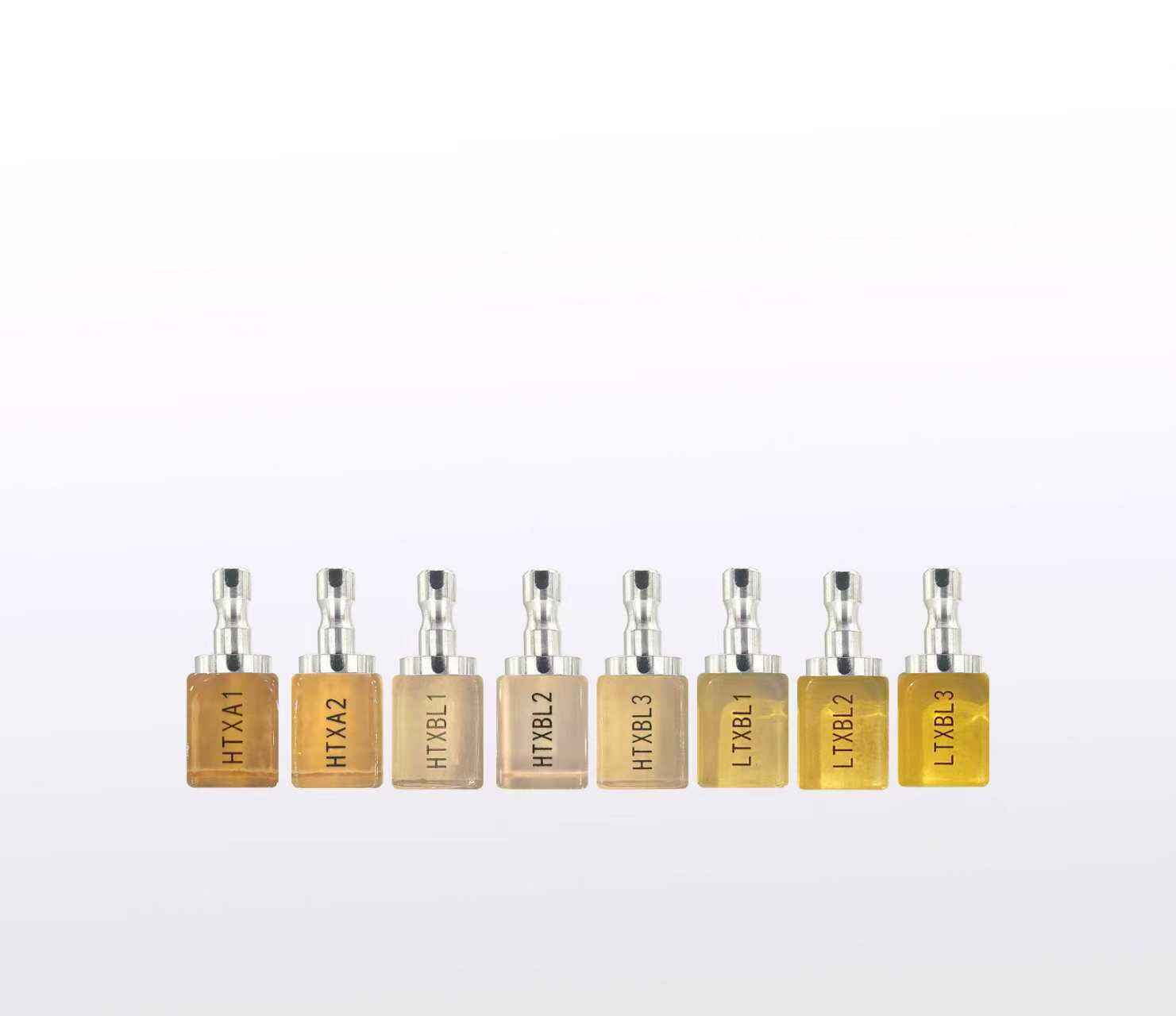
Multilayer zirconia blocks represent a revolutionary advancement in dental restoration technology, offering superior strength, aesthetics, and functionality for modern prosthetic dentistry. These innovative ceramic materials feature a sophisticated gradient structure that mimics the natural tooth composition, with varying translucency levels from the cervical to incisal regions. The multilayer design incorporates different zirconia formulations strategically positioned to replicate the optical properties of natural teeth while maintaining exceptional mechanical strength. The cervical layer provides enhanced opacity for effective masking of dark substrates, while the middle layers offer balanced translucency for realistic light transmission. The incisal layer delivers maximum translucency, creating natural-looking edge effects that seamlessly blend with surrounding dentition. Manufacturing these multilayer zirconia blocks involves advanced powder processing techniques and controlled sintering protocols that ensure optimal density and microstructure uniformity. The technological features include pre-crystallized cubic zirconia phases that provide enhanced translucency without compromising strength, along with carefully calibrated thermal expansion coefficients that minimize internal stress during processing. These blocks are specifically engineered for CAD/CAM systems, featuring precise dimensional stability and consistent material properties throughout the entire block structure. The applications of multilayer zirconia blocks span various restorative procedures including single crowns, bridges, implant-supported restorations, and extensive rehabilitations. Dental technicians appreciate the predictable milling characteristics and reduced finishing requirements, while clinicians value the excellent marginal fit and long-term durability. The blocks are available in multiple shade options and sizes to accommodate diverse clinical needs, from anterior aesthetic cases requiring maximum translucency to posterior restorations demanding superior strength. The innovative layering technology eliminates the need for manual layering techniques, significantly reducing laboratory time and ensuring consistent results across multiple restorations.

 EN
EN