high translucent zirconia blocks
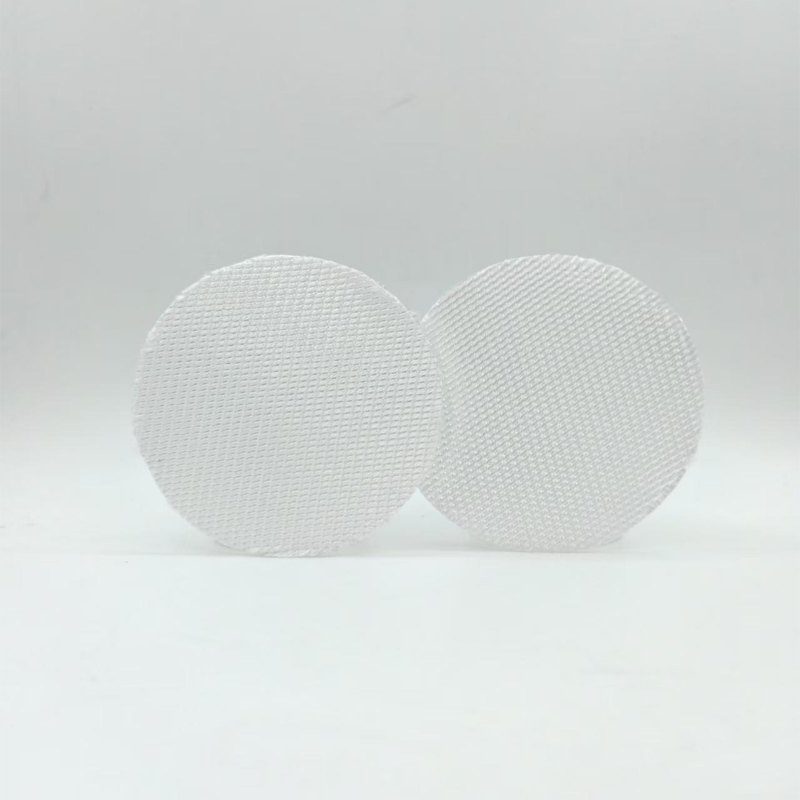
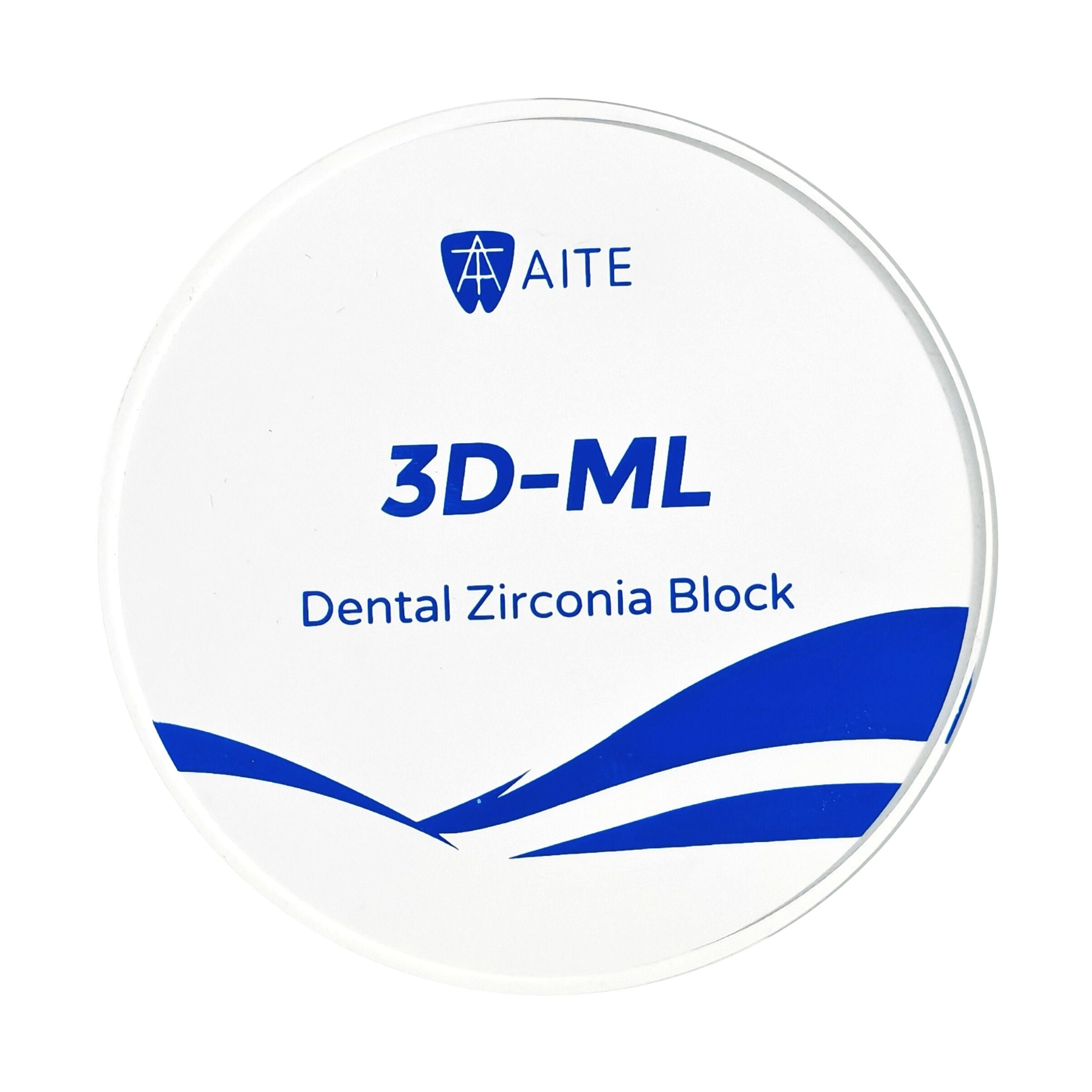
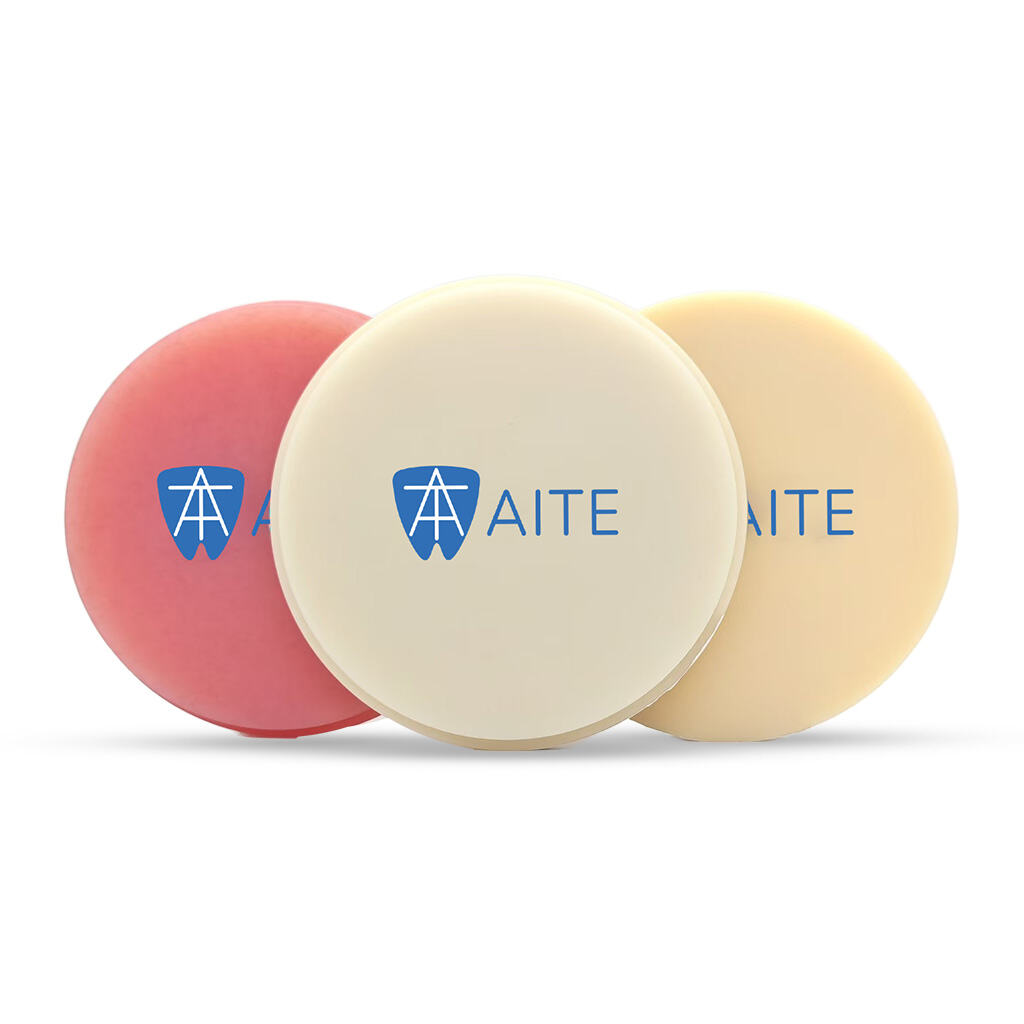
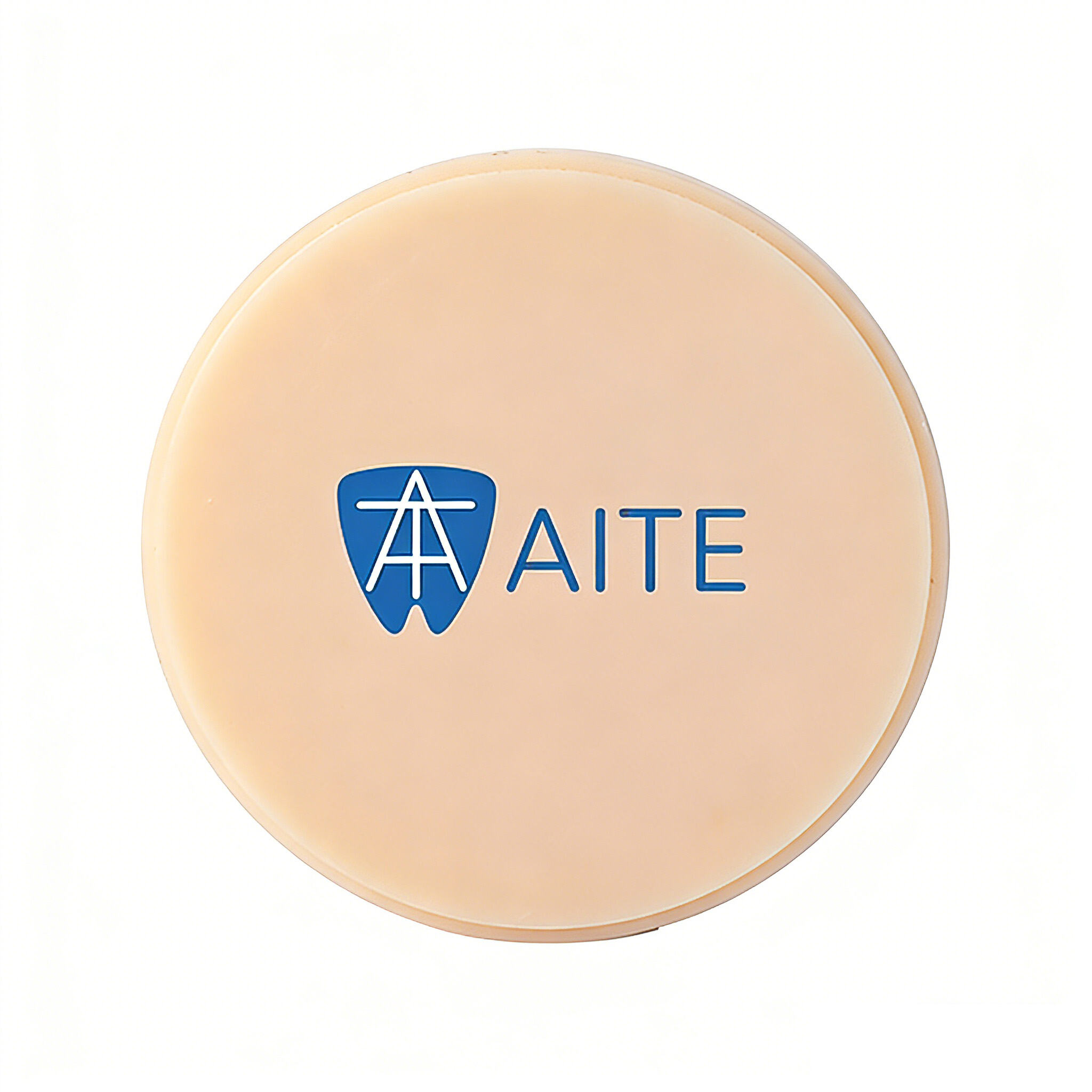
High translucent zirconia blocks represent a revolutionary advancement in dental restoration materials, combining exceptional strength with outstanding aesthetic properties. These advanced ceramic blocks are engineered using cutting-edge manufacturing processes that optimize the crystal structure of zirconia, resulting in materials that offer superior light transmission while maintaining the durability that zirconia is renowned for. The main function of high translucent zirconia blocks lies in their ability to create dental restorations that closely mimic the natural appearance of teeth while providing long-lasting performance. These blocks serve as the raw material for crafting crowns, bridges, veneers, and other prosthetic devices that require both mechanical strength and visual appeal. The technological features of high translucent zirconia blocks include a refined microstructure that allows for enhanced light penetration, creating restorations with lifelike depth and vitality. The manufacturing process involves precise control of grain size and composition, resulting in materials that exhibit reduced opacity compared to traditional zirconia formulations. Advanced sintering techniques ensure uniform density throughout the block, eliminating weak points that could compromise restoration integrity. The applications of high translucent zirconia blocks span across various dental specialties, from general restorative dentistry to complex prosthodontic cases. These materials excel in anterior restorations where aesthetics are paramount, yet they possess sufficient strength for posterior applications where chewing forces are significant. Dental laboratories utilize these blocks with CAD/CAM systems to fabricate precise restorations that require minimal adjustment during placement. The versatility of high translucent zirconia blocks makes them suitable for single-tooth restorations as well as multi-unit bridges, providing dental professionals with a reliable solution for diverse clinical scenarios. Their biocompatibility ensures patient safety while their resistance to staining and wear maintains long-term aesthetic results.

 EN
EN