quality dental lithium disilicate glass ceramic
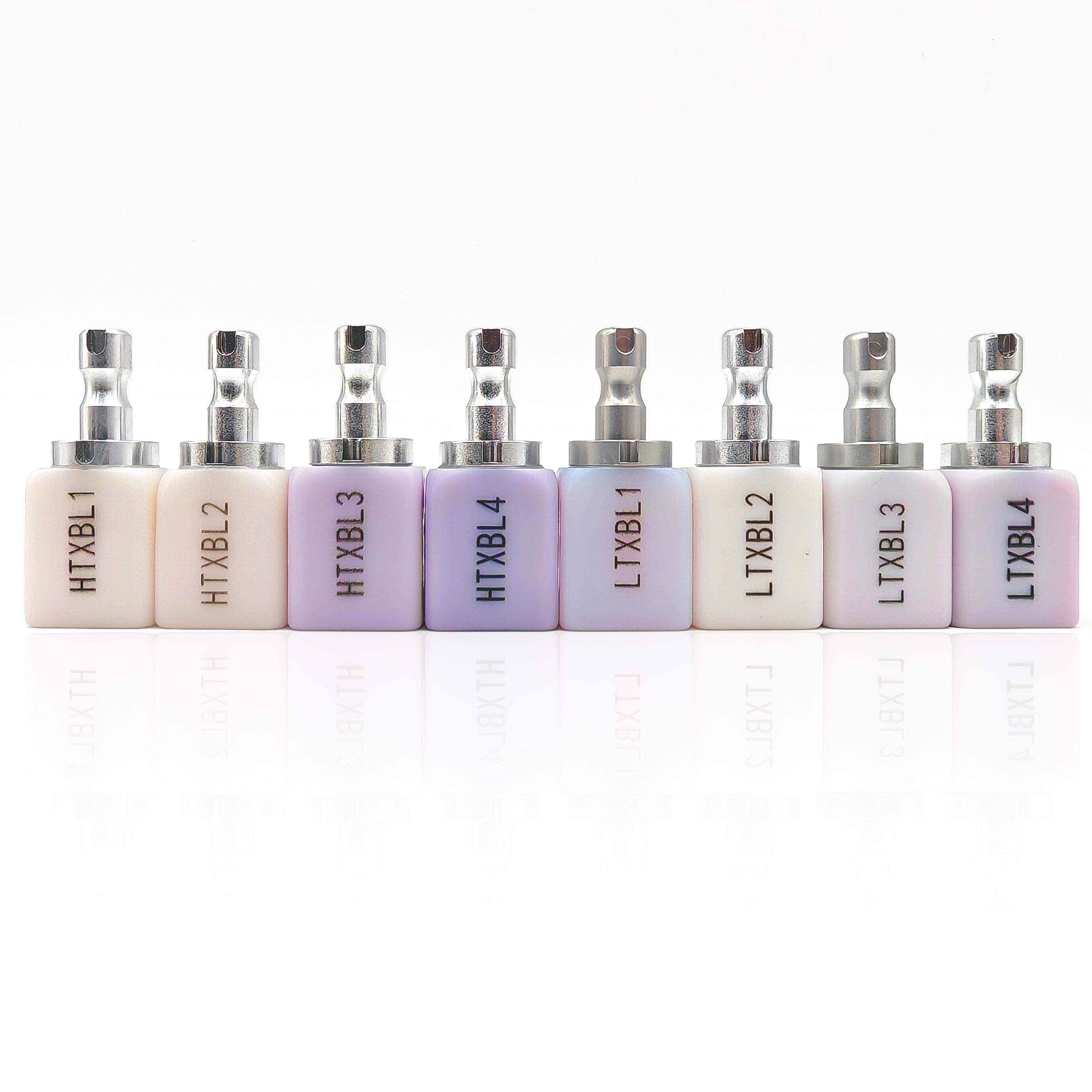
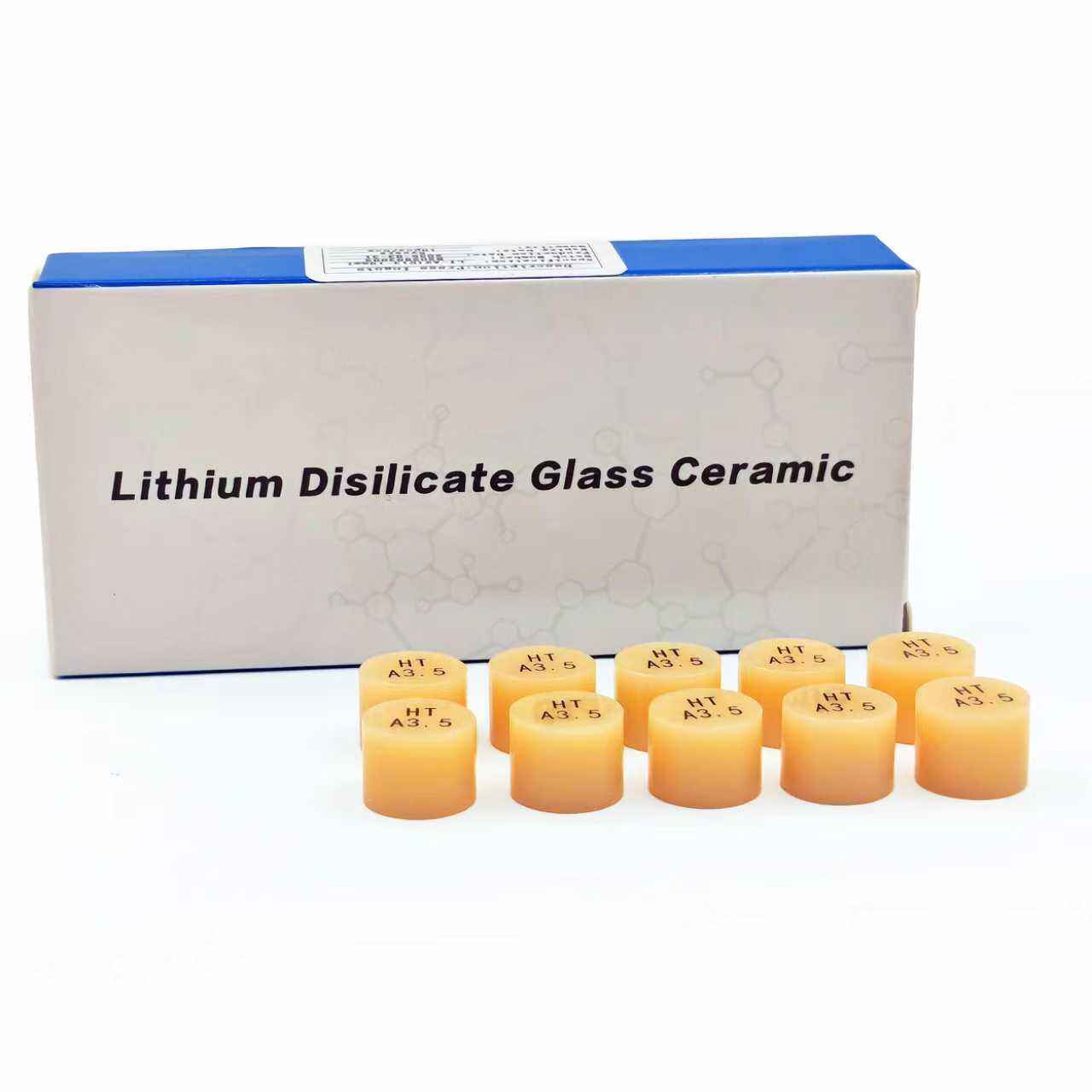
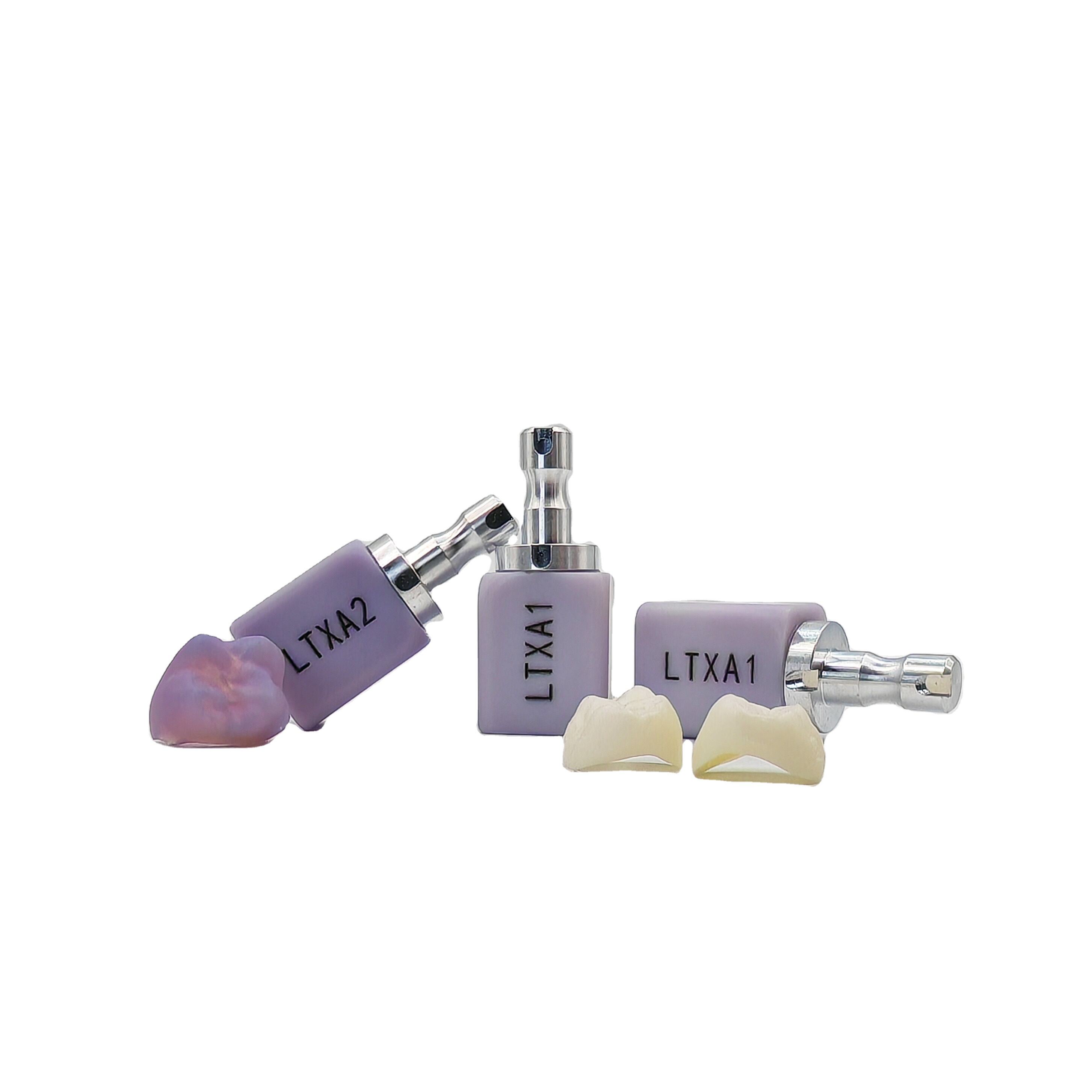
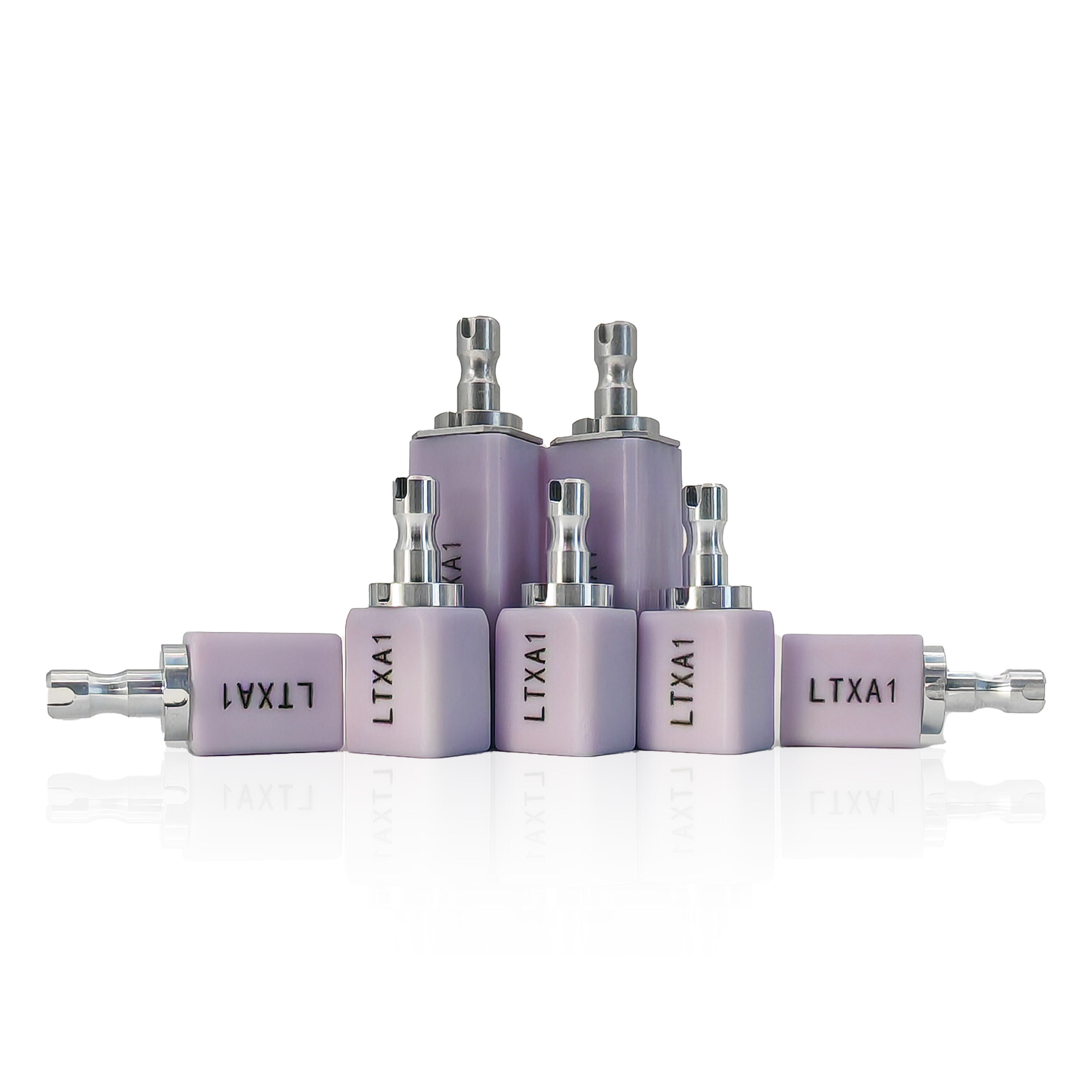
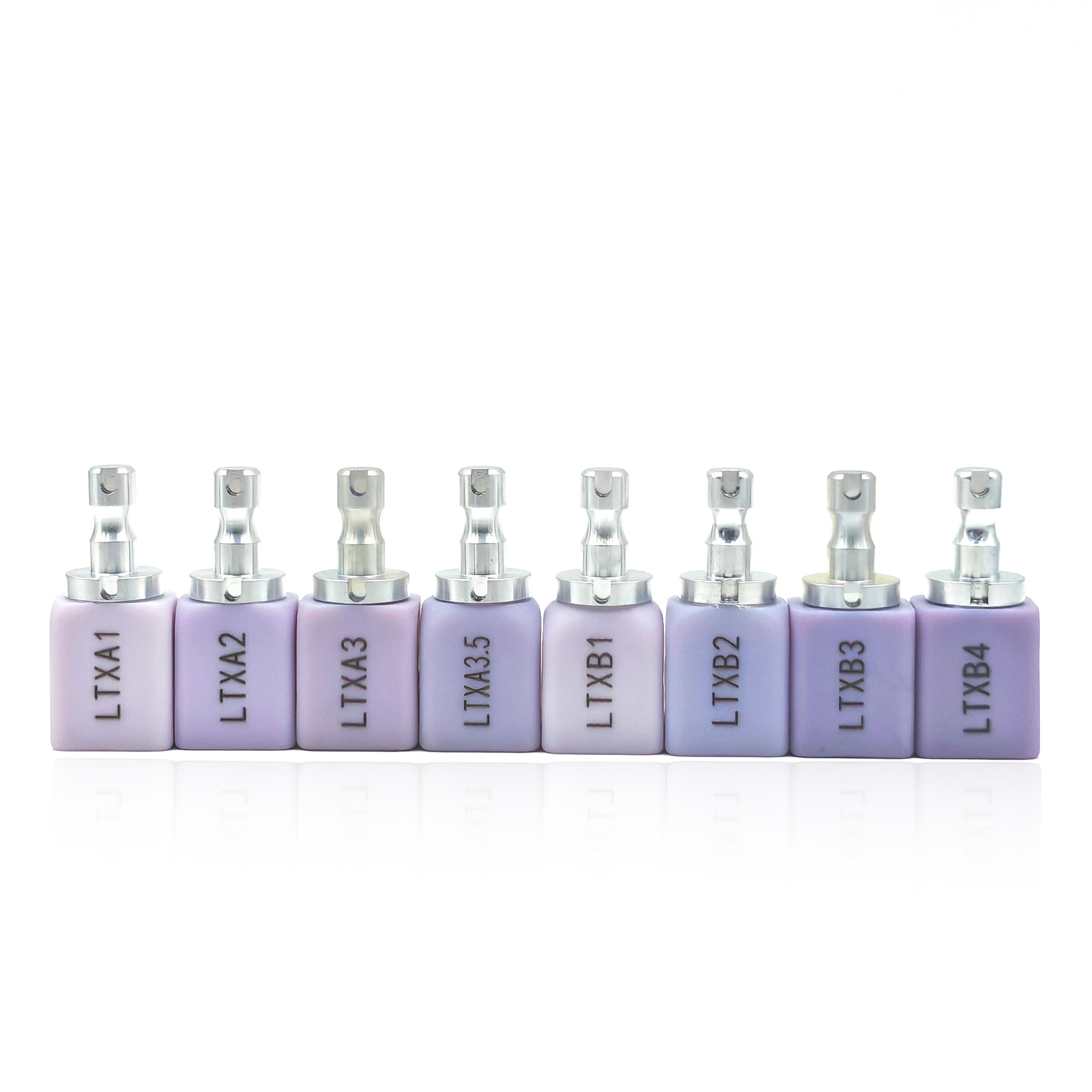
Quality dental lithium disilicate glass ceramic represents a revolutionary advancement in modern restorative dentistry, offering exceptional performance characteristics that have transformed dental restoration procedures. This innovative material combines the aesthetic appeal of natural teeth with superior mechanical properties, making it an ideal choice for various dental applications. The quality dental lithium disilicate glass ceramic is engineered through a sophisticated manufacturing process that involves controlled crystallization of lithium disilicate crystals within a glass matrix, resulting in a material that exhibits remarkable strength and translucency. The primary functions of this ceramic material include providing durable crowns, veneers, inlays, onlays, and bridges that seamlessly integrate with natural dental structures. Its technological features encompass high flexural strength exceeding 400 MPa, excellent biocompatibility, and superior optical properties that mimic natural tooth enamel. The material's unique microstructure consists of interlocking lithium disilicate crystals that measure approximately 1-5 micrometers in length, creating a robust framework that resists crack propagation and fracture. Applications of quality dental lithium disilicate glass ceramic span across multiple dental specialties, including cosmetic dentistry, prosthodontics, and general restorative procedures. Dental professionals appreciate its versatility in treating anterior and posterior teeth, while patients benefit from restorations that provide long-lasting functionality and natural appearance. The ceramic's chemical stability ensures resistance to oral fluids and dietary acids, maintaining its integrity over extended periods. Advanced CAD/CAM compatibility allows for precise digital workflows, enabling efficient fabrication of custom restorations with minimal chair time. The material's thermal expansion coefficient closely matches that of natural tooth structure, reducing stress concentration at restoration margins and enhancing long-term clinical success rates.

 EN
EN