
 EN
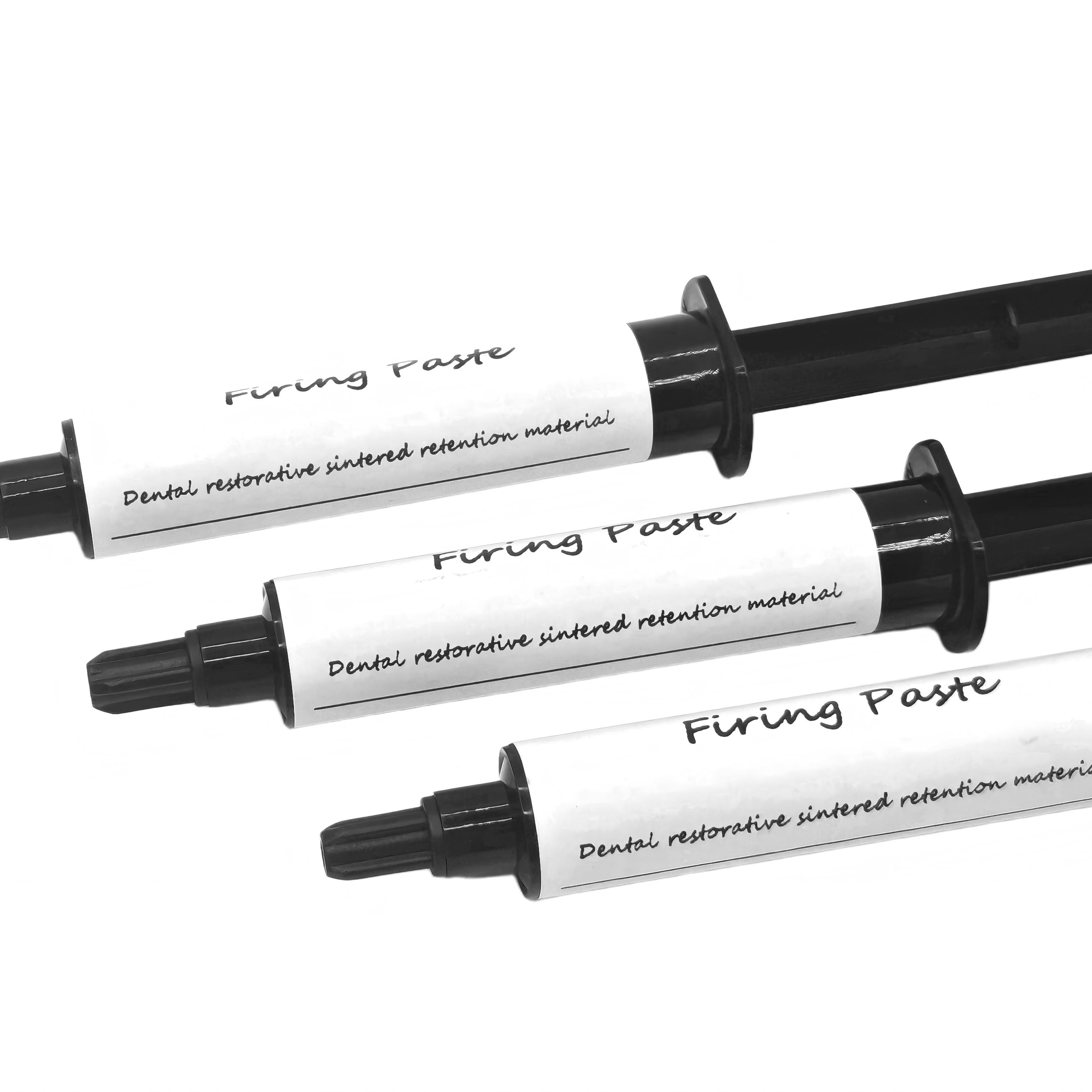
Zirconia has become one of the most popular materials in modern restorative dentistry, prized for its strength, aesthetics, and biocompatibility. However, the success of zirconia restorations depends heavily on the processing techniques used during fabrication, particularly the firing procedures. Understanding whether your chosen dental firing paste is compatible with zirconia is critical for achieving optimal results in the dental laboratory.
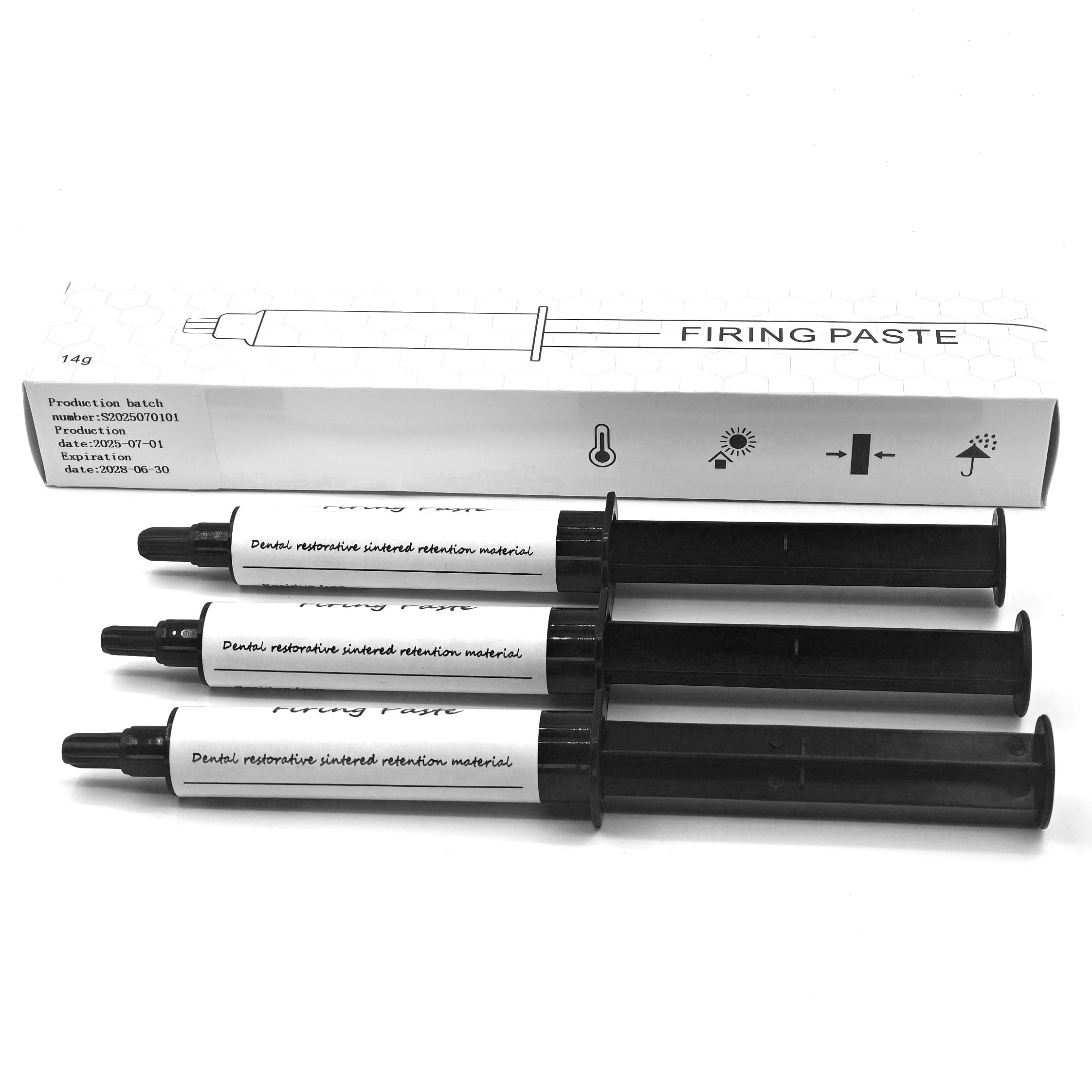
The relationship between dental firing paste and zirconia restoration success involves multiple technical considerations. Zirconia undergoes significant transformations during high-temperature firing processes, and the support system you use—including the dental firing paste—directly influences the final quality, dimensional stability, and structural integrity of your restorations. This comprehensive guide explores the critical compatibility factors between dental firing paste and zirconia.
Understanding Zirconia Processing and Dental Firing Paste
The Role of Dental Firing Paste in Zirconia Fabrication
Dental firing paste serves as a crucial support medium during the high-temperature sintering process for zirconia restorations. When zirconia is exposed to firing temperatures—typically ranging from 1400 to 1600 degrees Celsius—it requires a stable base to prevent warping, sticking, or unwanted interactions with kiln furniture. The dental firing paste provides this essential support by creating an inert barrier that protects restorations while allowing controlled heat transfer throughout the sintering chamber.
The composition and thermal characteristics of your chosen dental firing paste directly affect how zirconia responds to firing temperatures. Incompatible dental firing paste can lead to color variations, surface defects, dimensional inaccuracies, and structural compromises in your finished zirconia restorations. Selecting the right dental firing paste ensures that your zirconia maintains its crystalline structure, color stability, and mechanical properties during this critical phase of the manufacturing process.
Material Science Behind Compatibility
Zirconia's stabilized crystalline structure is sensitive to thermal stress and chemical interactions during firing. Dental firing paste must possess specific chemical and thermal properties to ensure compatibility with zirconia. The ideal dental firing paste should have a thermal expansion coefficient that closely matches zirconia's expansion rate, preventing mechanical stress that could cause surface crazing or dimensional instability.
Additionally, dental firing paste should be chemically inert relative to zirconia at firing temperatures. Any reactive components in the dental firing paste could create undesirable surface reactions, affecting the aesthetic appearance and functional performance of your zirconia restorations. High-quality dental firing paste formulations are specifically engineered to maintain chemical stability while providing optimal thermal support for zirconia during the sintering cycle.
Critical Compatibility Factors Between Dental Firing Paste and Zirconia
Thermal Expansion Matching
One of the most important compatibility considerations is thermal expansion coefficient alignment. Dental firing paste and zirconia must expand and contract at similar rates throughout the firing cycle. When thermal expansion coefficients mismatch significantly, the dental firing paste and zirconia experience different dimensional changes, creating internal stresses that manifest as surface defects, cracks, or warping in your finished restorations.
Professional dental laboratories carefully select dental firing paste products that specify compatibility with zirconia materials. Many manufacturers now provide technical data sheets indicating the thermal expansion characteristics of their dental firing paste formulations, allowing technicians to verify compatibility before committing to a particular product for their zirconia manufacturing processes.
Surface Interaction and Chemical Stability
The surface interface between dental firing paste and zirconia requires careful attention. During high-temperature firing, any chemical components in the dental firing paste that are not thermally stable could potentially diffuse into or react with the zirconia surface layer. This reaction can create surface discoloration, texture changes, or altered light reflection properties that compromise the aesthetic quality of your zirconia restorations.
High-quality dental firing paste products undergo rigorous testing to ensure minimal surface interaction with zirconia at all firing temperatures. The best dental firing paste options maintain a clean separation from zirconia throughout the entire thermal cycle, preventing any unintended chemical exchanges that could compromise restoration quality or clinical performance.
Particle Size and Distribution
The particle size and distribution characteristics of dental firing paste significantly influence its compatibility with zirconia. Finely milled dental firing paste particles distribute more evenly across kiln shelves and provide more consistent support for zirconia restorations. Larger or irregularly distributed particles in dental firing paste can create uneven heat distribution, leading to differential sintering rates across your zirconia restorations and resulting in warping or color variations.
Dental laboratories that prioritize consistent quality typically invest in premium dental firing paste products that feature carefully controlled particle sizes and consistent distribution patterns. This investment directly translates to more predictable zirconia sintering results and fewer defective restorations requiring rework.
Optimizing Zirconia Restoration Success with Proper Dental Firing Paste Selection
Best Practices for Dental Firing Paste Application
Proper application technique maximizes the benefits of compatible dental firing paste for zirconia processing. Begin by ensuring your kiln shelves are clean and free from residual firing paste or debris that could interfere with new applications. Apply dental firing paste in an even, consistent layer across the kiln shelf surface, creating a uniform foundation for your zirconia restorations.
When positioning zirconia restorations on dental firing paste, avoid direct contact whenever possible. Many dental laboratories place zirconia on small alumina spacers or custom-shaped dental firing paste supports that elevate restorations slightly above the shelf surface. This approach minimizes potential surface contact issues while dental firing paste still provides thermal buffering and support throughout the firing cycle.
Monitoring and Quality Control
Experienced dental laboratories establish quality control procedures specifically focused on dental firing paste and zirconia compatibility outcomes. After completing each firing cycle, examine your zirconia restorations carefully for any surface defects, color variations, or dimensional inconsistencies that might indicate dental firing paste compatibility issues. Document firing conditions, including peak temperature, hold time, and heating rates, to correlate any problems with specific dental firing paste batches or application techniques.
Maintaining detailed records allows you to identify patterns that might suggest dental firing paste compatibility concerns. If particular batches of dental firing paste consistently produce inferior results, consider evaluating alternative compatible products. Many dental laboratories find that switching to premium dental firing paste formulations specifically formulated for zirconia compatibility eliminates recurring quality issues and improves overall production efficiency.
FAQ
Is all dental firing paste compatible with zirconia?
No, not all dental firing paste products are equally compatible with zirconia. Different dental firing paste formulations have varying thermal expansion coefficients and chemical compositions. To ensure optimal results, select dental firing paste specifically recommended by your zirconia material supplier or products labeled as zirconia-compatible. Using incompatible dental firing paste can result in surface defects, warping, and color variations in your finished restorations.
Can dental firing paste cause discoloration on zirconia restorations?
Yes, incompatible or low-quality dental firing paste can contribute to discoloration on zirconia restorations. Chemical reactions between reactive components in dental firing paste and the zirconia surface at high temperatures may create unwanted color changes. Additionally, improper contact between zirconia and dental firing paste can leave visible marks or stains. Using high-quality, zirconia-compatible dental firing paste and proper application techniques minimizes these aesthetic concerns.
How should dental firing paste be removed from zirconia after firing?
After firing completes and restorations cool completely, dental firing paste residue can usually be gently removed using soft brushes, abrasive pads, or specialized cleaning solutions designed for dental laboratory use. Avoid aggressive mechanical removal that could scratch or damage the zirconia surface. For stubborn residue, consult the specific recommendations from your dental firing paste manufacturer, as different formulations may respond differently to various cleaning approaches. Some laboratories prefer preventative measures like shelf separators to minimize direct firing paste contact.