
 EN
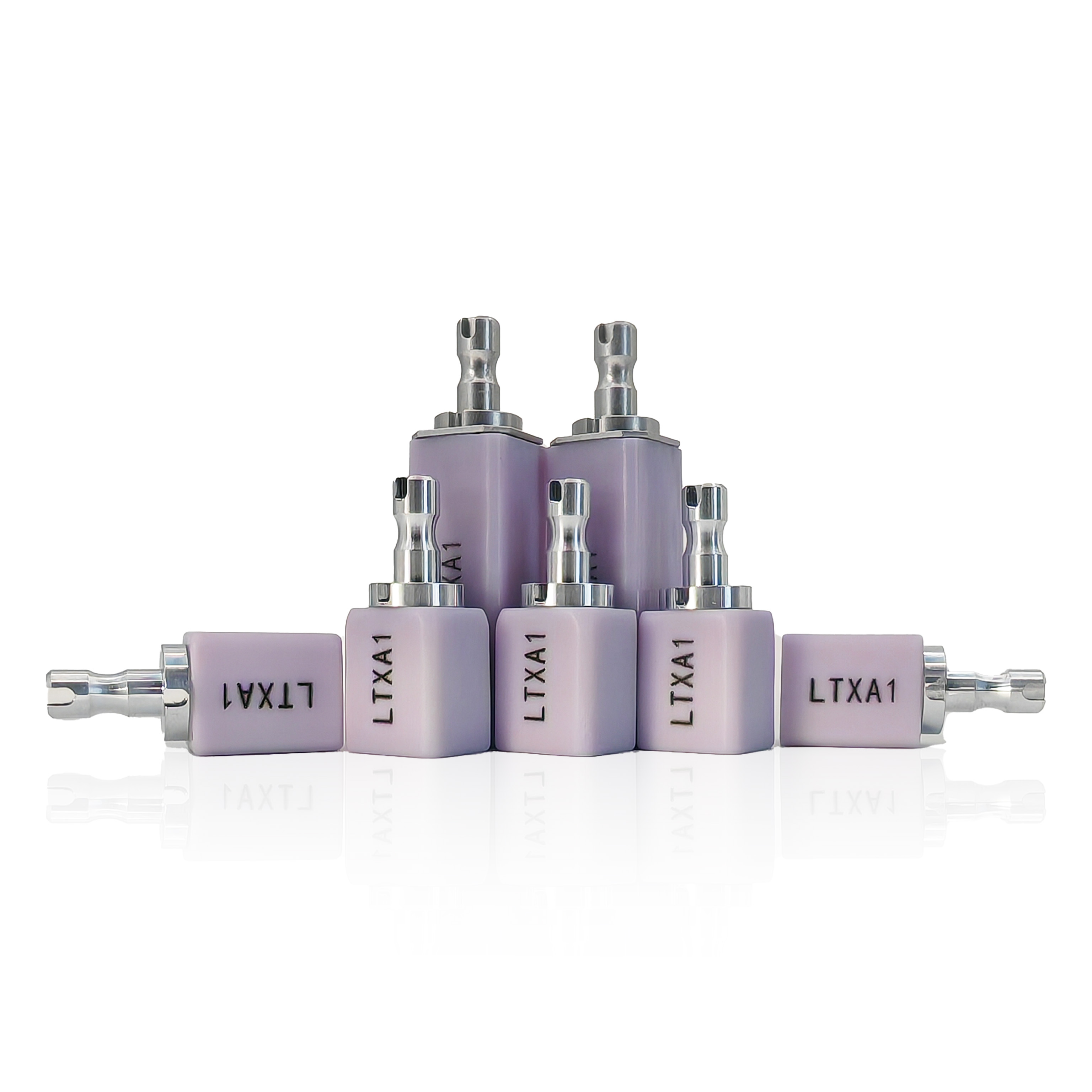
Dental glass ceramic has become an essential material in modern restorative dentistry, particularly within CAD/CAM systems that deliver precision-milled restorations. The rise of digital dentistry has transformed how clinicians approach crown and veneer fabrication, and dental glass ceramic stands at the forefront of this innovation. This material combines the aesthetic appeal of traditional ceramics with the strength and predictability required for long-term clinical success. Understanding how dental glass ceramic integrates into CAD/CAM workflows is crucial for practices seeking to enhance their restorative capabilities and patient outcomes.
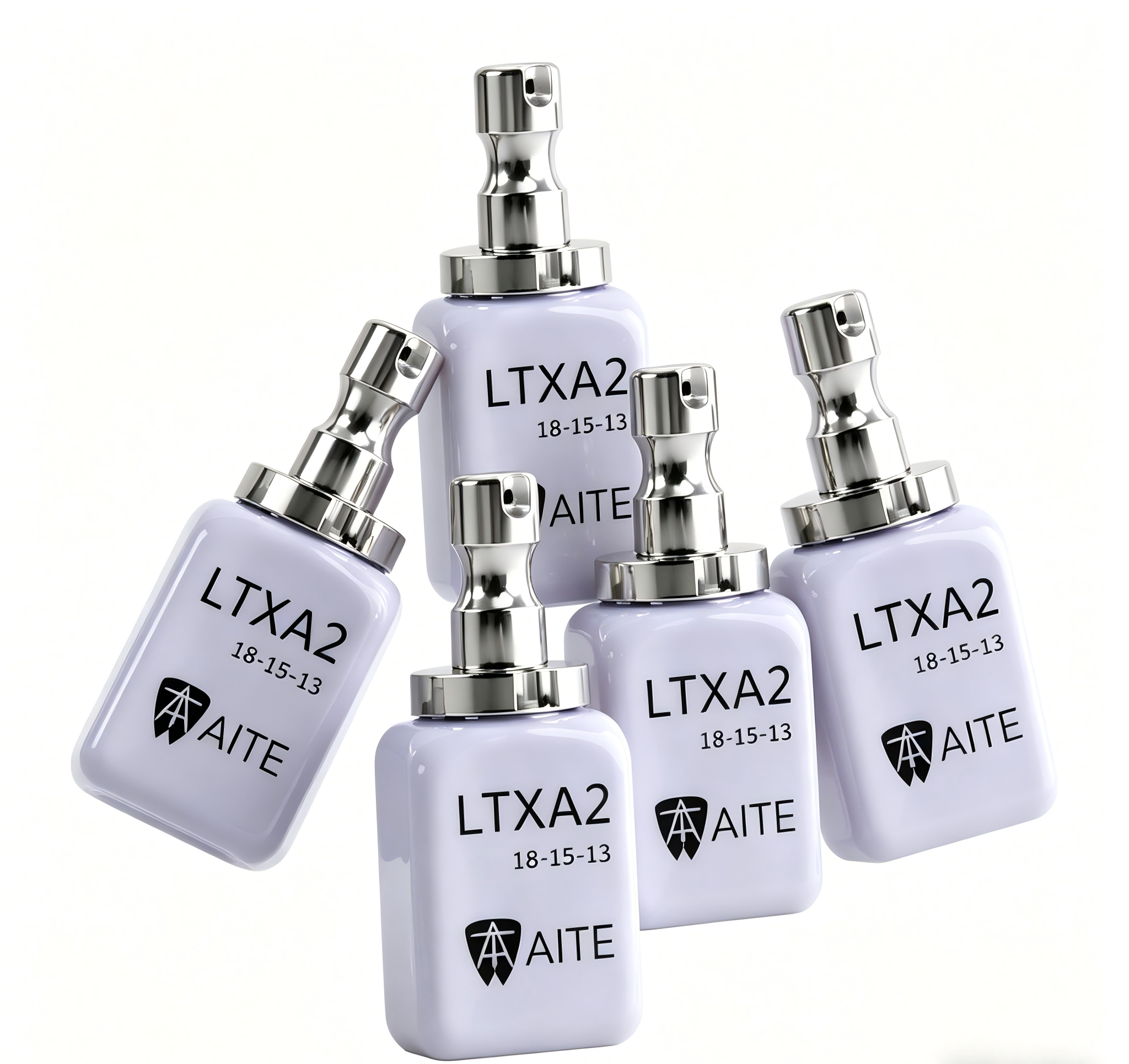
The adoption of dental glass ceramic within CAD/CAM systems has grown significantly over the past decade, driven by improvements in material science and milling technology. Dental glass ceramic blocks are specifically engineered to work seamlessly with computer-aided design and computer-aided manufacturing platforms, ensuring consistent quality and reducing chairside adjustments. Practitioners and laboratory technicians recognize that dental glass ceramic delivers superior esthetics compared to metal-based alternatives while maintaining the strength needed for posterior applications. This comprehensive guide explores the properties, applications, and clinical advantages of dental glass ceramic in CAD/CAM dentistry.
What Defines Dental Glass Ceramic in CAD/CAM Applications
Composition and Material Structure
Dental glass ceramic is a crystalline material created through controlled crystallization of glass, producing a composite structure with both crystalline and glassy phases. The balance between these phases gives dental glass ceramic its unique combination of strength, toughness, and aesthetic qualities. Dental glass ceramic typically contains lithium disilicate crystals embedded in a glass matrix, which provides enhanced fracture resistance and wear resistance. This microstructure makes dental glass ceramic ideal for milling into precise restoration geometries, as the material maintains dimensional accuracy throughout the manufacturing process. The specific composition of dental glass ceramic has been refined over years of research to optimize performance in clinical environments.
Integration with Digital Dentistry Platforms
Dental glass ceramic blocks are manufactured to strict specifications that ensure compatibility with all major CAD/CAM milling units and digital design software. The material's homogeneous structure allows milling machines to produce restorations with fine margins and accurate internal contours without material chipping or delamination. Dental glass ceramic responds predictably to milling parameters, enabling faster fabrication times compared to traditional laboratory methods. The availability of dental glass ceramic in various shades and translucencies allows digital design software to recommend optimal material selections based on clinical requirements. Modern dental glass ceramic has been engineered specifically to leverage the precision capabilities of CAD/CAM technology.
Clinical Advantages of Dental Glass Ceramic in CAD/CAM Restorations
Aesthetic Excellence and Natural Appearance
One of the primary reasons clinicians choose dental glass ceramic is its exceptional ability to replicate natural tooth structure and appearance. Dental glass ceramic blocks offer high translucency that allows light to pass through the restoration similar to natural enamel and dentin. The optical properties of dental glass ceramic can be further enhanced through careful shade selection and minimal staining techniques, creating restorations that blend seamlessly with adjacent teeth. Patients consistently report higher satisfaction with the aesthetic outcomes of dental glass ceramic restorations compared to other material options. This aesthetic superiority has made dental glass ceramic the preferred choice in the anterior region where appearance demands are highest.
Strength, Durability, and Longevity
Dental glass ceramic demonstrates excellent flexural strength and fracture toughness, making it suitable for both anterior and carefully selected posterior applications. The crystalline structure of dental glass ceramic provides resistance to chipping and cracking during normal mastication, contributing to long-term restoration durability. Clinical studies show that dental glass ceramic restorations maintain their integrity over extended periods when properly designed and cemented. The material's resistance to abrasion protects opposing natural teeth from accelerated wear. Dental glass ceramic also exhibits minimal microcracking, which reduces the risk of secondary caries and restoration failure.
Milling Precision and Fit Accuracy
The homogeneous nature of dental glass ceramic allows CAD/CAM systems to mill margins with exceptional precision, typically achieving marginal gaps below 50 microns. This level of accuracy reduces the need for chairside adjustments and improves the initial fit of the restoration. Dental glass ceramic maintains its dimensional stability throughout the milling and sintering processes, ensuring that the finished restoration closely matches the digital design. The material's predictable milling characteristics allow technicians to optimize milling strategies for consistent results across all restorations. Superior fit quality with dental glass ceramic reduces cement excess and improves the long-term health of supporting tissues.
Material Handling and Processing Considerations
Milling and Finishing Protocols
Dental glass ceramic requires specific milling parameters that differ from other CAD/CAM materials, and understanding these requirements ensures optimal results. The cutting speed, feed rate, and tool selection for dental glass ceramic have been refined through extensive laboratory testing and clinical validation. After milling, dental glass ceramic restorations may require sintering to achieve final strength properties, which is performed according to manufacturer specifications and material-specific timing protocols. Finishing and adjustments to dental glass ceramic can be performed with standard dental burs, though care must be taken to avoid stress concentrations that could compromise long-term performance. Professional training on dental glass ceramic handling ensures consistent quality across all restorations produced by the laboratory.
Cementation and Clinical Delivery
Dental glass ceramic restorations should be cemented using resin-based cements or glass-ionomer cements, depending on the clinical situation and the underlying tooth structure. Surface conditioning of dental glass ceramic with hydrofluoric acid or specialized primers enhances bond strength between the restoration and luting cement. The cementation technique for dental glass ceramic requires careful isolation and moisture control to ensure optimal results and long-term restoration success. Proper application of resin cement creates a durable seal that prevents microleakage and extends restoration longevity. Following manufacturer recommendations for dental glass ceramic cementation protocols is essential for achieving the material's full clinical potential.
Selection Criteria for Dental Glass Ceramic in CAD/CAM Systems
Clinical Scenario Evaluation
Dental glass ceramic is ideally suited for anterior restorations, veneers, and inlays where aesthetic demands and loading forces are moderate. The material performs exceptionally well in cases where patients require highly aesthetic restorations with predictable outcomes. Dental glass ceramic may be selected for posterior crowns in patients with low parafunctional habits and controlled occlusal forces. Case selection for dental glass ceramic should consider patient age, oral hygiene, bite force, and aesthetic priorities. Careful patient evaluation ensures that dental glass ceramic is matched to appropriate clinical scenarios where the material can deliver optimal results.
Patient-Specific Factors
Patient preferences regarding restoration appearance, durability, and treatment cost influence whether dental glass ceramic is recommended as the primary restorative option. Patients seeking metal-free restorations often prefer dental glass ceramic for its natural appearance and biocompatibility. The investment in dental glass ceramic technology is worthwhile for practices that prioritize aesthetic outcomes and patient satisfaction. Patients with compromised periodontal health or challenging oral hygiene may benefit from the long-term durability that dental glass ceramic provides. Understanding patient goals and expectations helps clinicians determine whether dental glass ceramic aligns with treatment objectives and patient needs.
FAQ
What is the difference between dental glass ceramic and other CAD/CAM materials?
Dental glass ceramic combines superior aesthetics with excellent strength through its unique crystalline-glass composite structure. Unlike zirconia, which is opaque and requires layering for aesthetics, dental glass ceramic achieves natural appearance through its inherent translucency. Unlike traditional pressed ceramics, dental glass ceramic can be precisely milled in CAD/CAM systems without additional layering steps. Dental glass ceramic offers better marginal accuracy than many laboratory-processed alternatives due to the digital precision of milling technology. The choice between dental glass ceramic and other materials depends on specific clinical requirements, aesthetic goals, and case complexity.
Can dental glass ceramic be used for posterior restorations and crowns?
Dental glass ceramic can be used for posterior restorations in carefully selected cases where occlusal forces are controlled and patient factors are favorable. Posterior applications of dental glass ceramic include inlays and onlays, where loading is moderate and the restoration design distributes forces effectively. Some practitioners successfully use dental glass ceramic for posterior crowns in patients without severe bruxism or heavy bite forces. The material's strength properties support posterior use, though zirconia may be preferred in high-stress situations. Consultation with material specifications and individual case assessment determines the appropriateness of dental glass ceramic for each posterior application.
How does the cost of dental glass ceramic compare to other CAD/CAM options?
Dental glass ceramic blocks typically cost more than some composite or zirconia alternatives but offer superior aesthetics that justify the investment in many clinical situations. The fabrication time for dental glass ceramic is often shorter than traditional laboratory methods, which can offset material costs through improved efficiency. Laboratory fees for dental glass ceramic restorations reflect the quality of the material and the precision of the milling process required for optimal results. Practices that prioritize aesthetic outcomes and patient satisfaction often find that the added cost of dental glass ceramic is justified by improved patient perception and clinical longevity. Cost-benefit analysis should consider both material expense and the value delivered through superior aesthetic and clinical results.