
 EN
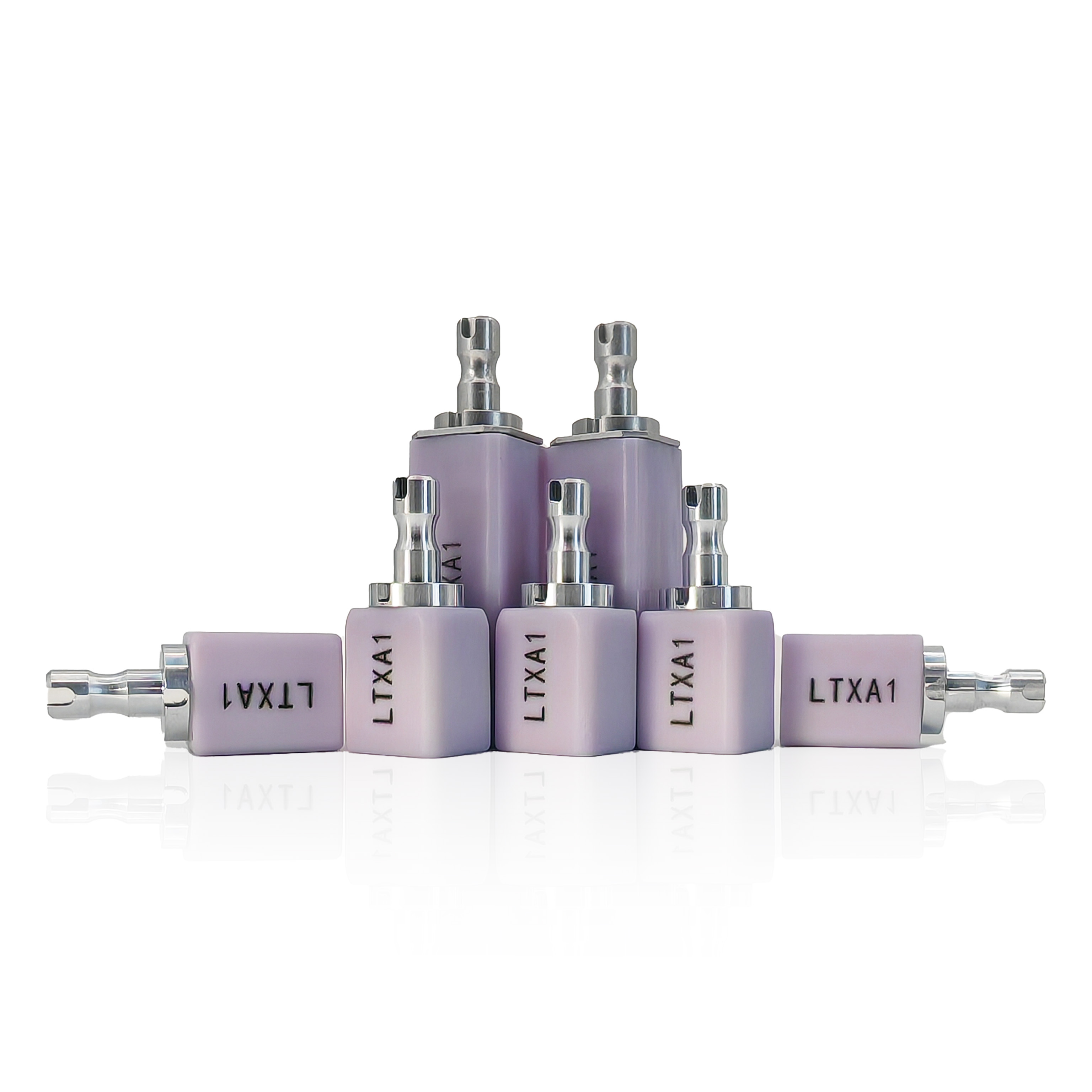
Dental glass ceramic has emerged as one of the most reliable and aesthetically superior materials in modern restorative dentistry. Practitioners and patients alike want to understand whether dental glass ceramic can truly withstand the demands of daily chewing, temperature fluctuations, and years of clinical use. The durability of dental glass ceramic is not merely a theoretical concern; it directly impacts treatment outcomes, patient satisfaction, and the long-term success of restorations. Understanding how dental glass ceramic performs in real-world clinical situations is essential for making informed treatment decisions and setting appropriate patient expectations.
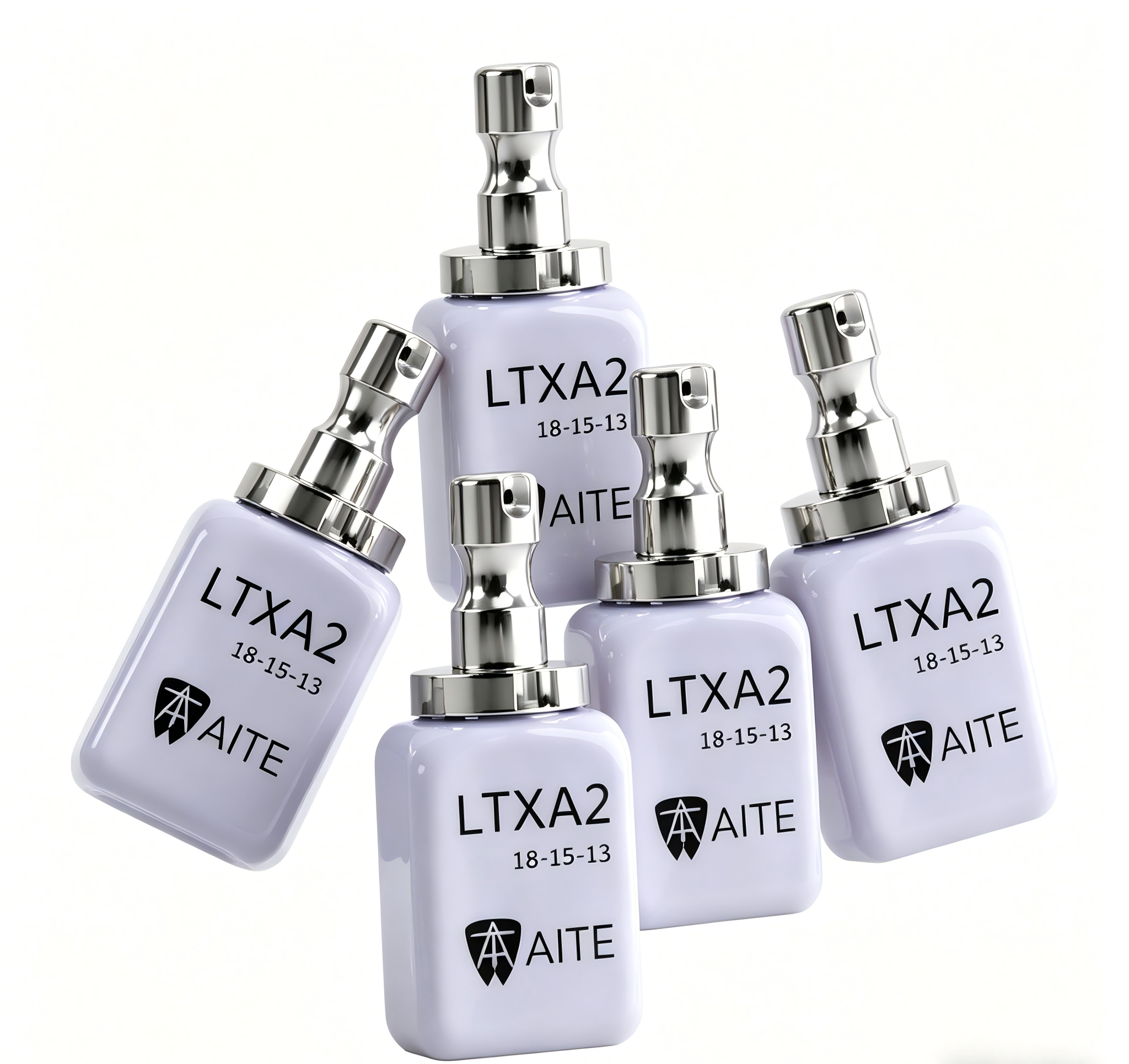
The proven track record of dental glass ceramic in both laboratory and clinical settings demonstrates exceptional strength and longevity when properly fabricated and placed. Clinical studies spanning multiple decades show that dental glass ceramic restorations can maintain structural integrity and aesthetic appeal for 10 to 20 years or longer with appropriate maintenance. This article explores the practical durability of dental glass ceramic, examining the factors that influence its performance, the mechanisms that ensure its reliability, and the evidence supporting its use in demanding clinical applications.
Structural Strength and Fracture Resistance of Dental Glass Ceramic
Understanding the Composition and Mechanical Properties
The durability of dental glass ceramic stems from its unique crystalline microstructure, which combines the strength of ceramic with the workability of glass. Dental glass ceramic consists of a controlled crystalline phase dispersed within a glassy matrix, creating a material with exceptional hardness and fracture toughness. The crystalline reinforcement mechanisms in dental glass ceramic provide resistance to crack propagation, allowing the material to absorb and distribute occlusal forces more effectively than traditional porcelain. These mechanical properties mean that dental glass ceramic can withstand bite forces ranging from 50 to 200 megapascals without compromising structural integrity.
Performance Under Real Clinical Conditions
In clinical practice, dental glass ceramic demonstrates outstanding performance when subjected to the complex loading patterns of mastication. The fracture resistance of dental glass ceramic is substantially higher than conventional feldspathic porcelain, making it ideal for single crowns, bridges, and veneers in areas of moderate to high functional demand. Studies tracking dental glass ceramic restorations over 15-year periods show failure rates below 5 percent, with most failures resulting from secondary decay or marginal breakdown rather than material fracture. Practitioners report that dental glass ceramic maintains its structural properties consistently across diverse patient populations and functional scenarios, from high-stress posterior regions to cosmetically sensitive anterior zones.
Longevity and Clinical Success Rates of Dental Glass Ceramic
Long-Term Clinical Evidence and Survival Data
The longevity of dental glass ceramic is supported by extensive clinical evidence spanning decades of real-world application. Multi-year longitudinal studies demonstrate that dental glass ceramic restorations exhibit survival rates exceeding 90 percent at 10 years and 85 percent at 15 years, comparable to or better than gold or metal-ceramic alternatives. The consistent performance of dental glass ceramic across different patient compliance levels, oral hygiene standards, and functional demands indicates inherent material stability rather than dependence on perfect clinical conditions. Dental glass ceramic also shows remarkable resistance to color change, surface degradation, and microleakage over extended clinical periods, maintaining both functional and aesthetic properties that patients value.
Factors Contributing to Extended Service Life
The exceptional longevity of dental glass ceramic depends on multiple material characteristics and clinical variables working in concert. Proper fabrication techniques, precise marginal fit, and appropriate cement selection are essential to maximize dental glass ceramic durability; even minor gaps or voids can compromise service life. The biocompatibility of dental glass ceramic means it integrates harmoniously with oral tissues without degradation or adverse reactions that might undermine restoration longevity. Additionally, dental glass ceramic resists acid erosion better than many alternatives, protecting against dietary challenges and acidic environments that can weaken other materials over years of exposure.
Environmental Factors and Maintenance Requirements for Dental Glass Ceramic
Temperature Stability and Chemical Resistance
Dental glass ceramic maintains its structural and aesthetic properties across the temperature extremes encountered in oral environments, from ice-cold beverages to hot foods and drinks. The thermal expansion coefficient of dental glass ceramic is carefully balanced to match tooth structure and underlying substrates, minimizing stress at interfaces during temperature cycling. Chemical resistance is a significant durability advantage of dental glass ceramic; it resists attack from saliva, acidic foods, alcohol-based mouthwashes, and other oral fluids that might compromise less stable materials over extended periods. This chemical stability ensures that dental glass ceramic does not leach substances, does not discolor from chemical exposure, and maintains surface polish and biological stability throughout its clinical service life.
Maintenance and Care Considerations
The durability of dental glass ceramic is preserved through straightforward maintenance practices that fit naturally into routine oral hygiene. Patients with dental glass ceramic restorations should use standard toothbrushes and non-abrasive toothpastes to protect surface characteristics, though the hardness of dental glass ceramic makes it quite resistant to minor scratching. Regular dental visits allow practitioners to assess margin integrity, check for any signs of secondary decay, and verify that dental glass ceramic restorations continue performing optimally. Patients should avoid excessive grinding or clenching habits and should use protective mouthguards during high-impact activities; while dental glass ceramic is durable, extreme mechanical stress can still cause damage despite its exceptional strength.
Comparison to Alternative Materials and Practical Durability Implications
Durability Relative to Other Restoration Materials
When compared to other aesthetic restoration materials, dental glass ceramic consistently ranks among the most durable options available. Metal-ceramic restorations offer excellent longevity but may eventually show metal margins or suffer ceramic fracture; dental glass ceramic avoids these issues by being monolithic and esthetic throughout. Resin composite restorations, while convenient for many applications, typically show greater wear, staining, and material degradation over 10 to 15 years compared to dental glass ceramic. Zirconia represents another modern alternative, but dental glass ceramic offers superior esthetics and a more conservative preparation design while maintaining comparable durability and clinical success rates.
Practical Decision-Making for Practitioners and Patients
The durability profile of dental glass ceramic makes it an excellent choice for patients seeking long-term restoration stability combined with superior aesthetics. For anterior and premolar regions where esthetics matter and functional demands are moderate, dental glass ceramic durability justifies its cost and provides predictable service life extending 15 years or more. Posterior applications benefit from dental glass ceramic's fracture resistance and ability to withstand heavy occlusal forces without delamination or bulk failure. Practitioners should educate patients that dental glass ceramic durability depends on proper fabrication, precise seating, appropriate cement selection, and consistent maintenance; these factors collectively ensure the material performs at its full potential.
FAQ
How long does dental glass ceramic typically last in clinical use?
Dental glass ceramic typically lasts 10 to 20 years or longer when properly fabricated and maintained. Clinical studies show survival rates exceeding 90 percent at 10 years and 85 percent at 15 years. The actual longevity of dental glass ceramic depends on factors including fabrication quality, marginal fit, patient compliance with oral hygiene, and avoidance of extreme mechanical stress or grinding habits.
What makes dental glass ceramic more durable than other aesthetic materials?
Dental glass ceramic achieves superior durability through its controlled crystalline microstructure, which combines high hardness with fracture toughness and crack resistance. Unlike feldspathic porcelain, dental glass ceramic incorporates reinforcing crystals that distribute and absorb occlusal forces effectively. The material also resists chemical attack, maintains color stability, and avoids the delamination issues that sometimes affect metal-ceramic restorations, all contributing to the overall durability of dental glass ceramic.
Can dental glass ceramic be used in high-stress posterior regions?
Yes, dental glass ceramic can be successfully used in posterior regions when clinical conditions and patient factors are favorable. The fracture resistance and durability of dental glass ceramic make it suitable for single crowns and bridges in premolar and molar areas with moderate functional demands. However, practitioners should exercise caution in patients with severe bruxism or parafunctional habits, where the sustained stress might eventually challenge even the exceptional durability of dental glass ceramic.