
 EN
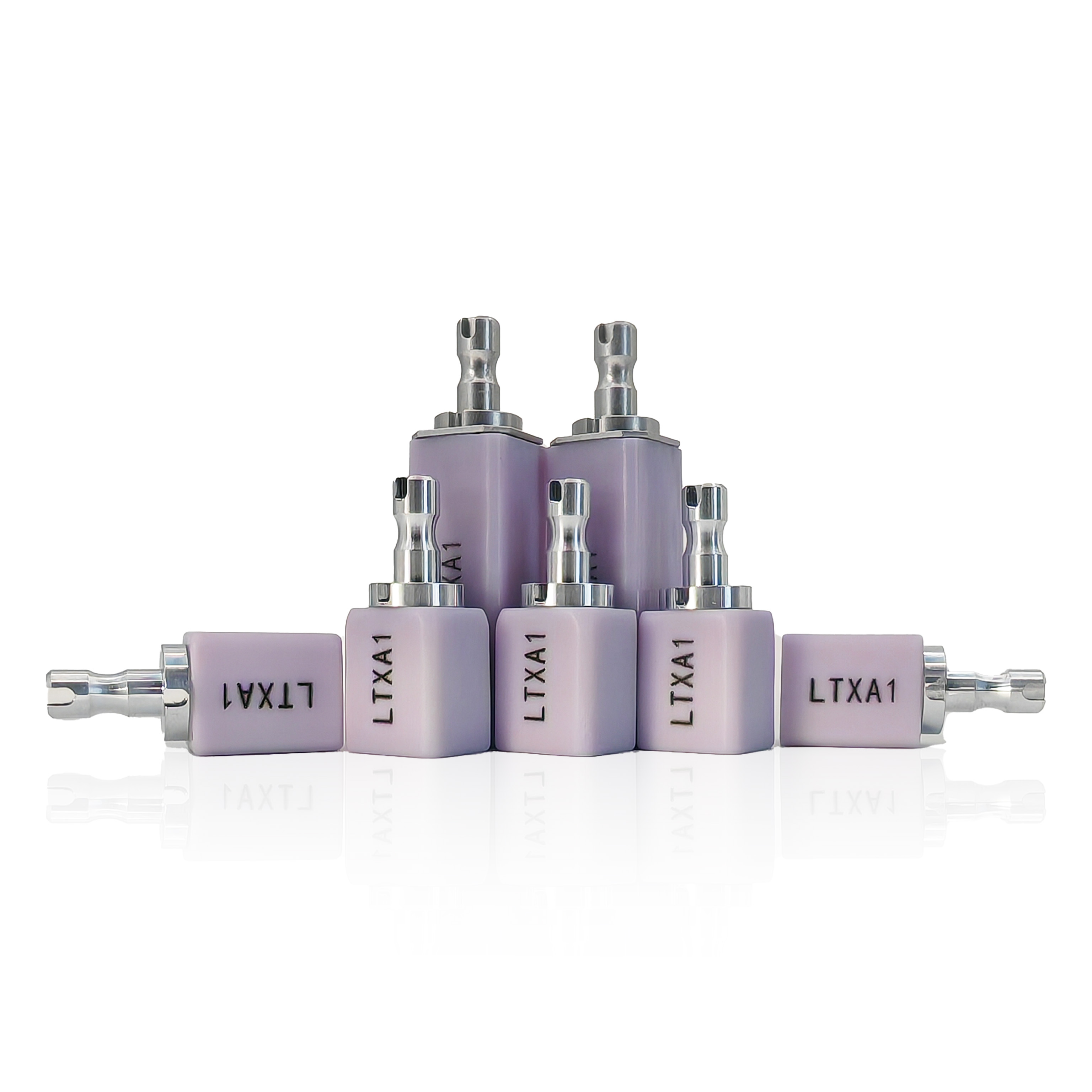
Selecting the right material for dental restorations requires careful consideration of multiple performance and clinical factors. Dental glass ceramic has emerged as a preferred choice for many practitioners, offering a unique combination of strength, aesthetics, and biocompatibility. However, choosing the optimal dental glass ceramic requires understanding the specific properties that distinguish one formulation from another and how these properties align with your clinical requirements and patient needs. This guide explores the essential factors that should guide your dental glass ceramic selection process.
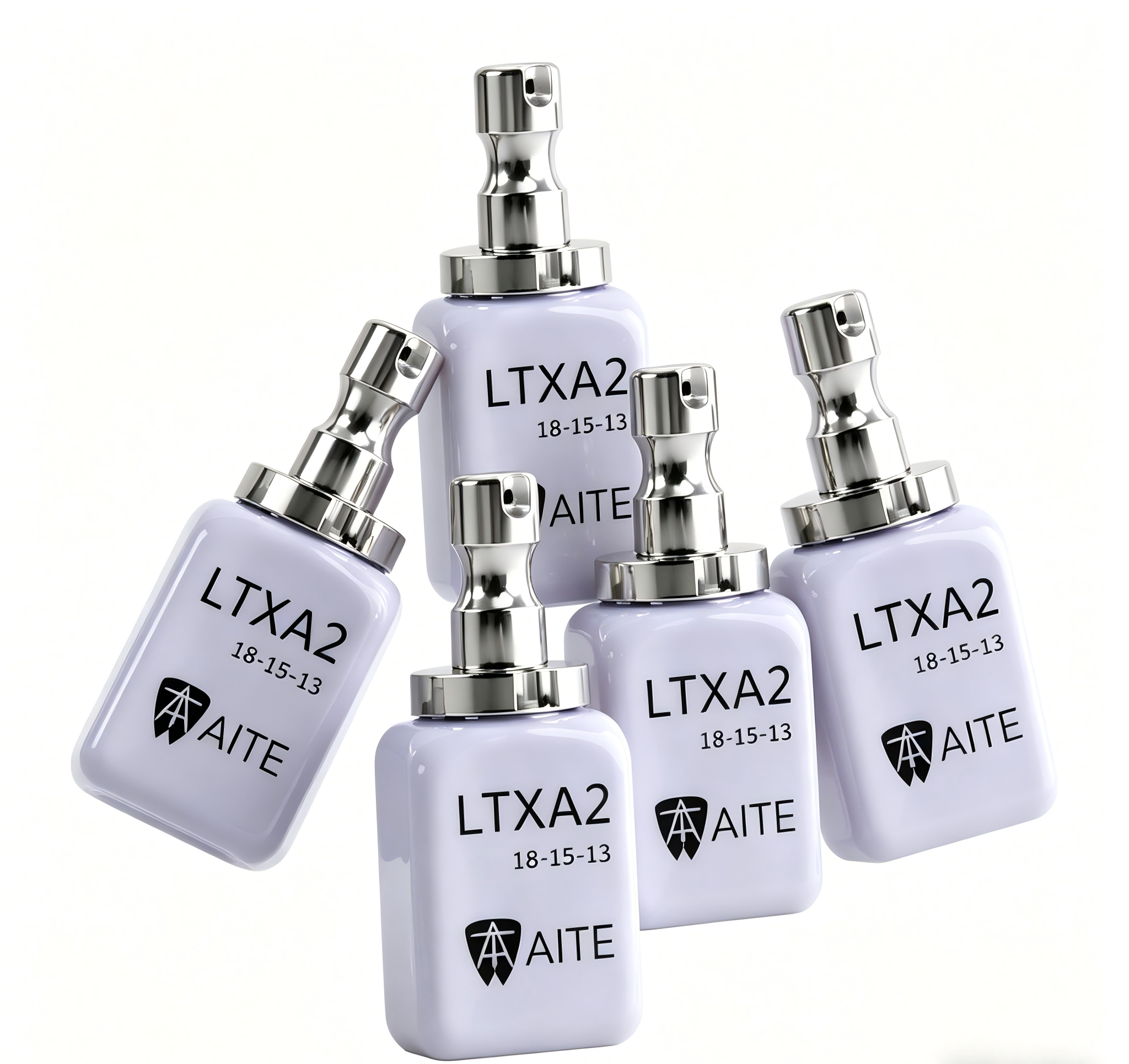
The landscape of restorative dentistry has evolved significantly, and dental glass ceramic materials now represent a sophisticated solution for clinicians seeking durability without sacrificing aesthetic excellence. Whether you are planning single-unit restorations, multi-unit bridges, or complex aesthetic cases, understanding the foundational properties and selection criteria for dental glass ceramic will directly impact clinical outcomes, patient satisfaction, and long-term restoration success. The decision to invest in specific dental glass ceramic products should be informed by crystalline structure, mechanical properties, optical characteristics, and compatibility with your laboratory processes and clinical workflow.
Composition and Crystalline Structure of Dental Glass Ceramic
Understanding Core Material Composition
Dental glass ceramic materials consist of a glass phase and crystalline phases dispersed throughout the matrix. The specific composition of dental glass ceramic directly influences its mechanical strength, translucency, and thermal expansion characteristics. Most dental glass ceramic formulations contain lithium disilicate crystals or zirconia-reinforced phases embedded in a glass matrix, creating a microstructure that balances strength with optical properties. The ratio of crystalline to glassy phases determines whether a particular dental glass ceramic will perform optimally for high-stress posterior cases or aesthetic anterior restorations. Understanding this composition helps clinicians predict how dental glass ceramic will behave under functional loading and thermal cycling.
Impact of Crystal Phase Distribution
The distribution and orientation of crystals within dental glass ceramic significantly affects its overall strength and reliability. Materials with well-distributed crystalline phases exhibit superior crack resistance and fracture toughness compared to homogeneous alternatives. When evaluating dental glass ceramic options, pay attention to published crystalline phase percentages and laboratory-controlled strength testing data. Dental glass ceramic products that incorporate needle-like crystal morphologies tend to arrest crack propagation more effectively than equiaxed crystals. This microstructural advantage translates to reduced chipping rates, longer clinical longevity, and fewer catastrophic failures in high-force environments like posterior occlusal zones.
Mechanical Strength and Clinical Performance Requirements
Flexural Strength and Load-Bearing Capability
Flexural strength is a critical selection metric for dental glass ceramic, particularly when considering posterior applications or patients with parafunctional habits. Dental glass ceramic materials range from approximately 150 MPa to over 400 MPa in flexural strength, depending on crystalline content and formulation. Materials at the higher end of this spectrum offer greater margin for error in preparation depth and internal stress distribution, making them more forgiving during clinical delivery. When selecting dental glass ceramic for bridgework spanning multiple missing teeth, prioritizing higher flexural strength values reduces fracture risk in the connector regions where stress concentration occurs. Conversely, anterior aesthetic cases may permit selection of dental glass ceramic with moderate strength profiles, allowing greater emphasis on optical properties and translucency.
Fracture Toughness and Longevity
Fracture toughness represents the material's ability to resist catastrophic failure when subjected to sudden stress or impact. Dental glass ceramic formulations with enhanced fracture toughness values demonstrate superior clinical longevity, particularly in patients exhibiting heavy occlusal forces or grinding habits. Products engineered specifically for high-stress applications often incorporate toughening mechanisms such as zirconia reinforcement or optimized crystal morphology. Selecting dental glass ceramic with published fracture toughness data greater than 2.5 MPa√m provides confidence that the restoration will withstand unexpected stress episodes without sudden failure. This mechanical reliability directly reduces the need for replacement procedures and improves overall patient satisfaction.
Aesthetic and Optical Characteristics in Material Selection
Translucency and Color Matching
The aesthetic properties of dental glass ceramic depend heavily on its translucency, refractive index, and available shade range. Different dental glass ceramic formulations exhibit varying levels of light transmission, which affects how well the material blends with adjacent natural teeth and how underlying cement colors influence the final restoration appearance. Materials with higher translucency allow greater flexibility in shade selection and can achieve more natural-looking results when combined with properly selected and shaded cements. When evaluating dental glass ceramic aesthetic capability, request shade samples and observe them under multiple lighting conditions to ensure the product range matches your laboratory's capabilities and patient expectations. Some dental glass ceramic brands offer extended shade ranges and translucency variations specifically designed for anterior cases, while others prioritize strength over optical refinement.
Surface Characteristics and Optical Stability
Surface finish and long-term optical stability influence how dental glass ceramic restorations appear over months and years of clinical service. Materials that maintain consistent optical properties without discoloration or surface degradation provide superior long-term aesthetic stability. Dental glass ceramic surfaces should resist plaque accumulation and staining while maintaining a smooth, natural appearance that mimics natural tooth structure. When selecting dental glass ceramic for aesthetic-sensitive cases, consider materials with proven track records of color stability and polishability. The ability to refine and polish dental glass ceramic chairside enhances aesthetic control and allows clinicians to customize the final surface texture and gloss for optimal visual integration.
Biocompatibility, Cementation, and Integration with Clinical Workflow
Biocompatibility and Tissue Response
Biocompatibility remains a fundamental consideration when selecting any restorative material, including dental glass ceramic options for patients with sensitivities or immune concerns. Dental glass ceramic exhibits excellent biocompatibility characteristics, with minimal cytotoxic effects and favorable tissue response when properly formulated and processed. The inert nature of mature glass ceramic microstructures means that leaching of harmful ions is extremely limited compared to some alternative materials. When evaluating specific dental glass ceramic products, review biocompatibility certifications and ensure the material complies with relevant ISO standards for dental materials. This factor becomes especially important when selecting dental glass ceramic for patients with known chemical sensitivities or those requiring metal-free restorations for medical or personal reasons.
Cementation Options and Processing Compatibility
The cement system and surface preparation methods required for dental glass ceramic significantly impact clinical workflow efficiency and restoration success. Most dental glass ceramic products bond effectively with both resin and adhesive cements, providing clinicians with flexibility in cementation strategy. Surface preparation requirements vary among different dental glass ceramic formulations; some require hydrofluoric acid etching, while others utilize mechanical surface treatments or specialized primer systems. When choosing dental glass ceramic, verify that your preferred cementation protocol is compatible and that bonding studies support reliable long-term adhesion. Additionally, consider the drying time, working time, and equipment requirements for surface treatment, as these factors directly influence clinical efficiency and the overall time investment required for case delivery.
FAQ
What is the primary advantage of dental glass ceramic compared to other restorative materials?
Dental glass ceramic combines superior aesthetics with mechanical strength and biocompatibility, making it suitable for both anterior and posterior applications. Unlike all-metal or all-ceramic alternatives, dental glass ceramic offers clinicians flexibility to achieve natural appearance without compromising durability. The material resists staining, maintains optical properties over time, and bonds reliably with modern adhesive systems, making it a versatile choice for diverse clinical scenarios.
How should flexural strength influence my dental glass ceramic selection?
Flexural strength indicates how much bending stress the material can withstand before fracture. For posterior applications or patients with parafunctional habits, selecting dental glass ceramic with higher flexural strength values reduces fracture risk and extends clinical longevity. Conversely, anterior restorations may not require maximum strength values, allowing prioritization of aesthetic characteristics and translucency when selecting dental glass ceramic for smile-zone cases.
Are all dental glass ceramic materials equally suitable for bonding with standard cements?
Most dental glass ceramic formulations bond effectively with resin and adhesive cements, but specific surface preparation and cementation protocols vary among products. Before selecting dental glass ceramic for clinical use, verify that your preferred cementation system is compatible and review bonding strength studies. Some dental glass ceramic products may require specific etching procedures or primer applications to achieve optimal bonding performance, so understanding these requirements helps ensure successful long-term restoration adhesion.