
 EN
EN
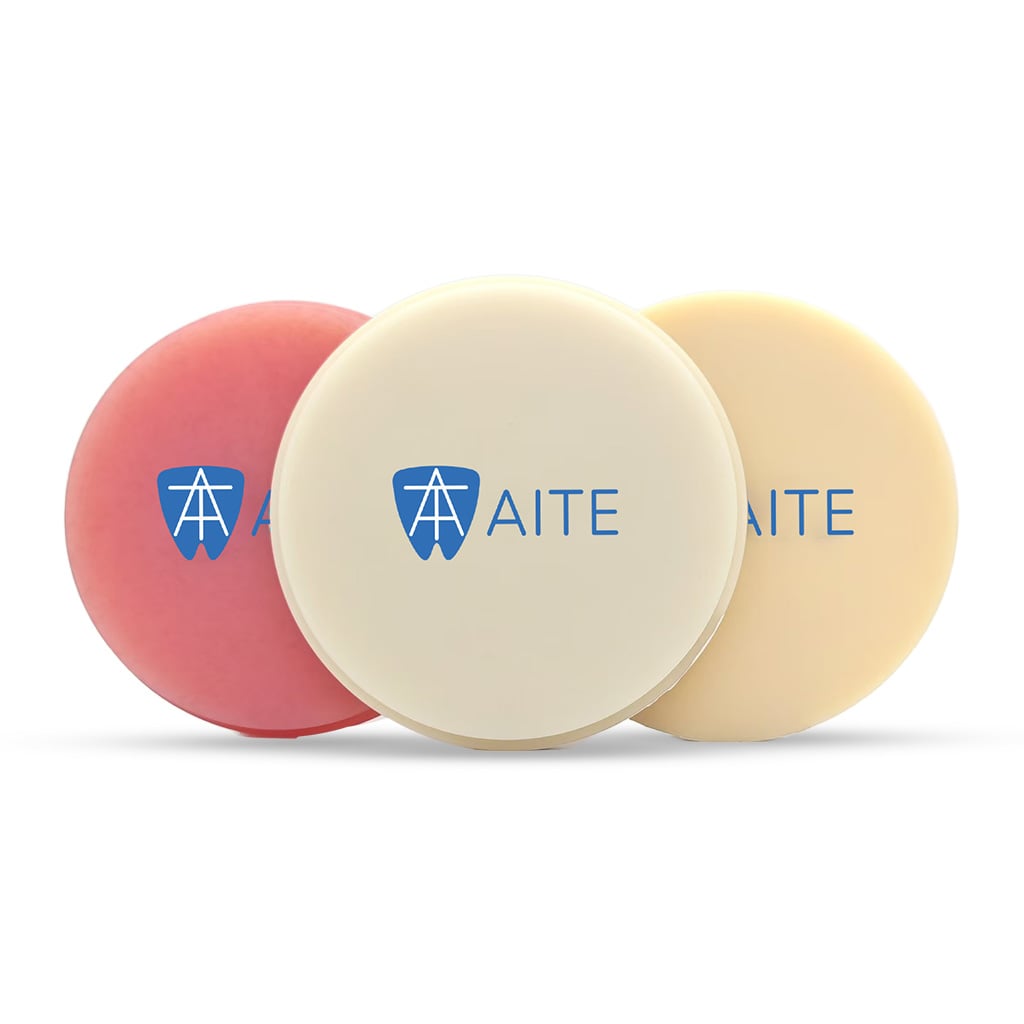
Selecting the right dental PMMA material is one of the most important procurement decisions a dental practice or laboratory can make. Dental PMMA represents a significant investment in your operational capability, affecting everything from patient satisfaction to production efficiency and profitability. Understanding the key procurement considerations for dental PMMA helps you make informed purchasing decisions that align with your clinical needs, budget constraints, and long-term business goals. This guide walks you through the essential factors that should guide your dental PMMA procurement strategy.
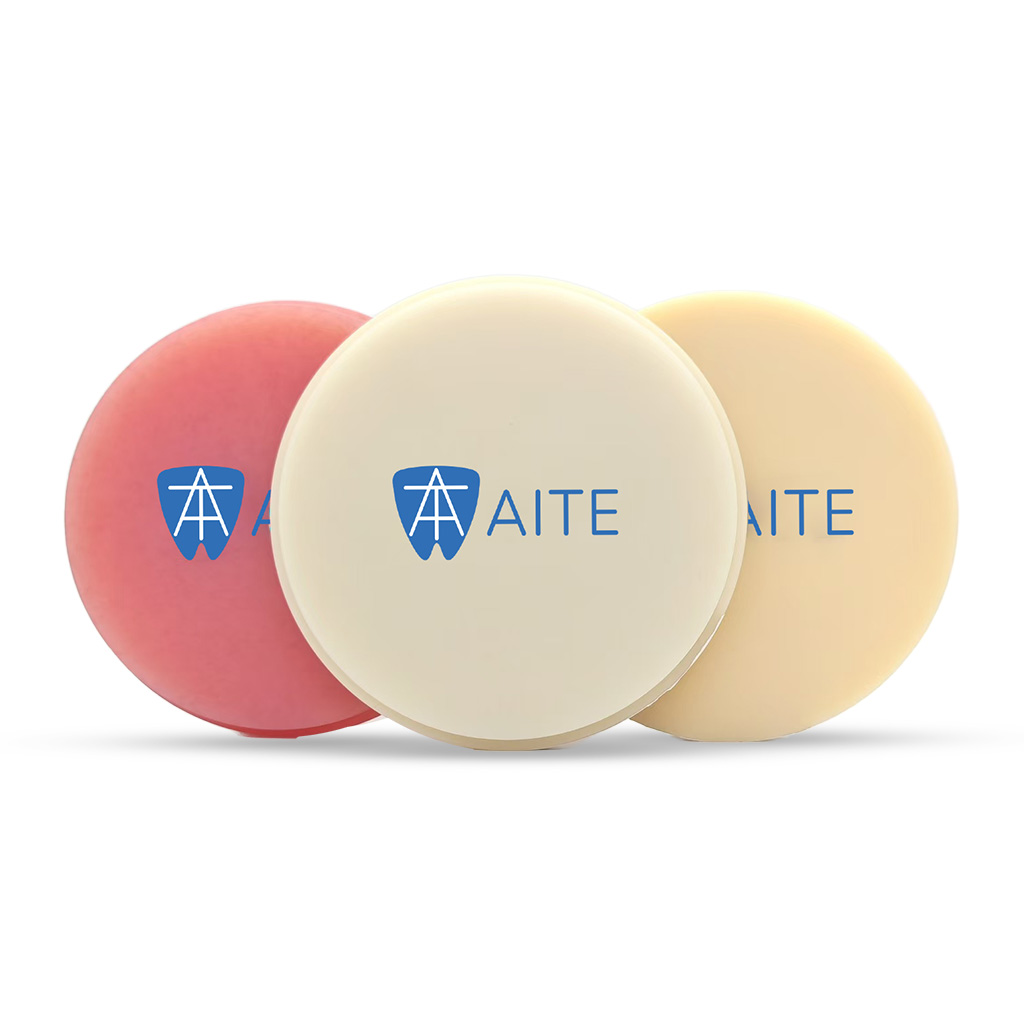
The dental PMMA market offers multiple options varying widely in composition, processing requirements, mechanical properties, and cost. Procurement decisions should not be made on price alone. Quality, consistency, supplier reliability, and compatibility with your existing equipment and workflows are equally critical. When evaluating dental PMMA materials, you must balance immediate cost considerations against long-term clinical outcomes and operational sustainability. This comprehensive procurement framework ensures you select dental PMMA that delivers value across multiple dimensions.
Understanding Material Specifications and Regulatory Compliance
Quality Standards and Certification Requirements
Every dental PMMA material must meet established quality standards and regulatory requirements. The dental PMMA you procure should comply with ISO 20795-1, which sets the international standard for denture base polymers. This standard defines mechanical properties, including flexural strength, impact resistance, and water absorption limits. Dental PMMA meeting ISO certification ensures consistent quality and predictable clinical performance. When evaluating suppliers, verify that their dental PMMA documentation includes third-party testing results confirming ISO compliance. Additionally, check whether the dental PMMA carries FDA clearance or equivalent regional regulatory approval, depending on your geographic market. Non-compliant dental PMMA may expose your practice to liability and patient safety risks, making certification verification a non-negotiable procurement step.
Material Composition and Processing Compatibility
Dental PMMA composition varies between manufacturers, affecting how the material performs during processing and in clinical use. Some dental PMMA formulations are optimized for conventional heat-cure techniques, while others are engineered for light-cure or self-cure protocols. Before procuring dental PMMA, confirm that its processing requirements align with your laboratory equipment and existing workflows. Incompatible dental PMMA may require equipment upgrades or training investments that inflate your total cost of ownership. Color stability, translucency, and aesthetic properties also vary between dental PMMA types. If your practice emphasizes cosmetic restorations, evaluate how different dental PMMA materials respond to staining and aging. The right dental PMMA procurement decision depends on matching material properties to your specific clinical applications and processing infrastructure.
Supplier Evaluation and Reliability Factors
Consistency, Lead Times, and Supply Chain Risk
Supplier reliability directly impacts your ability to deliver consistent patient care and meet production schedules. When evaluating dental PMMA suppliers, assess their manufacturing consistency, batch-to-batch variability, and documented quality control processes. Request samples and test them against your own standards before committing to large orders. Dental PMMA procurement should prioritize suppliers with transparent documentation of their quality assurance protocols. Lead times and inventory availability are equally critical. Disruptions in dental PMMA supply can halt production and delay patient treatment. Ask potential suppliers about their inventory management, typical lead times, and contingency plans for supply interruptions. Established dental PMMA suppliers with diversified manufacturing locations offer better protection against supply chain disruption. Building relationships with reliable dental PMMA suppliers reduces long-term procurement risk and operational uncertainty.
Technical Support and Training Services
Quality dental PMMA procurement extends beyond the material itself to include supplier-provided technical support. A reputable dental PMMA supplier should offer application guidance, processing recommendations, and troubleshooting assistance. This support proves especially valuable if you transition to a new dental PMMA formulation or incorporate advanced processing techniques. Some dental PMMA suppliers provide on-site training for technicians and staff, helping your team optimize material utilization and reduce waste. When evaluating dental PMMA suppliers, inquire about their technical support availability and whether they provide documentation, video resources, or consultation services. Strong supplier partnerships enhance your dental PMMA procurement value by improving efficiency, reducing errors, and enabling faster adoption of new techniques. This support dimension often justifies choosing a dental PMMA supplier with slightly higher material costs but superior service.
Cost Analysis and Total Value Considerations
Pricing Models and Volume Economics
Dental PMMA pricing varies significantly based on formulation, supplier scale, and purchase volume. Understanding pricing structures helps you optimize procurement spending and identify opportunities for better value. Some dental PMMA suppliers offer tiered pricing for larger volumes, making it worth consolidating purchases to fewer suppliers rather than spreading orders across multiple sources. However, dental PMMA procurement should not chase the lowest per-unit cost at the expense of quality or reliability. Mid-tier dental PMMA products often provide the best balance between cost and performance for most practices. Evaluate the total cost of ownership, including material waste, processing time, rework requirements, and clinical failure rates, not just the purchase price of dental PMMA. A slightly more expensive dental PMMA material that yields fewer processing errors and better patient outcomes delivers superior total value than a cheaper material requiring frequent rework.
Minimizing Waste and Optimizing Material Efficiency
Material efficiency directly affects the effective cost of dental PMMA procurement. Different dental PMMA formulations have varying ease of processing, waste rates, and achievable yields. Some dental PMMA materials are more forgiving during laboratory procedures, reducing scrap rates and rework. When evaluating dental PMMA options, consider which materials your team processes most efficiently. Training your technicians on proper handling techniques for your chosen dental PMMA also reduces waste. Dental PMMA procurement strategies should include a brief trial period to measure actual waste rates and processing efficiency before committing to large-volume orders. Switching to dental PMMA that reduces your waste percentage by even 3-5% can yield substantial annual savings while improving profitability. Including waste reduction metrics in your dental PMMA supplier evaluation ensures your procurement decision accounts for real-world operational efficiency.
Clinical Performance and Patient Satisfaction Impact
Longevity, Durability, and Patient Outcomes
Dental PMMA material quality directly influences clinical longevity and patient satisfaction. Higher-quality dental PMMA typically exhibits superior flexural strength, better impact resistance, and greater dimensional stability over time. These properties translate to longer-lasting restorations and fewer patient complaints. Dental PMMA that yellows or discolors rapidly damages patient perception of treatment quality, regardless of the actual clinical function. When evaluating dental PMMA suppliers, review clinical studies and long-term performance data for their materials. Request references from other practices using the same dental PMMA materials you are considering. Speaking directly with other users provides honest feedback on real-world performance, failure rates, and patient satisfaction. Investing in premium dental PMMA procurement may reduce remakes and adjustments, ultimately lowering your effective cost per successful case.
Aesthetic Properties and Color Matching Capabilities
Modern patient expectations demand restorations that are both functional and aesthetically pleasing. Dental PMMA procurement decisions should account for available color shades and ability to achieve accurate color matching. Some dental PMMA products offer superior shade ranges and more natural appearance characteristics. If your practice serves a significant cosmetic dentistry clientele, select dental PMMA materials recognized for excellent aesthetics and stain resistance. Color stability over extended service periods is particularly important for patient satisfaction. Dental PMMA that resists yellowing and maintains translucency longer justifies premium pricing through improved patient retention and referrals. Evaluate the aesthetic track record of dental PMMA materials you are considering, particularly for long-term denture and restoration applications.
FAQ
What regulatory standards should dental PMMA materials meet?
Dental PMMA materials must comply with ISO 20795-1, the international standard for denture base polymers. This standard specifies mechanical properties, water absorption limits, and dimensional stability requirements. Additionally, dental PMMA should carry FDA clearance or equivalent regulatory approval in your geographic market. Verifying third-party test reports confirming dental PMMA compliance with these standards is essential before procurement. Non-compliant dental PMMA exposes your practice to safety risks and potential liability. Always request certification documentation from dental PMMA suppliers to confirm regulatory compliance before placing orders.
How can dental PMMA procurement reduce my total operational costs?
Dental PMMA procurement optimization reduces costs through multiple pathways. Selecting dental PMMA materials that minimize waste and processing errors lowers your effective material cost. Consolidating purchases with fewer reliable dental PMMA suppliers often yields volume discounts. Investing in higher-quality dental PMMA materials that produce fewer remakes and patient complaints improves profitability. Additionally, dental PMMA procurement from suppliers offering technical support and training helps your team work more efficiently. Evaluating total cost of ownership rather than just per-unit price of dental PMMA ensures your procurement strategy maximizes financial returns. Building long-term relationships with dental PMMA suppliers can lead to favorable pricing on larger commitments.
What questions should I ask dental PMMA suppliers before purchasing?
When evaluating dental PMMA suppliers, ask about their quality assurance processes, batch consistency, and available documentation. Request information about lead times, inventory availability, and contingency planning for supply disruptions. Inquire about technical support services, training resources, and access to application specialists. Ask for references from other practices using the same dental PMMA materials. Request samples for testing against your specific requirements and workflows. Clarify pricing structures, volume discounts for dental PMMA, and payment terms. Ask about the dental PMMA supplier's experience with your processing equipment and any compatibility considerations. These questions help you identify dental PMMA suppliers that can support your practice long-term with reliable quality and responsive service.