
 EN
EN
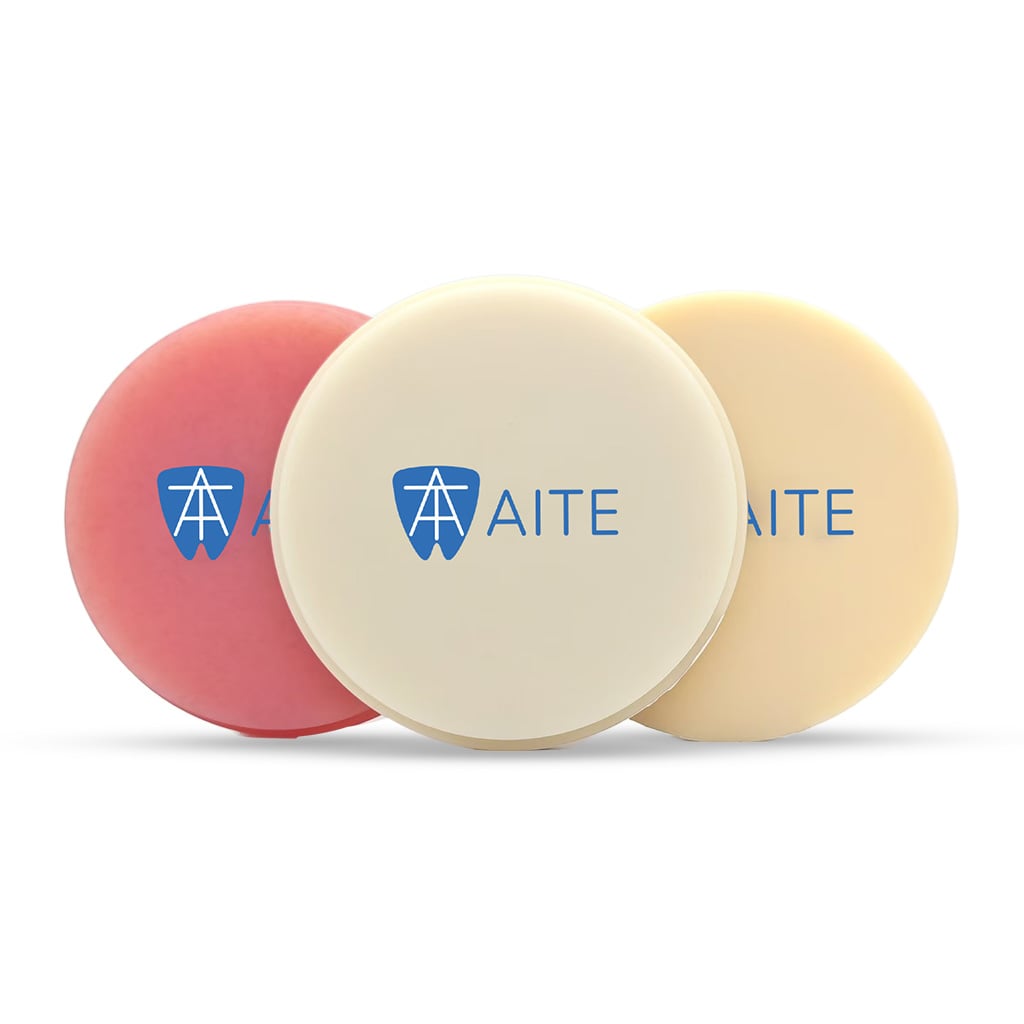
Temporary restorations play a critical role in modern dentistry, serving as protective and functional solutions while permanent restorations are being fabricated. Among the many materials available, dental PMMA stands out as an exceptional choice for practitioners seeking reliability, ease of use, and patient satisfaction. Understanding why dental PMMA has become the industry standard for temporary restorations requires examining its unique properties, clinical advantages, and practical applications in everyday dental practice.
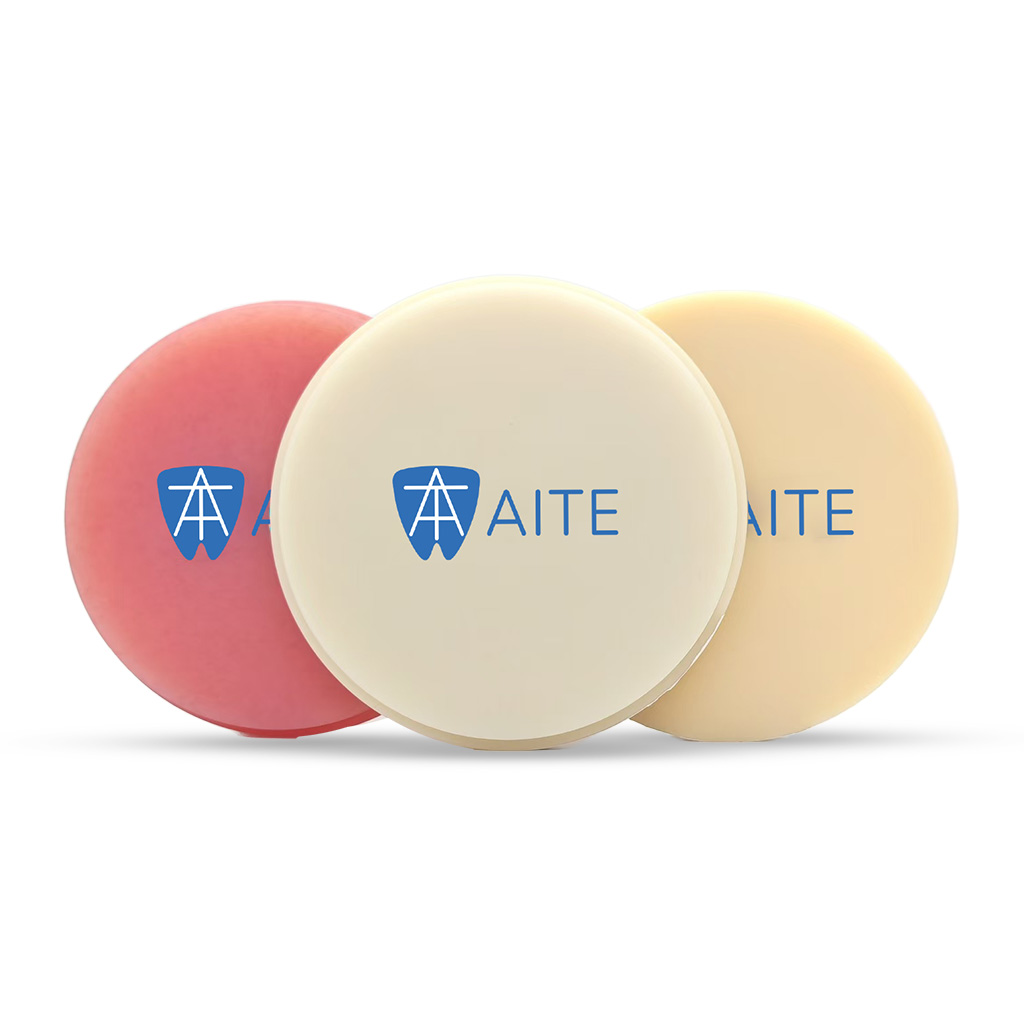
Dental professionals recognize that the quality of temporary restorations directly impacts treatment outcomes and patient comfort. Dental PMMA offers a combination of mechanical strength, aesthetic appeal, and biocompatibility that makes it ideal for this demanding clinical role. The material has been refined over decades and continues to evolve, yet its fundamental advantages remain consistent across different clinical scenarios and patient populations.
Material Properties and Clinical Performance
Strength and Durability of Dental PMMA
Dental PMMA demonstrates exceptional strength relative to its light weight and ease of manipulation. This acrylic-based material resists fracture under normal chewing forces, providing reliable protection for prepared teeth throughout the restorative treatment phase. The dimensional stability of dental PMMA ensures that temporary restorations maintain their fit and function over extended wearing periods, reducing the need for frequent adjustments or replacements.
The fatigue resistance of dental PMMA is particularly valuable in cases where temporary restorations remain in place for several weeks or months. Unlike some alternative materials that degrade or become brittle under prolonged stress, dental PMMA maintains its structural integrity. This durability translates into fewer clinical complications, reduced patient anxiety, and more predictable treatment progression.
Aesthetic Qualities and Color Stability
Dental PMMA can be fabricated in shades that closely match natural tooth structure, making temporary restorations that are both functional and visually acceptable. The material accepts stains and colorants readily during the manufacturing process, allowing dental technicians to create restorations that blend seamlessly with the patient's existing dentition. For patients concerned about appearance during the treatment phase, dental PMMA offers reassurance and maintains confidence.
Color stability in dental PMMA is noteworthy because temporary restorations experience repeated exposure to staining agents like beverages, foods, and oral rinses. The material resists discoloration better than some competitors, helping temporary restorations maintain their initial appearance throughout the treatment timeline. This consistency in aesthetics reduces patient concerns about appearance and supports the overall success of the restorative process.
Biocompatibility and Patient Safety
Tissue Response and Long-Term Tolerance
Dental PMMA has an established clinical record of excellent biocompatibility with oral tissues, including gingival tissue, bone, and pulpal tissue when used appropriately. The material does not leach toxic substances into the oral environment and poses minimal risk of allergic sensitization for most patients. Decades of clinical use have demonstrated that dental PMMA rarely causes inflammatory responses or adverse tissue reactions, making it a safe choice for both short-term and extended temporary restorations.
The margins of dental PMMA restorations seal effectively against the prepared tooth structure, minimizing microleakage and protecting the underlying dentin and pulp. This marginal integrity is essential for maintaining pulpal health during the interim restorative phase. Patients experience fewer postoperative sensitivity issues and complications when temporary restorations are fabricated from dental PMMA, contributing to a smoother overall treatment experience.
Allergenicity and Sensitivity Considerations
For patients with known sensitivities to dental materials, dental PMMA presents a low-risk option. The polymerized form of the material used in clinical applications contains minimal residual monomer, which is the primary cause of allergic reactions. Quality control in manufacturing ensures that dental PMMA meets strict standards for purity and biocompatibility, reducing the likelihood of adverse reactions even in sensitized individuals.
Practitioners appreciate that dental PMMA rarely necessitates special precautions or alternative material selections due to patient allergies. This predictability simplifies treatment planning and reduces the need to source specialty materials for specific cases. The broad safety profile of dental PMMA makes it a universally applicable choice across diverse patient populations.
Clinical Advantages and Practical Implementation
Ease of Fabrication and Adjustability
Dental PMMA can be easily adjusted, repaired, and modified during clinical delivery and throughout the restorative treatment phase. If occlusal adjustments are needed, practitioners can quickly refine the restoration without significant chair time investment. The material responds predictably to instruments and polishing techniques, allowing clinicians to achieve precise contacts and smooth surfaces that enhance patient comfort.
The fabrication process for dental PMMA temporary restorations is straightforward and time-efficient for laboratory technicians. This efficiency reduces turnaround times and allows practitioners to deliver temporary restorations at the same appointment as tooth preparation in many cases. The dental PMMA materials available today come in multiple formulations optimized for different fabrication methods, including direct and indirect techniques, providing flexibility in clinical workflow.
Cost-Effectiveness and Economic Value
Dental PMMA remains an economically efficient material choice without compromising clinical quality. The cost of materials and fabrication is substantially lower than alternatives like composite resins or ceramic materials, making temporary restorations more accessible to patients. For practices managing multiple temporary cases simultaneously, dental PMMA helps maintain profitability while delivering excellent clinical outcomes.
The predictable performance of dental PMMA reduces the incidence of chair-time complications, adjustments, and remakes. This efficiency directly improves the economic performance of the restorative procedure and allows practitioners to allocate resources toward permanent restoration fabrication and delivery. Patients benefit from reduced overall treatment costs without sacrificing the quality or longevity of their temporary restorations.
FAQ
How long can dental PMMA temporary restorations remain in place?
Dental PMMA temporary restorations can safely remain in place for extended periods, typically ranging from several weeks to several months. The exact timeline depends on the clinical situation, the location of the restoration, and individual patient factors. However, most practitioners recommend not exceeding six months to minimize the risk of secondary caries or tissue changes. Dental PMMA maintains its structural integrity and biocompatibility throughout this timeframe, ensuring continued protection and function of the prepared tooth.
Can dental PMMA temporary restorations be remade or repaired if needed?
Yes, dental PMMA temporary restorations can be easily remade or repaired both in the laboratory and in the clinical setting. If a restoration becomes damaged, fractured, or no longer fits adequately, it can be modified quickly without removing the preparation. This flexibility is one of the major advantages of dental PMMA, as it reduces patient downtime and associated treatment delays. The material responds predictably to repair techniques, ensuring that remade restorations maintain the same quality and fit as the original.
What distinguishes dental PMMA from other temporary restoration materials?
Dental PMMA combines superior durability, biocompatibility, ease of adjustment, and cost-effectiveness in a way that few alternative materials can match. While composite resins offer some aesthetic advantages, dental PMMA provides better long-term dimensional stability and resistance to wear. Ceramic materials may offer superior aesthetics but lack the adjustability and ease of repair that make dental PMMA practical for temporary applications. The proven clinical record and broad acceptance of dental PMMA across the dental profession reflect its well-balanced property profile for temporary restorative work.