
 EN
EN
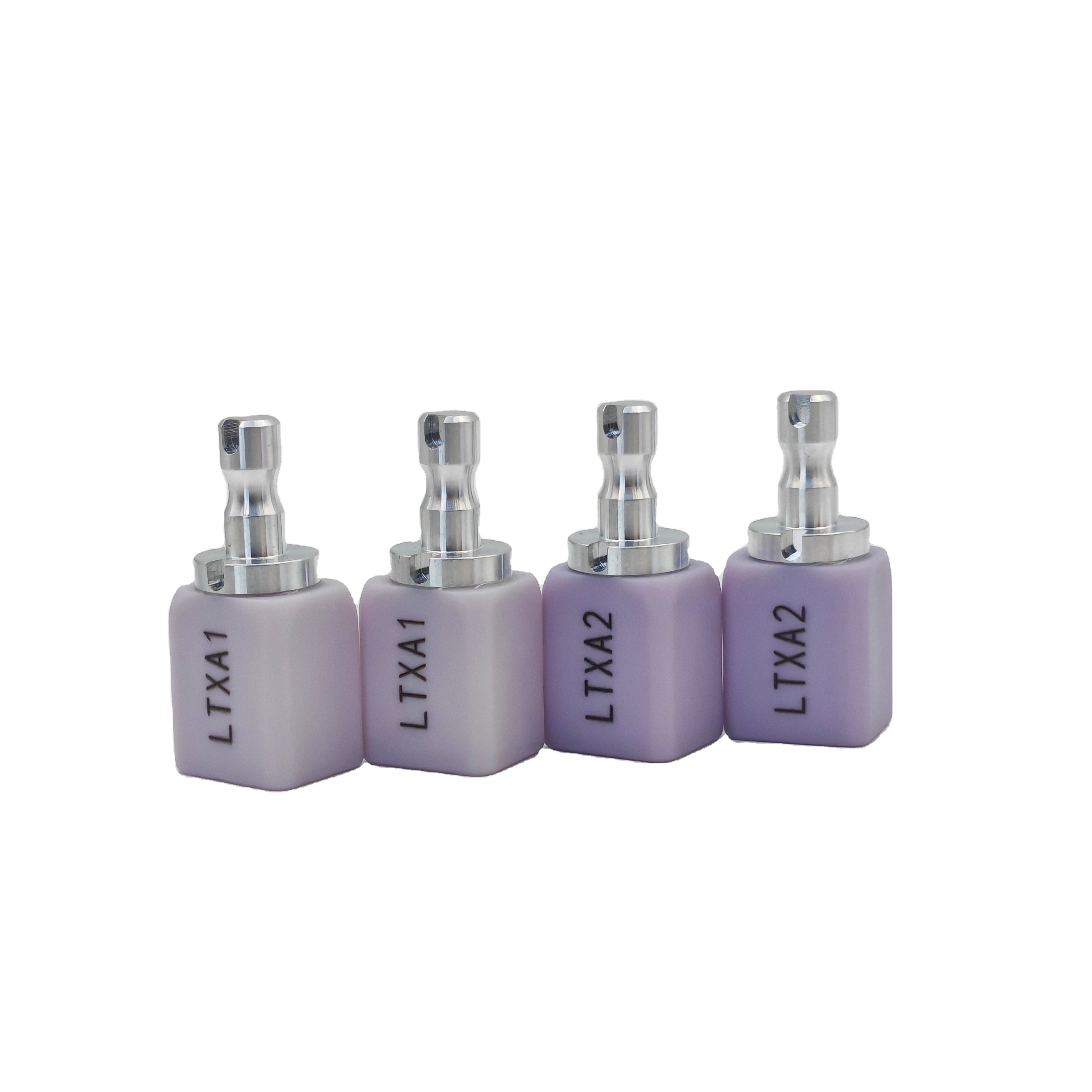
When investing in dental lithium disilicate materials for your practice, making the right purchasing decision requires careful evaluation of multiple technical and practical factors. This advanced glass-ceramic material has revolutionized restorative dentistry with its exceptional strength and aesthetic properties, but not all dental lithium disilicate products deliver the same performance standards. Understanding the key considerations before making your purchase ensures optimal patient outcomes and practice efficiency.
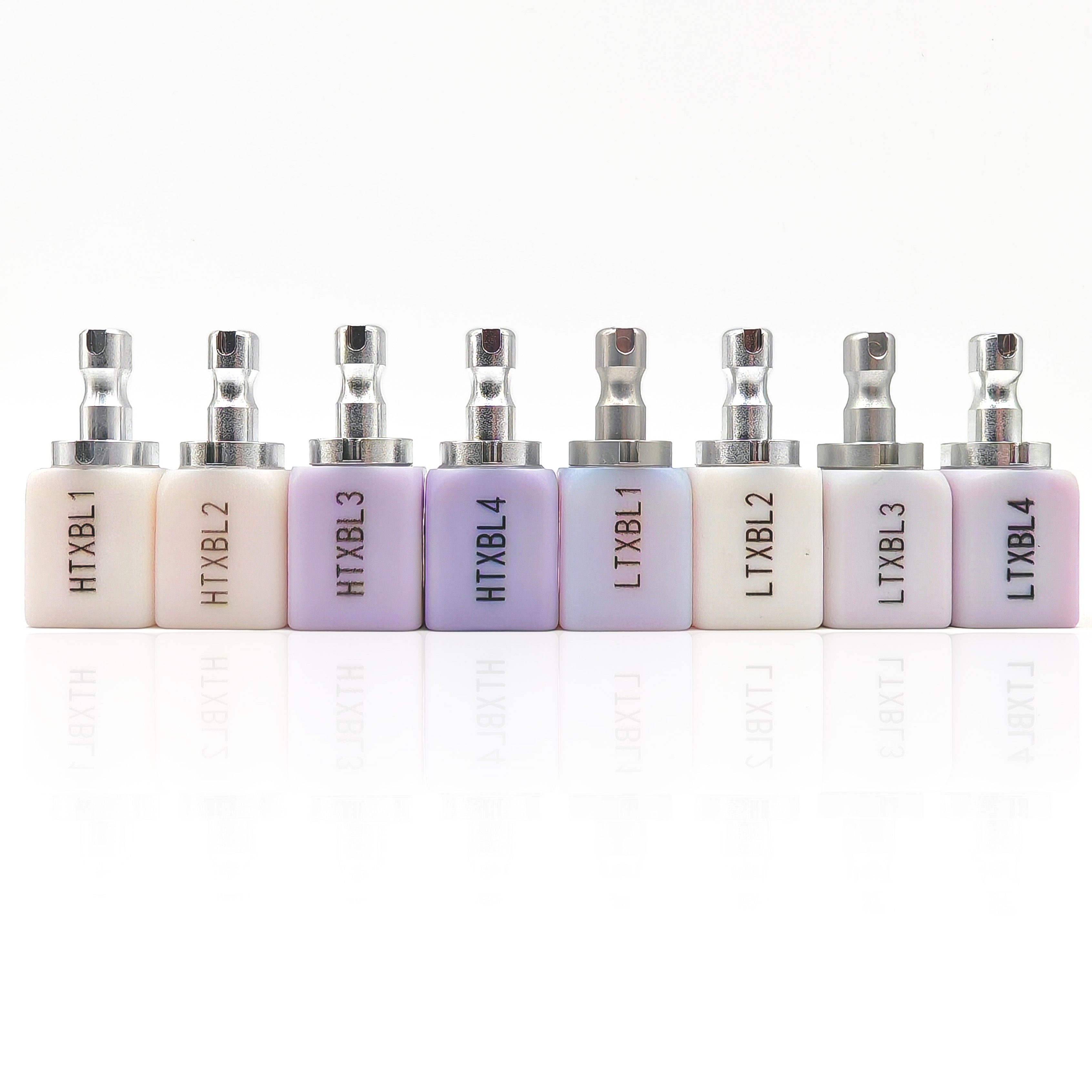
The purchasing decision for dental lithium disilicate extends beyond simple cost comparison and requires comprehensive analysis of material properties, laboratory compatibility, and long-term clinical performance. Your choice directly impacts restoration quality, patient satisfaction, and practice profitability. By systematically evaluating the critical factors outlined in this guide, you can make an informed decision that aligns with your clinical requirements and business objectives.
Material Properties and Performance Standards
Mechanical Strength Requirements
The flexural strength of dental lithium disilicate represents one of the most critical performance indicators when making your purchasing decision. High-quality dental lithium disilicate should demonstrate flexural strength values between 360-400 MPa, ensuring reliable performance under normal occlusal forces. This strength characteristic directly influences the material's suitability for posterior restorations and determines the minimum thickness requirements for various clinical applications.
Fracture toughness values provide additional insight into the material's resistance to crack propagation and long-term durability. Premium dental lithium disilicate materials typically exhibit fracture toughness values ranging from 2.5 to 3.5 MPa·m½, indicating superior resistance to sudden failure. When evaluating different options, request detailed mechanical property documentation and verify that the values align with published clinical research standards.
Weibull modulus measurements offer valuable information about the consistency and reliability of the dental lithium disilicate material. Higher Weibull modulus values indicate more predictable performance and reduced variability between individual restorations. This consistency factor becomes particularly important when planning multiple-unit restorations or establishing standardized protocols within your practice.
Optical and Aesthetic Characteristics
Translucency levels significantly impact the aesthetic potential of your dental lithium disilicate restorations and should align with your typical case requirements. Different translucency options serve specific clinical needs, from highly translucent materials for anterior veneers to more opaque formulations for masking discolored preparations. Evaluate the available shade range and translucency options to ensure compatibility with your patient demographics and aesthetic standards.
Color stability represents another crucial consideration when selecting dental lithium disilicate materials for long-term clinical success. High-quality materials maintain their optical properties over extended periods, resisting color shifts that could compromise aesthetic outcomes. Request accelerated aging test data and clinical photography documentation to assess the material's color stability performance under various conditions.
Fluorescence characteristics affect how your dental lithium disilicate restorations appear under different lighting conditions, particularly important for anterior applications. Natural-looking fluorescence helps integrate restorations seamlessly with surrounding tooth structure, while excessive or insufficient fluorescence can create noticeable aesthetic discrepancies. Evaluate fluorescence properties using UV lighting to ensure optimal aesthetic integration.
Processing and Laboratory Considerations
Fabrication Workflow Compatibility
The compatibility of dental lithium disilicate with your existing laboratory equipment and workflow processes directly impacts efficiency and cost-effectiveness. CAD/CAM compatibility requirements vary between different material formulations, affecting milling parameters, tool wear rates, and surface finish quality. Verify that your chosen dental lithium disilicate works optimally with your specific milling system and software versions.
Crystallization firing schedules represent critical process parameters that must align with your laboratory capabilities and turnaround requirements. Some dental lithium disilicate materials require specific firing protocols or extended crystallization times that could impact your production schedule. Evaluate the time requirements and energy consumption associated with different materials to understand the total processing cost implications.
Post-processing requirements, including polishing protocols and surface treatment procedures, vary significantly between different dental lithium disilicate formulations. Materials requiring extensive finishing procedures may increase labor costs and delivery times, while those with superior as-fired surfaces can improve efficiency. Consider the complete processing workflow when comparing different material options.
Quality Control and Consistency
Batch-to-batch consistency ensures predictable results and reduces the risk of unexpected failures in your dental lithium disilicate restorations. Manufacturers with robust quality control systems provide detailed certificates of analysis and maintain tight tolerances on critical properties. Request information about quality control procedures and statistical process control measures implemented during production.
Shelf life and storage requirements affect inventory management and material waste in your practice or laboratory. Some dental lithium disilicate formulations have specific temperature and humidity storage requirements that could impact your facility needs. Understanding these requirements helps prevent material degradation and ensures consistent performance throughout the material's useful life.
Traceability systems enable tracking of individual blocks or ingots back to specific production batches, facilitating quality investigations if issues arise. Comprehensive traceability becomes particularly important when working with multiple laboratories or maintaining detailed patient records. Verify that your dental lithium disilicate supplier provides adequate traceability documentation for clinical and regulatory compliance.
Clinical Application and Indication Suitability
Restoration Type Compatibility
Different clinical applications place varying demands on dental lithium disilicate materials, requiring careful matching of material properties to specific restoration types. Anterior veneers typically require high translucency and excellent surface finish, while posterior crowns need superior strength and wear resistance. Evaluate whether your chosen material offers the flexibility to address your complete range of clinical indications effectively.
Minimum thickness requirements vary between different dental lithium disilicate formulations and directly impact preparation design and clinical versatility. Materials allowing thinner sections provide greater design flexibility and enable more conservative preparations, particularly important for anterior aesthetic cases. Compare minimum thickness specifications against your typical preparation requirements to ensure clinical compatibility.
Cementation compatibility affects the long-term success of dental lithium disilicate restorations and influences your clinical protocols. Some materials work optimally with specific cement types or surface treatment procedures, requiring coordination between material selection and cementation strategy. Verify compatibility with your preferred cementation system to avoid potential adhesion issues.
Patient-Specific Considerations
Biocompatibility profiles and patient safety considerations represent fundamental requirements for any dental lithium disilicate material used in clinical practice. Materials with comprehensive biocompatibility testing and regulatory approvals provide greater confidence in patient safety and reduce liability concerns. Review available safety data and regulatory certifications to ensure compliance with local requirements and professional standards.
Wear characteristics against opposing dentition influence long-term oral health outcomes and patient comfort. Some dental lithium disilicate formulations demonstrate more favorable wear patterns that preserve opposing tooth structure while maintaining restoration integrity. Consider the wear behavior implications for patients with different occlusal patterns and parafunctional habits.
Repairability options provide valuable clinical flexibility when minor damage occurs to dental lithium disilicate restorations. Materials that can be effectively repaired using chairside techniques reduce patient inconvenience and treatment costs compared to complete replacement. Evaluate available repair protocols and success rates when making your material selection.
Economic and Business Factors
Total Cost Analysis
Initial material costs represent only one component of the total economic impact when selecting dental lithium disilicate for your practice. Processing time requirements, labor costs, and equipment wear factors all contribute to the complete cost picture. Develop comprehensive cost models that include all direct and indirect expenses associated with different material options to make accurate economic comparisons.
Failure rates and warranty provisions directly impact long-term profitability and patient satisfaction with your dental lithium disilicate restorations. Materials with lower failure rates reduce remake costs and preserve practice reputation, while comprehensive warranty coverage provides additional financial protection. Evaluate historical performance data and warranty terms when assessing different suppliers and material options.
Volume purchasing opportunities and supplier relationship benefits can significantly impact material costs for high-volume practices. Some dental lithium disilicate suppliers offer attractive pricing tiers, technical support services, or exclusive training opportunities for committed customers. Consider these additional value propositions alongside base material costs when making your supplier selection.
Supply Chain and Support Considerations
Supply reliability and delivery consistency affect your ability to maintain steady production schedules and meet patient commitments. Suppliers with robust distribution networks and inventory management systems reduce the risk of material shortages that could disrupt your practice operations. Evaluate supplier stability, geographic coverage, and backup supply options when making your dental lithium disilicate selection.
Technical support availability provides valuable assistance during implementation and troubleshooting phases of your dental lithium disilicate adoption. Suppliers offering comprehensive training programs, clinical support, and troubleshooting assistance can accelerate your learning curve and improve initial success rates. Consider the quality and accessibility of technical support when comparing different material options.
Product development roadmaps and innovation timelines indicate the long-term viability of your chosen dental lithium disilicate system. Suppliers with active research programs and regular product improvements provide better long-term value and help maintain your competitive position. Evaluate the supplier's commitment to continued innovation and product development when making your selection decision.
FAQ
What is the typical lifespan of dental lithium disilicate restorations?
High-quality dental lithium disilicate restorations typically demonstrate excellent long-term performance, with clinical studies showing survival rates exceeding 95% at 10 years for properly designed and executed cases. The actual lifespan depends on factors including material quality, preparation design, cementation protocol, and patient-specific variables such as occlusal forces and oral hygiene maintenance. Premium materials with superior mechanical properties and proven clinical track records generally provide the most predictable long-term outcomes.
How do I determine the appropriate translucency level for different cases?
Translucency selection for dental lithium disilicate depends on the restoration type, substrate color, and desired aesthetic outcome. High translucency formulations work best for thin veneers over light-colored preparations, while medium translucency provides versatility for most crown applications. Low translucency options effectively mask dark or discolored substrates but may require careful shade matching. Consider the preparation shade, restoration thickness, and patient's aesthetic expectations when selecting translucency levels.
What quality certifications should I look for when purchasing dental lithium disilicate?
Essential quality certifications for dental lithium disilicate include ISO 6872 compliance for dental ceramics, FDA clearance or CE marking for regulatory approval, and ISO 13485 certification for quality management systems. Additional certifications such as biocompatibility testing according to ISO 10993 standards and clinical performance validation provide further assurance of material quality and safety. Verify that your chosen supplier maintains current certifications and provides detailed documentation supporting their quality claims.
Can dental lithium disilicate be used for all types of restorations?
Dental lithium disilicate excels for single-unit crowns, veneers, inlays, and onlays, but has limitations for certain applications. While suitable for short-span bridges in carefully selected cases, the material is not recommended for long-span bridges or implant superstructures requiring extreme strength. The specific formulation and manufacturer recommendations determine the exact indications and contraindications. Always consult the manufacturer's guidelines and consider clinical factors such as occlusal forces and preparation design when selecting appropriate applications.
Table of Contents
- Material Properties and Performance Standards
- Processing and Laboratory Considerations
- Clinical Application and Indication Suitability
- Economic and Business Factors
-
FAQ
- What is the typical lifespan of dental lithium disilicate restorations?
- How do I determine the appropriate translucency level for different cases?
- What quality certifications should I look for when purchasing dental lithium disilicate?
- Can dental lithium disilicate be used for all types of restorations?