
 EN
EN
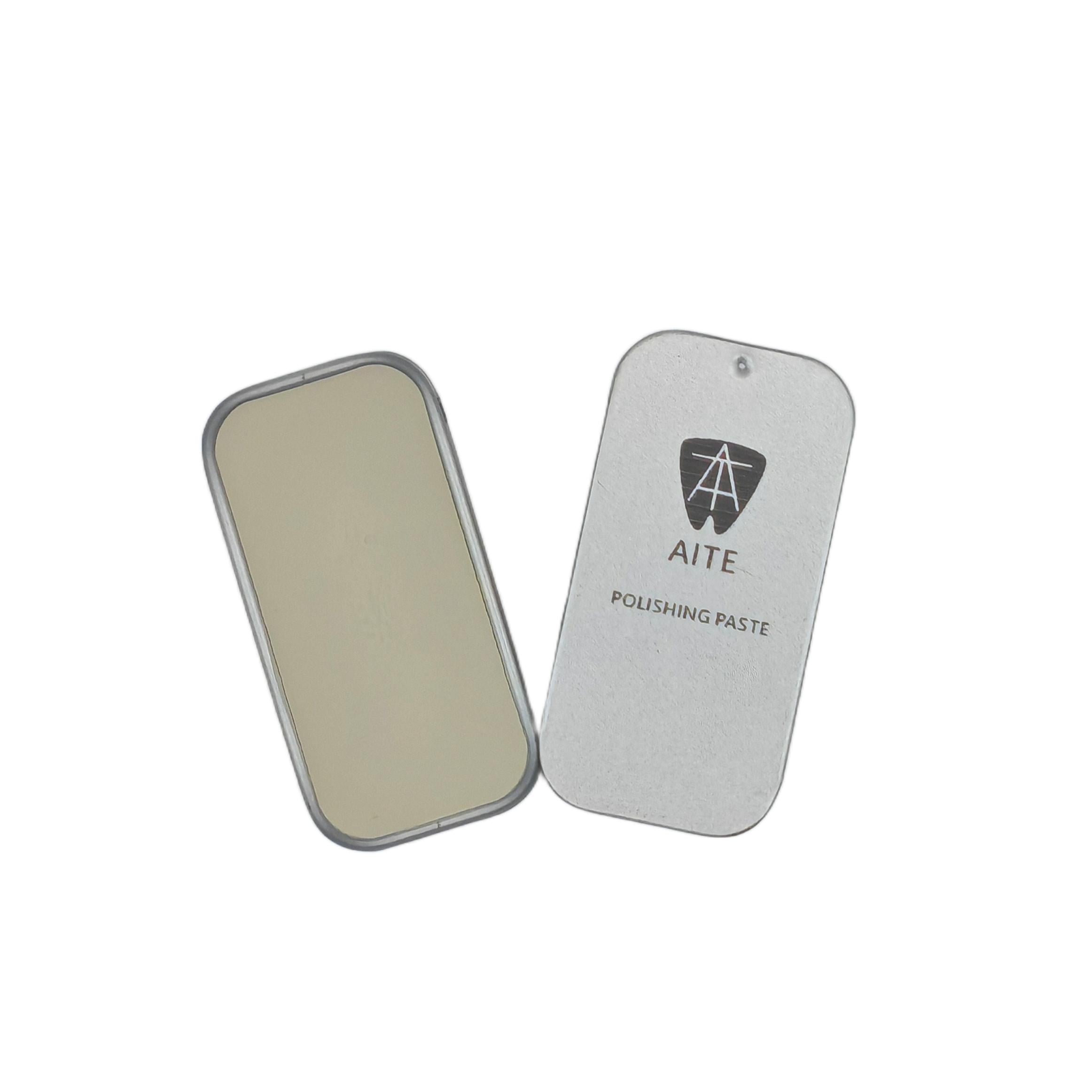
Dental laboratory consumables represent a significant operational expense for any dental laboratory facility. Understanding the key cost factors that influence the pricing and overall expense structure of dental laboratory consumables is essential for laboratory managers seeking to optimize their budgets without compromising quality or output capacity. The cost of dental laboratory consumables encompasses everything from materials used in restorations to equipment supplies and processing agents, and each category carries distinct pricing drivers that affect the bottom line.
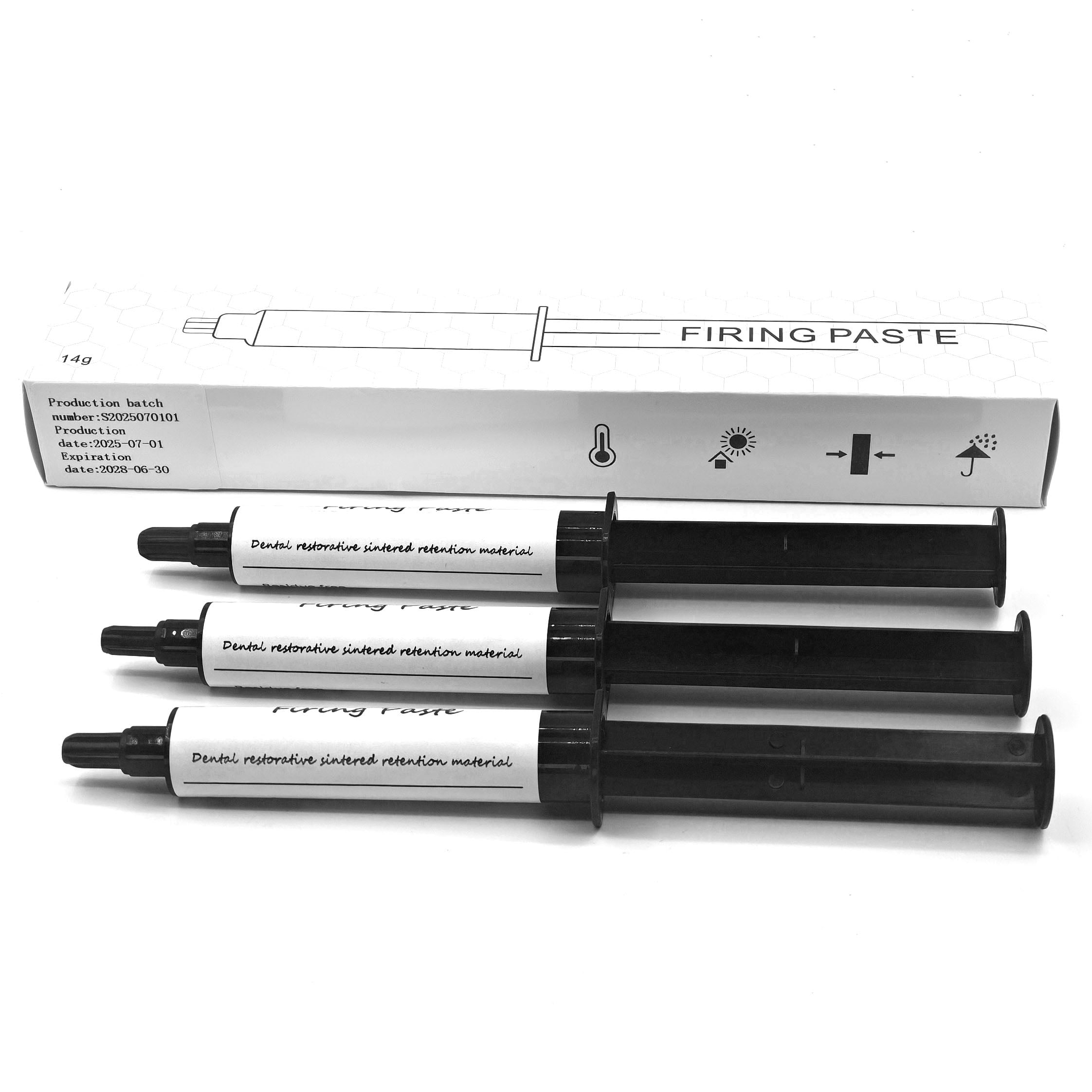
The expense landscape surrounding dental laboratory consumables is shaped by raw material sourcing, manufacturing complexity, supply chain dynamics, and market demand. Laboratory managers who grasp these fundamental cost drivers can make informed purchasing decisions, negotiate better terms with suppliers, and implement strategies that maintain profitability while ensuring consistent quality output. This guide explores the major factors influencing dental laboratory consumables pricing and provides actionable insights for cost management.
Raw Material Quality and Sourcing as Primary Cost Drivers
Material Grade and Composition Impact
The quality grade of raw materials used in dental laboratory consumables directly affects pricing at every production stage. Premium-grade porcelains, ceramics, and alloys command higher prices than standard alternatives because they offer superior biocompatibility, esthetic properties, and longevity. Dental laboratory consumables manufactured from high-purity materials require stricter quality control during processing, which increases production costs and ultimately translates to higher final prices. Laboratories choosing higher-grade dental laboratory consumables may face steeper material expenses but often benefit from faster chairside adjustments and reduced remake rates.
The composition of dental laboratory consumables also determines their performance characteristics and cost structure. Alloys containing precious metals like gold or palladium exhibit premium pricing compared to base metal alternatives, reflecting both material scarcity and superior clinical performance. Ceramic formulations optimized for specific indications, such as high-translucency materials for anterior restorations, command price premiums over universal-use formulations. Understanding which dental laboratory consumables grades match your clinical requirements helps prevent overspending on unnecessary premium features while ensuring adequate quality for patient outcomes.
Supplier Geographic Location and Import Factors
Geographic sourcing significantly influences the total cost of dental laboratory consumables acquisition. Materials sourced domestically typically carry lower transportation and logistics costs compared to imported dental laboratory consumables, though domestic suppliers may command price premiums for convenience and shorter lead times. International sourcing of dental laboratory consumables introduces tariffs, customs fees, shipping duration variability, and currency exchange risk, all of which cascade into purchase price fluctuations. Laboratories maintaining relationships with multiple suppliers across different regions can leverage geographic advantages to stabilize dental laboratory consumables expenses and mitigate supply chain disruptions.
Production Complexity and Manufacturing Process Costs
Equipment Investment and Processing Requirements
The manufacturing complexity embedded in dental laboratory consumables directly correlates with their cost structure. High-precision dental laboratory consumables requiring specialized equipment such as CAD-CAM milling systems, digital imaging units, or advanced firing furnaces demand substantial capital investment from manufacturers, costs that are distributed across product pricing. Specialized firing pastes, investment materials, and processing agents used in complex restorative techniques represent premium-priced dental laboratory consumables because they require controlled manufacturing environments and rigorous quality assurance protocols. Laboratories that utilize advanced processing techniques for their dental laboratory consumables often find that purchasing consumables engineered for those specific processes yields better outcomes and justifies premium pricing through improved efficiency.
Batch size represents another critical manufacturing cost factor affecting dental laboratory consumables pricing. Small-batch specialty dental laboratory consumables incur higher per-unit production costs because manufacturing setup, quality testing, and packaging expenses are distributed across fewer units. Conversely, high-volume standard dental laboratory consumables benefit from economies of scale, allowing manufacturers to reduce per-unit costs and offer more competitive pricing. Laboratories with predictable, high-volume requirements can negotiate better rates for bulk dental laboratory consumables purchases, while those with variable or specialty needs must budget for higher unit costs.
Quality Control and Compliance Standards
Regulatory compliance and quality assurance requirements substantially impact the cost of dental laboratory consumables production. Dental laboratory consumables must meet stringent international standards such as ISO, FDA regulations, and regional compliance frameworks, requiring manufacturers to implement extensive testing protocols, documentation systems, and traceability measures. These quality assurance procedures increase manufacturing overhead, which is reflected in higher dental laboratory consumables pricing. Premium dental laboratory consumables from certified manufacturers typically cost more than unverified alternatives, but the investment in compliance-certified dental laboratory consumables reduces liability risk and ensures clinical reliability.
Market Demand, Competition, and Supply Chain Dynamics
Seasonal and Cyclical Pricing Patterns
Dental laboratory consumables pricing fluctuates based on market demand cycles and seasonal industry patterns. Peak seasons in restorative dentistry drive increased demand for dental laboratory consumables, potentially creating upward price pressure as supplies tighten. Conversely, slower periods may offer opportunities to purchase dental laboratory consumables at reduced prices if laboratories maintain flexible inventory management. Understanding these cyclical patterns allows procurement teams to time larger dental laboratory consumables purchases strategically and lock in better pricing during buyer-favorable market conditions.
Supply chain disruptions, material shortages, and geopolitical factors introduce volatility into dental laboratory consumables pricing. When critical raw materials become scarce, manufacturers often increase dental laboratory consumables prices to manage inventory risk and maintain profitability. Laboratories that establish long-term relationships with suppliers and commit to multi-year dental laboratory consumables purchasing agreements can negotiate price stability clauses that provide protection against sudden market fluctuations.
Competitive Positioning and Brand Value
Market competition influences dental laboratory consumables pricing strategies across manufacturers. Established brands commanding strong market recognition often price dental laboratory consumables at premiums reflecting their reputation, research investment, and brand loyalty. Emerging suppliers may undercut established pricing for dental laboratory consumables to gain market share, creating opportunities for laboratories to access quality materials at competitive rates. However, laboratories must balance cost savings with brand reliability and technical support when selecting among dental laboratory consumables options.
FAQ
What is the most significant cost factor affecting dental laboratory consumables pricing?
Raw material quality and sourcing represent the most substantial cost factor in dental laboratory consumables pricing. Premium-grade materials, precious metal content, and specialized formulations drive the majority of expense variation among dental laboratory consumables products. Supply chain location, import tariffs, and sourcing complexity further amplify material cost impacts on overall dental laboratory consumables expenses.
How can laboratories reduce dental laboratory consumables expenses without sacrificing quality?
Laboratories can reduce dental laboratory consumables costs through strategic supplier relationships, bulk purchasing during favorable market conditions, and selecting appropriate material grades for specific clinical applications. Negotiating volume discounts, establishing long-term contracts, and timing purchases around seasonal pricing patterns helps manage dental laboratory consumables budgets effectively. Standardizing dental laboratory consumables selections across the laboratory also reduces administrative complexity and may unlock additional volume discounts from preferred suppliers.
Why do imported dental laboratory consumables sometimes cost less than domestic alternatives?
Imported dental laboratory consumables may cost less due to lower manufacturing labor costs in source countries and different material sourcing strategies. However, total acquisition cost must account for shipping, tariffs, customs fees, and currency fluctuations that apply to dental laboratory consumables imports. While per-unit pricing might be lower for imported dental laboratory consumables, total landed cost and supply reliability should be evaluated comprehensively before making sourcing decisions.